wayground logo

Free Printable Worksheets

Font size

S
M
L
XL
Worksheets

SC PASS REVIEW

Total questions: 151

Worksheet time: 2hrs 6mins

Name
Class
Date
1.
Which is the opposite of condensation?
a)
runoff
b)
evaporation
c)
precipitation
d)
transpiration
2.
What is it called when plants give off water vapor as a waste product?
a)
condensation
b)
evaporation
c)
sublimation
d)
transpiration
3.

What is the energy source that drives the water cycle?

a)

The moon T

b)

The heat from our home in the winter all around the world

c)

The sun

d)

he heat generated solely from the core of the earth

4.

What are formed when water vapor condenses?

a)

Clouds

b)

Mountains

c)

Transpiration

d)

Valleys

5.

The movement caused within a fluid by the tendency of hotter and therefore less dense material to rise, and colder, denser material to sink under the influence of gravity, which consequently results in transfer of heat. ____________________

a)

Evaporation

b)

Convection

c)

Precipitation

d)

Transpiration

6.
What is B?
a)
Evaporation
b)
Condensation
c)
Precipitation
d)
Runoff
7.
If  you shine a light on an object - what transfer of energy does that model?
a)
conduction
b)
convection
c)
radiation
d)
emission
8.
What does a barometer do?
a)
measures air pressure
b)
measures temperature
c)
measures humidity
d)
measures length
9.
Which pie chart correctly shows the percentages of elements in the air?
a)
a
b)
b
c)
c
d)
d
10.

A restaurant recorded the number of pizzas sold each month for one year. The data are shown in the graph below. During which month did the restaurant sell 40 pizzas?

a)

March

b)

May

c)

July

d)

August

11.
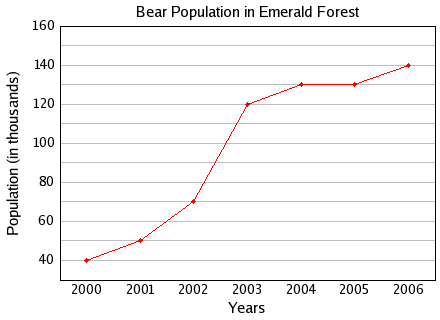
What was the bear population in 2001?
a)
40
b)
45
c)
50
d)
55
12.
The X axis is _______?
a)
vertical
b)
diagonal
c)
criss-cross
d)
horizontal
13.
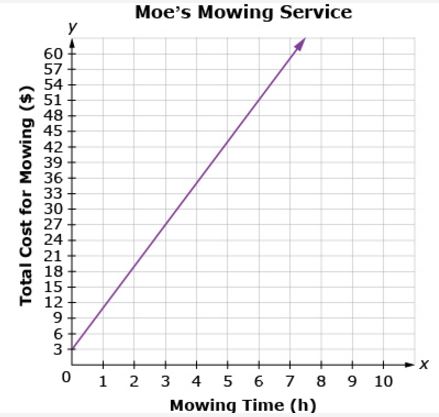
How much does it cost to have your lawn mowed for 2 hours?
a)
$16
b)
$17
c)
$18
d)
$19
14.

Which of the following transforms energy from plant and animal matter into electrical energy?

a)

rotating windmills

b)

burning biomass

c)

splitting atoms

d)

mining coal

15.
Which point has the most potential energy?
a)
D
b)
F
c)
B
d)
A
16.
Which point has the greatest kinetic energy?
a)
W
b)
X
c)
Y
d)
Z
17.
What is happening to the energy of the girl from point A to point B
a)
kinetic changes to potential
b)
potential changes to kinetic
c)
energy is lost
d)
energy is gained
18.
The law of conservation of energy means ________________________
a)
Energy CAN be created and destroyed or transformed
b)
Energy can be used up or transformed
c)
Energy CANNOT be created or destroyed, only transformed
d)
Energy cannot be transformed
19.
Which point has greatest kinetic energy?
a)
A
b)
B
c)
C
d)
none
20.
When does that ball have the greatest potential energy?
a)
A
b)
B
c)
C
d)
D
21.
When a pendulum swings, at which point is kinetic energy highest?
a)
1
b)
2
c)
3
d)
4
22.
A battery converts what type of energy to another?
a)
sound to kinetic
b)
light to heat
c)
mechanical to electrical
d)
chemical to electrical
23.
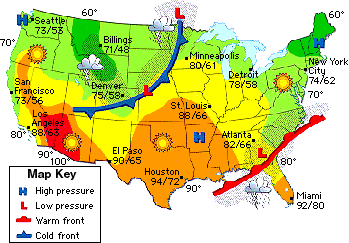
A cold front is approaching Minneapolis. What will happen to the air temperature?
a)
stay the same
b)
increase
c)
decrease
24.
A high pressure system is located north of New York City. What type of weather will be experienced there?
a)
clear, sunny skies
b)
cloudy and rainy
25.
A low pressure system is located over Georgia. What type of weather will they have?
a)
clear, sunny skies
b)
cloudy and rainy
26.
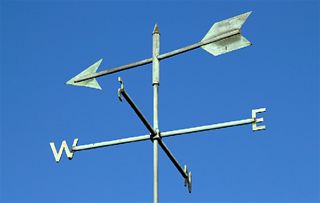
What does this tool measure?
a)
Wind speed
b)
Wind direction
c)
Air pressure
d)
Temperature
27.
This weather instrument is an...
a)
wind vane
b)
anemometer
c)
barometer
d)
thermometer
28.
In this experiment, the WARM red dye and the COLD blue dye was placed in the water at the same time. The warm red dye rose to the top while the cold blue dye sank to the bottom.
a)
conduction
b)
convection
c)
radiation
29.
What causes wind?
a)
convection currents
b)
conduction currents
c)
radiation currents
d)
tropical currents
30.
Why does warm air rise?
a)
Warm air is more dense than cooler air.
b)
Warm air has more pressure than cooler air.
c)
Warm air is less dense than cooler air.
d)
Warm air has a higher dew point than cooler air.
31.
During the day, the sea air temperature is lower than land air temperature.  What type of breeze is being shown here?
a)
Sea Breeze
b)
Land Breeze
c)
Jet Stream
d)
Trade Wind
32.
Which global wind belt is found at letter A?
a)
Polar Easterlies 
b)
Prevailing Westerlies 
c)
Tradewinds
d)
Doldrums 
33.
Which global wind belt is found at letter B?
a)
Polar Easterlies
b)
Prevailing Westerlies 
c)
Doldrums
d)
Tradewinds 
34.
What type of global wind is found at letter D?
a)
Doldrums
b)
Prevailing Westerlies 
c)
Polar Easterlies 
d)
Tradewinds 
35.
A scientific name consists of 
a)
Genus and Order
b)
Genus and Domain
c)
Genus and species
d)
Kingdon and Phylum
36.
A student discovers an arachnid with a segmented abdomen, long legs, and a tail with no stinger. The student uses the dichotomous key below to identify it. Which arachnid has the student found?
a)
Whip Scorpion
b)
Wind Scorpion
c)
Daddy long legs
d)
Scorpion
37.
Which organisms pictured on the cladogram have hair?
a)
prosimians only
b)
prosimians and humans
c)
humans only
d)
prosimians and birds
38.
Which organism in the table shown is most closely related to the common dolphin?
a)
human
b)
killer whale
c)
giant kelp
d)
bat star
39.
Which organism in the table is least closely related to the chimpanzee?
a)
human
b)
grey wolf
c)
tiger snake
d)
monarch butterfly
40.
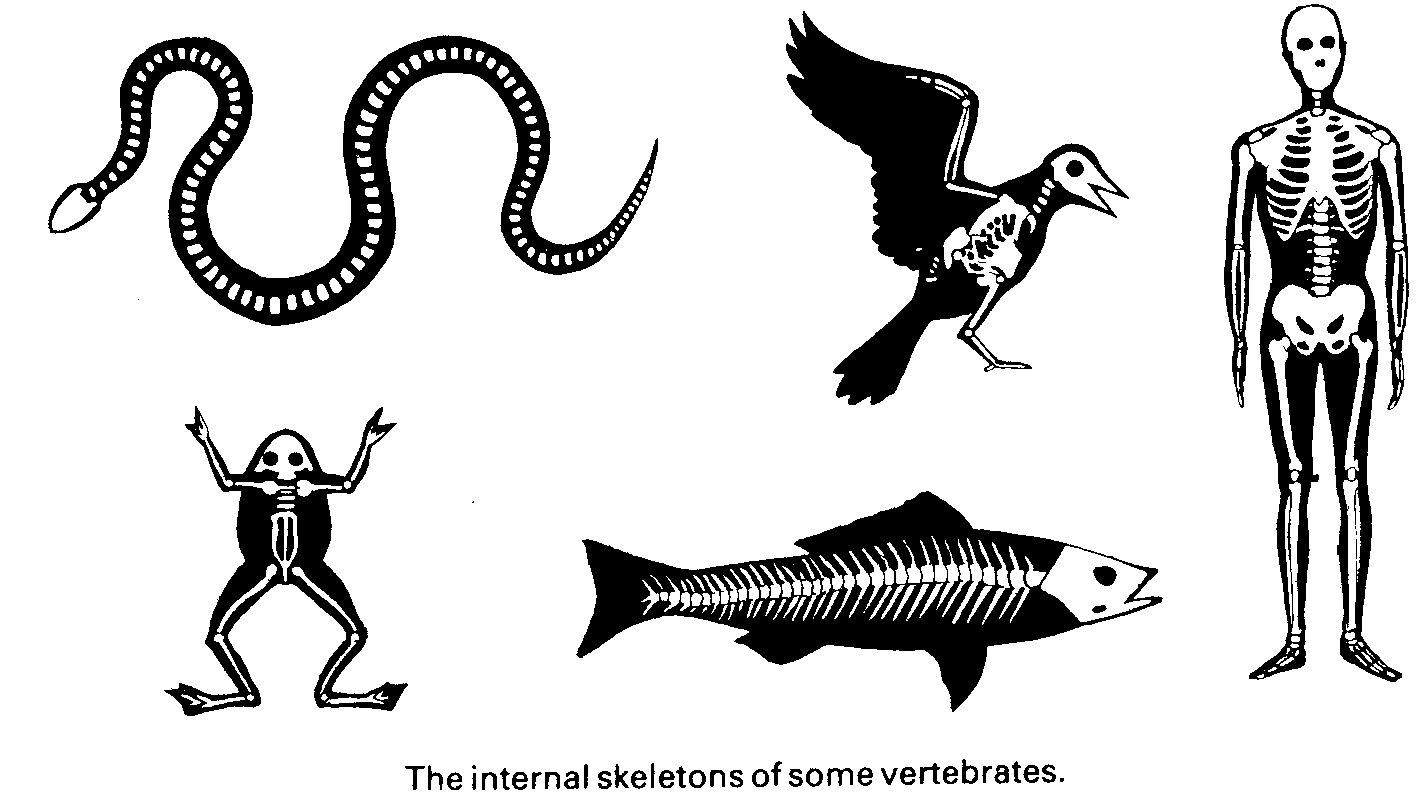
All vertebrates have a ___________.
a)
last name
b)
tail
c)
backbone
d)
neck
41.
I am covered in dry scales and I lay eggs.  What am I?
a)
Mammal
b)
Fish
c)
Amphibian
d)
Reptile
42.
This lion is a mammal because...
a)
It has a backbone.
b)
It has fur/hair
c)
It is ectothermic.
d)
It lays eggs.
43.
I have a soft-body, a hard shell, and live on land and water.  What am I?
a)
Mollusk
b)
Arthropod
c)
Echinoderm
d)
Cnidarian
44.
Which of the following is an example of a crustacean?
a)
squid
b)
crab
c)
earth worm
d)
bumble bee
45.
Which of the following is an example of a crustacean?
a)
squid
b)
crab
c)
earth worm
d)
bumble bee
46.
The organism shown is an example of a(n)
a)
mollusk
b)
cnidarian
c)
sponge
d)
echinoderm
47.
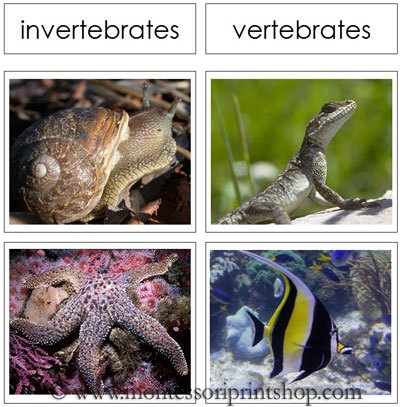
What is the major difference between vertebrates and invertebrates?
a)
Vertebrates are always smaller than invertebrates.
b)
Invertebrates always live in the water.
c)
Vertebrates have a backbone but invertebrates do not.
d)
Vertebrates and invertebrates are the same.
48.

Which of the following animals eats more often?

a)
b)
c)
d)
49.

Classify this animal.

a)

sponge

b)

echinoderm

c)

segmented worm

d)

arthropod

50.

Classify this animal.

a)

sponge

b)

echinoderm

c)

segmented worm

d)

mollusk

51.

Sponges have ___________ that allow water to enter through the sides.

a)

Top hole

b)

Pores

c)

Exoskeleton

d)

Organ

52.

Which invertebrate phyla have a thick muscular foot for movement or to open and close their shells?

a)

Mollusks

b)

Echinoderms

c)

Arthropods

d)

Segmented worms

53.

A sea sponge has what type of symmetry?

a)

Asymmetry

b)

Bilateral symmetry

c)

Radial symmetry

d)

None of the above

54.

A human has what type of symmetry?

a)

Asymmetry

b)

Bilateral symmetry

c)

Radial symmetry

d)

None of the above

55.

A starfish has what type of symmetry?

a)

Asymmetry

b)

Bilateral symmetry

c)

Radial symmetry

d)

None of the above

56.

Animals with a body temperature that changes with outside temperature are called ectothermic, which

means they are ___________.

a)

Cold-Blooded

b)

Warm-Blooded

57.
What is this?
a)
Xylem
b)
Phloem
58.
Both the xylem and phloem are considered-
a)
Stomata
b)
Leaves
c)
Roots
d)
Vascular tissue
59.
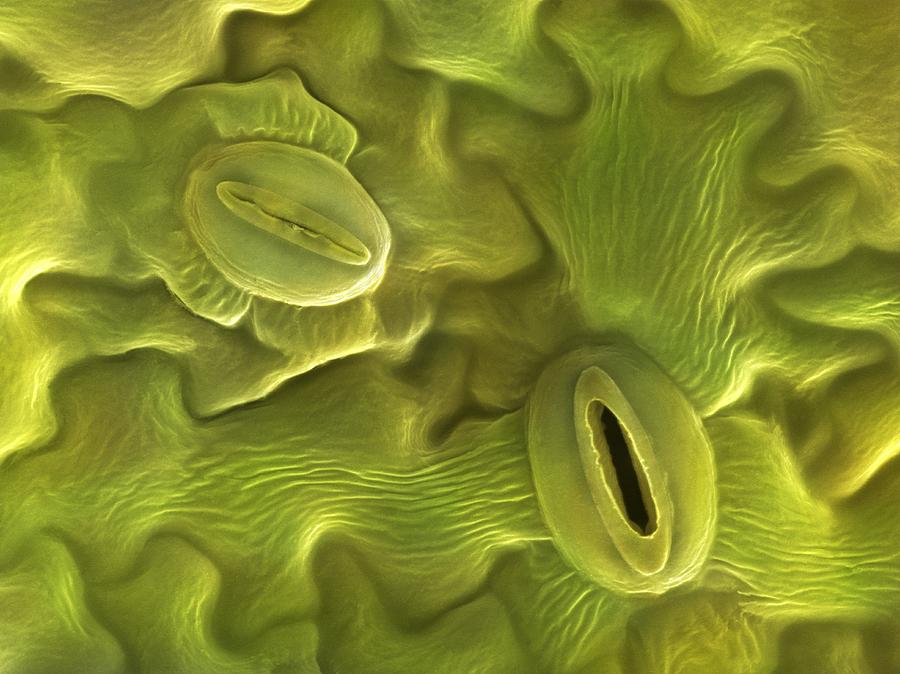
Opening that allows gas exchange
a)
Stomata
b)
Leaves
c)
Roots
d)
Vascular tissue
60.
Water exits the leaf through the __.
a)
Stomata
b)
Flower
c)
Roots
d)
Phloem
61.
___ opens and closes the stomata.
a)
Guard cells
b)
Xylem
c)
Roots
d)
Phloem
62.
The part of the plant that makes food.
a)
stem
b)
leaves
c)
roots
d)
flower
63.
Which structure of the plant absorbs water and nutrients from the soil?

a)
stem
b)
leaves
c)
roots
d)
flowers
64.
Why are flowers very colorful (and why do they produce odor?)
a)
So people buy them
b)
To make gardens look good
c)
To attract pollinators
d)
To attract sunlight
65.
Male reproductive parts of a plant....
a)
Petals and ovary
b)
Ovary and ovule
c)
Anther and filament
d)
Stigma and style
66.
In which part of the flower is pollen found?
a)
Filament
b)
Anther
c)
Ovary
d)
Xylem
67.
Bean plants wrap themselves around a trellis. This is an example of _____________.
a)
Gravitropism
b)
Thigmotropism
c)
Dormancy
d)
Hydrotropism
68.

The Pistil is:

a)

the male reproductive organ of a flower that can be fertilized by pollen

b)

the female reproductive organ of a flower that can be fertilized by pollen

c)

the male reproductive organ of a flower that can be fertilized by nectar

d)

none of the above

69.
Would would best complete this circuit?
a)
A wire
b)
A switch
c)
A battery
d)
A light bulb
70.

Which of the following materials is an electrical conductor?

a)

Plastic spoon

b)

Silver-colored plastic spoon

c)

copper spoon

d)

wooden spoon

71.

A material that does NOT let electricity pass through it is called ...

a)

An electrical conductor

b)

An electrical insulator

c)

An electrical source

d)

An electric appliance

72.

Bird watchers at Hawk Mountain in Pennsylvania recorded the number of hawks observed during four days in August. Which conclusion can be best made from the data in the chart?

a)

The greatest number of hawks was observed on day 4

b)

Broad-winded hawks fly faster than other types of hawks.

c)

More red-tailed hawks were observed than sharp-shinned hawks

d)

Migrating hawks prefer Hawk Mountain Sanctuary over other bird sanctuaries.

73.

About how much will the diameter of the tree's trunk most likely increase between year 200 and year 230?

a)

1 cm

b)

10 cm

c)

25 cm

d)

50 cm

74.

The line on the graph below shows the average monthly temperature for New York City. Suppose your class is going on a field trip to New York City next April. Which of the following would be the best prediction of what the temperature will be?

a)

about 20 °F

b)

about 50 °F

c)

about 100 °F

d)

about 80 °F

75.

A student is designing an experiment to find out whether the amount of light that a plant receives is related to how much food the plant has to help it grow. For her experiment, she plans to give one plant only one hour of light per day, another plant five hours of light per day, and the third plant 10 hours of light per day. Which of the following will help make sure that the investigation is a fair, valid test?

a)

Use three different types of plants

b)

Use three different types of light bulbs

c)

Give each plant the same amount of water

d)

Use different types of soil for each plant

76.

The one factor that a scientist changes during an experiment.

a)

Controlled Variable

b)

Dependent Variable

c)

Independent Variable

77.

The variable that is measured.

a)

Controlled Variable

b)

Dependent Variable

c)

Independent Variable

78.

The factors that stay the same or are constant throughout the experiment.

a)

Controlled Variable

b)

Dependent Variable

c)

Independent Variable

79.

Ben makes five paper helicopters with different wing lengths. He drops them the same way from a height of two meters for five trials each. He records the amount of time it takes for each helicopter to fall to the ground.

What is the independent variable?

a)

Dropping the same way

b)

Wing Length

c)

Amount of time it takes the helicopter to hit the floor

d)

Dropping from the same height

80.

Cindy wanted to find out how the amount of sunlight affects the growth of plants. She placed two tomato plants in 10 inch pots with potting soil and watered them ¼ cup each day. One plant was placed under a cardboard box and one was placed in the sunlight. She measured the growth of the plant each week for three weeks.

What are two controlled variables? (Select 2)

a)

Using the same type of plant

b)

Each plant was placed in a 10 inch pot

c)

The growth of the plant

d)

One plant is in the sunlight and the other is under a box

81.

Students measured the amount of an

unknown substance that dissolved in water at

different temperatures. What was the independent variable in this

investigation?

a)

water temperature

b)

water volume

c)

amount dissolved

d)

unknown substance

82.
I see that Mrs. McDermott is holding a coffee cup, I assume that there is coffee in the coffee cup.  By making the assumption that there is coffee in the mug, I have made a(n)
a)
observation
b)
inference
c)
classification
d)
experiment
83.

Which of the following responses is a plant growing toward or leaning toward touch?

a)

thigmotropism

b)

hydrotropism

c)

phototropism

d)

gravitropism

84.

The term for the invertebrate phylum of the Animal Kingdom is-----

a)

Chordata.

b)

Endoskeleton.

c)

Invertebrate.

d)

Exoskeleton.

85.

Through which process do plants obtian energy?

a)

Transpiration

b)

Respiration

c)

Photosynthesis

d)

Precipitation

86.

Plants reacting to gravity is called:

a)

Phototropism

b)

Geotropism/Gravitropism

c)

Germination

d)

Thigmotropism

87.

When plants grow in towards the light, this is called:

a)

Phototropism

b)

Geotropism

c)

Germination

d)

Thigmotropism

88.

This plant's response to touch is ???

a)

Phototropism

b)

Germination

c)

Thigmotropism

d)

Gravitropism/geotropism

89.

What process is shown here in the very first three pictures?

a)

Phototropism

b)

Gravitropism/geotropism

c)

Nastic movements

d)

Germination

90.

In this picture, what is the stimulus?

a)

The hand

b)

The hot pan

c)

Pulling away the hand quickly

d)

Lighting the stove

91.

What do seasonal changes cause a tree to do in the winter?

a)

Wilt

b)

Propagate

c)

Express high turgor pressure

d)

Enter dormancy

92.
Asexual reproduction in organisms produce offspring that are______________
a)
different from the parent plant
b)
identical to the parent plant.
c)
highly charged organism
d)
not like the parent plant.
93.
Compared to plants, fungi are organisms that cannot –
a)
grow in large amounts.
b)
make their own food
c)
cause disease in other organisms
d)
be used in helpful ways.
94.
How does an organism described as an autotroph obtain resources for energy?
a)
The organism feeds off other organisms.
b)
The organism hunts other organisms.
c)
 The organism makes food through photosynthesis
d)
The organism grazes on grass and other plants.
95.
Name the 2 phyla of the Plant Kingdom.
a)
Chordata & Invertebrates
b)
Sponges & Arthropods
c)
 Vascular & Chordata
d)
Vascular & Nonvascular
96.
How does an organism described as a heterotroph obtain resources for energy?
a)
The organism feeds off other organisms.
b)
The organism is able to feed itself.
c)
 The organism makes food through photosynthesis
d)
The organism uses sunlight for food.
97.
The cells walls of fungi are made of a chemical compound known as ____________.
a)
Chitin
b)
Cellulose
c)
Phospholipid Bilayer
d)
Calcium Carbonate
98.
Which letter points to the spore producing structures of a mushroom?
a)
B
b)
A
c)
C
d)
D
99.
What are the two most common greenhouse gases?
a)
Water Vapor (H2O) and Methane (CH4)
b)
Carbon Dioxide COand Methane (CH4)
c)
Water Vapor (H2O) and Carbon Dioxide CO2
d)
Water Vapor (H2O) and Nitrous oxide (N2O)
100.
 Which of the following activities contributes the most to carbon emissions globally?
a)
Deforestation
b)
Agriculture
c)
Burning fossil fuels
d)
Respiration
101.
The gas that is most abundant in the atmosphere is
a)
oxygen
b)
nitrogen
c)
carbon dioxide
d)
argon
102.
The gas that is the second most abundant in the atmosphere is
a)
oxygen
b)
nitrogen
c)
carbon dioxide
d)
argon
103.
What happens to the temperature if more greenhouse gases are released into the atmosphere?
a)
Temperature goes up
b)
Temperature goes down
104.
In which layer of the atmosphere does weather occur?
a)
Mesosphere
b)
Thermosphere
c)
Stratosphere
d)
Troposphere
105.
I sat on the bench while Mother and Punch went into the room. I was a little worried about Punch, but I knew that he would get good care. As I waited I watched a tiny puppy wander toward the lady with a cat in a crate. The lady at the desk talked to a man with who was buying medicine. wife. "Honey, I did it again." Mr. Rosencrantz heard Mrs. Thomas yelling at Mr. Thomas in a distorted high-pitched squeal. "Yes, dear. I'm so sorry. I'll see you soon," Mr. Thomas returned the phone, sighed deeply, and ran his fingers through his hair. Where am I?
a)
The Vet
b)
The Doctor
c)
The Dentist
d)
The Zoo
106.
The room was dark and quiet. We heard Carl and his mother come in the front door talking. I heard two girls in the corner giggle nervously. Another girl told them to be quiet. I hid behind the table where the cake and presents were set out. The tension in the room grew as we waited for them to open the door. Where am I?
a)
A surprise party
b)
A prison
c)
A funeral
d)
A dinner party
107.
When you explain why the sugar is dissolving faster than the salt.  This is an example of a(an) ________________
a)
classification
b)
experiment
c)
prediction
d)
inference
108.
When you are finished with your experiment, you compare your data with your observations.  This process is called....
a)
Inquiring
b)
Evaluating
c)
Classifying
d)
Predicting
109.
Mr. Southworth wrote down how many students received Bark Awards so he would have ___________.
a)
Inferences
b)
Predictions
c)
Quantitative Observations
d)
Qualitative Observations
110.
Nelson recorded that the soap had a strong scent, this was ________________.
a)
a qualitative observation
b)
a quantitative observation
c)
a prediction
d)
a hypothesis
111.
When you explain or interpret the things you observe, you are making an ___________.
a)
qualitative observation
b)
quantitative observation
c)
inference
d)
evaluation
112.
The scientist observes that the black bears are only eating the silver fish.  What step of the scientific inquiry process should she complete next?
a)
analyze data
b)
ask a testable question
c)
conduct an experiment
d)
form a prediction
113.
The factors that can change in an experiment are called _________.
a)
evaluating
b)
variables
c)
prediction
d)
inquiry
114.
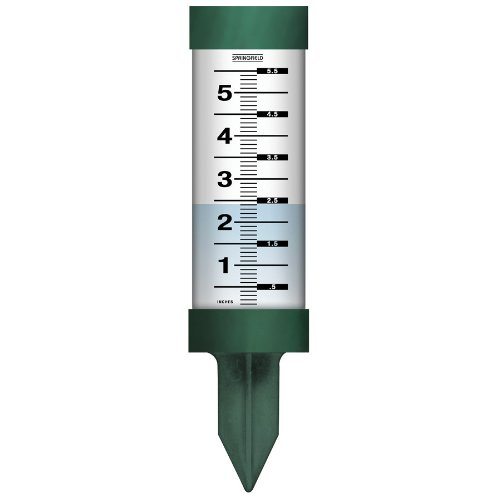
What does this device show?
a)
a change in temperature
b)
a change in humidity
c)
wind speed
d)
the amount of rainfall
115.
From which direction is the wind blowing in this picture?
a)
north
b)
east
c)
south
d)
west
116.
a)
70 degrees F
b)
65
c)
70
d)
65 degrees F
117.
What type of instrument measures the humidity in the air?
a)
hygrometer
b)
barometer
c)
anemometer
d)
rain gauge
118.

This is a ...

a)

Nonvascular plant

b)

Vascular plant

119.

This is a(n) ...

a)

Angiosperm

b)

Gymnosperm

120.

This is a(n) ...

a)

Angiosperm

b)

Gymnosperm

c)

Seedless vascular plant

d)

Nonvascular plant

121.

This is a(n) ...

a)

Angiosperm

b)

Gymnosperm

122.

"Flowering plants" is a common name for ...

a)

Nonvascular plants

b)

Seedless vascular plants

c)

Gymnosperms

d)

Angiosperms

123.

"Flowering plants" is a common name for ...

a)

Nonvascular plants

b)

Seedless vascular plants

c)

Gymnosperms

d)

Angiosperms

124.

Is this a gymnosperm or an angiosperm?

a)

gymnosperm

b)

angiosperm

125.

Is this a gymnosperm or an angiosperm?

a)

gymnosperm

b)

angiosperm

126.
Energy from the Sun, which provides heat and light energy for Earth
a)
chemical
b)
solar
c)
kinetic
d)
potential
127.
Energy that is stored in batteries.
a)
chemical
b)
solar
c)
kinetic
d)
nuclear
128.
Energy that flows in a circuit.
a)
nuclear
b)
circuitual
c)
solar
d)
electrical
129.
Energy transferred through electromagnetic waves, like microwaves.
a)
nuclear
b)
chemical
c)
radiant
d)
mechanical
130.
Energy due to an object's motion.
a)
kinetic
b)
electrical
c)
potential
d)
chemical
131.
Which of the following is an example of potential energy?
a)
a moving car
b)
a shining lightbulb
c)
a stretched rubber band
d)
a falling book
132.
The Law of Conservation of Energy states that energy cannot be
a)
changed or transformed
b)
stopped or started
c)
created or destroyed
d)
hot or cold
133.
Energy associated with the motion of particles in a substance.
a)
thermal
b)
radiant
c)
electrical
d)
chemical
134.
A current-carrying coil of wire wrapped around an iron core is called a(n)
a)
insulator
b)
electromagnet
c)
resistor
d)
aurora
135.
An electric motor converts electrical energy to _______ energy.
a)
chemical
b)
radiant
c)
nuclear
d)
kinetic
136.
A baseball flying through the air has ______ energy because of its motion.
a)
kinetic
b)
potential
c)
solar
d)
electrical
137.
Poor conductors of heat are called
a)
electromagnets
b)
conductors
c)
resistors
d)
insulators
138.
Which of the following choices is an accurate inference from the picture?
a)
There are 3 people in the picture
b)
There is a dog in the picture
c)
There are two cars in the middle of the road
d)
There was a car crash
139.
What can you infer about the animals in this picture
a)
The dogs have the same stick in their mouths
b)
There are two dogs
c)
The dogs are playing
d)
The dogs are about to attack 
140.
"There will be a bad storm" is an example of a(n)
a)
Inference
b)
Observation
c)
Prediction
d)
Fair Test
141.

A thermometer shows that the outside air temperature is colder than the temperature at which water turns to ice. However, ice on the sidewalk melts. What probably caused this? (6.P.3.1)

a)

The air heating the sidewalk

b)

The sidewalk reflecting sunlight into the air

c)

The wind causing the ice on the sidewalk to melt

d)

The sunlight making the sidewalk warmer than the air

142.
Which type of protist is shown in the picture?
a)
euglena
b)
paramecium
c)
amoeba
d)
eukaryotic
143.
What is the name of the structure shown in the model?
a)
cilia
b)
flagella
c)
amoeba
d)
pseudopod 
144.
 What amoeba structure is a finger-like projection of the cell membrane used for movement and obtaining food?
a)
Cilia
b)
Pseudopod
c)
Flagella
d)
Hair-like
145.
What part of a fungus is described as long, thread-like structures that absorb nutrients?
a)
roots
b)
fruit body
c)
hyphae
d)
spores
146.
What part of a fungus is used for reproduction?
a)
spores
b)
flagellum
c)
cilia
d)
hyphae
147.
What type of asexual reproduction involves an offspring that grows off it's parent's body and eventually breaks off?
a)
Budding
b)
Pollination
c)
Mycelium
d)
Spores
148.
What vocabulary word describes the breaking off of dead things and recycling it's nutrients through the food chain?
a)
Symbiosis
b)
Decomposing
c)
Budding
d)
Mycelium
149.
What term is used for fungi that feed on living organisms but cause harm to the organism?
a)
Saprophytic
b)
Parasitic
c)
Cilia
d)
ymbiotic
150.
A collective mass of hyphae are referred to as ------------
a)
Parasitic
b)
Fruiting
c)
Mycelium
d)
Spores
151.
What's a lichen?
a)
Combination of plant and fungi
b)
Combination of yeast and mold
c)
Combination of fungi and green algae
d)
A type of mushroom