
 Worksheets
PGA STAAR SCIENCE CAMP Cateory 1 Matter
Total questions: 75
Worksheet time: 3hrs 50mins

Which best describes the particles that make up the part labeled X in the model?
They all have no charge
They all have a positive charge
Some have a positive charge and some have no charge
Some have a positive charge and some have a negative charge

The drawing above shows a model of an atom. Which object in the diagram has a negative charge?
Particle A
Particle B
Particle C
Particle D
Which statement best describes a proton?
Its mass is similar to that of an electron, but it has a positive charge
Its mass is similar to that of a neutron, but it has no charge
Its mass is similar to that of a neutron, but it has a positive charge
Its mass is much smaller than that of a neutron, but it has a negative charge
A neutral atom has 16 electrons. How many protons does it have?
32
8
16
0

The chart above shows the numbers of each kind of subatomic particles in an atom. Which number describes the charge of this atom's nucleus?
-53
-74
+53
+21

A student organized data describing the particles that make up atoms in the table above. Which value should the student write in the empty box?
-1
1
1/1836
2


Which value is most likely the number of protons for saturntonium?
388
219
169
171

Which statement is a valid conclusion based on the information?
Saturntonium is nonreactive
Saturntonium has properties unlike any other element
Saturntonium is very reactive
Saturntonium has properties most similar to period 7 metals
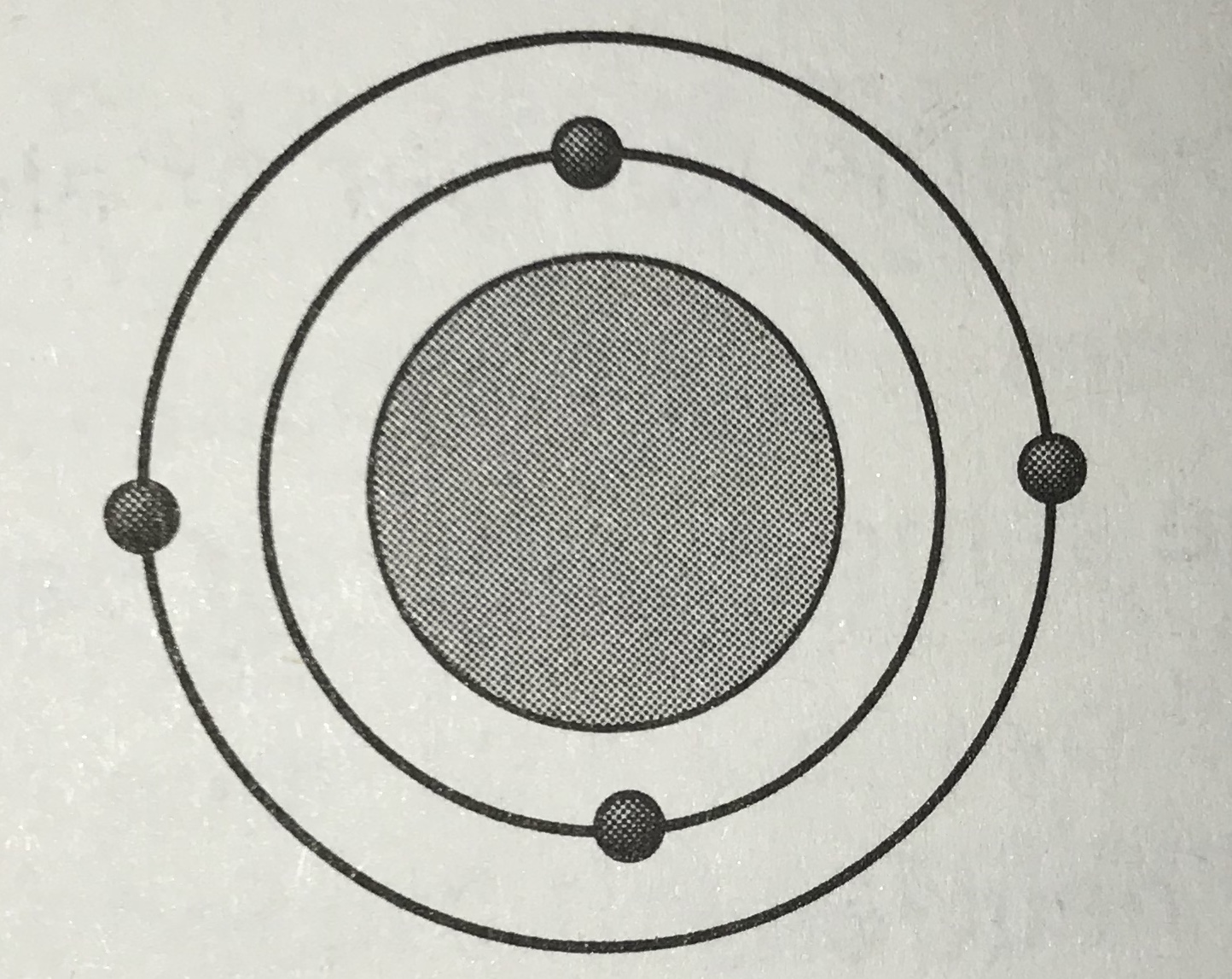
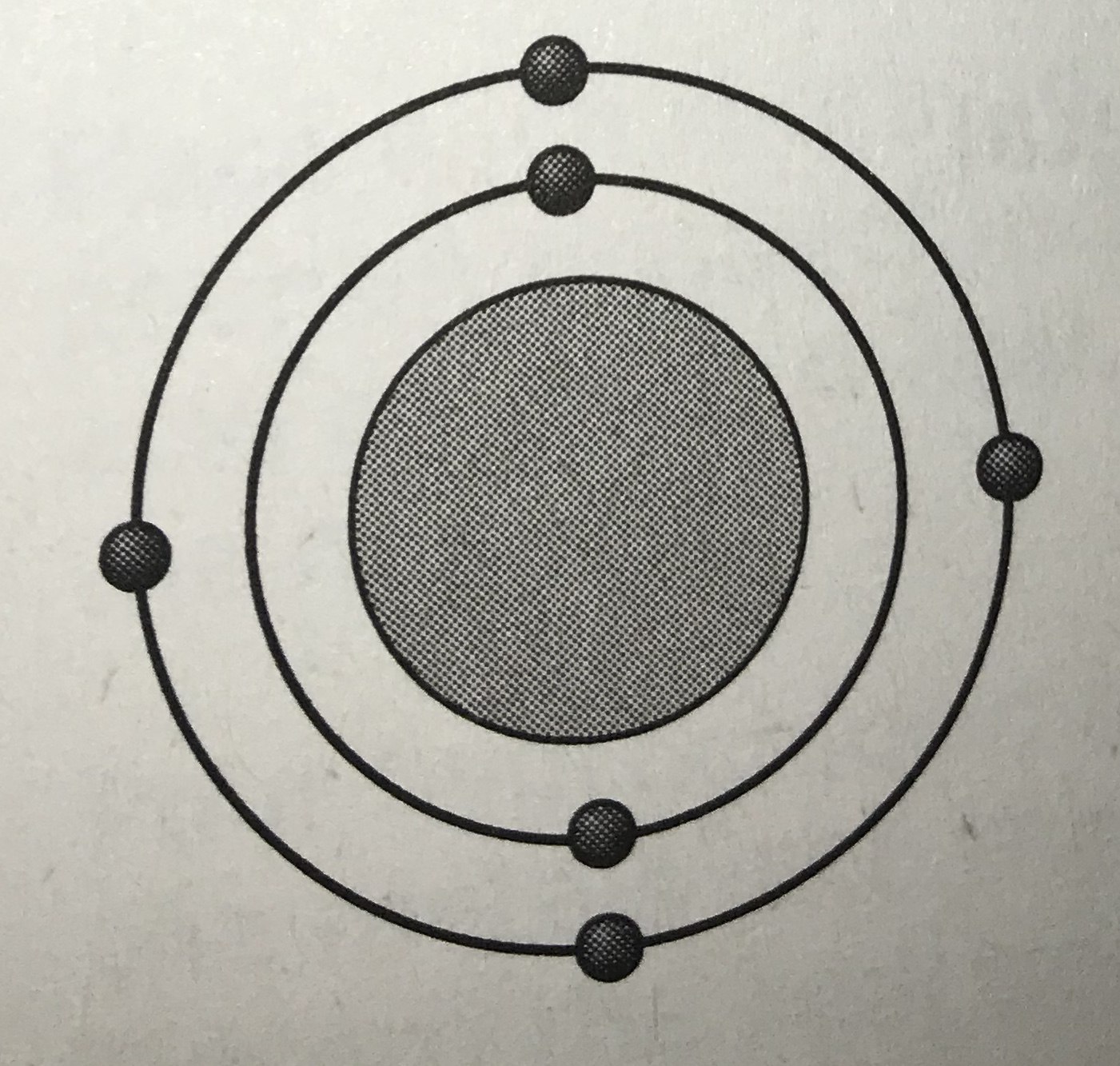
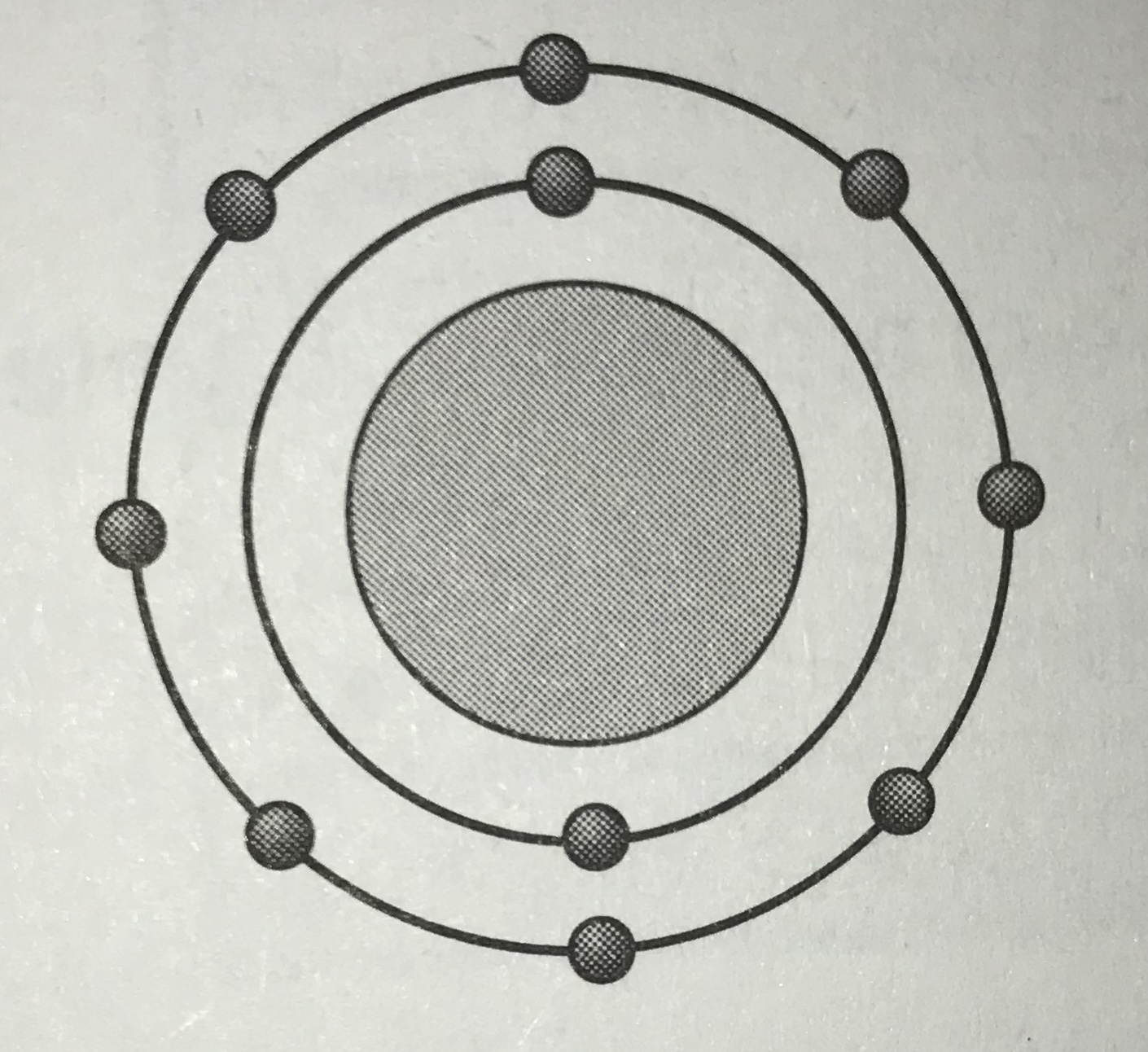
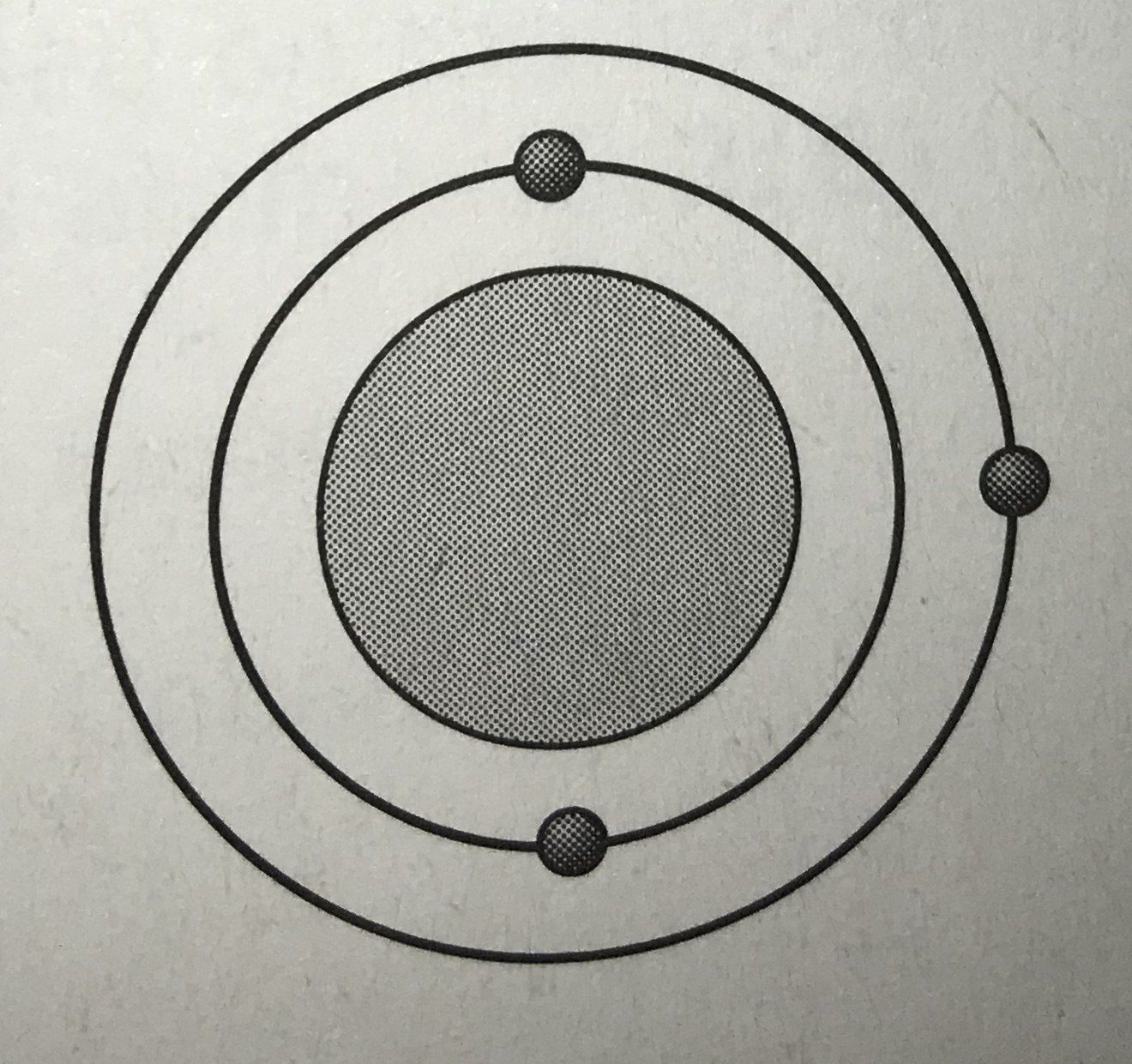
Which model represents the most reactive atom?
Which of the following characteristics is similar for fluorine and iodine?
Number of protons
Number of neutrons
Number of orbitals
Number of valence electrons
The atomic number of an element is equal to its number of protons. Therefore, a logical conclusion is that the number of protons determines an element's
Mass and atomic weight
Number of stable isotopes
Identity
State of matter
The atomic number of an element is equal to its number of protons. Therefore, a logical conclusion is that the number of protons determines an element's
Mass and atomic weight
Number of stable isotopes
Identity
State of matter
Which statement is NOT accurate describing the element krypton?
The element has 36 protons
The element has 48 neutrons
The element has 6 valence electrons
The element has properties similar to neon

Where are valence electrons located on the model?
Near the nucleus
In the middle of the atom
At the innermost level
At the outermost level

Based on the information, what is the identity of this atom?
Fluorine (F)
Cobalt (Co)
Germanium (Ge)
Nickel (Ni)
A student is studying calcium, a highly reactive element that humans need for strong bones. Which characteristics of calcium is most closely related to its chemical reactivity?
The 20 protons in each atom of calcium
The density of calcium
The atomic number
The two valence electrons in each atom of calcium
What groups are the most reactive metals?
2 and 3
1 and 18
1 and 2
16 and 17
What groups are the most reactive non metals?
1 and 2
16 and 17
2 and 17
1 and 16
three hydrogen (H)
one sulfur (S)
four oxygen (O)

Cu + 2AgNO3 2Ag + Cu(NO3)2
How many copper (Cu) atoms are there in
Cu(NO3)2 ?


Based on the data, which number shows the correct location of the element with 2 valence electrons and 3 energy levels.
1
2
3
4

Based on the data, which number shows the correct location of the element with 2 valence electrons and 1 energy levels.
1
2
3
4

Which statement best describes the position of the two elements in the periodic table.
The two elements are in the same period, with Mg the first element in the period table and Ca the last element
The two elements are in the same group, with Mg just above Ca
The two elements are side by side in the same period, with Ca to the left of Mg
The two elements are in the same group, with Ca just below Mg

Which two atoms are elements in the same group in the periodic table?
Atom 3 and Atom 4
Atom 1 and Atom 4
Atom 3 and Atom 2
Atom 1 and Atom 2


What is the best explanation for what the arrows in a food chain represent?
The arrows demonstrate in which direction the animal or plant is moving
The arrows demonstrate the order in which a plant or animal consumes food
The arrows demonstrate how much each animal eats
The arrows demonstrate the flow of energy through the food chain

A group of science students went on a hike around the campus to investigate how energy flows through an ecosystem. Which level of the food chain would the students encounter most often?
Primary consumers
Tertiary consumers
Producers
Secondary consumers

How much of the sun's original energy is received by organisms at position Y in the energy pyramid?
100%
10%
1%
0.1%

In the food web, which animals are considered secondary consumers?
Minnow and snail
Minnow and bass
Duck and snail
Duck and bass

According to the desert food web, which organism receives the greatest amount of the sun's energy taken in by the desert plants?
Snake
Scorpion
Small lizard
Hawk
According to the desert food web, which organism receives the greatest amount of the sun's energy taken in by the desert plants?
Snake
Scorpion
Small lizard
Hawk

Which organism provides energy to the greatest number of organisms in the food web?
Grasses
Insects
Mouse
Rabbit


What is the density of an object that has a mass of 15 g and a volume of 2.5 cm3?
37.5 g/cm3
6.0 g/cm3
12.5 g/cm3
0.17 g/cm3
What is the density of an object that has a mass of 15 g and a volume of 2.5 cm3?
37.5 g/cm3
6.0 g/cm3
12.5 g/cm3
0.17 g/cm3

A student finds that the mass of an unknown object is 28.9 grams and the volume is 12.3 cm3. Which object did the student measure?
Water
Rock
Air
Glass

The density values of four irregular shaped objects are shown in the table. Which object's density can be calculated from measurements of 18.8 mL and 17.5 grams?
Plastic dinosaur
Pink eraser
Large paper clip
Aluminum foil ball
The density values of four irregular shaped objects are shown in the table. Which object's density can be calculated from measurements of 18.8 mL and 17.5 grams?
Plastic dinosaur
Pink eraser
Large paper clip
Aluminum foil ball
A student calculates the density of an unknown metal sample to be 8.25 g/cm3. Which set of data from the student's notebook correctly calculates the density of the unknown metal sample?
Mass = 82.5 g, Volume = 11.0 cm3
Mass = 198.0 g, Volume = 24.0 cm3
Mass = 165.2 g, Volume = 21.2 cm3
Mass = 202.5 g, Volume = 25.0 cm3

