
 Worksheets
106 Ferns and Fern Allies and their Life Cycle
Total questions: 36
Worksheet time: 41mins
What produces the spores?
the antheridium
the archegonium
sporocytes or spore mother cells inside the sporangium
What do all Seedless Vascular plants have in common?
Spores
true xylem and phloem
no seeds
All of the Above

Antheridium: sperm
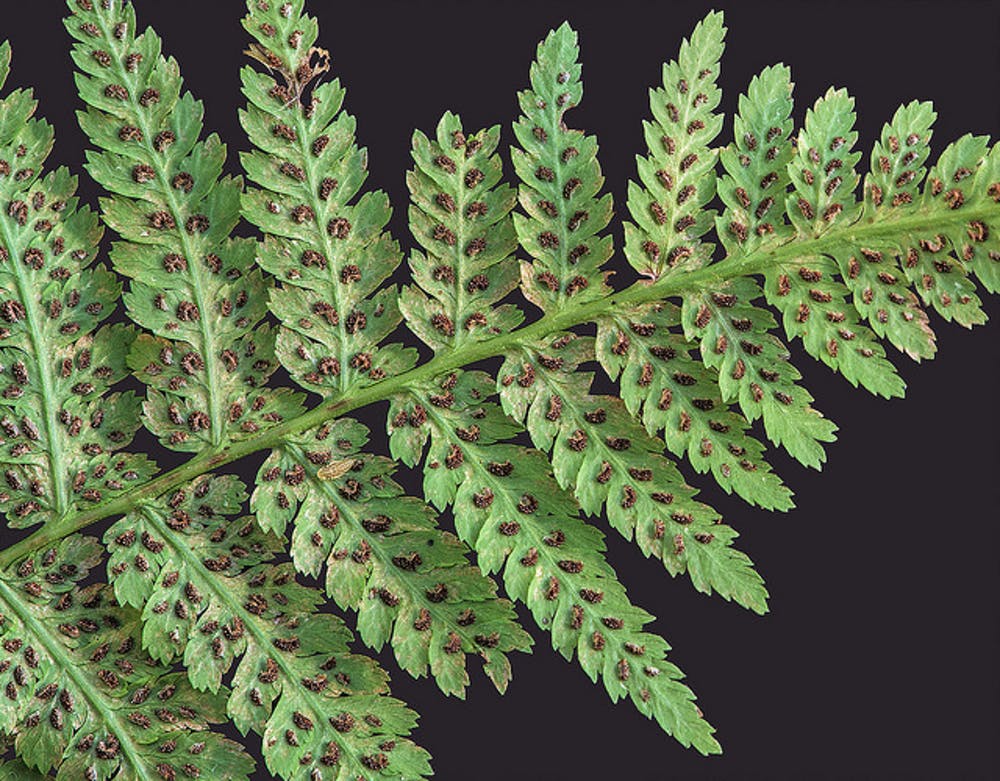
How do we call the brown spots you can see on the fern plant?
Spore seeds
sorus with sporangia
Seed cases
Pollen cases
What produces the sperm?
the antheridium
the archegonium
sporocytes or spore mother cells inside the sporangium
What produces the egg?
the antheridium
the archegonium
sporocytes or spore mother cells inside the sporangium
What are archegonia?
They are the female reproductive organs of a fern or any plant.
They are the male reproductive organs of a fern or any plant.
They are the mature sporophyte reproductive organs
What are antheridia?
They are the female reproductive organs of a fern
They are the male reproductive organs of a fern
They are the mature sporophyte reproductive organ
We find a young sporophyte here.
on the underside of a fern leaf
with the antheridium before fertilization
growing out of the gametophyte
Which ploidy term do you use for 2n?
diploid
haploid
zygoid
Which ploidy term do you use for n?
diploid
haploid
zigloid
Do archegonia produce eggs, spores, or sperm?
eggs
sperm
spores
Do antheridia produce eggs, spores, or sperm?
eggs
spores
sperm
True or False: The zygote is found in the diploid generation
True
False
True or False: The sporangium is part of the diploid generation.
True
False
True or False: The mature sporophyte is found in the diploid generation.
True
False
True or False: The young gametophyte is found in the diploid generation
True
False
True or False: The antheridium is found in the diploid generation.
True
False
True or False: The archegonium is found in the diploid generation.
True
False
Where is the sorus located?
on the young fern gametophyte
within the fern zygote
on the underside of the fern leaf
Antheridia and Archegonia belong to which generation?
sporophyte generation
gametophyte generation
they belong to their own generation
This plant division is called ferns and fern allies. Who are the fern allies?
hornworts
horsetails
liverworts
lycopds
mosses
What is the evolutionary invention in the fern and fern allies?
spores
seeds
xylem and phloem
leaves
wood
Which of the ferns and fern allies evolved the tree habit in the past?
ferns only
lycopods only
horsetails only
ferns, lycopods and horsetails
ferns and lycopods, but not horse tails
The evolutionary invention of xylem and phloem allowed the ferns and fern allies to do what?
- grow much bigger leaves than the mosses because they had efficient ways to move water and photosynthate around.
- more photosynthesis from bigger leaves allowed for the evolution of larger plants.
- secondary xylem = wood: all three of the ferns and fern allies evolved the tree habit in the past.
- flowers and cones for more efficient reproduction
- flowers and cones for more efficient pollination
Ferns, lycopods and horsetails all evolved the tree habit. Aside from some wood, how did these plants support secondary growth?
ferns and lycopods: overlapping leaf bases, root mantle
ferns and lycopods: hollow stem from widening the cells in the pith
horsetails: overlapping leaf bases, root mantle
horse tails: hollow stem from widening the cells in the pith
Today, only one group of the ferns and fern allies still has members with the tree habit. Which one?
Horsetails are the only group today that still has the tree habit.
Ferns are the only group today that still has the tree habit.
Lycopods are the only group today that still has the tree habit.
Which fossil fuel originated from the forests of the ferns and fern allies in the Pennsylvanian geological period>
coal
natural gas
oil

