wayground logo

Free Printable Worksheets

NEW

Font size

S
M
L
XL
Worksheets

Scharpf - Body Systems

Total questions: 62

Worksheet time: 1hrs 10mins
Name
Class
Date
1.
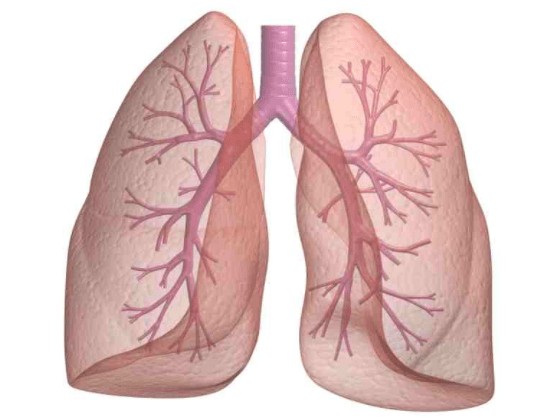
1. Which system are the lungs in?
a)
respiratory
b)
digestive
c)
excretory
d)
muscular
2.
 Which system is the stomach in?
a)
respiratory
b)
digestive
c)
nervous
d)
excretory
3.
 What is the main function of the respiratory system?
a)
take in oxygen and exhale waste like carbon dioxide
b)
move nutrients throughout the body
c)
take in carbon dioxide and exhale oxygen
4.
Where does digestion start?
a)
stomach
b)
mouth
c)
esophagus
5.
 What is the main job of the digestive system? 
a)
break down foods into nutrients that can be used by the body
b)
take in oxygen and exhale waste like carbon dioxide
c)
pump blood throughout the body
d)
makes the body hungry
6.
Which systems main function is to allow movement of the body?
a)
muscular
b)
digestive
c)
skeletal
d)
excretory
7.
The smallest units or parts of living things; the body's building blocks.
a)
cells
b)
organs
c)
tissues
d)
system
8.
Your large and small intestines are part of this body system.
a)
nervous
b)
digestive
c)
muscular
d)
skeletal
9.
A collection of the same kinds of cells working together to do the same job.
a)
cells
b)
tissues
c)
organs
d)
systems
10.
 Organs are body parts that have specific jobs.  Your body systems are made up of organs.
a)
True
b)
False
11.
Which system enables the body to move, moves food through the digestive system, and keeps the heart beating?
a)
skeletal
b)
muscular
c)
digestive
d)
nervous
12.
Which system provides shape and support, enables you to move, protects your internal organs, and stores minerals?
a)
skeletal
b)
muscular
c)
digestive
d)
nervous
13.
Which system takes food into the body, breaks down food, and absorbs the digested materials?
a)
respiratory
b)
circulatory
c)
digestive
d)
excretory
14.
Blood is considered a tissue because it is composed of cells such as red and white blood cells working together for a particular function.
a)
True
b)
False
15.
Which one of the following systems DO NOT absorb nutrients or get rid of wastes?
a)
Respiratory System
b)
Digestive System
c)
Nervous System
d)
Circulatory System
16.
Which of these 3 systems work together to get the body the oxygen and sugar that it needs to make ATP(energy)?
a)
Digestive - Cardiovascular -Urinary
b)
Cardiovascular - Respiratory - Reproductive
c)
Respiratory - Digestive - Lymphatic
d)
Cardiovascular - Digestive - Respiratory
17.
When blood is used by the body it must pass through which of the following organs before it is pumped back out to the body?
a)
Lungs
b)
Brain
c)
Stomach
d)
Skin
18.
On a very hot day a long distance runner will produce large quantities of sweat.  How will the kidneys adapt to this situation?
a)
Increased amounts of urine to remove amino acids
b)
Decreased urine production to allow the body to conserve water
c)
increased amounts of urine to help the body retain water
d)
less urine increases the amount of amino acids
19.
Which representation would show the organization of life from simplest to the most complex?
a)
Heart muscle tissue, cardiovascular system, heart muscle tissue
b)
cardiovascular system, heart muscle cells, heart muscle tissue
c)
cardiovascular system, heart tissue, heart cells
d)
Heart muscle cells - heart muscle tisse, heart, cardiovascular system
20.
Blood is produced in the red marrow of the bones.  Which system is this?
a)
Cardiovascular system
b)
Skeletal system
c)
Digestive system
d)
Lymphatic system
21.
What two systems work together to get rid of infection?
a)
Digestive and immune
b)
Respiratory and circulatory
c)
Circulatory and immune
d)
Immune and endocrine
22.
In the skeletal system the function of bones is to
a)
Protect organs, make blood, store calcium and minerals
b)
Help our bodies make atp
c)
Diffusion
d)
Make plasma
23.
Which of the following systems is the largest human organ that protects the body, regulates body temperature, and plays a role in sensory perception.
a)
Nervous system
b)
Endocrine system
c)
Integumentary system
d)
Skeletal system
24.
What type of cells are responsible for carrying oxygen to the cells of the body?
a)
White blood cells
b)
Nerve cells
c)
Lung cells
d)
Red blood cells
25.

What system is pictured?

a)

Skeletal

b)

Circulatory

c)

Nervous

d)

Muscular

26.

What system helps deliver nutrients and oxygen to all of your body cells?

a)

Circulatory

b)

Respiratory

c)

Digestion

d)

Excretory

27.

What system supports and protects your internal organs?

a)

Muscular

b)

Digestive

c)

Excretory

d)

Skeletal

28.

Which two body systems are working together to make this type of physical movement from the basketball player?

a)

Circulatory and Excretory

b)

Skeletal and Muscular

c)

Nervous and Digestive

d)

Respiratory and Skeletal

29.

What system eliminates non solid waste from the body?

a)

Integumentary

b)

Digestive

c)

Excretory

d)

Respiratory

30.

What is the function of the system pictured?

a)

Helps pumps your blood through out your body.

b)

Helps move and protect your body.

c)

Helps take in oxygen and remove carbon dioxide.

d)

Helps maintain body your temperature.

31.

What system gathers information and responds to that information? Ex: Touching something that is hot and quickly pulling your hand away.

a)

Skeletal

b)

Muscular

c)

Integumentary

d)

Nervous

32.

What part of the integumentary system is your dermis?

a)

A

b)

B

c)

C

33.

Which system provides shape and support, enables you to move, and stores minerals

a)

Skeletal

b)

Muscular

c)

Integumentary

d)

Respiratory

34.

How does the muscular system and the skeletal system work together?

a)

The muscular system allows the body to stand up while the skeletal system allows the body to move

b)

The muscular system allows the body to move and the skeletal system gives the body a structure

c)

The muscular system gives the body nutrients while the skeletal system gives the body blood

d)

The skeletal system makes blood cells and the muscular system makes nutrients

35.

How does the cardiovascular system and the respiratory system work together?

a)

The cardiovascular system allows the body to have energy while the respiratory system makes cells

b)

The cardiovascular system transports oxygen around the body while the respiratory system gives the body oxygen

c)

The cardiovascular system makes cells while the respiratory system moves them where they are suppose to go

d)

The cardiovascular system transports nutrients around the body while the respiratory system brings oxygen into the body

36.

The muscular organ that pumps blood through out your body is your

a)

Arteries

b)

Diaphragm

c)

Heart

d)

Larynx

37.

What part of the integumentary system is the epidermis?

a)

A

b)

B

c)

C

38.

All your body systems work together to maintain a stable environment which is called __________________.

a)

Hydration

b)

Regular

c)

Gucci

d)

Homeostasis

39.
 Each body system includes two or more organs that work together.  This means that body systems are interrelated.
a)
True
b)
False
40.
What system moves the body?
a)
Endocrine System
b)
Muscular System
c)
Cardiovascular System
d)
Skeletal System
41.
What body system breaks down food for energy?
a)
Urinary System
b)
Digestive System
c)
Lymphatic System
d)
Respiratory
Respiratory System
42.
What system sends and receives messages?
a)
Immune System
b)
Urinary System
c)
Digestive System
d)
Nervous System
43.
This system gets rid of waste.  What is it?
a)
Muscular System
b)
Urinary System
c)
Lymphatic System
d)
Endocrine System
44.
 What system brings food and oxygen to cells?
a)
Cardiovascular System
b)
Nervous System
c)
Digestive System
d)
Muscular System
45.
What system carries oxygen to the blood?  
a)
Cardiovascular System
b)
Respiratory System
c)
Nervous System
d)
Endocrine System
46.
What system protects the body from disease?
a)
Lymphatic System
b)
Endocrine System
c)
Immune System
d)
Urinary System
47.
This system regulates body functions.
a)
Endocrine  System
b)
Muscular System
c)
Cardiovascular System
d)
Nervous System
48.
The reproductive system allows for the creation of new life (babies).
a)
True
b)
False
49.
Which system produces sperm and egg cells?  In females, it also nourishes the fetus.
a)
reproductive
b)
endocrine
c)
nervous
d)
lymphatic
50.
Gas exchange between the blood and the outside occurs in which system?
a)
Respiratory
b)
Circulatory
c)
Lymphatic
d)
Integumentary
51.
Which human body systems interact to produce movement of the body?
a)
Nervous and endocrine
b)
Skeletal and muscular
c)
Circulatory and digestive
d)
Excretory and nervous
52.
Which body systems work together to supply the body's cells with oxygen?
a)
Respiratory and immune
b)
Nervous and reproductive
c)
Circulatory and respiratory
d)
Endocrine and muscular
53.
Which two body systems work together to break down food into energy and rid the body of the waste produced during this process?
a)
Skeletal and endocrine
b)
Digestive and excretory
c)
Nervous and immune
d)
Muscular and skeletal
54.
The two body systems that work together to protect you from foreign pathogens are...
a)
Integumentary and immune
b)
Reproductive and muscular
c)
Endocrine and digestive
d)
Respiratory and circulatory
55.
Which two body systems work together to bring about reproduction in humans?
a)
Integumentary and skeletal
b)
Endocrine and reproductive
c)
Nervous and digestive
d)
Immune and muscular
56.
Which body system is the 'rapid response' system?
a)
Reproductive
b)
Immune
c)
Skeletal
d)
Nervous
57.
Which body system is the 'slow response' system and uses hormones to bring about a response?
a)
Endocrine
b)
Immune
c)
Muscular
d)
Excretory
58.
Organs of this system include the kidneys and bladder
a)
Digestive
b)
Excretory
c)
Immune
d)
Skeletal
59.
Functions of this system include production of red blood cells, storage of minerals, and protection of organs
a)
Muscular
b)
Excretory
c)
Skeletal
d)
Nervous
60.
This organ system breaks down ingested substances into biomolecules that can be used by the body
a)
Digestive
b)
Excretory
c)
Integumentary
d)
Skeletal
61.
This organ system consists of three types of tissues; skeletal, cardiac, and smooth
a)
Skeletal
b)
Muscular
c)
Reproductive
d)
Immune
62.
These two systems work together to maintain homeostasis
a)
Digestive and immune
b)
Nervous and endocrine
c)
Skeletal and muscular
d)
Reproductive and excretory