
 Worksheets
Physical Science Final Review
Total questions: 95
Worksheet time: 1hrs 17mins


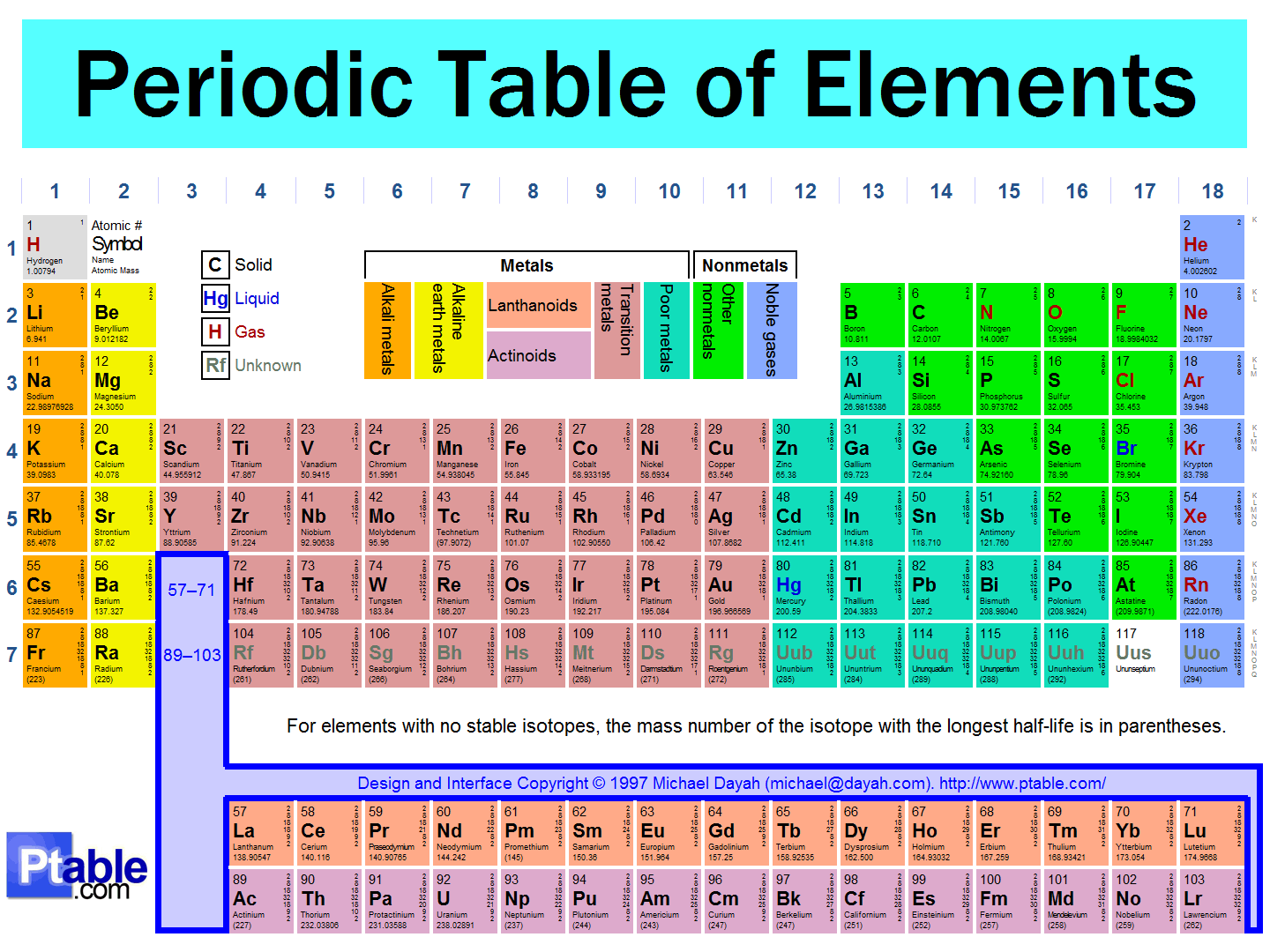
The vertical (up and down) columns in the Periodic Table are called
groups
towers
periods
atomic numbers
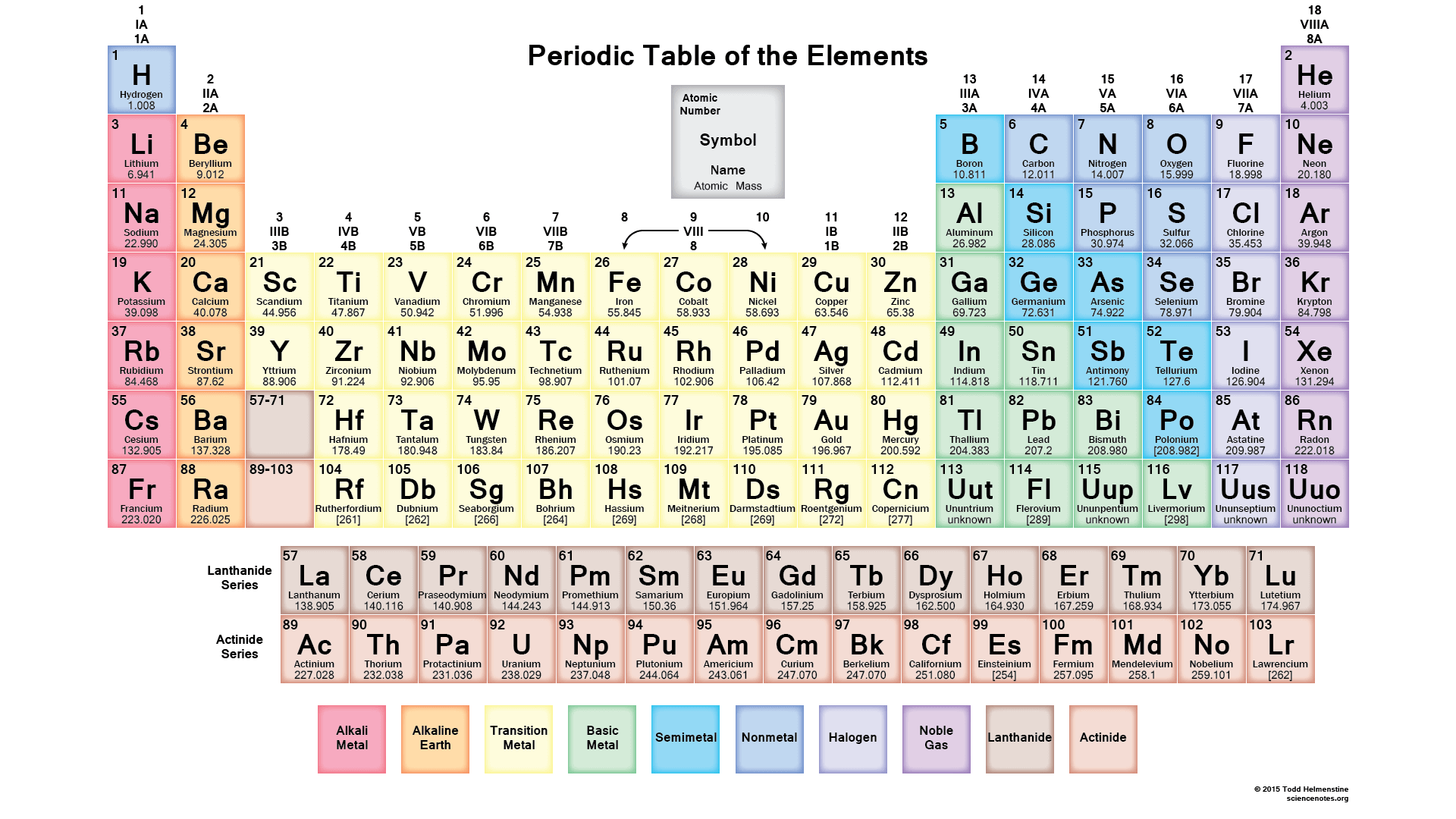
what is the name of group number 1
halogens
noble gases
alkali
alkaline earth
what is the small group of elements called that include C,N,O
metals
nonmetals
metaloids
noble gases


How do you calculate the number of neutrons? *
Mass = Atomic number - Neutrons
Mass - Atomic number = Neutrons
Atomic number = Neutrons
Texture, color, states of matter, flexibility, freezing & melting points are examples of
Chemical Properties
Physical Properties
States of Mass
changing states from a solid to a gas is
sublimation
deposition
evaporation
Na ionizes to a charge of _______
+1
+2
-1
-2
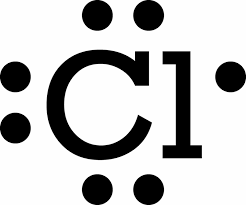
Which subatomic particle has a positive charge?
proton
neutron
electron
Which subatomic particle has a negative charge?
proton
neutron
electron
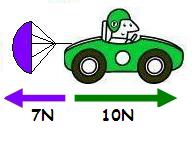
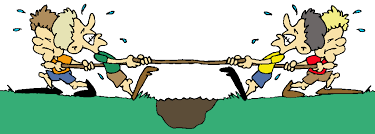
What is the net force?
3 N
3 N, right
17 N, right
3 N, left


Forces that have a net force of zero Newtons
Balanced force
Unbalanced force

Law of Conservation of Energy states that
energy always increases
energy always decreases
energy stays the same, but never changes form
energy is conserved
exothermic
increase in temperature
decrease in temperature
removes heat energy
absorbs heat energy
endothermic
increase in temperature
decrease in temperature
releases heat energy
adds heat energy

Which type of heat transfer is shown?
convection
conduction
radiation
stir frying

Which phase in the image is the LEAST DENSE?
Solid
Liquid
Gas

What type of heat transfer is shown here?
convection
conduction
radiation
sun shining

What type of heat transfer is shown here?
convection
conduction
radiation
boiling water
Is this an element or a compound? CaSO4
Element
Compound
Which subatomic particle has a negative charge?
proton
neutron
electron
Which subatomic particle has a positive charge?
proton
neutron
electron
Which subatomic particle has a neutral or no charge?
proton
neutron
electron
Holding a marble at the top of a ramp
Potential
Kinetic
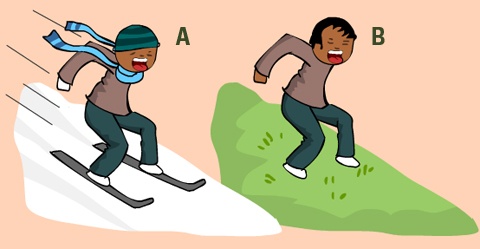

How could you increase the number of snowmen destroyed by the sled sliding down the hill?
Increase the starting kinetic energy of the sled.
Increase the mass of the sled.
all of the above
Increase the starting height of the sled.
What is the charge of an electron? *
Neutral
Negative
Positive
Which state of matter has a definite volume but no definite shape?
Plasma
Gas
Solid
Liquid
What is the atomic number of an element with 8 protons?
6
8
10
12

What type of wave is represented here?
Transverse Wave
Compression Wave
Sound Wave
Deep Wave
Tsunami
Which letter represents the wavelength?
A
B
C
D
E


When white light is diffracted we see a rainbow. Why is this?
The wavelengths become shorter as they get diffracted
Different wavelengths are diffracted at different angles
The white light is absorbed and the different colors are emitted

When a light wave hits these glasses, what may happen to it?
It is reflected
It is absorbed
It is transmitted
All of the above

Light refraction causes the straw to appear in a different position inside this cup of water. Which of the following are also examples of refraction?
Camera lenses
Rainbows after rain
Neon Lights
Eye glasses

Sound waves travel faster in solids than in gases (e.g. air)
TRUE
FALSE
How are electromagnetic waves different from other waves?
They have very short wavelengths
They transmit energy instead of matter
They can travel through empty space
They can change direction by reflection

As the frequency of an electromagnetic wave increases, the amount of energy in that wave...
increases.
stays the same.
decreases.

A girl turned the light off and went to bed. She remembered she had accidentally left her glass of ice water on the counter. When she got up the next morning, the ice had melted. What form of energy caused the ice to melt?
Sound energy
Light energy
Thermal energy
Mechanical energy

Which form of energy is produced when a guitar string vibrates?
Sound energy
Electrical energy
Chemical energy
Light energy

Food has which two types of energy stored inside of it?
kinetic
potential
light
chemical
sound
Rose makes a cup of hot tea. She places the cup
of tea on the kitchen table and waits for it to cool
off. When she picks up the cup a few minutes
later, she notices the kitchen table is warm where
the cup used to be. Which best explains the flow
of energy between the cup and the table?
Cold transferred from the table to the cup, and
heat was exchanged between both.
Heat transferred from the cup to the table to
warm the table.
Heat transferred from the cup to the table, and
cold was exchanged between both.
Cold transferred from the table to the cup to cool
the tea.
Identify the type of energy transformation that occurs when a bow is drawn and then released to shoot an arrow.
Chemical energy to kinetic energy
Elastic potential energy to kinetic energy
Gravitational potential energy to kinetic energy
Thermal energy to kinetic energy

Lighting a Match
Physical Change
Chemical Change
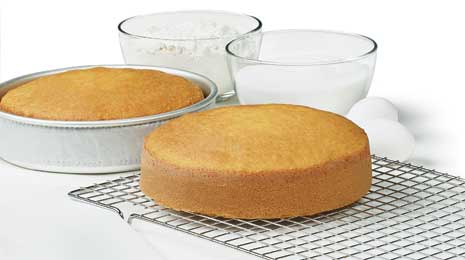

The light bulb converts electrical energy into light and _________.
chemical
electromagnetic
heat
nuclear

Within the alarm clock seen here, energy is transformed. It is time to get up! The alarm clock goes off. What are the energy transformations taking place in your alarm clock?
electrical to magnetic to sound
electrical to mechanical to sound
electrical to mechanical to light
chemical to electrical to mechanical
Carbon is a type of
Metal
Element
Nonmetal
Metalloid
What does malleable mean?
able to be hammered or rolled into sheets
will break easily
able to be pulled into a wire
is shiny


Which elements are to the right of the zig zag?
metals
nonmetals
metalloids
superconductors

Sulfur is considered:
malleable
brittle
ductile
a good conductor
Which of these was NOT a conductor?
sulfur
magnesium
zinc
aluminum


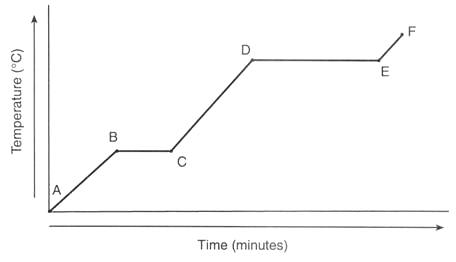


The slope of this graph shows the rate a substance heats up over time (or energy added). What does it mean that the slope of heating the liquid (water) is less than the slope for ice or steam? (Choose all correct answers.)
It means it takes more energy to increase the temp of water
It means it takes less energy increase the temp of water
It means the liquid heats up faster than the solid or gas
It means the liquid heats up slower than solid or gas.

The Statue of Liberty in New York City is made of copper. At first, the statue had a shiny copper color to it. Over the years, the copper turned green.
Which statement best describes why this happened?
The copper underwent a chemical change.
Workers painted the statue green.
Rain washed away the copper color.
The statue underwent a physical change.

Making Ice
Exothermic
Endothermic

Cooking an Egg
Exothermic
Endothermic

