Worksheets
Geoscience - Semester 2 Review
Total questions: 130
Worksheet time: 2hrs 13mins


Mercury,Saturn
Jupiter, Uranus, Neptune
Jupiter, Neptune,
Mercury,Saturn,
Uranus
Mars,Jupiter,
Saturn,Uranus
Neptune

This type of planet has the largest relative diameters.
Terrestrial
Jovian
They have the same relative diameters
There is no way to tell
This type of planet has the largest relative densities.
Terrestrial
Jovian
They have the same relative densities
There is no way to tell
This type of planet has the highest relative number of moons (natural satellites).
Terrestrial
Jovian
They have the same relative number of moons on average
There is no way to tell
This type of planet is found closer to the Sun.
Terrestrial
Jovian
They have the same relative distances from the Sun
There is no way to tell
This type of planet has the largest relative orbital periods.
Terrestrial
Jovian
They have the same relative orbital periods
There is no way to tell


Which of the following electromagnetic waves has the lowest energy?
infrared light
visible light
ultraviolet light
x-rays



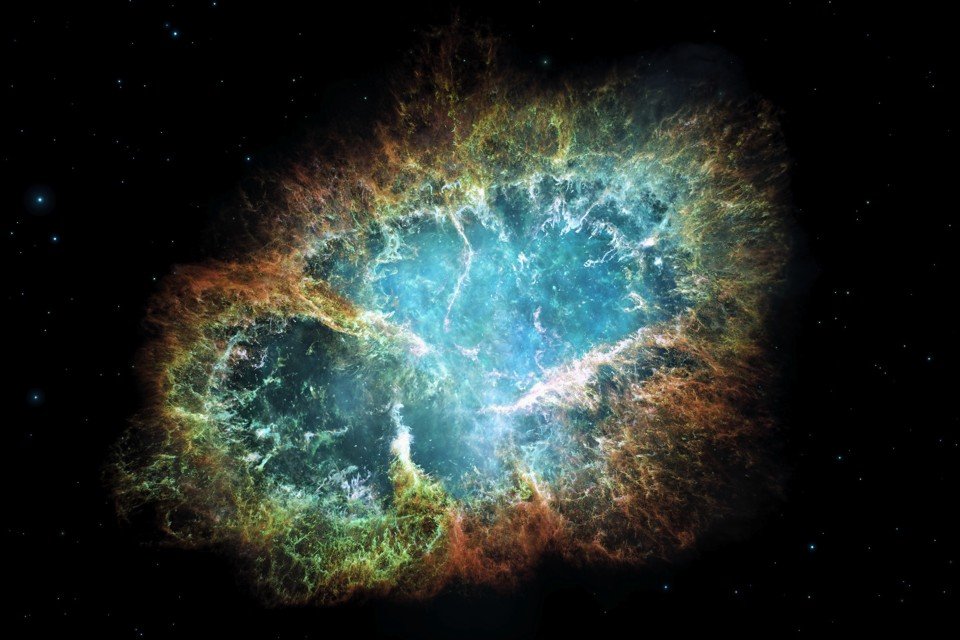
Large mass stars exist for a longer time than small mass stars.
True
False


How does air pressure change as you climb a mountain?
it decreases (less air pressure)
it increases (more air pressure)
stays the same
the temperature gets warmer
Which temperature of air weighs more?
warm
cold
In which temperature of air do the molecules spread out and take up more space?
cold
warm
What gas makes up the majority of the atmosphere?
oxygen
nitrogen
water vapor
carbon dioxide


What type of heat transfer takes place in liquids and gasses?
Conduction
Convection
Radiation
Thermal Equilibrium


Why does it rain more on the windward side of a mountain instead of the leeward side of the mountain?
Lower elevations have warmer temperatures that cannot hold as much moisture as cold air.
Lower elevations have colder temperatures that cannot hold as much moisture as warm air.
Higher elevations have warmer temperatures that cannot hold as much moisture as cold air.
Higher elevations have colder temperatures that cannot hold as much moisture as warm air.


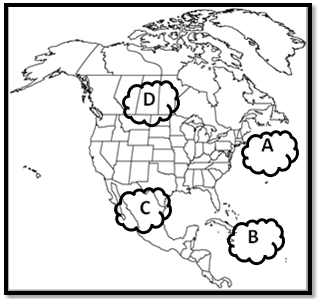
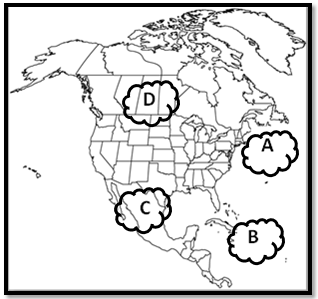
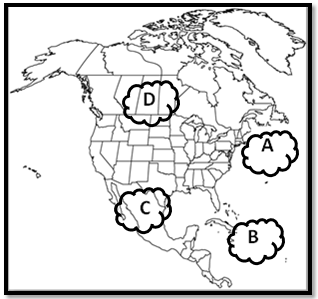
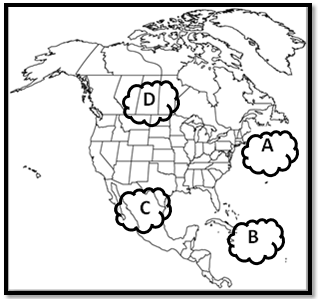
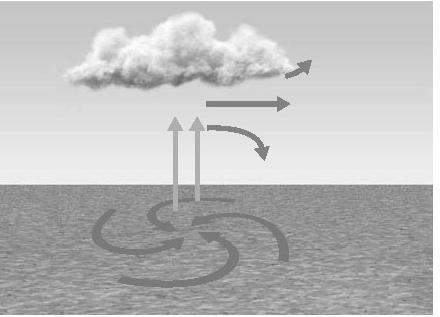
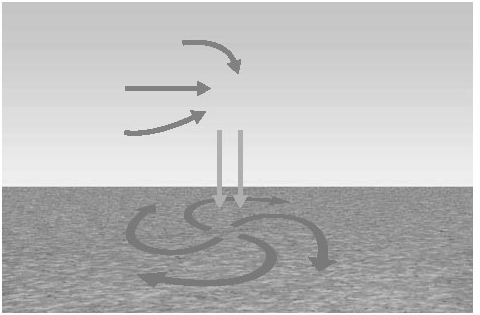
Should bring nice weather
Low pressure
Cold front
Warm front
High pressure

cold
stationary
warm
occluded

cold
stationary
occluded
warm

warm
cold
occluded
stationary

stationary
warm
cold
occluded