wayground logo

Free Printable Worksheets

NEW

Font size

S
M
L
XL
Worksheets

Final Exam Review

Total questions: 75

Worksheet time: 2hrs 30mins

Name
Class
Date
1.
All of the living and nonliving things in an area that interact with each other are called a/an ______.
a)
community
b)
habitat
c)
population
d)
ecosystem
2.
Organisms that look similar and can produce fertile offspring
a)
Species
b)
Fish
c)
Community
d)
Trees
3.
The animal species shown above would most likely be found wild in which of the following biomes?
a)
grassland
b)
temperate forest
c)
tropical rainforest
d)
arctic tundra
4.
An increase in the atmospheric levels of carbon dioxide (CO2) is the biggest contributor to which of the following?
a)
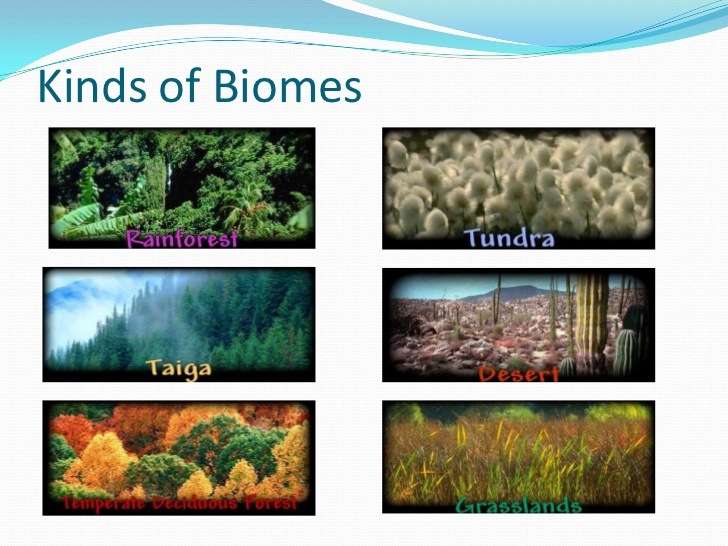
El Nino
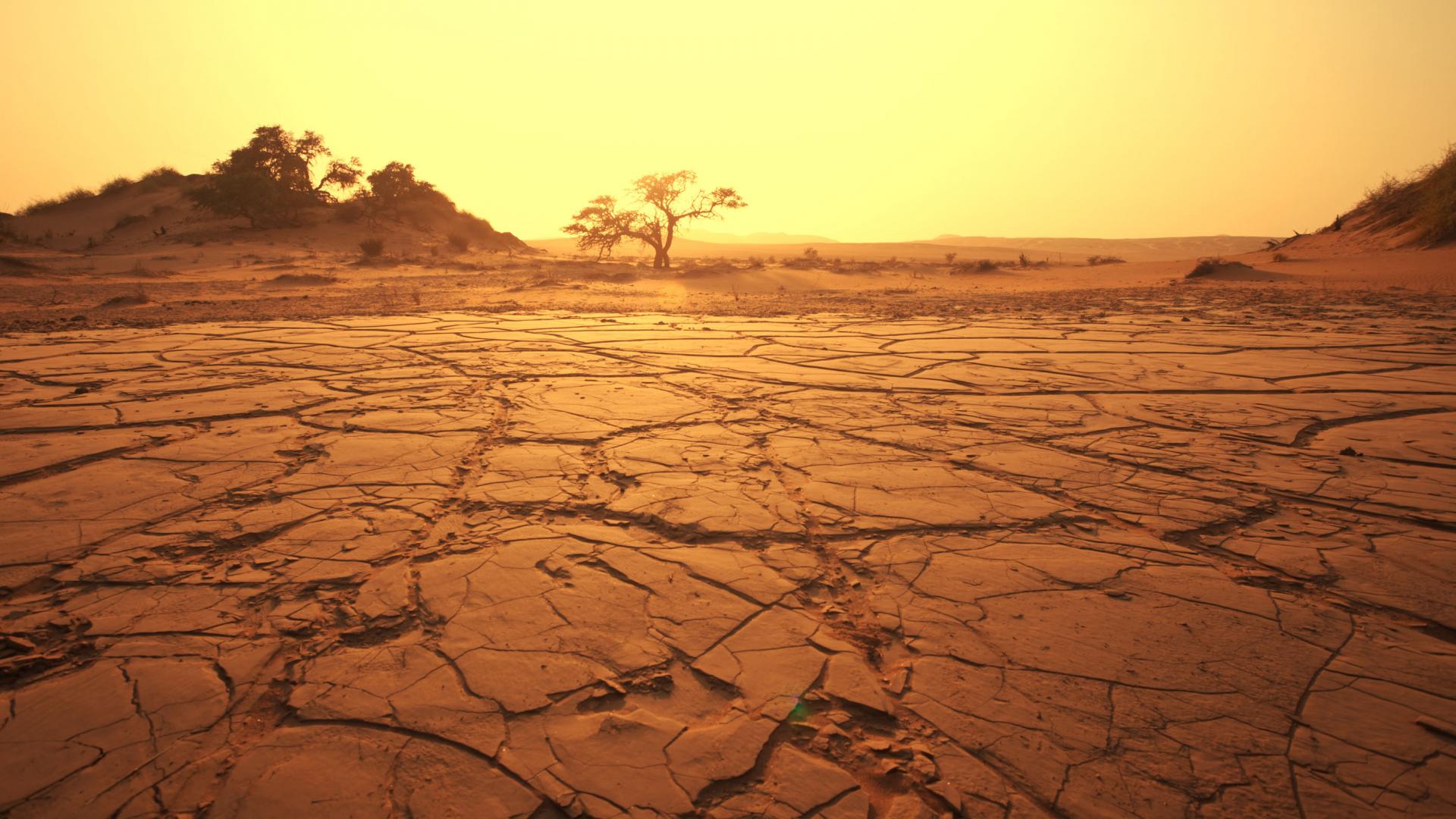
b)
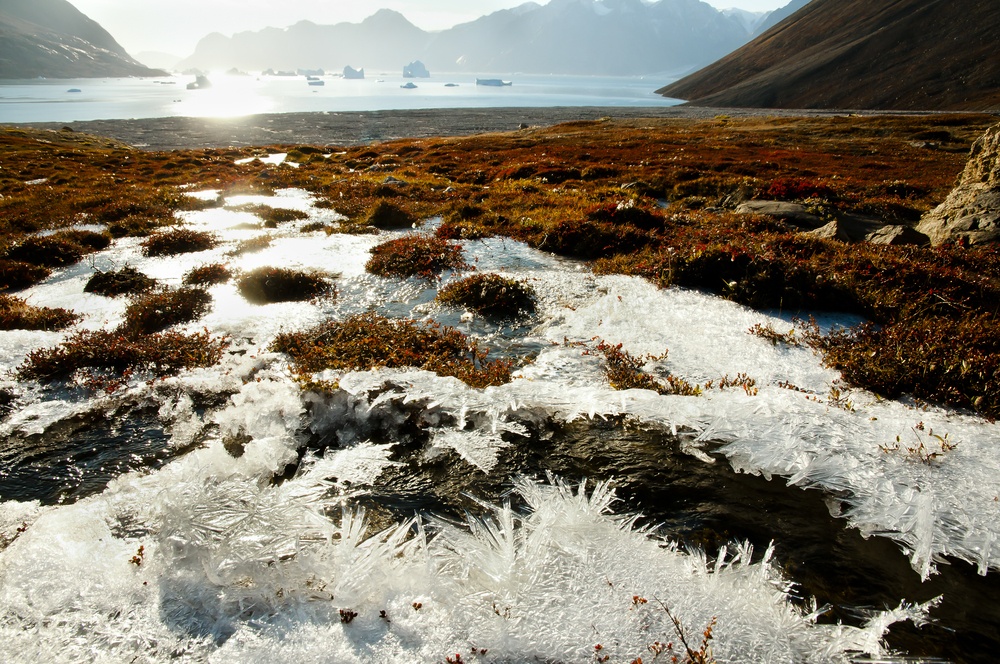
global warming
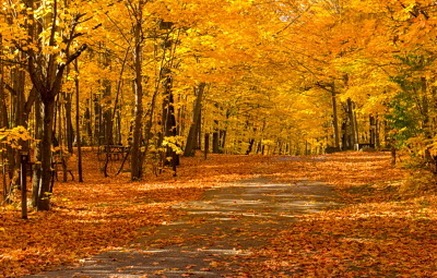
c)
wind storms
d)
ozone depletion
5.

Adaptations are:

a)

physical or behavioral tendencies.

b)

physical or behavioral characteristics that help an organisms survive and reproduce.

c)

physical or behavioral characteristics that do not help the organism in any way.

d)

genetic mutations that have gone wrong.

6.
The similarities of the bones in the diagram provide evidence that---
a)
The organisms shown lived in the same natural envionrment
b)
The organisms shown may have developed from a common ancestor
c)
The organisms shown have the same genetic diseases
d)
All vertebrate species have identical forelimbs
7.
The white feathers of a snowy owl allow it to blend in with its environment during the winter months (snow). This is an example of ________________
a)
Species
b)
Environmental Change
c)
Adaptation
d)
Variation
8.
The gradual change in species over time is...
a)
Evolution
b)
Nucleotide 
c)
Adaptation
d)
Natural Selection
9.
When an organism completely dies out, it is called.....
a)
Adaption
b)
Extinction
c)
Fossilization
d)
Mutation
10.

This is the disappearance of a particular population from a given area, but not the entire species globally.

a)

extinction

b)

extirpation

c)

evacuation

d)

evaluation

11.
What are the most studied animals in the galapagos?
a)
Finches
b)
Tortoises
c)
Turtles
d)
Lizards
12.
Mutations are a change in what?
a)
DNA
b)
tRNA
c)
genotype
d)
phenotype
13.

A group of individuals of the same species in the same area

a)

community

b)

species

c)

circus

d)

classroom

14.

A ______ __________ is an organism that would cause drastic changes to an ecosystem if removed.

a)

velociraptor hatchling

b)

Thanos clone

c)

keystone species

d)

trophic organism

15.

Primary consumers occupy trophic level ____.

a)

1

b)

2

c)

3

d)

4

16.

Factors that depend on the number of members in a population are called _______.

a)

density-dependent factors

b)

density-independent factors

c)

density-secluded factors

d)

non-dense factors

17.

Evolution requires _____ to occur.

a)

various species

b)

global warming

c)

speciation

d)

variation

18.
Who developed the system of naming organisms with 2 names?
a)
Mendel
b)
Hooke
c)
Watson and Crick
d)
Linnaeus
19.
The 8 levels of classification, largest to smallest.
a)
Species, Genus, Family, Order, Class, Phylum, Kingdom, Domain
b)
Genus, Species, Kingdom, Domain, Phylum, Family, Class, Order
c)
Domain, Kingdom, Phylum, Class, Order, Family, Genus, Species
20.
Which of the following organisms are LEAST closely related?
a)
organisms that share a domain
b)
organisms that share a family 
c)
organisms that share a genus 
d)
organisms that share a species 
21.
Cells that do not have a true nucleus are called....
a)
eukaryote
b)
prokaryote
c)
unicellular
d)
multicellular
22.
Which is true?
a)
The organisms in the animalia kingdom are heterotrophic
b)
The organisms in the animalia kingdom are autotrophic
c)
The organisms in the animalia kingdom are both autotrophic and heterotrophic
d)
Neither
23.
All living things are divided into three groups called 'domains'. They include, Domain Bacteria, Domain Archaea, and ____________.
a)
Domain Ikea
b)
Domain Eukarya
c)
Domain Romain (Lettuce-based organisms)
d)
Domain of Spain Rains only on the Plane!
24.

Canis lupus, the scientific name for a wolf, is in which genus?

a)

Canis

b)

lupus

c)

Animalia

d)

Mammalia

25.

What scientific name is written correctly?

a)

Quercus Alba

b)

Quercus alba

c)

quercus Alba

d)

quercus alba

26.

The scientist who created the modern classification system

a)

Carl Linnaeus

b)

Charles Darwin

c)

Jean Lamarck

d)

Justin Beiber

27.

An organism that can make its own food

a)

decomposer

b)

producer

c)

consumer

28.

Breaks down and feeds on the remains of other organisms

a)

decomposer

b)

consumer

c)

producer

29.

Small consumers that are hunted and eaten by larger consumers

a)

producer

b)

prey

c)

predator

30.

Interacting food chains found in an ecosystem

a)

food web

b)

food chain

c)

predator

31.

An animal that hunts and eats other animals for energy

a)

prey

b)

predator

c)

decomposer

32.

These organisms cannot make their own food; they must eat something for energy

a)

decomposer

b)

consumer

c)

producer

33.

NON-living things found in an ecosystem

a)

biotic

b)

abiotc

c)

habitat

34.

LIVING things in an ecosystem

a)

biotic

b)

abiotic

c)

ecosystem

35.

Choose the producer.

a)

rock

b)

tree

c)

cow

d)

bird

36.

Choose the decomposer.

a)

grass

b)

elephant

c)

bacteria

d)

bird

37.

Choose the consumer.

a)

mushroom

b)

horse

c)

tree

d)

grass

38.

Choose the abiotic factor.

a)

sunflower

b)

dog

c)

cat

d)

table

39.

Where does the food chain START?

a)

with consumers that eat grass

b)

with the sun giving energy to producers

c)

with the sun giving energy to consumers

d)

with consumers eating other consumers

40.

A decomposer is also a producer.

a)

True

b)

False

41.
Which is an example of parasitism?
a)
cat and mouse
b)
tadpole and frog
c)
human and tapeworm
d)
caterpillar and butterfly
42.
In the ocean, a sea anemone attaches itself to the shell of a hermit crab. The stinging arms of the sea anemone protect the hermit crab, while the movement of the hermit crab brings food to the sea anemone. Which best describes the relationship between the sea anemone and the hermit crab?
a)
commensalism
b)
mutualism
c)
parasitism
43.
A pride of lions stalks, tackles, and kills an antelope. Which is best being demonstrated?
a)
predation
b)
mutualism
c)
cooperation
44.
Which best represents the niche of phytoplankton and algae in a marine ecosystem?
a)
producers
b)
consumers
c)
scavengers
d)
decomposers
45.
Which demonstrates cooperation within an ecosystem?
a)
plants growing in a garden
b)
several wolves killing a moose for food
c)
hummingbirds pollinating trumpet flowers
46.
What would you find in a Terrestrial-Grassland?  Terrestrial means "dry land"
a)
Piranha 
b)
Polar bear
c)
Prairie dog
d)
Shark
47.
What would happen if something is missing from a food chain?
a)
Over population may occur or a decrease in the food source
b)
Nothing would happen.
c)
It would turn into a food web
d)
The ecosystem would be even stronger.
48.
What is the main factor that separates the biomes?
a)
Land
b)
Water
c)
Climate
d)
Longitude
49.
Which biome is the driest?
a)
Desert
b)
Tundra
c)
Taiga
d)
Rainforest
50.
Which Biome has permafrost?
a)
Temperate Forest
b)
Rainforest
c)
Taiga
d)
Tundra
51.
Which biome has deciduous trees (which lose their leaves)?
a)
Temperate Forest
b)
Rainforest
c)
Grasslands
d)
Taiga
52.
Which biome has coniferous trees (which don't lose their leaves)?
a)
Taiga
b)
Temperate Forest
c)
Tundra
d)
Grasslands
53.
Which biome has wide-open fields of grass?
a)
Taiga
b)
Grasslands
c)
Temperate Forest
d)
Rainforest
54.
Which biome has the most variety of plants and animals?
a)
Temperate Forest
b)
Rainforest
c)
Tundra
d)
Grasslands
55.
In which 2 biomes can only plants/animals with adaptations survive?
a)
Taiga/Temperate Forest
b)
Grasslands/Desert
c)
Tundra/Desert
d)
Rainforest/Tundra
56.
Which biome is home to jaguars, anacondas, leopards, gorillas, and poisonous tree frogs?
a)
Grasslands
b)
Temperate Forest
c)
Rainforest
d)
Tundra
57.
Which biome could an animal who hibernates in the winter to survive the cold live in?
a)
Grasslands
b)
Taiga
c)
Desert
d)
Rainforest
58.
In which biome does an organism have to be able to conserve water to survive?
a)
Rainforest
b)
Taiga
c)
Desert
d)
Temperate Forest
59.
Which definition best matches the term population density?
a)
human beings in general
b)
number of people in a particular area
c)
A measurement of people for a specific area
d)
All the inhabitants of a particular area
60.
Which definition best matches the term population?
a)
A measurement of people for a specific area
b)
All the inhabitants of a particular area
c)
human beings in general
d)
the increase in the number of people in a particular area
61.
Which is [likely to be] more densely populated?
a)
desert
b)
coast
62.
Which is [likely to be] more densely populated?
a)
temperate climate
b)
polar climate
63.
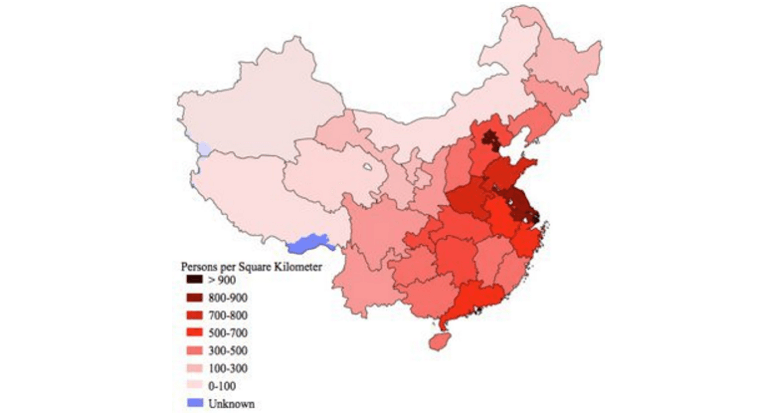
Which of these best explains the high population density in China's eastern region?
a)
The region is not capable of supporting large scale farming
b)
The region is close to the ocean and has favorable climate
c)
The region is home to the emperor 
d)
The region is located near active volcanoes
64.

If a population grows larger than its environmental carrying capacity, then

a)

death rate may rise.

b)

death rate may fall significantly.

c)

birth rate may rise significantly.

d)

immigration rate may increase.

65.

What does the term carrying capacity describe?

a)

The maximum number of birth rates for a population.

b)

The ability of a population to accept new immigrants.

c)

The ratio of birth rates to death rates in a population.

d)

The population size that the environment can sustain.

66.
Natural disasters such as flooding and tornadoes are linked to ________________.
a)
primary
b)
secondary
c)
old field
d)
ecosystem
67.
How do lichens contribute to primary succession?
a)
Lichens decompose organic matter from animals and plants
b)
Lichens begin to break down rock to form soil
c)
Lichens are nitrogen fixing bacteria
d)
Lichens convert carbohydrates into fossil fuels.
68.
What is formed during primary succession that doesn't need to be formed during secondary succession?
a)
pioneer species
b)
soil
c)
climax community
d)
lichens
69.
What type of succession is shown going from figure A to figure B?
a)
primary succession
b)
eutrophication
c)
secondary succession
d)
intermediate
70.
Which catastrophic event will most likely have the effect of returning an ecosystem to primary succession?
a)
A tornado
b)
A volcanic eruption
c)
A flood
d)
A drought
71.
starts with bare rock followed by lichen
a)
primary succession 
b)
secondary succession
c)
both types of succession
72.
In this energy pyramid, which organisms have the most energy available?
a)
Producers
b)
Carnivores
c)
Herbivores
d)
Top Predator
73.
In an ecological pyramid, which type of organism always has the least amount of energy available?
a)
Producers
b)
Herbivores
c)
Carnivores
d)
Top Predator
74.
If there are 100 Kcal of energy available in the producers, how much energy would be available in the herbivores?
a)
10 Kcal
b)
1 Kcal
c)
100 Kcal
d)
1000 Kcal
75.
Only about ten percent of the energy stored in an organism can be passed on to the next trophic level. Of the remaining energy, some is used for the organism’s life processes, and the rest is typically
a)
used in reproduction
b)
stored as body fat
c)
stored as body tissues
d)
converted to heat and lost