wayground logo

Free Printable Worksheets

NEW

Font size

S
M
L
XL
Worksheets

Body Systems

Total questions: 58

Worksheet time: 39mins
Name
Class
Date
1.
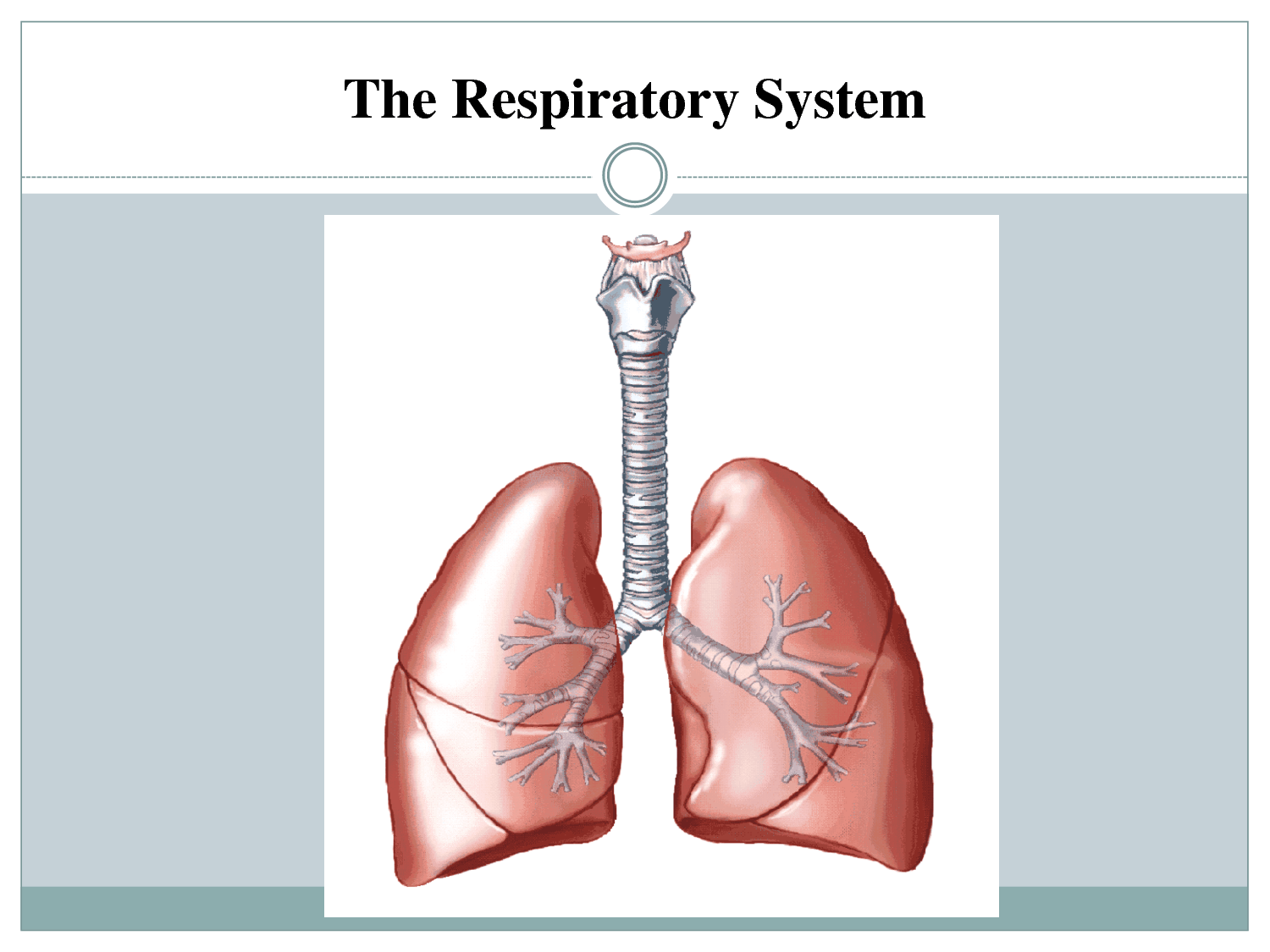
The system of the body that brings oxygen into the body and releases carbon dioxide.
a)
respiratory​ ​system​
b)
skeletal system
c)
muscular system
d)
circulatory system
2.
Organs of the respiratory system that bring oxygen-rich air into​ ​the body and send oxygen-poor air out of the body.
a)
heart
b)
muscles
c)
lungs
d)
bones
3.
A wide muscle that separates the chest cavity from the abdominal cavity and aids in the inflation of the lungs.
a)
diaphragm​
b)
heart
c)
nose
d)
trachea
4.
The beginning point of the respiratory system where air is taken into the body.
a)
lung
b)
diaphragm​
c)
nose​
d)
trachea​
5.

What is the main function of the respiratory system?

a)

to provide oxygen and remove carbon dioxide from the body

b)

o break down food and absorb nutrients

c)

to remove oxygen from the body and deliver carbon dioxide
6.
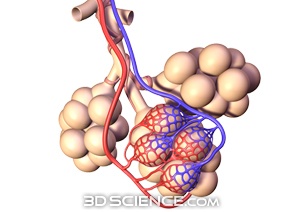
When you breathe, your lungs take in ___ and remove ___. 
a)
air/oxygen
b)
oxygen/carbon dioxide 
c)
carbon dioxide/waste 
d)
waste/air 
7.
Inhale!!!!
Your lungs are ___________  air
a)
taking in
b)
letting out
8.
EXHALE!!!
My lungs are __________________ air. 
a)
taking in
b)
letting out
9.

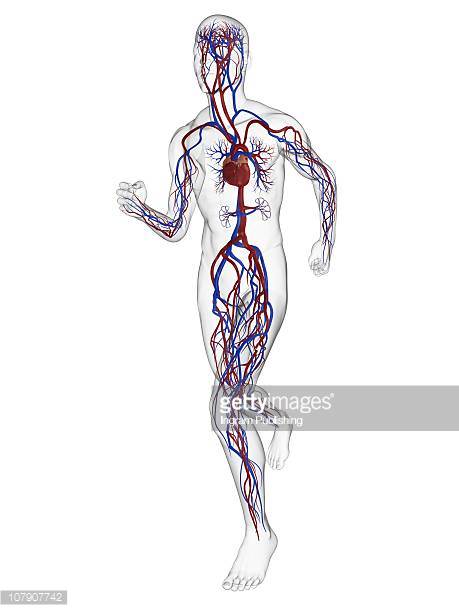
What is the main organ of the circulatory system?

a)

small intestine

b)

bone

c)

lungs

d)

heart

10.

The job of the heart is to . . .

a)

pump blood around the body.

b)

send food to the small intestines.

c)

break down food.

d)

give energy to the body.

11.

The heart is about the size and shape of your . . .

a)

head

b)

fist

c)

hand

d)

foot

12.
The circulatory system works with the ___________ system to provide our body with oxygen.
a)
respiratory
b)
digestive
c)
muscular
d)
skeletal
13.
Which is responsible for providing oxygen to cells?
a)
respiratory system
b)
circulatory system
c)
muscular system
d)
nervous system
14.
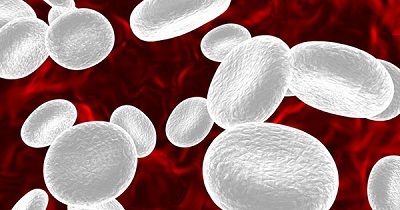
The cells in the blood that help fight germs and illnesses are the...
a)
red blood cells
b)
platelets
c)
white blood cells
d)
axons
15.
The circulatory system works with the __________ system to obtain energy from nutrients that we eat. 
a)
respiratory 
b)
digestive
c)
skeletal
d)
nervous
16.
The process by which the body breaks down food so that it can be used for energy.
a)
composition
b)
digestion
c)
deposition
d)
absorption
17.
The muscular organ in the body where chemical and mechanical digestion take place.
a)
pancreas
b)
liver
c)
stomach
d)
esophagus
18.
A muscular tube that helps move food from the mouth to the stomach.
a)
esophagus
b)
trachaea
c)
small intestine
d)
gall bladder
19.
Which organ system includes the esophagus, pancreas, and large intestine?
a)
digestive
b)
excretory
c)
integumentary
d)
lymphatic
20.
Mouth to stomach to intestines.  What system helps the digestive system move food until it becomes waste?
a)
circulatory
b)
immune
c)
muscular
d)
skeletal
21.

Which system is responsible for creating red blood cells?

a)

skeletal

b)

muscular

c)

respiratory

d)

nervous

22.

Which of the following best describes the job of the skeletal system?

a)

Gives shape and support to the body.

b)

Sends messages from the stomach to the brain.

c)

Brings in and breaks down all nutrients for the body

23.

Which system of the human body provides protection to most of the major organs?

a)

skeletal system

b)

circulatory system

c)

respiratory system

d)

muscular system

24.

This is at the end of a bone, cushions/tough

a)

cartilage

b)

tendon

c)

ligament

25.

This attaches bone to bone

a)

cartilage

b)

tendon

c)

ligament

26.

How many bones are in an adult body?

a)

106

b)

206

c)

306

d)

406

27.

What is a joint?

a)

The place where 2 or more bones meet.

b)

A thin membrane that covers the surface of bone.

c)

A band of tissue that hold bones together.

d)

Connective tissue

28.

Which system is responsible for the overall control of all the internal processes that occur in the body?

a)

muscular system

b)

nervous system

c)

digestive system

d)

skeletal system

29.
The ________ is a rope-like bundle of nerves. It is also the main pathway for information.
a)
Nerves
b)
Spinal Cord
c)
Brain
30.
The _______ send and receive messages from the brain.
a)
Nerves
b)
Spinal Cord
c)
Brain
31.
The _____ controls all the other organs, and processes all the information. 
a)
Nerves
b)
Spinal Cord
c)
Brain
32.
Movements that you choose to control
a)
Cramp
b)
Voluntary
c)
Strain
d)
Involuntary
33.
Movements that you cannot control
a)
Strain
b)
Sprain
c)
Voluntary
d)
Involuntary
34.
The most important muscle in the body is the
a)
Bicep
b)
Heart
c)
Tricep
d)
Hamstring
35.
These muscles are attached to your bones
a)
Skeletal
b)
Smooth
c)
Rough
d)
Cardiac
36.
These muscles are found in your organs
a)
Skeletal
b)
Smooth
c)
Rough
d)
Cardiac
37.
The main purpose of the muscular system is to....
a)
Keep the heart beating
b)
Move the body
c)
Hit the dab
d)
Transfer oxygen
38.
What is the top layer of the skin called?
a)
Dermis
b)
Hypodermis
c)
Epidermis
d)
Subcutaneous
39.
What is the largest organ in the human body?
a)
Skin
b)
Hair
c)
Nails
d)
All of the Above 
40.
This function of the skin allows  the body to retain or lose heat.
a)
body temperature regulation
b)
storage
c)
excretion
d)
absorption
41.
The main function(s) of the skin is to:___________
a)
hold in water
b)
protect from infection
c)
provide the sense of touch
d)
All of the above
42.
What do scientists call bacteria and viruses that can make people sick?  
a)
diseases
b)
vaccines
c)
antibodies
d)
pathogens
43.
Antibiotics work against most
a)
Bacteria
b)
Bacteria & Viruses
c)
Vaccines
d)
Viruses
44.
What is the Immune system?
a)
 The body's defense system
b)
A system that gives support and structure 
c)
A system that helps you breathe
d)
None of the above
45.

The immune system works with all of the following system EXCEPT...

a)

the integumentary

b)

the lymphatic

c)

the muscular

d)

the cardiovascular

46.

The player who stays by the net is called a _____________.

a)

forward

b)

goalie

c)

captain

d)

defender

47.

Goalies can use their ______

a)

ears

b)

toes

c)

hands

48.

When the players kick the ball in the net they score a ______.

a)

basket

b)

run

c)

touchdown

d)

goal

49.

What is the only way to serve?

a)

overhand

b)

underhand

c)

sidearm

d)

none of the above

50.

How many times may a team hit the ball to get it over the net?

a)

1

b)

2

c)

3

d)

4

51.

What sport is nitro ball similar to?

a)

basketball

b)

floor hockey

c)

volleyball

d)

soccer

52.

In order to hit the ball you must...

a)

call it.

b)

wait for the ball to bounce.

c)

turn around 2 times.

d)

jump up and down.

53.

If the ball hits the net and goes over during the rally or serve you must...

a)

play it.

b)

let it go and take your point.

c)

it's out of bounds.

d)

none of the above.

54.

If the ball is on the line it is counted as...

a)

out of bounds.

b)

a re-do.

c)

in bounds.

d)

none of the above.

55.

A nitro ball game is played to how many points?

a)

21

b)

22

c)

23

d)

24

56.

How many points do you need to win by?

a)

4

b)

3

c)

2

d)

1

57.

You don't use this part of your foot in soccer?

a)

toes

b)

inside

c)

outside

d)

top

58.

Only the goalie can use their hands.

a)

true

b)

false