
 Worksheets
Natural Selection and Evolution
Total questions: 50
Worksheet time: 59mins
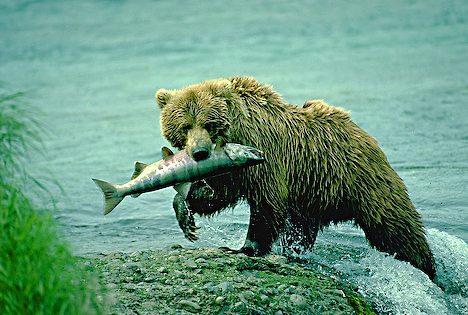
A grizzly bear survives because he is well-adapted to his environment. When he reproduces he passes on those traits to his offspring. this process is called
Natural Selection
Selective Breeding
Random mutations
Variations in a species

The peppered moth's color camouflaged it on the light colored tree bark. It's color was an example of a/n
Variation
Dominant trait
Recessive trait
Adaptation

Where are hereditary traits stored in all organisms?
In the blood
In the brain
In the DNA
In the heart

If a sick person takes an antibiotic but it doesn't kill all of the bacteria causing the sickness, what might explain this?
Variations in the bacteria allowed some organisms to be less affected by the antibiotic?
Bacteria cannot be killed by antibiotics
You cannot cure a bacterial infection
Bacteria do not cause sicknesses

Changes in inherited characteristics can cause a species to change into a new one. This change over time is called?
Graduation
Selective Breeding
Revolution
Evolution

One female salmon can lay hundreds of eggs. Why doesn't the salmon population increase dramatically?
Salmon reproduce asexually
Most offspring do not grow up to reproduce
Salmon eggs don't hatch
Salmon are extinct
Heredity is:
Survival of the fittest
The passing of genetic traits from parent to offspring
Believing in false gods
Unexplained

The male and female black widow spider look very different. However, we know they are the same species because:
They reproduce creating fertile offspring
They reproduce creating infertile offspring
They cannot reproduce
They are not the same species
Mutations can benefit humans because they can:
Cause illness
Make an organism more suited to live in its environment.
Make organisms live shorter lives
Cause organisms to grow extra limbs.
A mutation can occur if a base pair is ____________, deleted, or substituted for another.
modified
added
transferred
ATTTGAGCC- Original
ATTGAGCC - Mutated
The example above is an example of a
Insertion
Point mutation
Deletion
Substitution
Mutations are SOMETIMES helpful to the organism.
true
false
Mutations are random.
True
False
True or false, mutations create genetic diversity?
True
False

Evolution is best defined as:
the process which organisms die.
the process which organisms change over time.
the process which organisms that are extinct become revived.
the process which non-living things fossilize.

Adaptations are:
physical or behavioral tendencies.
physical or behavioral characteristics that help an organisms survive and reproduce.
physical or behavioral characteristics that do not help the organism in any way.
genetic mutations that have gone wrong.

A species is defined as:
a group of organisms that are extremely different.
a group of organisms that have similar characteristics and always live in the same place.
a group of organisms with similar characteristics and can reproduce to make fertile offspring.
any two organisms to make a hybrid.
Humans evolved from apes
true
false
humans share a common ancestor with apes
true
false
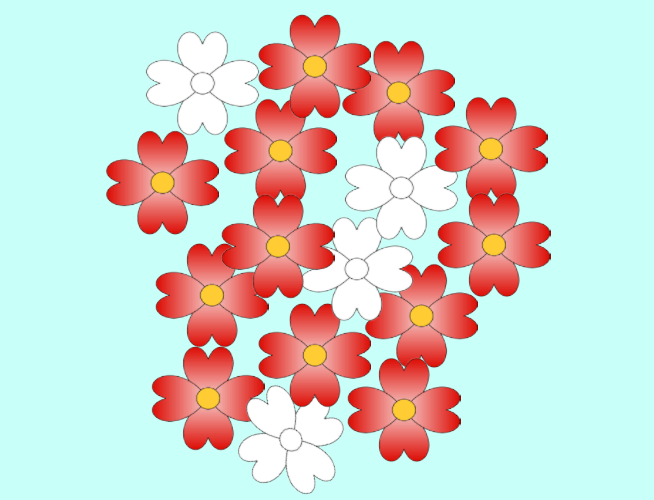
The frequency that single genes (alleles) for a trait appear in a population.
Genome
Gene frequency
Genetic Drift
Population Frequency
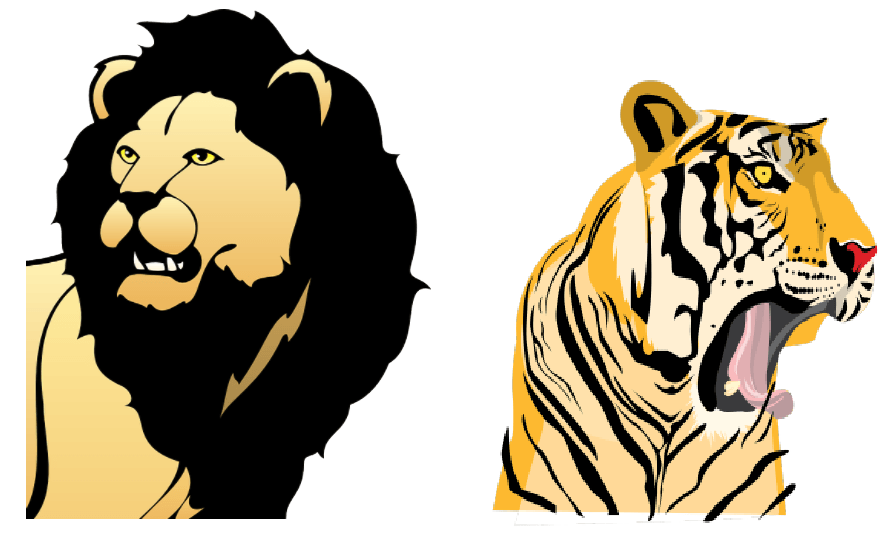
Organisms of the same species can no longer interbreed therefore creating two species.
Gene Pool
Genetic Drift
Gene Frequency
Speciation
ABC-DEF
mutated chromosome
AC-DEF
This is a _____________ mutation.
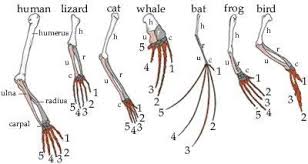
Some organisms that share a common ancestor have features that have different functions, but similar structures. These are known as
vestigial structures
analogous structures
homologous structures
embryology
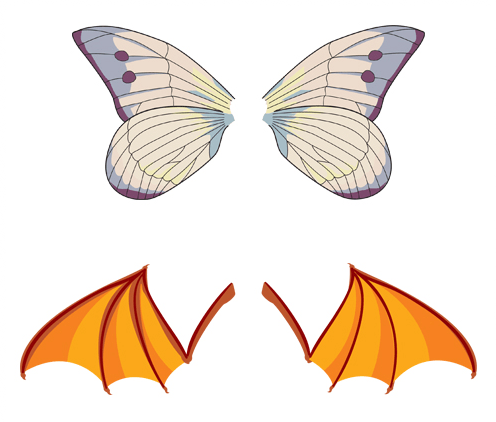
What is this an example of?
Homologous structure
Analogous structure
Vestigial organs
Functional adaption
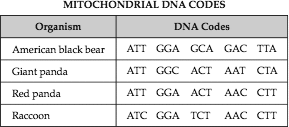
What conclusions can be made based on this table shown?
the American black bear and the giant panda are most closely related
the giant panda and the red panda are most closely related
the red panda and the racoon are the most closely related
the giant panda and the racoon are most closely related


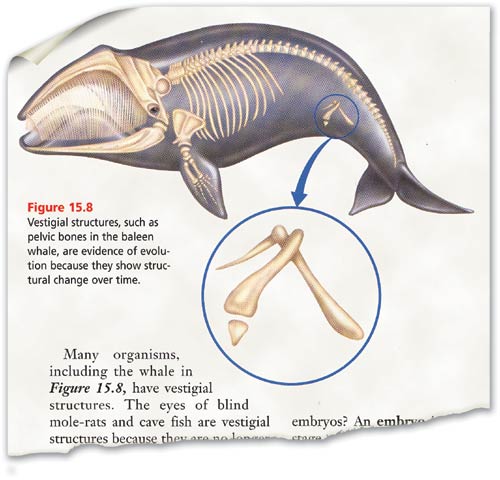
What type of evidence is represented in the picture above:
Fossils
Vestigial Structures
DNA
Homologous Structures


Body parts similar in structure and origin
evolution
embryology
homologous
variation
What conclusion can you draw from the fact that many modern whale species have vestigial pelvic and leg bones?
The ancestors of whales may have been land mammals
Whales could walk if they wanted to
Whales are preparing to evolve into land animals
Someday whales will be able to walk and will have legs

How can a person's muscle cells have the same exact DNA sequences as their nerve cells even though the look and perform completely different?
The two different cells become mutated
The proteins expressed in each cell are different
They actually have different DNA in the two types of cells.
The genome of the different cells changes
1. How do gene mutations contribute to evolution?
Beneficial mutations are passed on to several members of a generation, quickly taking hold in a population.
Unfavorable mutations have a more significant effect on genes than do favorable mutations, so they are spread through the population.
Natural selection favors beneficial mutations, so they survive and are passed on to future generations.
Beneficial and unfavorable mutations take hold in the population equally over numerous generations.
which of the following are ways in which a gene can be regulated transcriptionally
acetylation of DNA
methylation of DNA
poly-A tails
attach a phosphate group to a protein
RNA interference
adding acetyl groups to ___ will turn a gene __
DNA, off
DNA, on
Histone, on
Histone, off
adding methyl groups to ___ will turn a gene ___
cytosine bases on histones, on
cytosine bases on DNA, off
cytosine bass on DNA, on
cytosine bases on histones, off

