wayground logo

Free Printable Worksheets

Font size

S
M
L
XL
Worksheets

????

Total questions: 130

Worksheet time: 1hrs 5mins

Name
Class
Date
1.
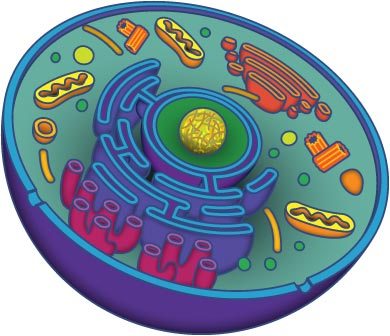
also known as the "powerhouse" 
a)
cell membrane
b)
storage
c)
cytoskeleton
d)
mitochondria
2.
Robert Hooke, Anton van Leeuwenhoek, Theodor Schwann, Rudolf Virchow, and Matthias Schliden were all responsible for what theory?
a)
The Theory of Gravity
b)
The Theory of Relativity
c)
The Cell Theory
d)
The Theory of Continental Drift
3.
the photosynthesis equation is
a)
6CO2+6H2O+sunlight~C6H12O6+6O2
b)
nothing
c)
H2O
d)
CO2
4.
The first part of the Cell Theory states: "What happens in Cell Theory, stay in Cell Theory."
a)
True
b)
False
c)
I don't know
d)
Ummmm
5.
All cells come from___________ cells.
a)
pregnant
b)
pre-existing
c)
paternal
d)
pin size
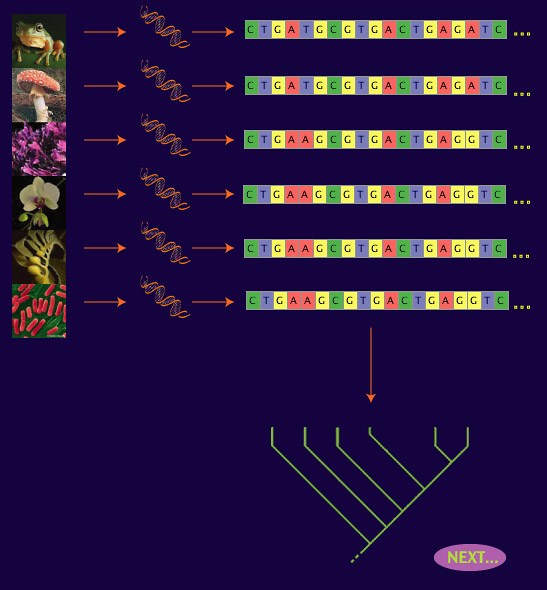
6.
what is the control center in a cell
a)
mitochondria
b)
DNA
c)
nucleus
d)
movement
7.
What would happen to the plant cell without the chloroplasts?
a)
There wouldn't be an organelle that performs photosynthesis
b)
There wouldn't be an organelle that serves as the resevoir for water and waste
c)
There wouldn't be an organelle that regulates what comes in and out of the cell
d)
They wouldn't be an organelle that makes necesary proteins
8.
What do all of these organisms have in common?
a)
They all have uniform offspring
b)
They are all made of cells
c)
They possess the same features
d)
They have the same internal and external structures
9.
According to cell theory, where did this cell come from?
a)
another living cell
b)
energy from sun
c)
a multicellular organism
d)
the nonliving environment
10.
What tool do you use to view the cells?
a)
metric ruler
b)
centrifuge
c)
microscope
d)
pipette
11.
Which of the following is NOT a cell theory.
a)
All non-living things are made of cells
b)
All cells come from pre-existing cells
c)
Cells are the basic unit of structure and function of all living things
12.
All living things are made up of...
a)
cells
b)
cell tissues
c)
organ
d)
organ systems
13.
All cells are produced ____________.
a)
from nothing
b)
from other cells
14.
An organism made of one cell is called
a)
unicellular
b)
multicellular
15.
Chloroplasts carry out...
a)
Phagocytocis
b)
Phylocytosis
c)
Photosynthesis
d)
Respiration
16.
Controls what enters and leaves the cell
a)
Mitochondria
b)
Cell Membrane
c)
Cell Wall
d)
Nucleus
17.
Stores food and water for the cell.
a)
Cytoplasm
b)
Cell Wall
c)
Vacuole
d)
Nucleus
18.
What is the fluid inside a cell called? 
a)
Endoplasimic Reticulum
b)
Orange Juice
c)
Water
d)
Cytoplasm
19.
This organelle helps plants keep their rigid structure. 
a)
Cell wall
b)
Cell membrane
c)
Chloroplast
d)
Nucleus
20.
This is a double layer of phospholipids that creates a barrier between the cells internal and external environments; it controls what comes in or out of the cell (selective permeable)
a)
Nucleus
b)
Cilia
c)
Cell membrane
d)
Flagella
21.
Which of the following is the smallest unit of life that can carry out all life functions?
a)
the mitochondria
b)
the vacuoles
c)
the nucleus
d)
the cell
22.
Which structures are found in every living cell?
a)
cell membrane and cytoplasm
b)
chloroplasts and mitochondria
c)
a cell wall and nucleus
d)
chloroplasts and cell wall
23.
Which of the following is the smallest unit of life that can carry out all life functions?
a)
the mitochondria
b)
the vacuoles
c)
the nucleus
d)
the cell
24.
Cell organelles that are responsible for digesting food, worn out organelles and other cellular wastes are called ___________________.
a)
Mitochondria
b)
Vacuoles
c)
Lysosomes
d)
Chlororplasts
25.
What is one basic function of the vacuoles?
a)
circulating oxygen
b)
producing food
c)
controlling cell processes
d)
storing water
26.
What is the function of the cell nucleus found in both plant and animal cells?
a)
to produce energy
b)
to control cell activity
c)
to remove waste products
d)
to allow molecules to enter the cell
27.
Chloroplasts in plant cells allow the plant to perform a function that animal cells cannot do.  What is the main function of the chloroplasts found in plant cells?
a)
to absorb light energy and manufacture food
b)
to remove waste materials by active transport
c)
to manufacture chemical energy from food
d)
to control the shape of the cell
28.
Plant cells have these but animal cells do not. 
a)
Nucleus and cell mem
b)
cell membrane and cell wa
c)
chloroplast and cell wall
d)
Chloroplasts and mitochondria
29.

Why did Robert Hooke give the cell its name?

a)

He didnt they were already named that

b)

Because they looked like the tiny rooms

c)

Because they looked like the tiny rooms of that day almost like a jail cell.

30.

Telescopes are scientific instruments you use to see objects close up

a)

True

b)

False

c)

Just gonna pick this answer but hey at least I tried and please dont be mad at me Mr. G I havent learn this yet but hey here it goes.

31.

This greek philosopher is responsible for the first system of animals and plants

a)

Plato

b)

Aristotle

c)

Hercules

32.
Genotype refers to the ...
a)
physical expression of the genes
b)
the possible combination of alleles in a gene
c)
whether an allele is dominant or recessive
d)
how an organism will appear
33.
Which of the following is a phenotype?
a)
BB
b)
Bb
c)
bb
d)
Blue eyes
34.
Squidward has light blue skin, and his genotype for this trait is Bb. Would Squidward be considered a purebred or hybrid for light blue skin?
a)
Purebred
b)
Hybrid
35.
An offspring will receive how many alleles from each parent to determine a specific trait?
a)
one
b)
two
c)
three
d)
five
36.
What is a phenotype
a)
The genetic make up (code)
b)
The physical trait
37.
the passing of genetic traits from parent to offspring.
a)
heredity
b)
trait
c)
gene
d)
allele
38.
having two of the same genes for the trait (sometimes called purebred).
a)
homozygous
b)
hetrozygous
c)
protein
d)
chromosome
39.
having two different genes for a trait (sometimes called hybrid).
a)
protein
b)
homozygous
c)
heterozygous
d)
genotype
40.
G = green, g = yellow
The genotype for a yellow plant is...
a)
GG
b)
Gg
c)
gg
d)
all of the choices result in yellow
41.
An allele whose trait only shows up when no dominant allele is present.
a)
hidden allele
b)
dominant allele
c)
recessive allele
d)
present allele
42.

Melanin absorbs ultraviolet radiation in sunlight, preventing it from causing mutations in the DNA of skin cells and other damaging effects.

a)

True

b)

False

43.

the outer layer of the skin is called

a)

dermis

b)

subcutaneous layer

c)

epidermis

d)

organ

44.

A brownish black pigment is called pheomelanin

a)

true

b)

false

45.

Nails are protective coverings on the ends of the fingers and toes

a)

true

b)

false

46.

What does not make up the integumentary system ?

a)

skin

b)

nails

c)

glands

d)

bones

47.
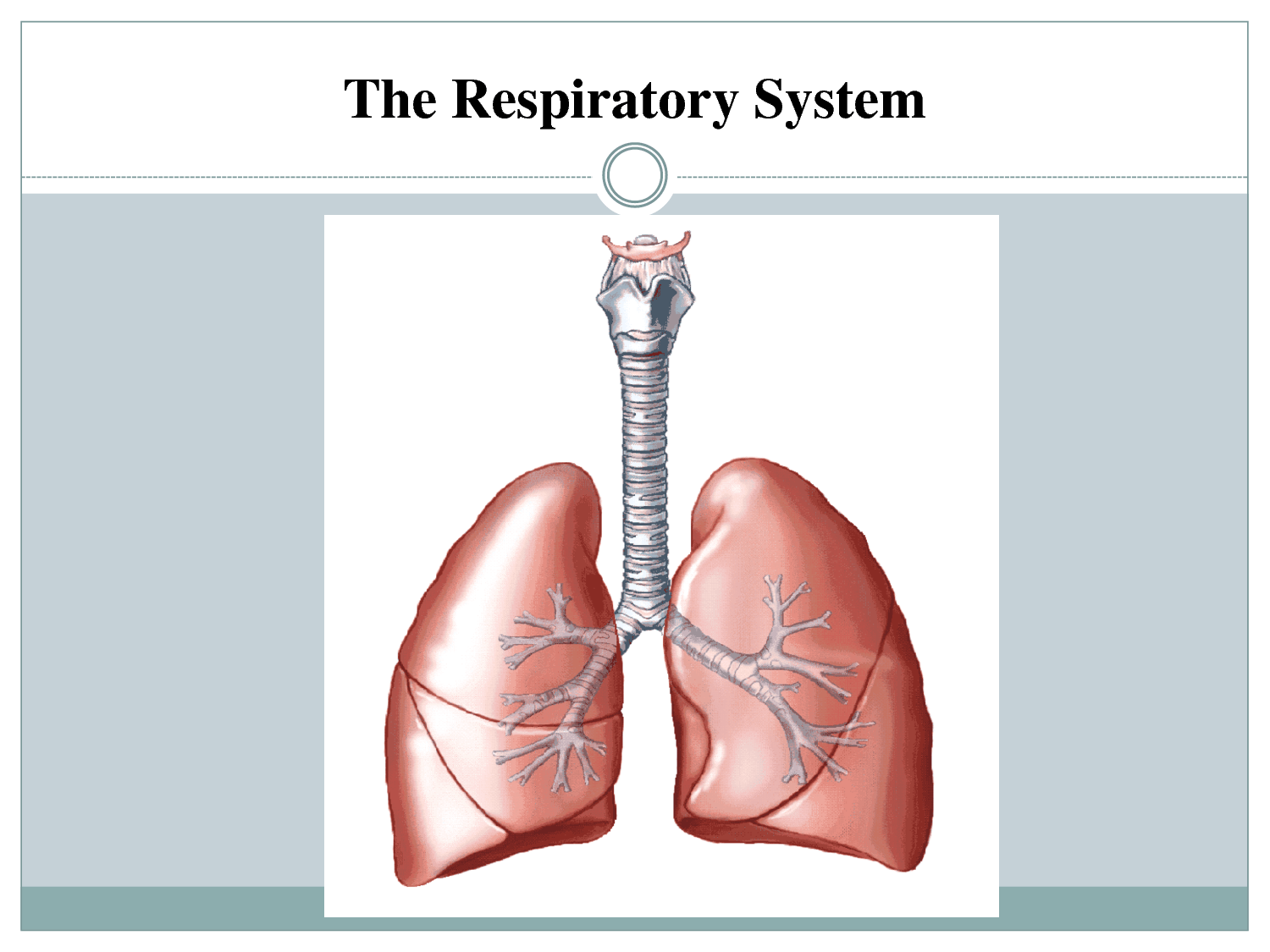
What is the main function of the respiratory system?
a)
to provide oxygen and remove carbon dioxide from the body
b)
to bring oxygen to the body
c)
to break down food and absorb nutrients
d)
to remove oxygen from the body and deliver carbon dioxide
48.
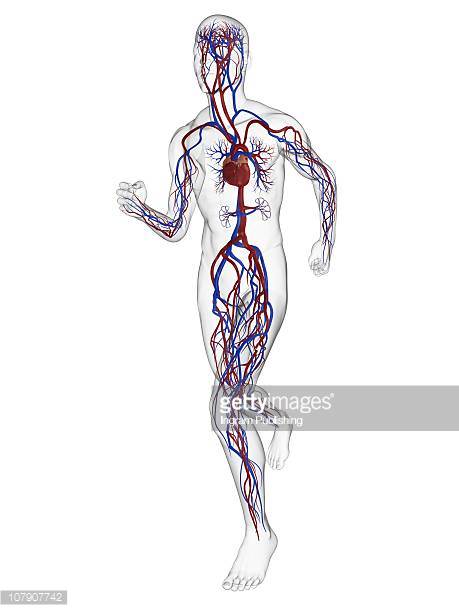
Which is the correct definition of the Circulatory system?
a)
The system fights disease so the body stays healthy.
b)
The system that circulates blood and oxygen through the body, consisting of the heart,blood vessels,and blood.
c)
Breaks down food into smaller pieces and absorbs those nutrients into the body.
d)
Provides shape and structure for the body.
49.
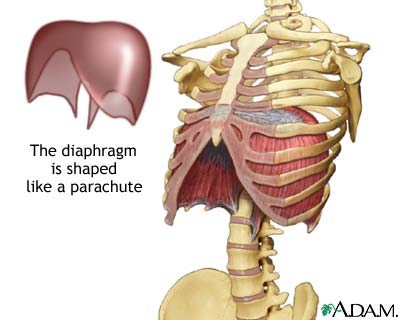
What is function of the dome-shaped diaphragm?
a)
This is where gas exchange happens.
b)
Air passes through the diaphragm on the way to the lungs.
c)
It attaches to the lungs to help in breathing.
d)
It is under the lungs and keeps them from falling down to your stomach.
50.

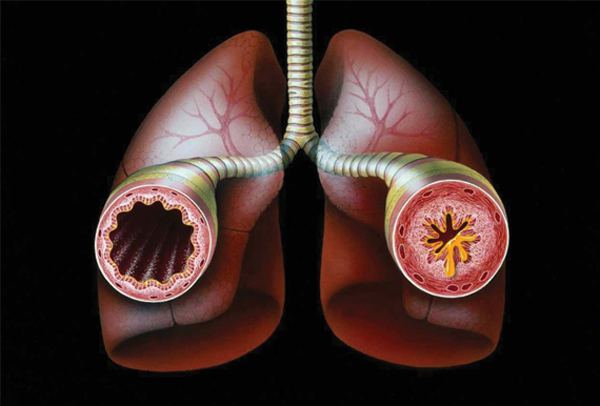
A disorder of the lungs called ____ causes the bronchi to become restricted (get smaller) so air can't get to the lungs.

a)

asthma

b)

cold

c)

influenza

d)

bronchitis

51.
The chewing and grinding of food into smaller pieces is an example of...
a)
Mechanical Digestion
b)
Chemical Digestion
52.
Bile is made by which digestive organ?
a)
Gallbladder
b)
Stomach
c)
Rectum
d)
Liver
53.
Which organ pushes food down to the stomach?
a)
Mouth
b)
Esophagus
c)
Rectum
d)
Large intestine
54.
Which body system gets ride of solid waste?
a)
Excretory (Urinary)
b)
Digestive
c)
Circulatory
d)
Respiratory
55.
The opening at the end of the digestive system where solid waste comes out is the...
a)
rectum
b)
anus
c)
mouth
d)
large intestine
56.
Which excretory organ filters the blood to remove excess water, urea, and cell wastes?
a)
Kidney
b)
Bladder
c)
Urethra
d)
Ureters
57.
The ____ is a sac-like muscular organ that stores urine until it is ready to be released from the body
a)
Stomach
b)
Bladder
c)
Urethra
d)
Gallbladder
58.
One way to try to manage your diabetes is to
a)
eat only meat
b)
eat as many carbohydrates in your meals as possible
c)
check your blood sugar levels frequently throughout the day
59.
The most common types of diabetes are Type 1 and Type 2 diabetes.
a)
True
b)
False
60.
In Type 1 diabetes, the body makes little or no 
a)
insulin
b)
carbohydrates
c)
glucose
61.
Insulin
a)
lowers your blood sugar levels
b)
blocks the sugar in your bloodstream from doing what it is supposed to do
c)
gives you diabetes
62.
To adjust to a changing environment
a)
Mutation
b)
Adapt
63.
Which term refers to the process by which individuals that are better suited to the environment survive and reproduce therefore passing down their genes to their offspring? 
a)
Evolution 
b)
Variation 
c)
Adaptation
d)
Natural Selection 
64.
Two organisms that are closely related would have
a)
very similar DNA sequence
b)
exactly the same DNA sequences
c)
no proteins in common
d)
completely different DNA sequence
65.
Which isn't classified as an invertebrate?
a)
Reptile
b)
Echinoderm
c)
Crustacean
d)
Arthropod
66.
Arthropods have a skeleton outside it's body.
a)
True
b)
False
67.
the scientific study of how living things are classified
a)
Taxonomy
b)
Linnaeus
c)
Binomial Nomenclature
d)
Dichotomous Key
68.
a two-part scientific name using the Genus and the Species name
a)
Binomial Nomenclature
b)
Dichotomous Key
c)
Taxonomy
d)
Linnaeus
69.
One cell
a)
Unicellular
b)
Multicellular
c)
Plantae
d)
Heterotroph
70.

Nails are protective coverings on the ends of the fingers and toes

a)

true

b)

false

71.

Keratin is...

a)

a vitamin growing out of your skull

b)

a mineral found in the hair skin and nails

c)

a protein found in the skin, hair and nails.

72.

These are the roles of the integumentary system select all that are correct.

a)

Protection

b)

Sensory Response

c)

Production of Vitamin C

d)

Waste elimination

73.

What is the main organ of the circulatory system?

a)

small intestine

b)

bone

c)

lungs

d)

heart

74.
Name this bacteria shape
a)
bacillus
b)
coccus
c)
spirillum
75.
Name this bacteria shape
a)
coccus
b)
spirillum
c)
bacillus
76.
Bacteria are prokaryotes which means they
a)
have a nucleus on their capsule
b)
do not contain a nucleus
c)
can live in environments with and without oxygen
77.
The outer covering of a bacteria cell is called the
a)
flagella
b)
cytoplasm
c)
cell wall 
78.
Name this bacteria shape
a)
coccus
b)
bacillus
c)
spirillum
79.
 Bacteria that help break down dead material in the environment are called 
a)
vaccines
b)
decomposers
c)
oats
80.
True or False: Some types of bacteria eat and clean up oil spills
a)
True
b)
False
81.
Strep throat is caused by 
a)
bacteria
b)
virus
82.
Live bacteria are found in milk, cheese and yogurt
a)
True
b)
False
83.
A disease causing organism
a)
pathogen
b)
poison
c)
vaccine
84.
The name of a bacteria can be described by its shape
a)
False
b)
True
85.
How do bacteria move?
a)
flagella
b)
cilia
c)
they don't
86.
Process that sterilizes bacteria so it is safe to eat
a)
pasteurization
b)
boiling
c)
juliette
87.
Special chemicals that some bacteria produce to stop other bacteria from growing or kill it
a)
pasteurization
b)
toxins
c)
vaccines
88.
Bacteria cells are exactly like animal cells
a)
True
b)
False
89.
All bacteria are
a)
unicellular
b)
multicellular
c)
eukaryotic
90.
Which statement about bacteria is true?
a)
All bacteria are prokaryotes
b)
All bacteria are eukaryotes
c)
All bacteria are autotrophs
d)
All bacteria are heterotrophs
91.
Bacteria come in all of the following shapes EXCEPT which?
a)
spiral
b)
rod-like
c)
rectangular
d)
spherical
92.
Which statement about bacteria is true?
a)
Bacteria help you breath
b)
Bacteria help you digest your food
c)
Bacteria help add carbon dioxide to the atmosphere
d)
All bacteria need sunlight to make food
93.
How does pasteurization make food safe to eat?
a)
It changes dangerous chemicals in the food into safer chemicals
b)
It encourages the growth of important gut-bacteria
c)
It heats the food enough to kill all bacteria
d)
It causes milk to sour and turn into butter
94.
What goes in box 1
a)
AABb
b)
AABB
c)
aabb
d)
AaBb
95.
What goes in box 3
a)
Aabb
b)
AABB
c)
AAbb
d)
aaBb
96.

How can two parents with brown eyes have a child with blue eyes?

a)

The parents may both have a recessive gene for blue eyes.

b)

The child was born during the winter

c)

Eye color in humans is not an inherited trait

d)

The child was deprived of oxygen during its birth

97.
What genotype is missing from this Punnett Square?
a)
RrYy
b)
RRYY
c)
rryy
d)
RrYY
98.
Which of the following genotypes is heterozygous?
a)
Bb
b)
BB
c)
bb
d)
B
99.
Which of the following genotypes is homozygous dominant?
a)
A
b)
Aa
c)
AA
d)
aa
100.

Why wasn’t Rosalind Franklin awarded the Nobel Prize for her work? (Select all that apply)

a)

Nobel Prize cannot be awarded posthumously 

b)

Her work was stolen by Wilkins 

c)

She wasn’t properly recognized because she was a woman

d)

She did not contribute to the actual manuscript that Watson and Crick’s wrote which granted them the prize

101.

What are the proper complementary base-pairs?

a)

A--T and G--C

b)

A--G and C--T

c)

G--T and A--C

d)

A--C and T--G

102.

T A G G A C T


The complementary strand is...

a)

T A G G A C T

b)

A T G G T G A

c)

A T C C T G A

d)

T T C C A G T

103.

How many nucleotide bases are there?

a)

1

b)

2

c)

3

d)

4

104.
Adenine bonds with ______________.
a)
Guanine
b)
Thymine
c)
Cytosine
d)
Adenine
105.
Guanine bonds with ______________.
a)
Adenine
b)
Guanine
c)
Cytosine
d)
Thymine
106.
Why is DNA important?
a)
it is very small and very complicated
b)
it's in everything
c)
it serves as the blueprint for traits of all living things
d)
because we eat it every day for energy
107.
Which organelle is DNA usually found in?
a)
cell membrane
b)
vacuole
c)
chloroplast
d)
nucleus
108.
What are the 4 nitrogen bases?
a)
adenine, thymine, cytoplasm, and guanine
b)
adenine, thymine cytosine, and guanine
c)
adenine, thymine, cytosine, and gylcerol
d)
adenine, thymine, cytosine, and glucose
109.
What does DNA stand for?
a)
Deoxyribonucleic acid
b)
Denitrogenous acid
c)
Deribonucleic acid
d)
Diribonucleic acid
110.
DNA Replication occurs in which phase of interphase? 
a)
G1
b)
S
c)
G2
d)
Mitosis
111.
Which sugar is contained in DNA
a)
Dextrose
b)
Ribose
c)
Deoxyribose
d)
Glucose
112.
What did Erwin Chargaff conclude from his experiments?
a)
Nitrogen bases are held together by peptide bonds
b)
A and T, C and G always occur in equal amounts
c)
Proteins are the carriers of genetic information
d)
C and G rarely occur in eukaryotic organisms
113.

True or False: Mitosis is not a continuous process.

a)

True

b)

False

114.

Mitosis is the division of a cell’s ________ while a cell is dividing into 2 identical cells.

a)

Nucleus

b)

Mitochondria

c)

Cell Membrane

d)

Cytoplasm

115.

Chromosomes become visible. The

membrane around the nucleus begins to

disappear.

a)

Interphase

b)

cytokinesis

c)

Anaphase

d)

Metaphase

e)

Prophase

116.

What is the first stage in the cell cycle?

a)

Interphase

b)

cytokinesis

c)

Anaphase

d)

Metaphase

e)

Telophase

117.

What is the second stage in the cell cycle?

a)

Interphase

b)

cytokinesis

c)

Prophase

d)

Metaphase

e)

Telophase

118.

What is the third stage in the cell cycle?

a)

Interphase

b)

cytokinesis

c)

Prophase

d)

Metaphase

e)

Telophase

119.

What is the fourth stage in the cell cycle?

a)

Interphase

b)

cytokinesis

c)

Anaphase

d)

Metaphase

e)

Telophase

120.

What is the fifth stage in the cell cycle?

a)

Interphase

b)

cytokinesis

c)

Anaphase

d)

Metaphase

e)

Telophase

121.

Viruses are surrounded by a protein coat known as a

a)

Capsid

b)

Capsule

c)

Enzyme

d)

Nucleotide

122.

Viruses are found to infect only few types of cells

a)

FALSE

b)

TRUE

123.

Viruses are living organisms

a)

FALSE

b)

TRUE

124.

Bacteriophage is a form of bacteria

a)

FALSE

b)

TRUE

125.

An example of a multicellular organism is a...

a)

bacteria

b)

Human (animal)

c)

plant

d)

fungi

126.
What is an organism that consists of more than one cell?
a)
unicellular
b)
multicellular
c)
nucleus
d)
Organelle
127.
This picture is a good example of
a)
Growth
b)
Development
c)
Organelle
d)
Cell
128.

Responding to change helps an organism to survive. Which are a response to change in an environment? There are two correct choices.

a)

A cell reproduces asexually.

b)

You get hot and sweat.

c)

A cell only grows in a certain environment.

d)

You get cold and shiver

129.

Which one of these is NOT one of the characteristics of living things?

a)

All living things drink water.

b)

All living things are composed of one or more cells.

c)

All living things grow, develop and have life spans.

d)

All living things reproduce.

130.

All living things are composed of ___. The units of structure and function in all living things.

a)

cells

b)

ecosystem

c)

unicellular

d)

bacteria