wayground logo

Free Printable Worksheets

Font size

S
M
L
XL
Worksheets

Lower Sixth Revision: Summer 2019

Total questions: 35

Worksheet time: 36mins

Name
Class
Date
1.
How does calcium help our body?
a)
Builds muscle
b)
Helps eyesight
c)
Develops red blood cells
d)
Builds strong bones
2.
If a person has a deficiency in vitamin C, they may have...
a)
scurvy
b)
Rickets
c)
Osteoporosis
d)
Anemia
3.

What is an example of a food that contains a lot of protein?

a)

Strawberries

b)

Bread

c)

Pasta

d)

Steak

4.

What is not a type of carbohydrate?

a)

Fat

b)

Glucose

c)

Starch

d)

Sugar

5.

Protein is needed for...

a)

the prevention of constipation

b)

growth and repair of tissues

c)

healthy teeth and bones

d)

a wet nose and shiny coat

6.

Two good sources of fibre would be...

a)

olive oil

b)

fish

c)

brown bread

d)

egg

e)

porridge

7.

In the human body, energy is stored as...

a)

fat

b)

protein

c)

muscle

d)

bone

8.
The diagram shows the female reproductive system. The part labelled B is called  
a)
sperm 
b)
the egg  
c)
the womb  
d)
the ovary 
9.

The diagram shows the female reproductive system. The part labelled A is called

a)

the egg

b)

the uterus/womb

c)

the ovary

d)

sperm

10.

Which part of the female reproductive system creates eggs?

a)

Uterus

b)

Ovaries

c)

Fallopian tube

d)

Vagina

11.

Where does the baby develop in the female reproductive system?

a)

the uterus/womb

b)

ovary

c)

placenta

d)

vagina

12.
That fusion of the male and female gamete to form a zygote is known as ? 
a)
fertilisation
b)
menstruation
c)
pollination
d)
 ejaculation
13.
What is it called when a sperm and egg meet?
a)
meiosis
b)
fertilization
c)
cell division
d)
mitosis
14.
The name for both male and female sexual cells is
a)
Sperm
b)
Gamete
c)
Egg
d)
Cytoplasm
15.

What is the function of fat?

a)

Growth and repair

b)

Primary source of energy

c)

Insulation and energy store

d)

Push food through the digestive system

16.

The female gamete is called the...

a)

zygote

b)

egg

c)

sperm

d)

meiosis

17.

The male gamete is called the...

a)

egg

b)

zygote

c)

sperm

d)

diploid cell

18.

What is the name of the organ where substances pass between the mother's blood and the fetus's blood?

a)

umbilical cord

b)

placenta

c)

gestation

d)

fluid sac

19.

What gas turns lime water milky?

a)

Nitrogen

b)

Hydrogen

c)

Carbon Dioxide

d)

Oxygen

20.
Which gas gives out a 'squeaky pop' when a lit splint is placed in it?
a)
hydrogen
b)
oxygen
c)
carbon dioxide
d)
nitrogen
21.
How do you test for oxygen gas?
a)
Makes a squeaky pop with a lit splint
b)
Relights a glowing splint
c)
Bleaches damp litmus paper
d)
Turns limewater milky
22.
Coal is a __________ energy resource.
a)
Renewable
b)
Nonrenewable
23.
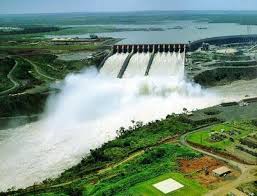
Hyrdo Power is a __________ energy resource.
a)
Renewable
b)
Nonrenewable
24.
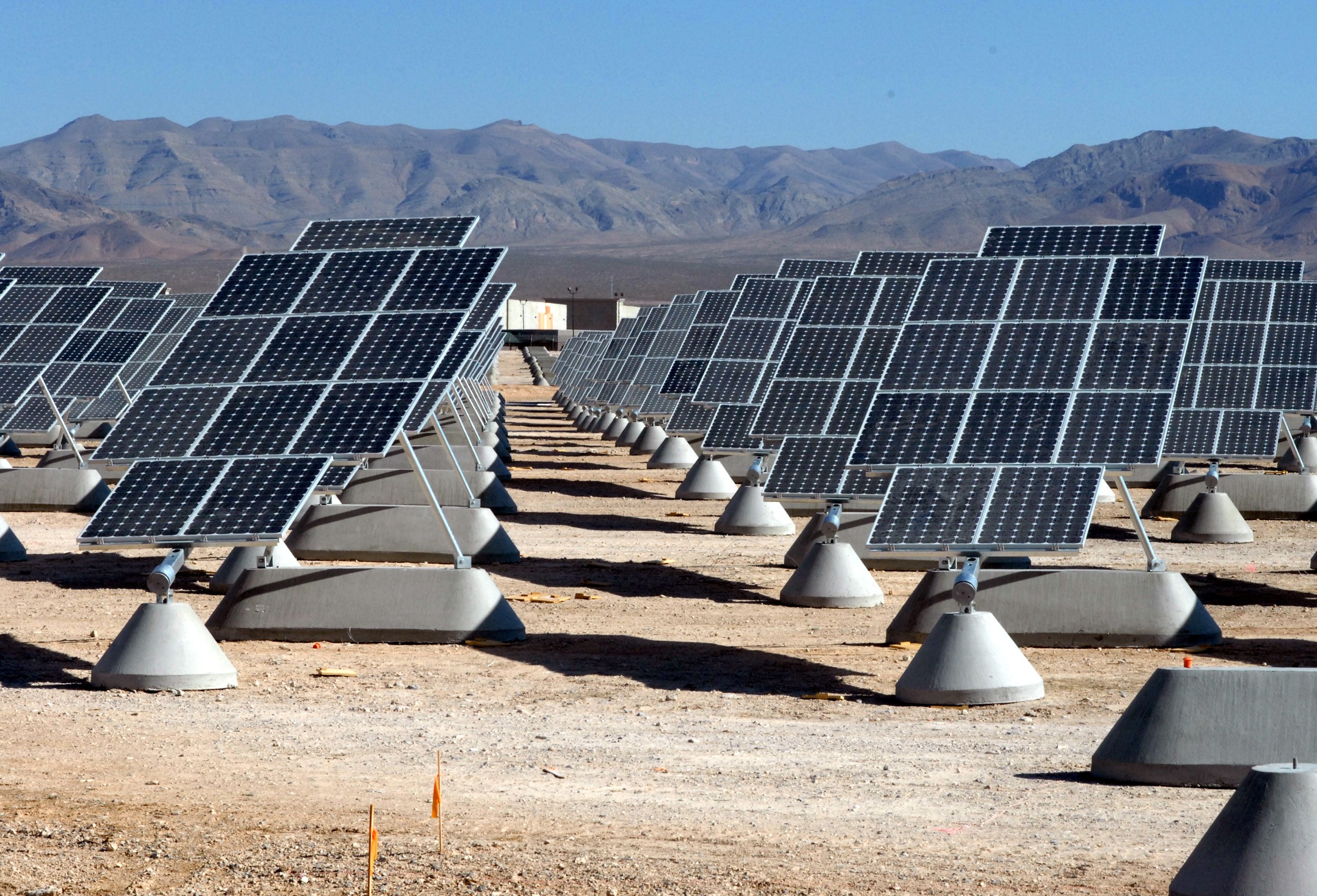
Solar Power is a __________ energy resource.
a)
Renewable
b)
Nonrenewable
25.
Natural Gas is a __________ energy resource.
a)
Renewable
b)
Nonrenewable
26.
Oil is a __________ energy resource.
a)
Renewable
b)
Nonrenewable
27.
A disadvantage of solar energy is
a)
that the clouds can block the sunlight
b)
it is not available at night
c)
that the clouds can block the sunlight and it is not available at night
d)
the sun is too hot to be absorbed in solar panels
28.

Renewable energy resources produce less_____________ than fossil fuels.

a)

pollution

b)

energy

c)

wind

d)

light

29.
What is a fossil fuel?
a)
oil
b)
biomass
c)
wind 
d)
water
30.

Coal, gas, and oil are all examples of...

a)

Recycled fuels

b)

Fossil Fuels

c)

Renewable fuels

d)

Fancy Fuels

31.
The test for carbon dioxide is
a)
Limewater turning cloudy
b)
Cobalt chloride paper turning from blue to pink
32.
When a fuel is burnt the gases released are
a)
Oxygen and Carbon
b)
Carbon dioxide and Water
c)
Sulfur dioxide
33.
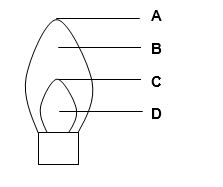
Which part of the Bunsen flame is the hottest?
a)
A
b)
B
c)
C
d)
D
34.

To produce a blue flame on a Bunson burner, the air hole must be...

a)

open

b)

closed

35.

Energy stored because of gravity is called:

a)

Gravitational Potential Energy

b)

Kinetic Energy

c)

Mechanical Advantage

d)

Chemical Energy