
 Worksheets
BIOMOLECULES, PRO, EU, AND MEMBRANE TRANSPORT
Total questions: 70
Worksheet time: 2hrs 39mins


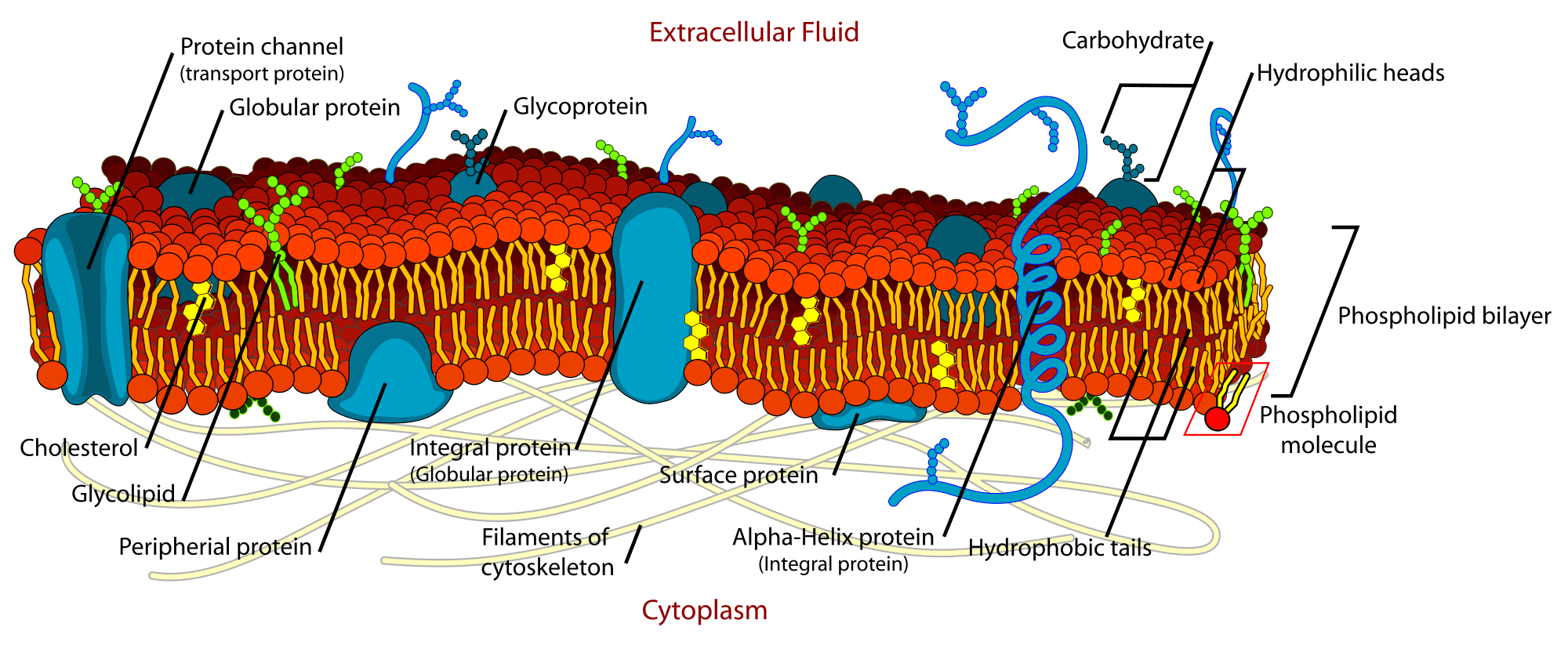


Which biomolecule helps form muscles?
Nucleic Acid
Carbohydrate
Protein
Lipids
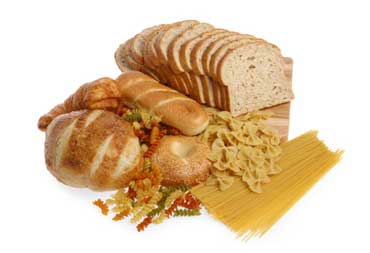

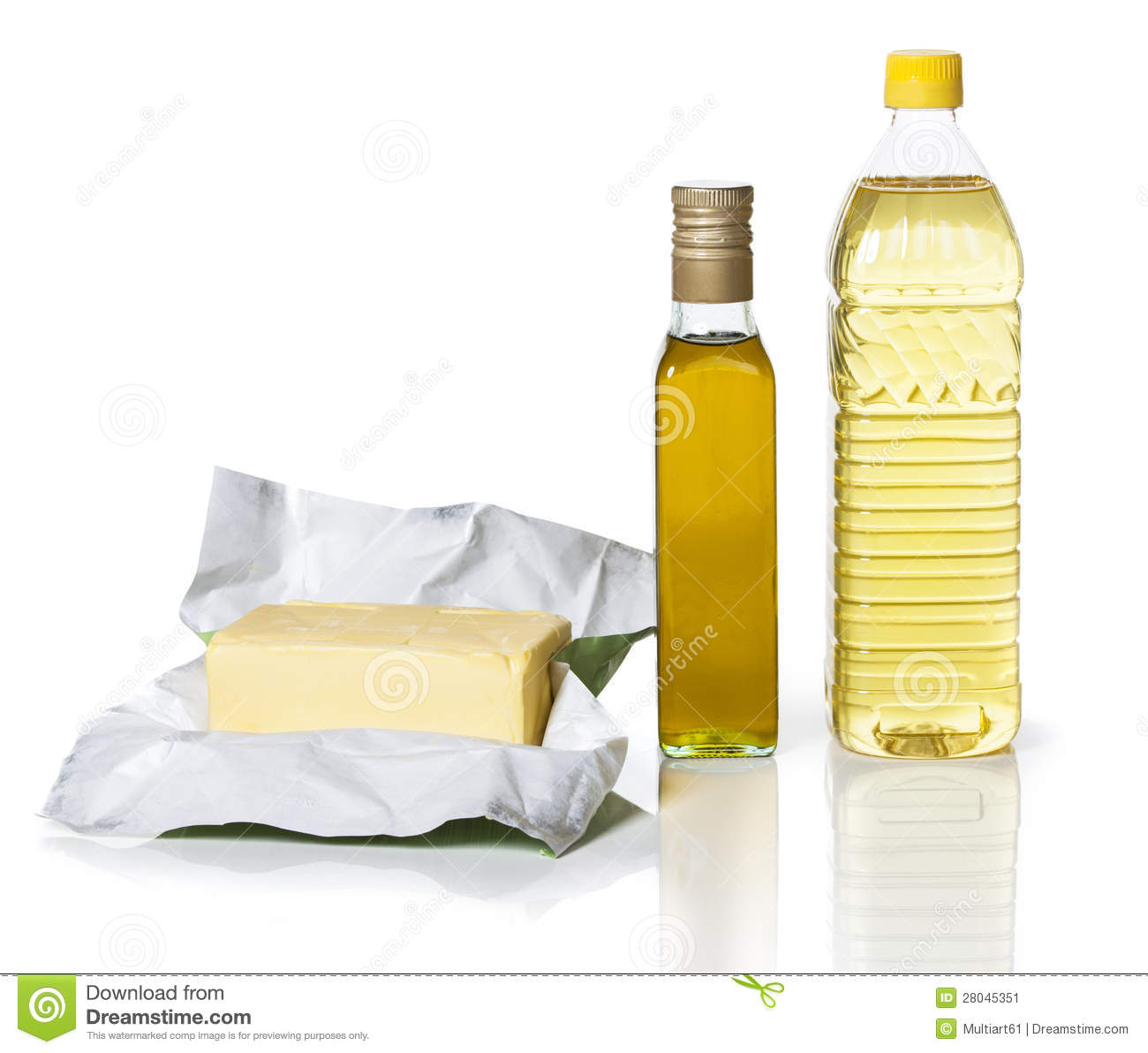
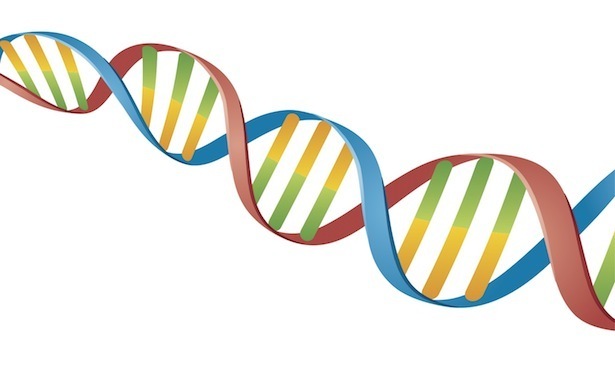
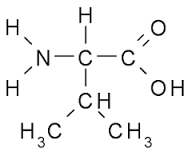
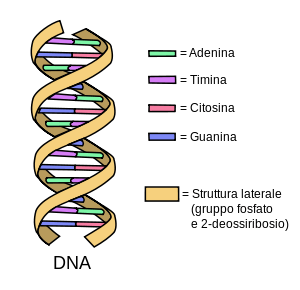
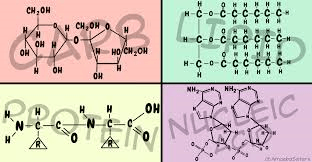

Which biomolecule helps form muscles?
Nucleic Acid
Carbohydrate
Protein
Lipids

Which biomolecule is responsible for insulation and energy storage?
Protein
Nucleic Acid
Lipid
Carbohydrate

Which biomolecule has sugars and starches?
Lipids
Proteins
Carbohydrates
Nucleic Acid

Which biomolecule contains your genetics?
Carbohydrate
Lipid
Nucleic Acid
Protein

Which biomolecule is made of amino acids?
Nucleic Acid
Carbohydrate
Protein
Lipid

Which biomolecule is your main source of energy?
Nucleic Acid
Protein
Lipid
Carbohydrate

Which biomolecule contains fats, oils, and waxes?
Proteins
Nucleic Acid
Lipids
Carbohydrate

Building blocks of polymers.
monomer
polypeptide
monosaccharide
glycerol

Which type of cell is this?
Prokaryote
Eukaryote
Which type of cells has a chloroplast?
Prokaryote
Plant Cell
Animal Cell
All of the following contain a cell wall except:
prokaryotes
animal cells
plant cells
bacteria
Which do BOTH prokaryotes and eukaryotes contain?
nucleus
mitochondria
ribosomes
cell wall
Which does only eukaryotic cells contain?
nucleus
DNA
cell membrane
ribosomes
Which organelle is photosynthetic?
cell wall
chloroplast
mitochondria
vesicle
Prokaryotic cells do not have…….
membrane bound organelles
cell membrane
DNA or RNA
life

Which type of animal cells would have more mitochondria than others?
Blood cells
Brain cells
Skin cells
Muscle cells
You can distinguish a prokaryote apart from a nucleus by--
The presence of a ribosome
The presence of a cell membrane
The presence of DNA
The presence of a nuclear membrane
PROKARYOTIC cells do NOT have
membrane bound organelles
cell membrane
DNA
ribosomes
Which cell type tends to be smaller?
Prokaryote
Eukaryote
there is not a size difference

