
 Worksheets
Anatomy: Epithelial Tissues
Total questions: 44
Worksheet time: 23mins
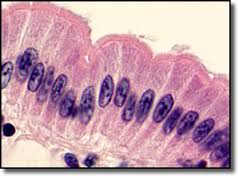


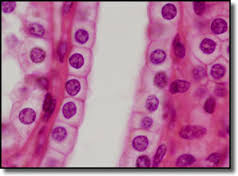


Which of the following epithelial functions is the primary role of glandular epithelium?
Protection
Secretion
Absportion
Support
This type of epithelial tissue has the ability to stretch and is found in the bladder.
simple squamous
stratified squamous
transitional
pseudostratified columnar
Most of your respiratory tract is lined with ___ tissue.
hyaline cartilage
ciliated pseudostratied columnar epithelium
stratified squamous epithelium
transitional epithelium
This type of tissue makes up glands like your salivary glands.
Epithelial
Nervous
Connective
Muscle
Which of the following are NOT true of Epithelial tissue?
attaches to connective tissues via a basement membrane
has a rich blood supply
has a high rate of cell division
has little extracellular space between cells
Which of the following epithelial tissues is known for being located in an area of high diffusion like walls of blood vessels or in the alveoli of the lungs.
Stratified Columnar
Simple Columnar
Stratified Squamous
Simple Squamous
How many layers are found in pseudostratified columnar epithelium?
1
2
more than 2
it varies

Where in the body would you most likely find this type of cell layer?
lungs
heart
small intestine
pancreas
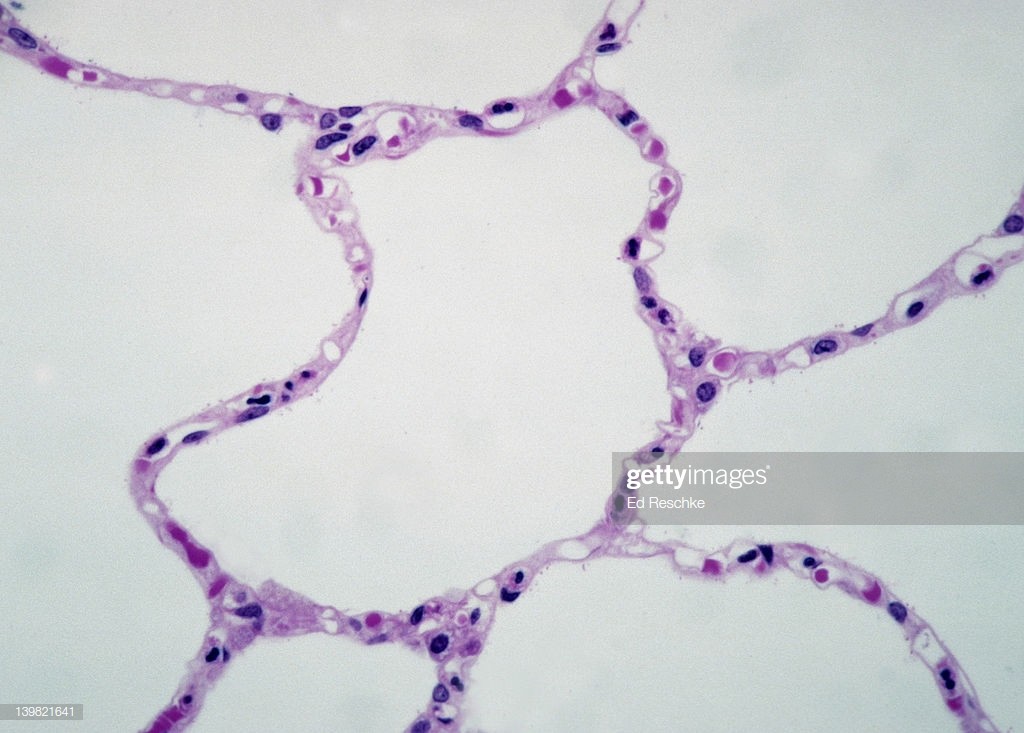
What type of epithelium lines the air sacs in this slide of lung tissue?
simple cuboidal
simple columnar
simple squamous
pseudostratified columnar

Name the type of secretion
merocrine
apocrine
holocrine
berocrine

Name the type of secretion
merocrine
apocrine
holocrine
berocrine

Name the type of secretion
merocrine
apocrine
holocrine
berocrine
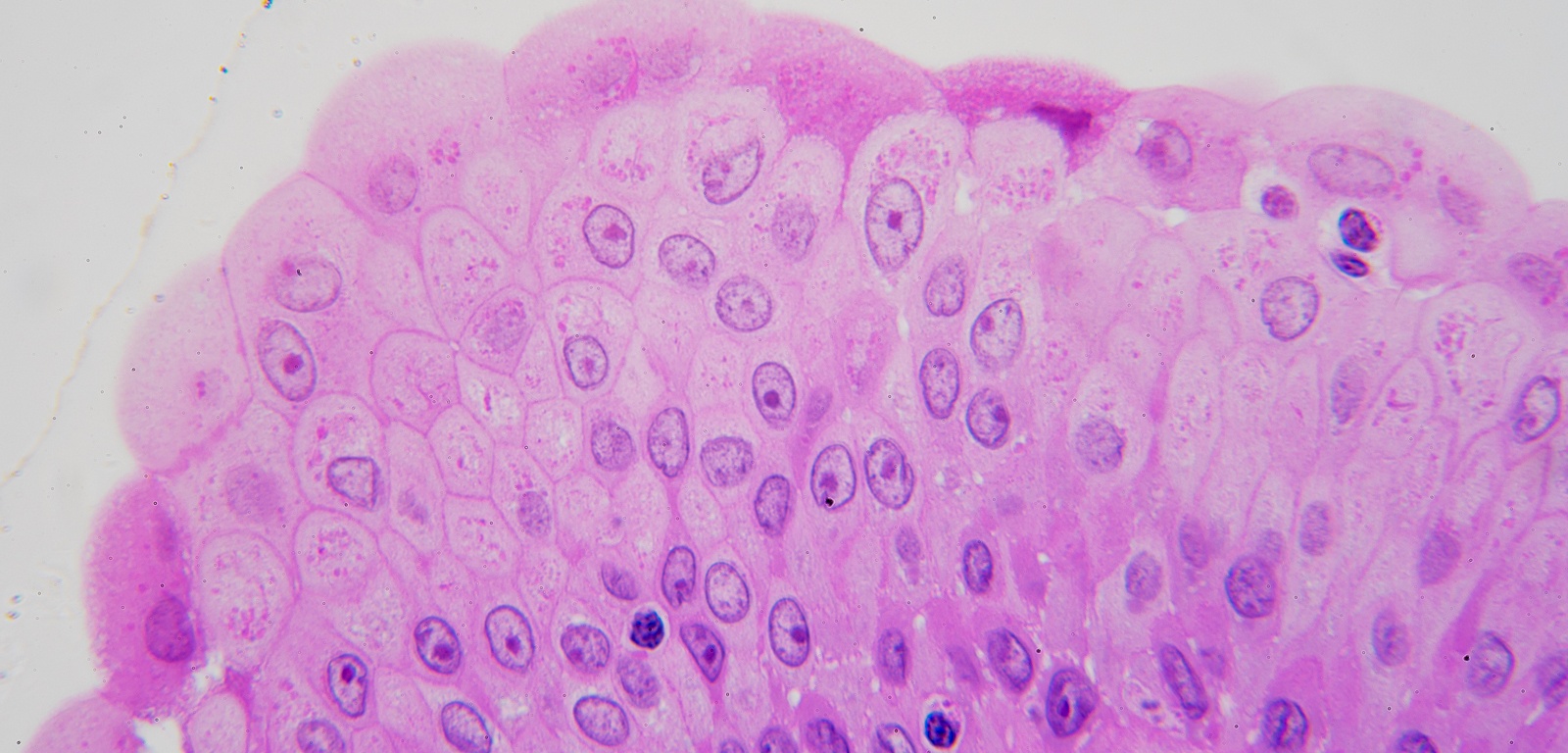
What type of epithelial tissue is this and where might you find it?
stratified cuboidal ; small intestine
simple squamous ; lung
pseudostratified columnar ; trachea
transitional ; bladder
All of the following are common locations of simple squamous epithlium EXCEPT
lungs
lining blood vessels
trachea
kidney tubules
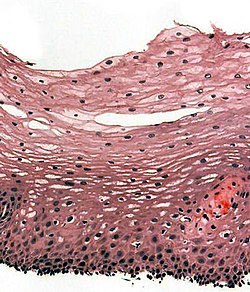
What type of epithelium is this and where might you find it?
stratified squamous ; skin
pseudostratified columnar ; trachea
simple squamous ; lung
simple cuboidal ; kidney tubules
This type of secretion produces sweat and saliva
holocrine
merocrine
apocrine
berocrine

Name the type of epithelium surrounding the lumen (opening)
simple squamous
simple cuboidal
stratified cuboidal
stratified columnar
Which of the following is NOT a main function of epithelial tissues?
covering exposed surfaces
lining internal passageways
producing glandular secretions
contracting to produce movement
The difference between endocrine and exocrine glands can best be described by which of the following?
exocrine secretions are released into surrounding tissues and blood whereas endocrine secretions are discharged onto the surface of the skin or other epithelial surfaces
endocrine secretions are released into the surrounding tissues and blood whereas exocrine secretions are discharged onto the surface of the skin or other epithelial surfaces
exocrine secretions and endocrine secretions are both released directly into the blood at all times
exocrine secretions and endocrine secretions are both released directly onto the surface of the skin at all times
What are the 3 basic shapes of Epithelial Cells? (Select all that apply)
Cuboidal
Columnar
Orbital
Squamous
Columnar cells are classified by:
Absorbing nutrients and secretions
Producing secretions and nutrients
Absorbing nutrients and producing secretions
None of the above

