
Font size
 Worksheets
Big Business And Westward Expansion
Total questions: 97
Worksheet time: 49mins

Which law passed by the US government promoted the assimilation of the Native Americans?
The Homestead Act
The Pendleton Act
The Dawes Act
The Howley-Smoot Act

What was the economic impact of the Transcontinental railroad?
It made shipping goods and traveling across the country cheaper
Conflicts with the Native Americans increased
The US government made millions from the Homestead Act
It caused a decrease in taxes on big business

What was the major impact of the Transcontinental Railroad?
It allowed for the rise of the steel industry
It connected the United States by rail from east coast to west coast
It increased migration to cities in the south
The population in urban centers grew drastically

Which of these events sent many Americans westward into California and Alaska?
The passage of the Homestead Act
The discovery of gold in these regions
The removal of Native Americans after Wounded Knee
The passage of the Dawes Act

Cowboys and ranchers in Texas made money from what industry?
Cattle Beef
Homesteading
Loan Financing
Bounty Hunting
Cowboys and ranchers in Texas made money from what industry?
Cattle Beef
Homesteading
Loan Financing
Bounty Hunting

The cowboys bringing in cattle beef learned the skills to rope, tie, and brand from-
Native Americans
German Ranchers
Italian Farmers
Mexican vaqueros

Why did conflicts with the Native Americans increase after the Civil War?
The U.S. government put bounties on Native Americans who were in the Civil War
Native Americans had declared war on the US government
They were being paid by the British to attack US cities
Many Americans and railroads went west into lands occupied by Native American tribes

Farmers on the Great Plains built “soddies”; this is an example of how the settlers-
Adapted to their environment
Maintained contact with neighbors
Used irrigation techniques
Developed new agricultural technology

The U.S. wanted Native Americans and immigrants to abandon their culture and take on the culture of the U.S., also called-
Assimilating
Adaptatng
Repatriating
Apostatizing

The idea that immigrants are inferior to native born citizens.
Nativism
Naturalism
Federalism
Assimilation

How did the invention shown in this patent illustration affect industry?
Machines needed to be repaired more frequently
Products could be manufactured on an assembly line
Businesses needed to hire skilled workers
Factories could extend working hours

Which answer choice goes into the middle circle?
Irish families immigrated to the United States
The Bracero program was introduced
Russian radicals joined labor unions in the United States
The Chinese Exclusion Act was passed.
Which of the following was the main reason for the rapid settlement of the Great Plains during the late 1800s?
Native Americans sold most of their tribal lands directly to railroad companies
Speculators bought large parcels of land and then built factory towns to attract new immigrants
Congress passed a law requiring all public lands to be sold at auction
Congress passed a law allowing people to claim public land and convert it to private property through homesteading
Nineteenth-century nativist organizations advocated --
Conserving natural resources through the creation of national parks
Globalizing the economy through participation in free-trade agreements
Promoting an ethnically homogeneous society through restrictions on immigration
Limiting federal military power through the organization of local militias
Which of the following occurred between 1865 and 1900 as a result of the rapid industrialization of the United States?
Social and economic class divisions began to disappear
Concerns about air pollution led to stricter environmental regulations
Union membership increased as workers sought better pay and conditions
Factory owners introduced wage-equity policies for women in the workplace
Which of the following would NOT be a characteristic attributed to a Captain of Industry?
Providing soup kitchens and shelters to homeless immigrants
Lowering wages and increasing the amount of hours your workers are required to work
Donating a large sum of your personal wealth to homeless orphans
Using your own fortune to create a new university
What was one reason for the expansion of machine politics in the late nineteenth century?
The rapid influx of immigrants provided for a ready voter base for the Political Bosses
Federal restrictions prevented voters from influencing government decisions at the local level
The economy was too tightly regulated to allow urban growth
Settlement houses failed to help immigrants adjust to life in the city
What led to having a large workforce in the U.S?
Larger Families
Inventions
Immigrants
Former Slaves and Immigrants
In the United States, organized labor made its greatest membership gains when
Labor unions formed and collective bargaining began
International competition began to threaten jobs in the United States
The major business groups encouraged unionization
The economy began to shift from manufacturing to service employment
This excerpt is from a book written by a Norwegian man who immigrated to the United States in the late 1800s
"Then west by train on road and route not known to us. We saw mountains, which must have been the Alleghenies, and felt much depressed. Was that America? Had we been fooled? We expected to see flat ground with no timber or boulders to clear. When we came far enough to see that kind of country our spirits rose again"
These immigrants were relieved when they saw the type of land they were expecting because they...
Hoped to establish farms
Wanted to build factories
Planned to mine for gold
Wanted to work for the railroad

How did the process shown in this photograph enhance the automobile industry?
By speeding up production of automobiles at lower costs
By requiring only licensed workers to produce the automobiles
By ensuring high quality automobiles for consumers at higher prices
By developing new designs to test automobile safety standards
The Knights of Labor and the American Federation of Labor developed in response to the
Decreased power of political machines
Increased demand for skilled workers
Decreased profitability of the agricultural sector
Increased need to protect worker interest
During the nineteenth century, one way political bosses gained voter support was by
Campaigning for women's suffrage
Advocating the use of poll taxes
Making improvements in urban infrastructure
Providing public assistance for former slaves
During the Gilded Age there was a notable increase in federal support for
The acquisition of foreign territories
Increased temperance regulations
The growth of Big Business
Involvement in foreign wars
How did Andrew Carnegie contribute to civic and social life in the United States?
By promoting spiritual and moral values in public schools
By supporting conservative ideals in federal legislation and foreign policy
By establishing philanthropic organizations dedicated to education and the arts
By creating a charitable foundation to end hunger
Which application of a new technology can be attributed to the invention of Thomas Edison?
Light bulbs made it efficient for factory workers to work at night
Refrigerated railroad cars allowed food to be transported long distances
Diesel engines were used in the production of airplanes
Sonar technology was used to track submarine
During the late nineteenth century, many Irish immigrants were discriminated against for
Opposed to machine poltics
Loyal to the United Kingdom
Conscientious Objectors
Taking American Jobs
Which of these is the best definition of an era?
A series of various changes over many years
A series of events unified by individual or organized protest
A period of time lasting between 10 to 15 years
A period of time identified by political, economic, and social trends

These photographs are of the same student at Carlisle Indian School during the late nineteenth century.
Which world best explains the changes shown in these photographs?
Immigration
Assimilation
Nullification
Nativism
What was the economic impact of the Transcontinental railroad?
It made shipping goods and traveling across the country cheaper
Conflicts with the Native Americans increased
The US government made millions from the Homestead Act
It caused a decrease in taxes on big business
Cowboys and ranchers in Texas made money from what industry?
Cattle Beef
Homesteading
Loan Financing
Bounty Hunting

6) Which of these best explains why many immigrants came to the United States cities during the Gilded Age?
They were imported as forced labor for infrastructure projects
They were brought in to boost a declining population
They were drawn in by the offer of free land from the Homestead Act
They saw opportunity for a better life and factories needed workers

6) Why was the Chinese Exclusion Act passed?
A response to China declaring war on the US
A side effect of a war with Japan
To satisfy Nativist ideas and "protect" American jobs
To promote immigration from Mexico

7) In Urbanization: the people of the United States population was moving from the _ country to the _ country parts of the country.
urban; rural
rural; urban

9) The Interstate Commerce Act fixed this problem in business...
It regulated monopolies by making them illegal
It gave the Supreme Court power to dissolve monopolies
It forced Robber Barons to donate most of their money
It made railroad companies stop overcharging farmers

7) How did this invention and its inventor improve the standard of living?
Alexander Graham Bell: allowed people to communicate instantly
Thomas Edison: allowed factories to stay open longer
Henry Bessemer: allowed steel to be made faster
Cornelius Vanderbilt: revolutionized the railroad industry

7) Why did political machines expand and take over city governments during the Gilded Age?
They saw a chance to steal millions from Robber Barons
They were employed by the Captains of Industry
City governments were taken over by Nativists
City governments could not provide basic services to the many new immigrants

8) Which of these lead to the rapid industrialization of the U.S.? (Choose 3)
Lots of raw materials
Government let big business grow
Population increase from immigration
The rise of Political Machines

8) What happened to the population of cities as they expanded (urbanization)?
It decreased as a need for farmers drew people westward
It increased as factories grew and needed more workers

8) How did industrialization effect children?
Children got jobs and were managers in short time
Many children were taken for farming jobs
Children got low paying jobs and injuries instead of going to school
Children were banned from working factory jobs

9) Which describes Free Enterprise/Laissez Faire economics?
The government owns all major industries and sets prices
The government created regulations of business but leaves ownership to the people
The government is "hands off" and does not regulate (make rules) for businesses
The government sets prices for all products

9) Why are Captains of Industry such as Rockefeller and Carnegie also known as Robber Barons?
They were secretly criminal masterminds
They used ruthless business tactics to get rid of their competition
They secretly controlled major government industries
They stole millions from government and international agencies

9) Which of these describes vertical integration and its creator?
You buy out your competition and control the market with a monopoly- Rockefeller
You control your production process from beginning to end- Carnegie

9) How did the Bessemer Process allow cities to grow rapidly?
It allowed factories to stay open longer
It allowed for instant long-distance communication
It allowed for steel to be made quickly

A person who seeks to promote the welfare of others, especially by the generous donation of money to good causes
Philanthropists
Entrepreneur
Good person
Tycoon
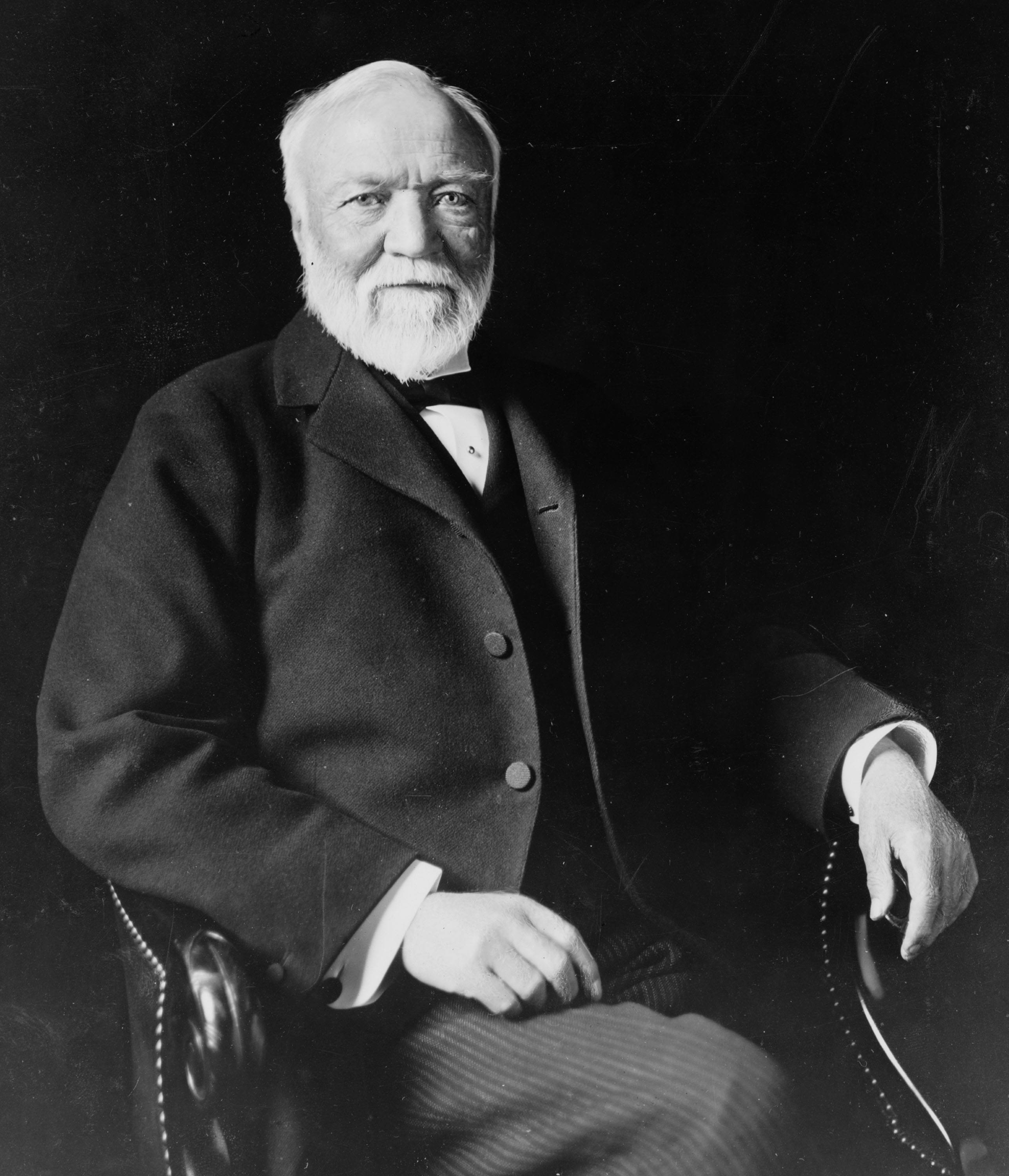
In The Gospel of Wealth, he argues that very wealthy men like him had a responsibility to use their wealth for the greater good of society
Andrew Carnegie
John D. Rockefeller
Cornelius Vanderbilt
JP Morgan

_____________________ gave awareness to the increase in difference between poor and rich in the country
Populist Party
Big Business
Labor Unions
Political Bosses

Cities populations grew in the West, expand in communication and commerce, and growth in settlers are due to-
The Transcontinental Railroad
The Klondike Gold Rush
The Chinese Exclusion Act
The Telegraph

Agricultural products were in high demand because of-
Population growth
lack of jobs in the cities
Westward Expansion
The Great Migration
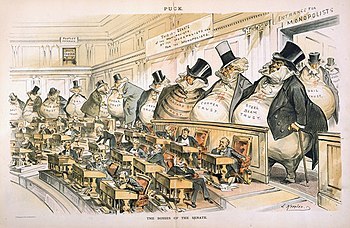
Big Business, Westward Expansion, bad working conditions, political machines, and immigration were issues of what time period in the U.S
Gilded Age
Progressive Era
Building an Empire
Civil Rights and the 60's

the practice of a successful political party giving public office to its supporters without any political experience
The Spoils System
Civil Service Reform
Interstate Commerce Act
Dawes Act

Known as an entrepreneur who began his business with his own investment of capital and accumulated great wealth
John D. Rockefeller
William Jennings Bryan
Theodore Roosvelt
Boss Tweed

the process by which a company gains the ability to raise prices or exclude competitors
monopolies
reforms
supply and demand
free market

____________________ were culprits of beginning monopolies (trusts) during the Gilded Age.
Big Business
Immigrants
Political Bosses
Natives

A movement of good works (like helping the poor) started by Protestant (Christian) leaders was called
The Social Gospel Movement
Civil Service Reform
The Hull House
The Homestead Act

When arriving to the U.S, ________________ experienced unhealthy living conditions.
immigrants
settlers in the west
Germans
children

Americans who disliked immigrants were called-
nativists
deplorables
The KKK
The T.E.A Party
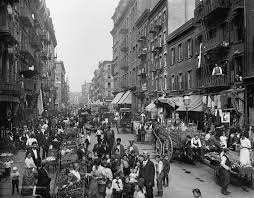
Congested, overcrowded, and pollution were some problems due to-
Urbanization
Westward Expansion
The Klondike Gold Rush
The Transcontinental Railroad

Sped up the production of steel
Bessemer Process
Atkins Reaper
Barbed Wire
The Transcontinental Railroad

___________________________ brought more employment opportunities for people in the cities
Subways
Atkins Reaper
Transcontinental Railroad
Telephone
Which was not a problem with the reservation system set up by government?
goods sent to reservation were sometimes sold illegally by contractors
Indians had plenty of supplies and food on reservations
land set aside by the government had poor soil making it difficult to farm
buffalo hunters entered reservations and killed buffalo meant for Indians
The American Indians called the African American soldiers serving along the border what?
buffalo raiders
buffalo soldiers
buffalo guns
commissioners
Some government officials believed Indians would be better off in they owned the land they worked. In 1887, ________________ divided up reservation lands and promised Indians U.S. citizenship?
Dawes General Allotment Act
Treaty of Medicine Lodge
Treaty of the Little Arkansas
Compromise of 1877
Which is not a reality of the cowboy way of life?
. cowboys often rode 24 hours at a stretch and slept in their saddles
cowboys had to purchase their own gear such as spurs, handkerchiefs, boots, & bedding
faced many dangers including blizzards, floods, and stampedes
most cowboys earned high salaries
Which of the following is not a political, social, or economic impact the oil industry had on Texas?
the growth of railroads allowed farmers to ship goods to markets faster & with less cost
in 1899, Texas legislature passed laws concerning abandoned wells and groundwater protection
taxes from oil helped fund the state government and education programs
the oil boom created many jobs and towns in Texas


The growth of cities, especially due to immigration and movement of people from rural areas to cities in search of jobs is known as
Reservations
Homestead Act
Ethnic Ghettos
Urbanization


The Populist party, which wanted regulation of railroads, free coinage of silver, and a graduated income tax (the more you make the more they should be taxed) was made up of which group of people?
Doctors
Lawyers
Farmers
Teachers


How did the development of the Bessemer process affect the growth of cities?
It enabled the mass production of steel, which was used to build factories
It enabled the mass production of steel, which was used to build new universities
It led to the invention of electricity, which supported expanding factories
It led to the invention of the telegraph, which made business communication more efficient

Jane Addams followed the Social Gospel which was the idea that fortunate people should help the less fortunate. To help immigrants and the poor she established
Sir, yo ni vivia en esos tiempos.
settlement houses such as the Hull House.
the Boys and Girls Club of America.
Amigos del Valle.

The first railroad to connect the United States and allowed the expansion of business and promoted westward expansion was the
Union Pacific Railroad
Central Pacific Railroad
Missouri Railroad
Transcontinental Railroad

