wayground logo

Free Printable Worksheets

Font size

S
M
L
XL
Worksheets

SNC1D Chemistry Review

Total questions: 158

Worksheet time: 5hrs 58mins

Name
Class
Date
1.
What are the three states of matter?
a)
solid, volume, mass
b)
density, volume, mass
c)
solid, liquid, gas
d)
density, gas, volume
2.
Something that takes up space and has mass.
a)
volume
b)
matter
c)
mass
d)
density
3.
Liquid matter takes the shape of _______.
a)
a gas
b)
water
c)
a pet
d)
Its container
4.

Which example is a compound?

a)

N2

b)

O2

c)

Cu

d)

H2O2

5.
Salt has a chemical formula of NaCl.  Salt is a...
a)
Compound
b)
Element
c)
Mixture
d)
None of the Above
6.
What cannot be broken down into other substances?
a)
Compound
b)
Mixture
c)
Solids
d)
Element
7.
An element is made up of only one kind of _____.
a)
isotope
b)
plastic
c)
atom
d)
metal
8.
Are made from a combination of 2 or more elements...
a)
Molecules
b)
Pure Substances
c)
Compounds
d)
Elements
9.
A combination that can be separated by physical processes is a .....
a)
Pure Substance
b)
Glucose
c)
Element
d)
Mixture
10.
A mixture that is NOT evenly distributed is called ....
a)
Compounded
b)
Homogenous
c)
Heterogenous
d)
Salty
11.
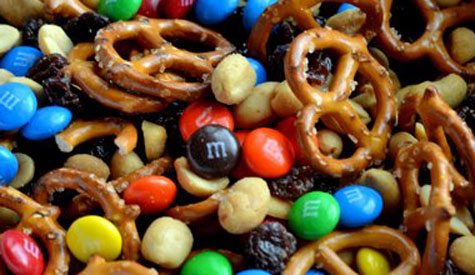
Mixture, such as mixed nuts or dry soup mix, in which different materials are unevenly distributed and are easily identified.
a)
suspension
b)
homogeneous mixture
c)
heterogeneous mixture
d)
colloid
12.
Substance with atoms that are all alike.
a)
element
b)
compound
c)
homogeneous mixture
d)
heterogeneous mixture
13.
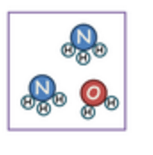
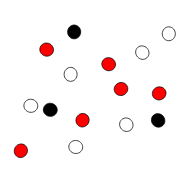
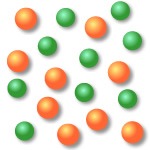
This picture represents: 
a)
Element
b)
Compound
c)
Mixture of Elements
d)
Mixture of Compounds
14.
This picture represents: 
a)
Element
b)
Compound
c)
Mixture of Elements
d)
Mixture of Compounds
15.
This picture represents: 
a)
Element
b)
Compound
c)
Mixture of Elements
d)
Mixture of Compounds
16.
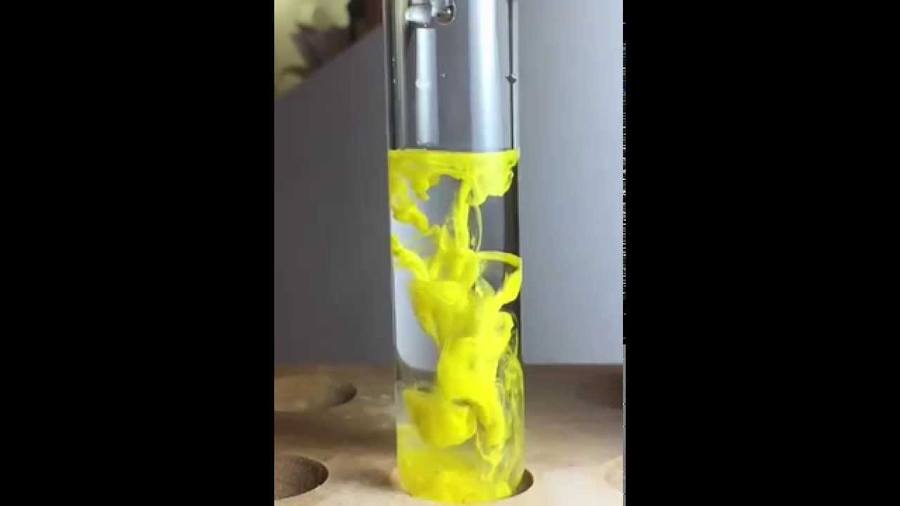
What type of mixture is this?
a)
homogenous mixture
b)
chemical
c)
heterogeneous mixture 
d)
solid mix
17.
All matter is made up of .....
a)
Compounds
b)
Atoms
c)
Molecules
d)
Sunshine
18.
This picture represents which of the following?
a)
element
b)
compound
c)
mixture
19.
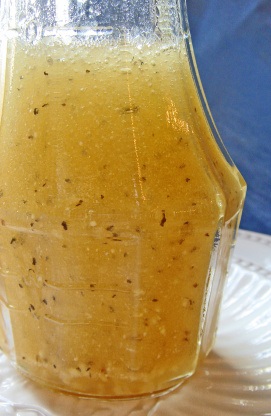
Italian Salad Dressing is a . . .
a)
heterogeneous mixture
b)
homogeneous mixture
c)
Pure Substance
d)
Compound
20.
Which of the following is an element?
a)
Sugar
b)
Salt
c)
Water
d)
Oxygen
21.
A mixture that is so evenly mixed you can't see the parts.  Such as Kool-Aid
a)
Homogeneous Mixture
b)
Heterogeneous Mixture
c)
Pure Substance
22.

What type of mixture is black ink?

a)

heterogeneous mixture

b)

homogeneous mixture

23.
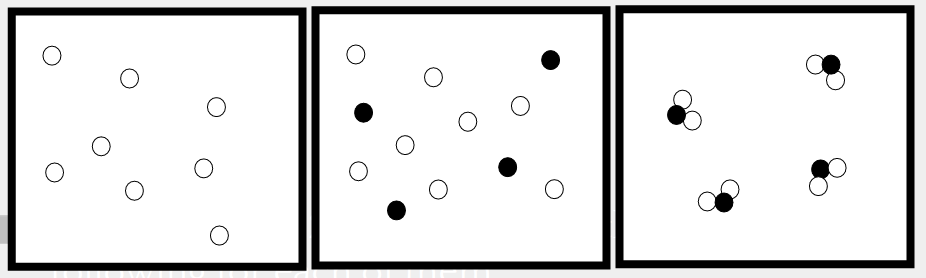
Which one of these pictures represents a pure substance? 
a)
1 and 2
b)
1 and 3
c)
2 and 3
d)
1, 2 and 3
24.
Which one of these pictures represents a mixture? 
a)
1
b)
2
c)
3
d)
1, 2 and 3
25.
When a gas forms directly from a solid, skipping the liquid phase. it is called
a)
deposition
b)
sublimation
c)
evaporation
d)
condensation
26.
The change from a gas to a liquid is called 
a)
condensation
b)
evaporation
c)
sublimation
d)
deposition
27.

The change in state from liquid to gas is called

a)

vaporization

b)

sublimation

c)

condensation

d)

deposition

28.
In which state of matter are particles moving the slowest?
a)
solid
b)
liquid
c)
gas
d)
gummy bears
29.
Adding more heat energy to particles of matter will
a)
make them move slower
b)
make them move faster
c)
make them stop moving
d)
destroy them
30.
Blue Color: Chemical or Physical Property
a)
Chemical Property
b)
Physical Property
31.
Density: Chemical or Physical Property
a)
Chemical Property
b)
Physical Property
32.
Flammability (burns): Chemical or Physical Property
a)
Chemical Property
b)
Physical Property
33.
Reacts with Acid: Chemical or Physical Property
a)
Chemical Property
b)
Physical Property
34.
Brittleness: Chemical or Physical Property
a)
Chemical Property
b)
Physical Property
35.
Sour Taste: Chemical or Physical Property
a)
Chemical Property
b)
Physical Property
36.
Reacts with Water: Chemical or Physical Property
a)
Chemical Property
b)
Physical Property
37.
A change that alters the physical properties of a substance without changing its composition.
a)
Physical Change
b)
Chemical Change
38.
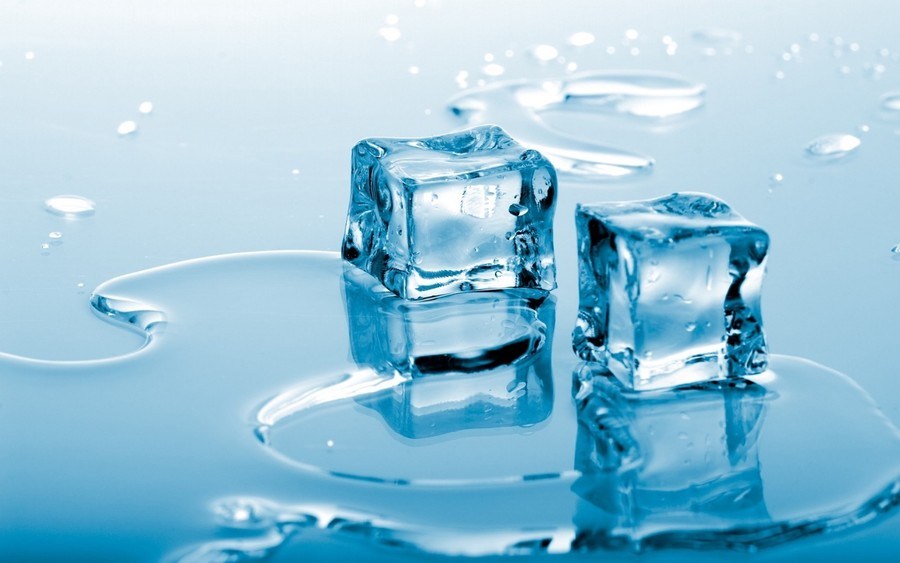
Water freezing into ice is an example of a...
a)
Physical Change
b)
Chemical Change
39.
Any change in the state of matter of a substance is a...
a)
Physical Change
b)
Chemical Change
40.
A change in matter that forms one or more new substances with new chemical properties is a/an...
a)
Physical Change
b)
Chemical Change
41.
Which of the following indicates a chemical change?
a)
Change in state of matter
b)
Temperature change
c)
Change in size 
d)
Change in shape
42.
Which of the following DOES NOT indicate a chemical change/reaction is occurring?
a)
Color Change
b)
Formation of a Precipitate
c)
Formation of gas/bubbles
d)
State of matter change
43.
Which of the following indicates a PHYSICAL change?
a)
Change in temperature
b)
Change in shape
c)
Formation of a precipitate
d)
Change in color
44.
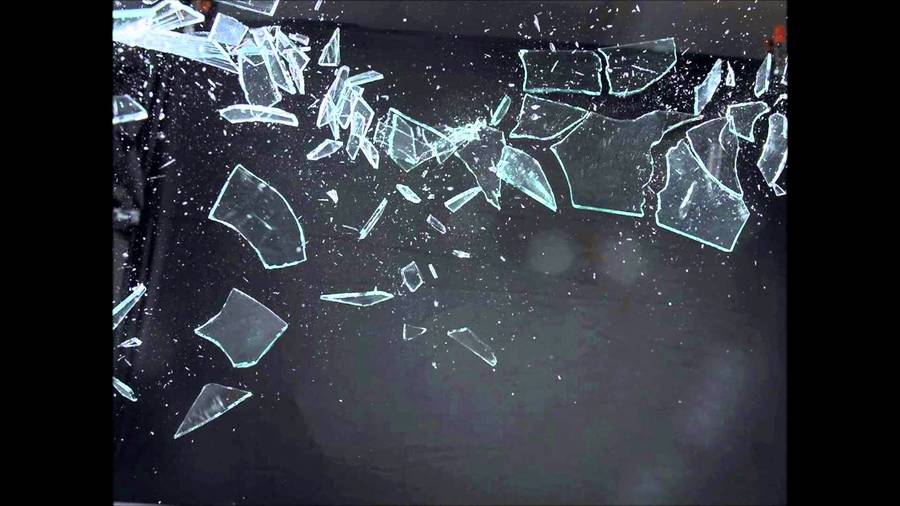
Chemical or Physical?  Glass breaking into tiny shards
a)
Chemical Change
b)
Physical Change
45.
Physical or Chemical Change? 
a)
Physical Change
b)
Chemical Change
46.
Physical or Chemical Change?
a)
Physical Change
b)
Chemical Change
47.
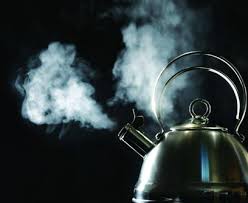
Physical or Chemical Change?  Cutting an orange into wedges.
a)
Physical Change
b)
Chemical Change
48.
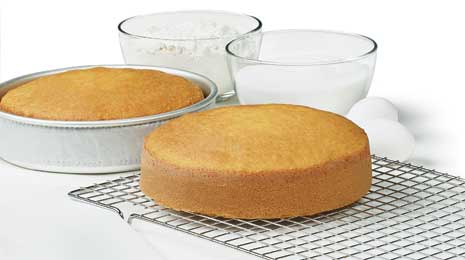
Physical or Chemical Change?  Baking a cake.
a)
Chemical Change
b)
Physical Change
49.
Frank has a paper clip. It has a mass of 9g and a volume of 3cm3. What is its density?
a)
3 g/cm3
b)
1/3 g/cm3
c)
27 g/cm3
d)
39 g/cm3
50.
Frank has an eraser. It has a mass of 4g, and a volume of 2cm3. What is its density?
a)
8 g/cm3
b)
2 g/cm3
c)
1/2 g/cm3
d)
24 g/cm3
51.
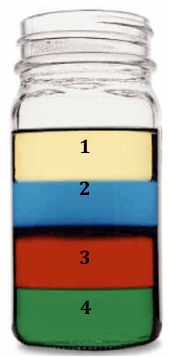
Put the liquids in order from most dense to least dense?
a)
4, 3, 2, 1
b)
1, 2, 3, 4
c)
3, 4, 2, 1, 
d)
4, 3, 1, 2
52.

An object with which of the following densities will float on water (D = 1.0g/mL)?

a)

0.7 g/cm3

b)

1.2 g/cm3

c)

3.5 g/cm3

d)

11.4 g/cm3

53.
Helium balloons rise on earth because
a)
helium is less dense than air
b)
helium is more dense than air
c)
helium is cooler than air
d)
helium is warmer than air
54.
Which of the following is a positively charged subatomic particle found in the nucleus of an atom?
a)
Electron
b)
Proton
c)
Neutron
d)
Quark
55.

An atom has an atomic number of 15 and a mass number of 31. How many protons are there in the atom?

a)

15

b)

31

c)

16

d)

47

56.
What carries no charge 
a)
Neutrons
b)
Electrons
c)
Protons
57.
What is the Atomic Mass?
a)
6.941
b)
7
c)
3
d)
6
58.
How many Protons are in one atom of Lithium?
a)
3
b)
6
c)
7
d)
6.941
59.
Which is the smallest?
a)
electron
b)
proton
c)
atom
d)
neutron 
60.
An atom has 5 protons and 7 neutrons. What is the mass number of the atom?
a)
5
b)
7
c)
2
d)
12
61.
What is in the nucleus of an atom?
a)
Neutrons and protons 
b)
Protons
c)
Protons and Electrons
d)
Electrons and Nuetrons
62.
An atom has an atomic number of 19 and a mass number of 29. How many neutrons are in the atom?
a)
30
b)
19
c)
10
d)
38
63.

What is a valence electron?

a)

Electrons in the first energy shell

b)

Electrons in the second energy shell

c)

Electrons in the outer shell

d)

Total number of electrons

64.

The innermost energy level has a maximum of how many electrons?

a)

1

b)

2

c)

6

d)

8

65.

Which element is this?

a)

Nickel

b)

Neon

c)

Sodium

d)

Nitrogen

66.

Name this element.

a)

Argon

b)

Chlorine

c)

Aluminum

d)

Boron

67.

Name this element.

a)

Neon

b)

Magnesium

c)

Sodium

d)

Manganese

68.

What is the atomic number of this atom?

a)

2

b)

4

c)

6

d)

8

69.

What is the mass number of this atom?

a)

1

b)

3

c)

4

d)

7

70.

How many valence electrons?

a)

2

b)

3

c)

4

d)

5

71.

How many valence electrons?

a)

2

b)

3

c)

4

d)

5

72.

How many valence electrons?

a)

2

b)

4

c)

6

d)

8

73.

How many valence electrons?

a)

2

b)

5

c)

6

d)

8

74.
What is the electron configuration of sodium?
a)
2.8
b)
2.8.2
c)
2.8.1
d)
11
75.
What is the electron configuration of calcium?
a)
2.8.8.2
b)
2.8.10
c)
20
d)
2.18.2
76.
Which element has an electron configuration of 2.5?
a)
Oxygen
b)
Nitrogen
c)
Phosphorus
d)
Carbon
77.
Which element has an electron configuration of 2.8.8?
a)
Lead
b)
Flourine
c)
Neon
d)
Argon
78.
What is the electron configuration of Aluminium?
a)
2.8.3
b)
2.11
c)
13
d)
2.8.2
79.
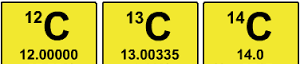
What do these isotopes of carbon all have in common?
a)
neutrons & mass number
b)
atomic number and neutrons
c)
atomic number and electrons
d)
protons, atomic number, and mass number
80.
What quantities vary between isotopes of an element?
a)
protons, electrons, and atomic mass
b)
protons, electrons, and atomic number
c)
neutrons and electrons
d)
neutrons and atomic mass
81.
How many neutrons in C-14?
a)
6
b)
7
c)
14
d)
8
82.
Isotopes are atoms of the same element with different #’s of __________ & therefore different __________.
a)
n0 ;  atomic #’s
b)
p+ ; atomic #’s
c)
e- ; atomic masses
d)
n0 ; atomic masses
83.
How many neutrons does an atom of the isotope Neon-22 have?
a)
12
b)
10
c)
22
d)
20
84.
An atom is electrically neutral when
a)
protons and neutrons are the same
b)
protons and electrons are the same
c)
neutrons and electrons are the same
d)
neutrons balance the protons and electrons
85.
Two isotopes of carbon are carbon-12 and carbon-14.  These isotopes differ from one another by two protons.
a)
true
b)
false
86.
If the number of electrons in an atom changes you make a(n) __________________.
a)
ion
b)
isotope
c)
new element
d)
isomer
87.
Ions are: 
a)
atoms with a positive or negative charge
b)
atoms with no charge
c)
atoms with ONLY a positive charge
d)
atoms with ONLY a negative charge
88.
How many electrons are in an atom that has an atomic number of 34, an atomic mass of 74 and a charge of -2?
a)
34
b)
36
c)
2
d)
40
89.
What is an ion?
a)
A Charged Atom
b)
A Large Atom
c)
A Small Atom
d)
A Cute Atom
90.
Why are ions formed?
a)
To make our lives difficult
b)
Because atoms want 8 valence electrons
c)
Because atoms have the same number of protons and electrons
d)
Because atoms gained neutrons
91.
An atom becomes _________ when it gains electrons.
a)
Positive
b)
Negative
c)
Neutral
d)
Invinsible
92.
An atom becomes _______ when it loses electrons.
a)
Positive
b)
Negative
c)
Neutral
d)
Invinsible
93.
A Radium atom wants...
a)
One more electron
b)
One less electron
c)
Two more electrons
d)
Two less electrons
94.
Which particles change the charge in atoms when ions are formed?
a)
Protons
b)
Electrons
c)
Neutrons
d)
Kittens
95.
What is a Rubidium ion's symbol?
a)
Rb-
b)
Rb+
c)
Rb-2
d)
Rb+2
96.
What is the ionic symbol for a phosphorus atom?
a)
P-3
b)
P+3
c)
P-2
d)
P+2
97.
What is the ionic symbol for a Gallium atom?
a)
Ga+3
b)
Ga-3
c)
Ga+2
d)
Ga-2
98.
What is the ionic symbol for Krypton?
a)
Kr
b)
Kr+
c)
Kr-
d)
Kr-2
99.

What is the ionic symbol for a Cesium atom?

a)

Cs+

b)

Cs-

c)

Cs+2

d)

Cs-2

100.
Iron is a good conductor, malleable and magnetic. What type of element is Iron? 
a)
Metal
b)
Nonmetal
c)
Metalloid
d)
Pretty
101.
Silicon is a semiconductor and has properties of both metals and nonmetals. What type of element is Silicon? 
a)
Metal
b)
Nonmetal
c)
Metalloid
d)
Pretty
102.
Which elements are found on the left to middle of The Periodic Table? 
a)
Metals
b)
Nonmetals
c)
Metalloids
d)
Candles
103.
Which elements are found on the right side of The Periodic Table?
a)
Metals
b)
Nonmetals
c)
Metalloids
d)
Water
104.
All of these properties describe metals except...
a)
malleable
b)
conductors
c)
brittle 
d)
shiny
105.
Which element is least likely to conduct heat and electricity? 
a)
O
b)
Si
c)
Po
d)
Ca
106.
Which of the given choices correctly shows the three main groups of elements listed from least conductivity to greatest conductivity?
a)
Metals, Nonmetals, Metalloids
b)
Nonmetals, Metalloids, Metals
c)
Metalloids, Metals, Nonmetals
d)
Nonmetals, Metals, Metalloids 
107.
How would this element be classified?
a)
Metal
b)
Nonmetal
c)
Metalloid
d)
Metamorphic
108.
Which of these is a property of metals?
a)
Malleable
b)
Good Insulator
c)
Dull
d)
Very brittle
109.
Which of the following is typically a good conductor of heat?
a)
Metal
b)
Nonmetal
c)
Metalloid
110.
Name group 1 on the periodic table.
a)
alkali metals
b)
alkaline earth metals
c)
noble gases
noble gases
d)
halogens
111.
Name group 2 on the periodic table.
a)
alkali metals
b)
alkaline earth metals
c)
noble gases
d)
transition metals
112.
Name group 18 on the periodic table.
a)
alkali metals
b)
alkaline earth metals
c)
transition metals
d)
noble gases
113.
Name groups 3 - 12 on the periodic table.
a)
noble gases
b)
halogens
c)
metalloids
d)
transition metals
114.
Name group 17 on the periodic table.
a)
transition metals
b)
metalloids
c)
halogens
d)
alkali metals
115.
The period for Bromine is ___________.
a)
3
b)
2
c)
4
116.
Elements in the same ________ are more chemically similar.
a)
group
b)
period
c)
club
d)
table
117.
The majority of elements on the periodic table are
a)
man made.
b)
nonmetals.
c)
metals.
d)
gases.
118.
Which elements have the most similar chemical properties?
a)
K and Na
b)
K and Ca
c)
K and Cl
d)
K and S
119.
Which group has the most reactive nonmetals?
a)
alkali metals
b)
noble gases
c)
metalloids
d)
halogens
120.
The atoms along the staircase are called 
a)
metals
b)
nonmetals
c)
metalloids
d)
noble gases
121.
Where are the nonmetals located on the periodic table?
a)
top left corner
b)
bottom left corner
c)
top right corner
d)
bottom left corner
122.
What statement is true about ALL of the elements in Group 18?
a)
They ALL have 6 valence electrons.
b)
They ALL are gases at room temperature.
c)
They ALL react easily with other elements.
d)
They ALL form +2 charges.
123.
Which statement is true about the alkaline earth metal family?
a)
They have 2 valence electrons.
b)
They are found on the right side of the periodic table.
c)
They form -2 charges.
d)
They tend to gain valence electrons.
124.
Which is a halogen?
a)
Fluorine
b)
Carbon
c)
Helium
d)
Lithium
125.
Which is an alkaline earth metal?
a)
Calcium
b)
Rubidium
c)
Carbon
d)
Iodine
126.
Which is a noble gas?
a)
Fluorine
b)
Hydrogen
c)
Iodine
d)
Krypton (Kr)
127.
Which family of metals would be the most reactive?
a)
Alkali Metals
b)
Transition Metals
c)
Alkaline Earth Metals
d)
Full Metal Jacket
128.
Which element is found in period 3 group 2?
a)
Sodium (Na)
b)
Magnesium (Mg)
c)
Yttrium (Y)
d)
Boron (B)
129.
Which is a metalloid?
a)
Boron
b)
Aluminum
c)
Lead
d)
Bismuth (Bi)
130.
According to the Periodic Table of the Elements, which set of elements has similar properties?
a)
H, C, I
b)
He, H, Al
c)
He, Ne, Ar
d)
Na, Ca, Al
131.
Which of the following is a property of an alkali-metal? 
a)
hard and can't be cut
b)
are very reactive 
c)
are stored in water 
d)
have few uses 
132.
With which element will Hydrogen most likely bond?
a)
Chlorine
b)
Sulfur
c)
Argon
d)
Silicon
133.
With which element would Fluorine most likely bond?
a)
Nitrogen
b)
Lithium
c)
Sulfur
d)
Iodine
134.
With which group would Group 18 most likely bond?
a)
Group 1
b)
Group 2
c)
Group 13
d)
None
135.
As you move down the first group, reactivity _________.
a)
Increases
b)
Decreases
c)
Stays the same
d)
They are all inert
136.
Which two groups on the Periodic Table are the MOST reactive?
a)
Group 1 and Group 17
b)
Group 2 and Group 16
c)
Group 13 and Group 15
d)
Group 17 and Group 18
137.
How would you describe reactivity on the Periodic Table?
a)
Elements in the same period tend to react.
b)
Elements in the same group tend to react.
c)
Elements on opposite sides of the table tend to react.
d)
All elements are inert.
138.
How many valence electrons are elements trying to reach in their outer shells?
a)
1
b)
2
c)
5
d)
8
139.
Atoms on which side of the Periodic Table will tend to LOSE electrons?
a)
Right
b)
Left
c)
Middle
d)
No atoms lose electrons
140.
Atoms on which side of the Periodic Table will tend to GAIN electrons?
a)
Right
b)
Left
c)
Middle
d)
No atoms lose electrons
141.
How do bonds tend to form between metals and nonmetals?
a)
Atoms gain or lose electrons
b)
Atoms share electrons
c)
Atoms gain or lose neutrons
d)
None of the above
142.
How do bonds tend to form between nonmetals?
a)
Atoms gain or lose electrons
b)
Atoms share electrons
c)
Atoms gain or lose neutrons
d)
None of the above
143.

Which two elements are in the same period?

a)

Boron and Carbon

b)

Potassium and Sodium

c)

Lithium and Magnesium

d)

Zinc and Nitrogen

144.

An atom has 18 protons and 8 valence electrons. Which statement would best identify this element?

a)

The element is "happy" or stable because its outer energy level is filled.

b)

The element has an atomic mass of 18.

c)

The element is highly reactive with eight electrons in its outer shell.

d)

The element is a metal.

145.

Which two elements would have the same number of energy levels (shells)?

a)

Nickel and Palladium

b)

Magnesium and Lithium

c)

None of these elements

d)

Copper and Zinc

146.

Which group is the most stable?

a)

17

b)

1

c)

2

d)

18

147.

Poor conductor of heat and electricity is a property of ___________.

a)

metals

b)

nonmetals

c)

metalloids

148.

Francium is the most reactive element on the periodic table.

a)

True

b)

False

149.
Formed when positively charged metal ions attract negatively charged non-metal ions.
a)
ionic compounds
b)
molecular compounds
150.
Formed when a non-metal shares electrons with another non-metal.
a)
ionic compound
b)
molecular compound
151.
Conduct electricity when melted or dissolved in water.
a)
ionic compounds
b)
molecular compounds
152.
Which of the following forms an ionic compound?
a)
a metal and another metal
b)
a non-metal and another non-metal
c)
a metal and a non-metal
d)
a covalent bond
153.
NaCl is a(n) 
a)
ionic compound
b)
molecular compound
154.
CH3OH is a(n)
a)
ionic compound
b)
molecular compound
155.
MgO is a(n)
a)
ionic compound
b)
molecular compound
156.
CH4 is a(n)
a)
ionic compound
b)
molecular compound
157.
MgBris a(n)
a)
ionic compound
b)
molecular compound
158.
Ionic Bonding involves...
a)
The transfer of protons
b)
The transfer of nuetrons 
c)
The transfer of electrons
d)
None Of the above