wayground logo

Free Printable Worksheets

Font size

S
M
L
XL
Worksheets

Plants

Total questions: 86

Worksheet time: 53mins

Name
Class
Date
1.
Which is a function of the roots?
a)
absorb sunlight
b)
start photosynthesis
c)
pull nutrients from the soil
d)
turn gray when they get old
2.
Which is a function of the stem?
a)
to be green
b)
to support the plant
c)
to absorb nutrients from the soil
d)
to talk about science, technology, engineering, and math
3.
Which is a function of the leaves?
a)
to provide shade
b)
to attract pollinators
c)
to make food through photosynthesis
d)
to absorb nutrients
4.
Which is a function of the flower?
a)
attract pollinators and produce seeds for reproduction
b)
to make food through photosynthesis
c)
to be pretty
d)
to absorb nutrients from the soil
5.
What is plant germination?
a)
a place where plants get sick
b)
planting a seed
c)
When  a seed grows into a plant
d)
the way a plant makes food
6.
What is a seedling?
a)
a noisy seed
b)
a plant that is just starting to grow
c)
a flower seed
d)
a leaf
7.
What are three things plants need to survive?
a)
soil, dirt, sun
b)
water, sun, rich soil
c)
pizza, fries, ice cream
d)
water, fertilizer, shade
8.

Seeds can move from one place to another by

a)

wind

b)

water

c)

animals

d)

wind, water, and animals

9.

This part of the plant holds the plant in the ground and gets water and nutrients from the soil.

a)

stem

b)

leaves

c)

flower

d)

roots

10.

This part of the plant produces seeds and creates pollen.

a)

roots

b)

flower

c)

stem

d)

leaves

11.

The ___________ absorb sunlight to help make food for the plant.

a)

seed

b)

stem

c)

roots

d)

leaves

12.

What is it called when seeds move from one place to another?

a)

germination

b)

seed dispersal

c)

life cycle

d)

seedling

13.

Plants are __________

a)

non-living

b)

living

14.

The _________ helps hold the plant up and carries water and nutrients to the rest of the plant from the roots.

a)

leaves

b)

roots

c)

stem

d)

seed

15.
Plants have ways of getting their seeds to travel away from them because ______.
a)
they want to help animals.
b)
seeds that travel away from the parent are more likely to get light.
c)
seeds need water to grow.
16.
What part of a plant produces seeds?
a)
leaf
b)
flower
c)
root
d)
stem
17.
What part of a plant transports water and nutrients?
a)
flower
b)
leaf
c)
seed
d)
stem
18.
Plants need sunlight to survive because _________ .
a)
they need to stay very warm.
b)
they need to be able to see danger.
c)
they get minerals from sunlight.
d)
they make food from sunlight.
19.
What part of a plant collects sunlight?
a)
seed
b)
root
c)
leaf
d)
stem
20.
What is #1 pointing to?
a)
ovary
b)
petal
c)
stigma
d)
stamen
21.
What is #8 pointing to?
a)
petal
b)
stamen
c)
pistil
d)
ovary
22.
The male part of the flower is known as the _____.
a)
stamen
b)
pistil
c)
ovary
d)
petal
23.
The female part of the flower is known as the ____.
a)
stamen
b)
anther
c)
filament
d)
pistil
24.
What part of the flower will turn into a fruit?
a)
petal
b)
ovary
c)
ovule
d)
stamen
25.
In what part of the flower does fertilization take place?
a)
anther
b)
stigma
c)
ovary
d)
filament
26.
What is #6 pointing to?
a)
stigma
b)
style
c)
ovary
d)
petal
27.

What is the name of flower part #3 ?

a)

sepal

b)

pistil

c)

stamen

d)

petal

28.

What is the name of flower part #8 ?

a)

stigma

b)

receptacle

c)

ovule

d)

ovary

29.

What is the name of flower part #10 ?

a)

sepal

b)

pollen tube

c)

filament

d)

stigma

30.

What is the name of flower part #12 ?

a)

style

b)

ovule

c)

stamen

d)

pistil

31.

This contains the male parts of the flower?

a)

stamen

b)

pistil

c)

sepal

d)

style

32.
The enlarged base of the pistil that stores the eggs of the plant is the ___.
a)
ovary
b)
ovule
c)
stigma
d)
style
33.

These are the male parts of the flower

a)

stamen and pistil

b)

stamen and sperm

c)

pistil and sperm

d)

pistil, ovary, and egg

34.

These are the female parts of a flower

a)

stamen and pistil

b)

stamen and sperm

c)

pistil and sperm

d)

pistil, ovary, and egg

35.

We have all seen bees fly around flowers. When a bee drinks nectar from one flower they sometimes brush up against the stamen. When they go to another flower, they can drop some pollen on the pistil. What process are the bees helping with?

a)

pollination

b)

germination

c)

fertilization

d)

seed dispersal

36.
Which is a function of the stem?
a)
to be green
b)
to support the plant
c)
to absorb nutrients from the soil
d)
to talk about science, technology, engineering, and math
37.
What is the name for the small structures on the underside of these leaves?
a)
stamens
b)
pollen
c)
spores
d)
cones
38.
Which is a way animals can help spread seeds?
a)
Eating fruit.
b)
Eating leaves.
c)
Digging up plants.
d)
Eating stems.
39.
Which part of the plant is NOT used for reproduction?
a)
leaves
b)
spores
c)
flowers
d)
cones
40.

The male part of the plant is called

a)

stamen

b)

pistil

c)

seed

d)

ovule

41.

The female part of the plant is called

a)

pistil

b)

stamen

c)

anther

d)

seed

42.

this is the joining of an egg and pollen in the ovary to create a new seed

a)

fertilization

b)

pollination

c)

germination

d)

pollinator

43.

the product of fertilization; holds a new plant inside

a)

seed

b)

anther

c)

cone

d)

spore

44.

What is an example of a nonflowering plant?

a)

Pinecone

b)

Rose

c)

Pine tree

d)

Strawberry

45.

Nonflowering plants put their seeds in _______ and _________

a)

Fruit and leaves

b)

Leaves and stem

c)

Stem and roots

d)

Spores and cones

46.

A fern is an example of a nonflowering plant

a)

True

b)

False

c)

Eh, maybe.

d)

I have no idea.

47.
Is this plant flowering or nonflowering?
a)
flowering
b)
nonflowering
48.
Is this plant flowering or nonflowering?
a)
flowering
b)
nonflowering
49.
Is this plant flowering or nonflowering?
a)
flowering
b)
nonflowering
50.
Is this plant flowering or nonflowering?
a)
flowering
b)
nonflowering
51.
Plants make their own...?
a)
water
b)
sun
c)
food
d)
vitamins
52.
Which is not an example of a flowering plant?
a)
roses
b)
oak trees
c)
mosses
d)
tomato plants
53.
This plant could be classified as:
a)
nonflowering
b)
flowering
c)
seedless
54.
Does this plant produce seeds or spores?
a)
Spores
b)
seeds
55.

Does this plant have seeds or spores?

a)

Seeds

b)

Spores

56.
Which 2 classifications do plants use?
a)
seeds & non-seeds
b)
flowering & nonflowering
c)
cones & non-cones
d)
plants & non-plants
57.
The transfer of pollen, containing the sperm cells, to the female part of the flower. 
a)
seed disperal
b)
pollination 
c)
germination
d)
fertilization
58.
What does this picture show?
a)
seed spreading,  as the wind carries them to a new location
b)
pollination, as the pollen gets moved around inside the flower
c)
germination, as the seeds sprout into new flowers
d)
fertilization, as the dandelion makes new seeds
59.
A student is comparing all of the qualities of a pine tree and a rose bush. Which of the following is the best way for the students to record information that compares a pine tree and rosebush.
a)
by making a pie chart with the lenths of their branches
b)
by making a bar graph of the different parts they have
c)
by making a table listing how green the leaves are on each plant. 
d)
by making a Venn diagram with the qualities that each plant has
60.
Which of the following is true of ferns and daises?
a)
Ferns have flowers and daises do not
b)
Ferns have stems and daisies do not
c)
Ferns do not produce seeds and daises do. 
d)
Ferns do not produce spores and daises do.
61.
The picture shows a blanket of moss covering the ground in Allegheny National Forest. Which of the following statements correctly describe moss?
a)
Mosses sprout flowers when they reach maturity.
b)
Mosses develop seeds during reproduction.
c)
Mosses spread by releasing spores.
d)
Mosses form deep root systems.
62.
Which plants belong to the same group of spore-forming plants?
a)
ferns and mosses
b)
ferns and peach trees
c)
mosses and pine trees
d)
pine trees and strawberry plants
63.

The Job of the stem is to __________, allowing it to stay strong.

a)

carry water and other nutrients through the plant.

b)

hold the plant in the ground and collect water

c)

send pollen to other plants

d)

change colors

64.

How do plants respond to light?

a)

By growing leaves

b)

They turn the same color as the light.

c)

By bending towards the light

65.

Which of the following is NOT a job of the roots?

a)

take in nutrients for the plant

b)

hold the plant in place

c)

to make food

d)

take in water from the soil

66.

Raul grows seedlings near a window located on the right of the picture. How do the plants respond to light?

a)

Leaves close as they touch the window.

b)

Roots grow downward toward the soil

c)

Stems and leaves grow toward the light.

d)

Stems and leaves grow away from the light.

67.

How do plants respond to gravity?

a)

The roots and stem both

grow downward.

b)

The roots and stem both

grow upward.

c)

The roots grow downward and

the stem grows upward.

d)

The roots grow upward and the

stem grows downward.

68.

Which stimulus affected the direction of the stem and leaves?

a)

heat

b)

light

c)

gravity

d)

all of the above

69.

Why did the leaves of this tomato plant wilt?

a)

heat

b)

light

c)

gravity

d)

all of the above

70.

Plants will always grow toward this stimulus, and they normally take the shortest path to it.

a)

grass

b)

light

c)

gravity

d)

heat

71.
Animals _________ plant pollination and seed dispersal.
a)
hurt
b)
make no difference to
c)
destroy
d)
help
72.
Bees carry _________ from one plant to another.
a)
water
b)
dirt
c)
pollen
d)
nectar
73.

How are coconut seeds dispersed?

a)

By wind

b)

By animal

c)

By splitting

d)

By water

74.

How are shorea seeds dispersed?

a)

By wind

b)

By animal

c)

By splitting

d)

By water

75.

Why are bur seeds able to be dispersed by animals?

a)

It is light and has wing-like structure

b)

It has hooks to hook onto the fur of animals

c)

It has a fibrous husk that makes it float

d)

It has dry pods that split open

76.

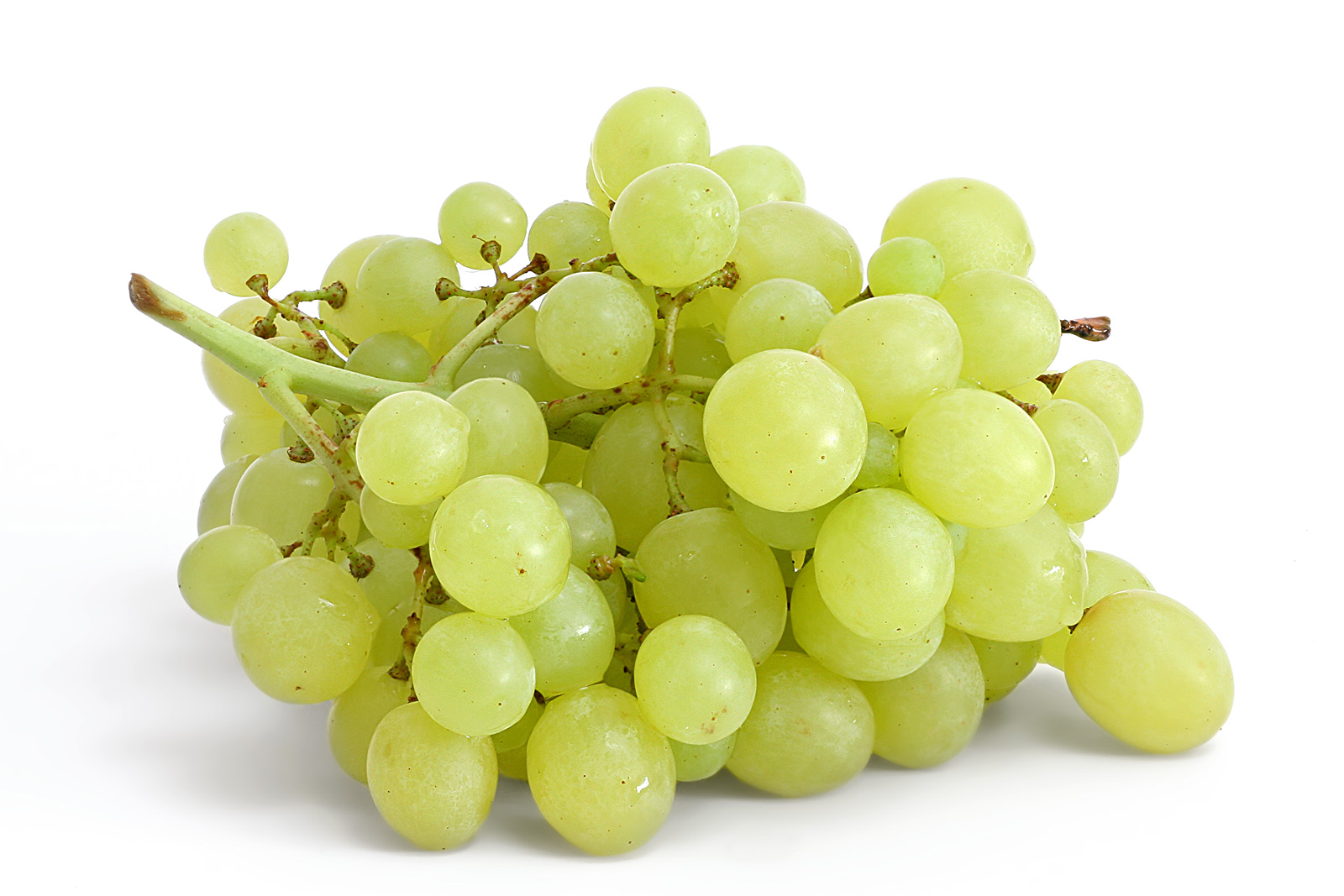
Why are grape seeds able to be dispersed by animals?

a)

It is light and has wing-like structure

b)

It is juicy and edible

c)

It has a fibrous husk that makes it float

d)

It has dry pods that split open

77.

Which are one of the reasons seed dispersal is important?

a)

It prevents overcrowding of plants in an area

b)

Humans and animals find seeds and eat them

c)

Some seeds don't get the proper conditions to grow

78.
What does disperse mean?
a)
sprout
b)
grow
c)
spread out
d)
blown by sind
79.
What is an example of wind dispersal?
a)
coconuts
b)
pecans
c)
dandelions
d)
grass seed
80.
What is an example of water dispersal?
a)
grass seed
b)
pine cones
c)
coconuts
d)
dandelions
81.
What is an example of dispersal by animals?
a)
Eating the fruit and seeds in a watermelon.
b)
dandelion
c)
coconut
d)
water washing a seed away from the grass
82.

Name a type of plant that hitchhikes on your shoes.

a)

sandburs

b)

bananas

c)

pecans

d)

pine cones

83.

The stem is an important part of many plants. Which of the following is most similar to the role performed by the stem of a plant?

a)

an elevator transporting supplies from one floor to another

b)

a colorful sign attracting people into a store

c)

a snack company producing energy bars

d)

an anchor holding a boat in place

84.

The flower is an important part of many plants. Which of the following is most similar to the role performed by the flower of a plant?

a)

an elevator transporting supplies from one floor to another

b)

a colorful sign attracting people into a store

c)

a snack company producing energy bars

d)

an anchor holding a boat in place

85.

The leaves are an important part of many plants. Which of the following is most similar to the role performed by the leaves of a plant?

a)

an elevator transporting supplies from one floor to another

b)

a colorful sign attracting people into a store

c)

a snack company producing energy bars

d)

an anchor holding a boat in place

86.

The roots are an important part of many plants. Which of the following is most similar to the role performed by the roots of a plant?

a)

an elevator transporting supplies from one floor to another

b)

a colorful sign attracting people into a store

c)

a snack company producing energy bars

d)

an anchor holding a boat in place