wayground logo

Free Printable Worksheets

Font size

S
M
L
XL
Worksheets

Chemistry Test Practice

Total questions: 100

Worksheet time: 2hrs 51mins

Name
Class
Date
1.
What is the smallest unit of all matter?
a)
atom
b)
proton
c)
neutron
d)
electron
2.

Which of the following is not true about protons?

a)

It is the smallest subatomic particle

b)

It has a charge of +1

c)

It is found in the nucleus

3.

Which of the following is true about electrons?

a)

It is the smallest subatomic particle

b)

It has a charge of +1

c)

It is found in the nucleus

4.
The tendency of an element to react with other elements to produce compounds. 
a)
Chemical change
b)
Neutrality
c)
Reactivity
d)
Valence 
5.
The number of protons in the atoms of a particular element that is unique only to that element.
a)
Atomic Mas
b)
Atomic Number
c)
Proton Number
d)
Mole 
6.
The number of negatively charged particles in the most outer shell.
a)
Valence Electrons 
b)
Valence Neutron
c)
Valence Proton
d)
Valance Particles
7.
A chemical substance made up of two or more kinds of atoms bonded together. 
a)
Mixture 
b)
Solution
c)
Compound
d)
None of the above
8.
A pure substance containing only one type of atom.
a)
Element
b)
Simple Substance
c)
Single Substance
d)
Mixture
9.
Which elements have the most similar chemical properties?
a)
K and Na
b)
K and Ca
c)
K and Cl
d)
K and S
10.
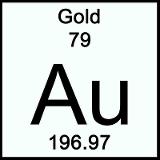
Which number is the atomic mass?
a)
79
b)
196.97
11.
What is the change of state from a gas to a liquid called?
a)
deposition
b)
sublimation
c)
evaporation
d)
condensation
12.
When the temperature of matter increases the particles...
a)
speed up and move closer
b)
speed up and move farther apart
c)
slow down and move closer together
d)
slow down and move farther apart
13.
Which two subatomic particles make up the nucleus of an atom?
a)
Protons and Electrons
b)
Neutrons and Electrons
c)
Electrons and Protons
d)
Protons and Neutrons
14.
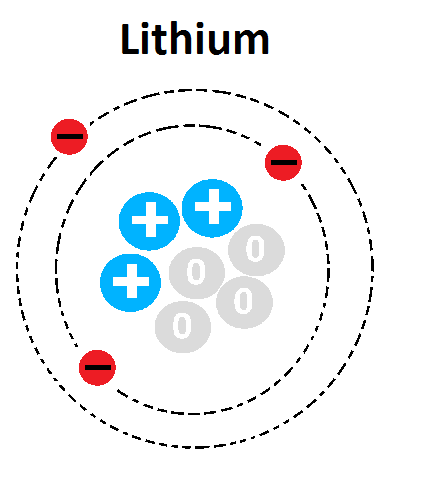
How many electron shells/levels does this atom have?
a)
1
b)
2
c)
3
d)
4
15.
This particle determines what element you have - the elements identity.
a)
electron
b)
proton
c)
neutron
d)
valence shell
16.
What is the mass number and name of an element with 8 protons and 8 neutrons?
a)
16 - Carbon
b)
16 - Oxygen
c)
24 - Oxygen
d)
8 - Neon
17.
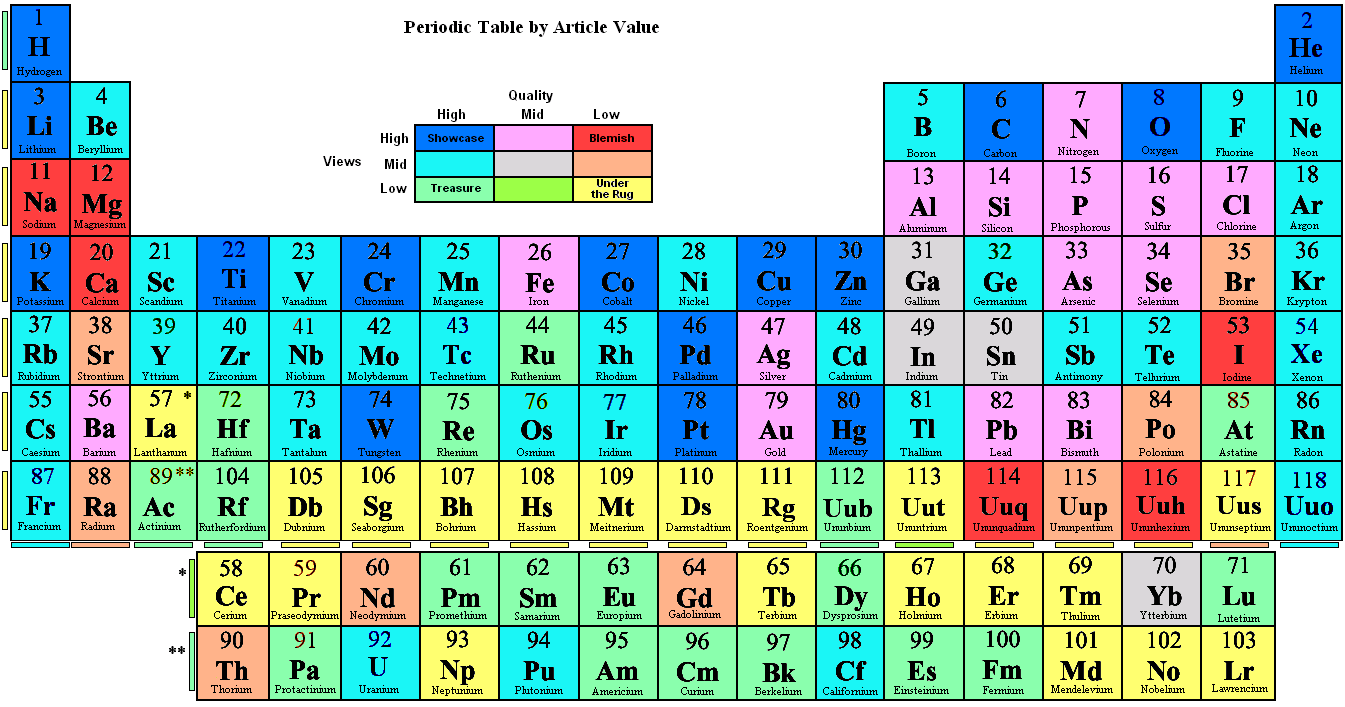
Each column in the periodic table is called a 
a)
period
b)
group
c)
cluster
d)
unit
18.
Elements which are shiny, conduct electricity and heat are called
a)
metal
b)
nonmetal
c)
metalloid
d)
nonexistent
19.
In the modern periodic table elements are arranged by:
a)
atomic mass
b)
atomic number
c)
valence electrons
d)
number of isotopes
20.
Which elements have the most similar chemical properties?
a)
K and Na
b)
K and Ca
c)
K and Cl
d)
K and S
21.
What period and group is Silver (Ag)? 
a)
Period 2, Group 1
b)
Period 3, Group 16
c)
Period 5, Group 11
d)
Period 2, 14
22.
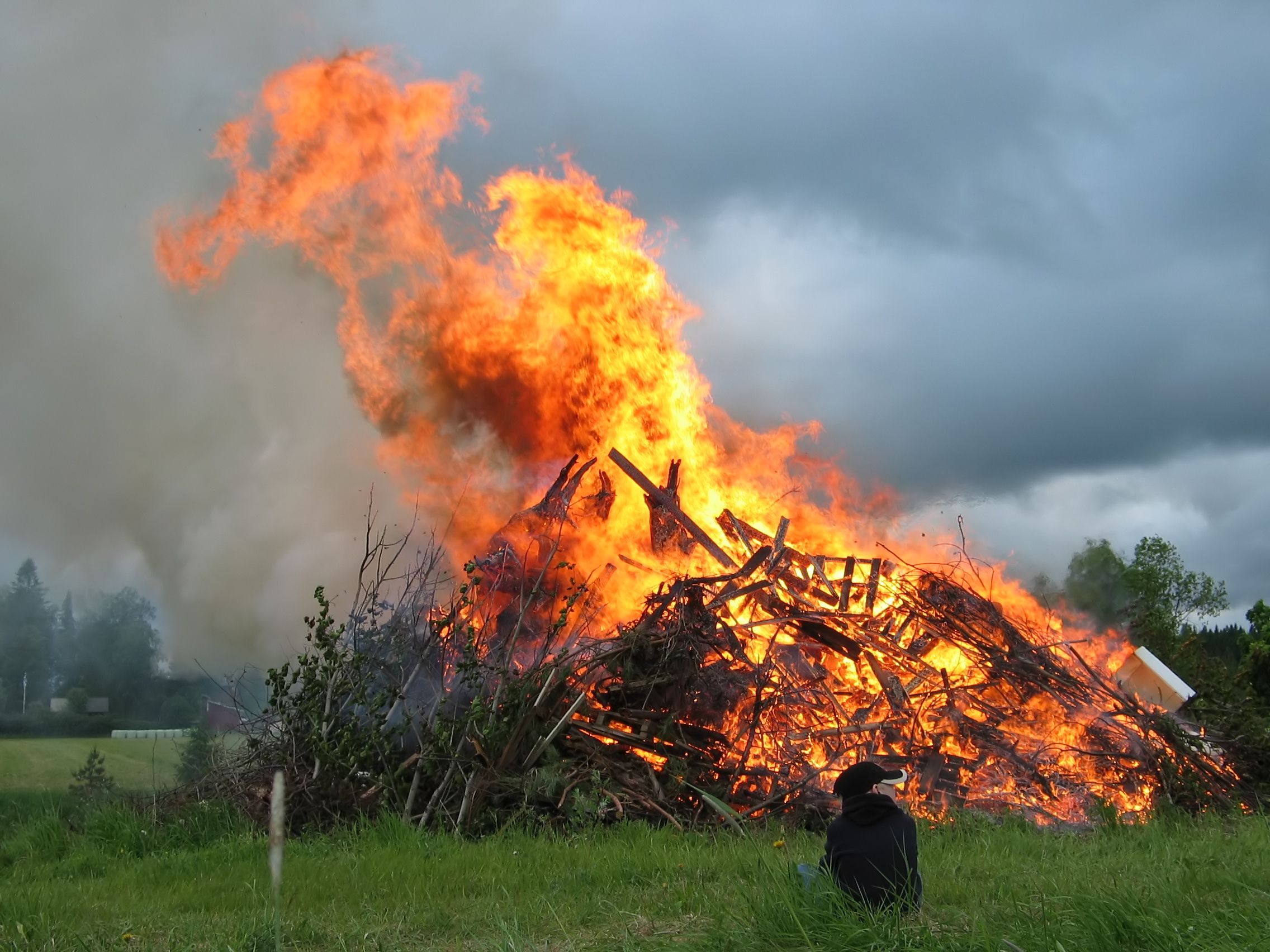
Is burning wood a chemical or physical change?
a)
chemical
b)
physical
23.
Which of the following is NOT an example of a physical change?
a)
crumpled paper
b)
pencil sharpening
c)
shrunken clothing
d)
rust
24.
What kind of properties can only be observed when a substance changes into a different substance?
a)
physical properties
b)
chemical properties
25.
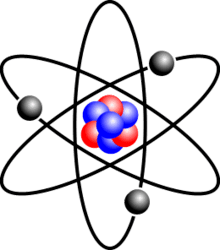
How many valence electrons?
a)
2
b)
3
c)
5
d)
10
26.

How many atoms in all are in a molecule of serotonin?

C10H12N2O

a)
22
b)
24
c)
25
d)
4
27.

The Law of Conservation of Mass states

a)

that matter exists in all states and reacts the same

b)

that matter can only be changed into new substances by introducing a catalyst

c)

that matter exists in the same state throughout any chemical change

d)

that matter cannot be created or destroyed and that the mass of the products must equal the mass of the reactants

28.

a copper penny turning greenish after a few years.

a)

Physical change

b)

Chemical change

29.
how many grams of potassium react with 16 grams of oxygen to produce 94 grams of potassium oxide
a)
78
b)
111
c)
16
d)
94
30.
24 g of magnesium reacts with 38 g of fluorine to produce _____ g magnesium fluoride
a)
62 
b)
38
c)
24
d)
14
31.
Salt has a chemical formula of NaCl.  Salt is a...
a)
Compound
b)
Element
c)
Mixture
d)
None of the Above
32.
What is the number of protons that the element in this image contain?
a)
14
b)
7
c)
15
d)
18
33.
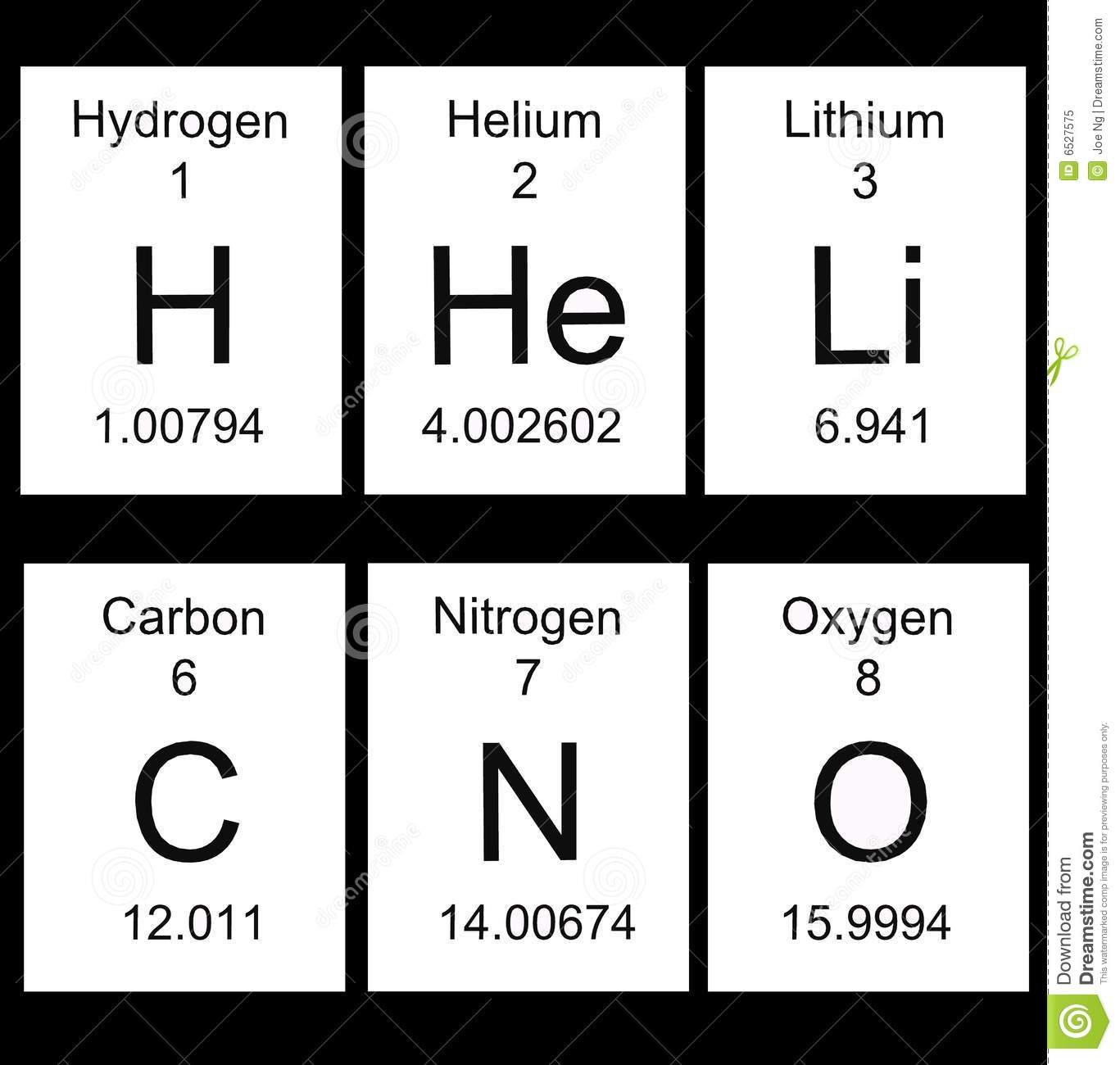
What does the 1.00794 stand for?
a)
Hydrogen
b)
atomic number
c)
atomic mass
d)
the mass #
34.

How many electrons does Oxygen have?

a)

16

b)

8

c)

15.99

d)

O

35.
a)
Protons + Electrons
b)
Atomic Number - Mass
c)
Mass - Atomic Number 
36.

An element has the mass number 12 and atomic number 6. The number of neutrons in it is:

a)

6

b)

10

c)

4

d)

8

37.

Which subatomic particle has a negative charge in the atom?

a)

proton

b)

neutron

c)

electron

d)

quark

38.

If an atom has 10 electrons, how many protons does it have?

a)

0

b)

1

c)

10

d)

5

39.
What is the atomic number of this atom?
a)
1
b)
3
c)
4
d)
7
40.
What is the mass number defined as?
a)
the number of protons
b)
the number of protons and neutrons
c)
the number of neutrons
d)
the number of protons and electrons
41.

How many electrons does the first shell hold?

a)

1

b)

2

c)

4

d)

8

42.
The nucleus is ____________ charged whereas the electron cloud is ____________ charged. 
a)
negatively, positively
b)
negatively, negatively
c)
positively, positively
d)
positively, negatively
43.
The  mass of an atom is located  in the ___________ and the volume of an atom is made of the ____________
a)
electron cloud, nucleus
b)
electron cloud, energy levels
c)
nucleus, electron cloud
d)
nucleus, neutrons
44.

What does the 1.0079 stand for?

a)

atomic number

b)

hydrogen

c)

atomic mass

d)

mass number

45.

The vertical (up and down) columns in the Periodic Table are called

a)

groups

b)

towers

c)

periods

d)

atomic numbers

46.
Sodium (Na) is found in period 
a)
3
b)
2
c)
4
d)
1
47.

What are valence electrons?

a)

Any of an atom's electrons

b)

Electrons located on the first energy level

c)

Electrons not attached to any atom

d)

electrons located on the outer energy level

48.
What does the atomic mass tell you? 
a)
Basically,the number of electrons and protons
b)
The number of neutrons
c)
Basically, the number of protons and neutrons
d)
The number of protons.
49.
Which element has an atomic number of 1?
a)
Lithium
b)
Oxygen
c)
Hydrogen
d)
Francium
50.
Each proton will attract one electron because...
a)
Protons are positive, electrons a negative
b)
protons are positive and electrons are positive
c)
both electrons and protons are negative
d)
neutrons have no charge so don't have any effect
51.
an atom with atomic number 6 would have how many protons 
a)
6
b)
12
c)
3
d)
cannot be determined 
52.
The positive particles of an atom are 
a)
electrons 
b)
positrons 
c)
neutrons 
d)
protons 
53.
A section of the Periodic Table of Elements is provided. What is the chemical symbol for magnesium?
a)
12
b)
Mg
c)
24.31
d)
Magnesium
54.
In order for me to find the number of neutrons, I must round the atomic mass and then do what?
a)
atomic number-atomic mass
b)
atomic number x atomic mass
c)
atomic mass + atomic number
d)
atomic mass - atomic number
55.

What is the name of the family that is highlighted?

a)

Alkali Metal Family

b)

Halogen Family

c)

Noble Gas Family

d)

Transition Metal Family

56.

Which element is located in period 4 and group 5?

a)

Vanadium (V)

b)

Zirconium (Zr)

c)

Niobium (Nb)

d)

Titanium (Ti)

57.
These are found on the Periodic Table.
a)
Compounds
b)
Elements
c)
Mixtures
58.

Fe is the ___________________ for iron

a)

atomic number

b)

chemical symbol

c)

atomic mass

d)

protons

59.
The number at the top of each square on the periodic table is the ...
a)
atomic number
b)
atomic mass
c)
Chemical Symbol
d)
Element Name
60.
Which of the following is not a compound?
a)
HCl
b)
Cl
c)
NaCl
d)
CO2
61.

The model of an atom that shows electrons in circular orbits around the nucleus is called the:

a)

Bohr Model

b)

Lewis Dot Structure

c)

Rutherford Model

d)

Thomson Model

62.
An element with a mass number of 10 and an atomic number of 6 has how many PROTONS?
a)
16
b)
8
c)
6
d)
10
63.
Is wood burning a physical or chemical change?
a)
Physical 
b)
Chemical
64.
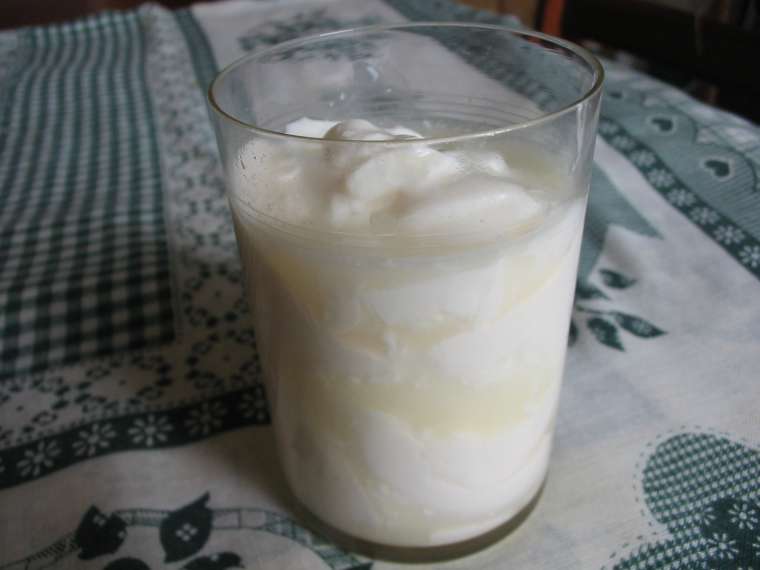
Is milk going sour a physical or chemical change?
a)
Physical 
b)
Chemical
65.
Is copper tarnishing a physical or chemical change?
a)
Physical 
b)
Chemical
66.
In a chemical reaction, how do the reactants compare to the products?
a)
They are the same
b)
They are different
67.
Which of the following tells you that a chemical change may have occurred?
a)
Change Shape
b)
Melting
c)
Vaporizing
d)
Change in color
68.
What happens in ALL chemical changes?
a)
Change in state of matter
b)
A new substance is formed
c)
Bubbles are produced
d)
An explosion
69.
Another name for a homogeneous mixture is 
a)
an element.
b)
a solution.
c)
a compound.
70.
What is a compound? 
a)
 the simplest form of a substance 
b)
a combination only of 3 elements 
c)
a combination of 2 or more elements 
d)
a place where people are held 
71.
What is the simplest form that cannot be broken down to anything simpler? 
a)
element 
b)
solution
c)
compound
72.
This type of mixture contains two or more substances that are visibly distinguishable. 
a)
homogeneous
b)
heterogeneous
c)
solution
d)
colloid
73.
Which of the following is not a way to increase the rate of dissolving
a)
evaporation
b)
stirring 
c)
increasing temperature
d)
using a smaller particle size
74.
The yellow atoms are called 
a)
metals
b)
nonmetals
c)
metalloids
d)
noble gases
75.
The periodic table has __ periods.
a)
18
b)
8
c)
2
d)
7
76.
An element's identity is determined by the number of
a)
electrons.
b)
protons.
c)
neutrons.
d)
valence.
77.
How many neutrons are in a Gold atom?
a)
79
b)
196
c)
118
d)
275
78.
The periodic table has __ groups.
a)
8
b)
7
c)
18
d)
2
79.
Rows on the period table are called _____ while columns are called _____.
a)
groups, families
b)
groups, periods
c)
periods, groups
d)
families, groups
80.
How many Calcium atoms are in this compound? 
Ca (OH)2
a)
2
b)
3
c)
1
d)
4
81.
How many Sulfur atoms are in this compound? 
Al2(SO4)3
a)
4
b)
2
c)
3
d)
1
82.
12g of Carbon react with 16g of Oxygen, how much carbon monoxide (CO) is formed? 
a)
28 g
b)
4g
c)
30g
d)
12g
83.
In a reaction A + B ----> C,  reactant A has 5g and product  C has 9g. How many grams does reactant B should have? 
a)
4g
b)
5g
c)
9g
d)
14g
84.
The number of atoms of  N (nitrogen) in 3N2O5 is
a)
2
b)
5
c)
6
d)
15
85.
The coefficient in  3H2O is
a)
6
b)
2
c)
3
d)
5
86.
A precipitate is a 
a)
liquid that forms when two solids are reacted
b)
a solid that forms when two liquids are mixed
c)
a gas that forms when vinegar and baking soda react
d)
a change of color in a solution
87.
If a reaction starts with a total 75g of reactants it should produce 
a)
a total of 40g of products
b)
a total of 75g of products
c)
a total of 180 g of products
d)
None of the above
88.

What is the right part of a chemical equation called?


2H2 + O2 --> 2H2O

a)

products

b)

reactants

c)

output

d)

yields

89.

What is the left part of the chemical equation called?


Fe + S → FeS

a)

products

b)

reactants

c)

output

d)

yields

90.
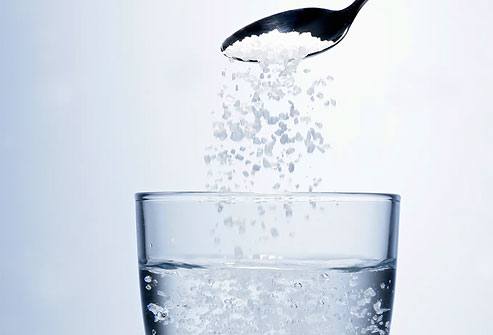
If 10 grams of water are added to 5 grams of salt, how much salt water will be made?
a)
2 grams
b)
5 grams
c)
10 grams
d)
15 grams
91.

Solve for the unknown mass: 6.1 g + ? g = 9.1 g

a)

15.2

b)

3 g

c)

15.2 g

d)

3

92.
The Law of Conservation of matter states that the total amount of matter ______________ after it undergoes change.
a)
disappears
b)
stays the same
c)
weighs less
d)
explodes
93.
Matter can under go two types of changes:
a)
happy and sad
b)
physical and chemical
c)
exploding and folding
94.
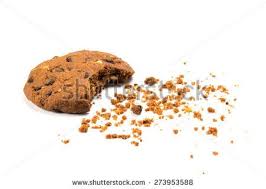
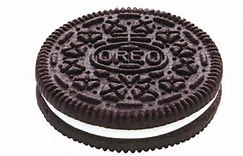
An oreo cookie weighs 20 grams.  It gets crushed into crumbs for a recipe.  How much do its crumbs weigh?
a)
15 grams
b)
25 grams
c)
20 grams
95.
Number placed in front of a chemical formula
a)
product
b)
coefficient
c)
reactant
d)
subscript
96.
Number written below & to the right of a chemical symbol
a)
subscript
b)
reactant
c)
product
d)
coefficient
97.
If reaction starts with 20g of reactants it should produce 
a)
a total of 40g of products
b)
a total of 10g of products
c)
a total of 80 g of products
d)
a total of 20g of products
98.
 Fill in the blank to balance the chemical equation. 
2KI  +  ____Cl  2KCl  +  I2
a)
1
b)
2
c)
3
d)
4
99.
What coefficient should go in the blank space to balance the chemical equation? 
2Al  +____  HCl   →    2AlCl3  +  3H2
a)
2
b)
4
c)
3
d)
6
100.
How many elements are in C6H12O6?
a)
1
b)
2
c)
3
d)
4