Wayground logo

Free Printable Worksheets

Font size

S
M
L
XL
Worksheets

Biochemistry Review

Total questions: 67

Worksheet time: 59mins

Name
Class
Date
1.
Everything is made up of little tiny things called _____
a)
compounds
b)
molecules
c)
atoms
d)
solids
2.
From the diagram, which particles are indicated with the arrow?
a)
electrons and protons
b)
protons and neutrons
c)
electrons and neutrons
d)
photons and nucleons
3.
These particles orbit around the nucleus of an atom.  What are they called?
a)
electrons
b)
protons
c)
neutrons
d)
photons
4.
In the center of the atom is something called _____
a)
the kernel
b)
the cell
c)
the nucleus
d)
the focal point
5.
Which of the following is a positively charged subatomic particle found in the nucleus of an atom?
a)
Electron
b)
Proton
c)
Neutron
d)
Quark
6.
What carries no charge 
a)
Neutrons
b)
Electrons
c)
Protons
7.
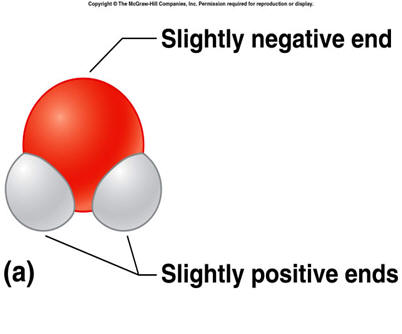
What property of water makes it the 'universal solvent'?
a)
it is a polar molecule
b)
it is an ionic compound
c)
it contains hydrogen bonds
d)
it steals electrons from other atoms
8.
Carbohydrates are made of... 
a)
C H O
b)
C H O N
c)
C H O N P
d)
C H O N S
9.
How many different amino acids are there?
a)
4
b)
20
c)
6
d)
46
10.
Glucose is a _____.
a)
carbohydrate
b)
lipid
c)
protein 
d)
nucleic acid
11.
Proteins are composed of what smaller building blocks?
a)
amino acids
b)
nucleic acids
c)
fatty acids
d)
nucleotides
12.
Which group of organic molecules serve as long-term energy storage and make the cell membrane is?
a)
proteins
b)
carbohydrates
c)
lipids
d)
nucleic acids
13.
The primary purpose the body uses monosaccharides for is?
a)
Building muscles
b)
Helping the Immune System
c)
Immediate Energy
d)
Generating Heat
14.
Which of the following is LEAST likely to dissolve in water?
a)
nonpolar fats and oils
b)
polar sugar molecules
c)
salt made of a positive sodium ion and a negative chloride ion
d)
all of the substances will dissolve easily in water
15.
Also known as simple sugars, these are the monomers of carbohydrates.
a)
lipids
b)
nucleotide
c)
monosaccharide
d)
monomer
16.
What do disaccharides, such as sucrose, and polysaccharides, such as starch, have in common?
a)
They are lipids made of fatty acids.
b)
They are proteins made of amino acids.
c)
They are nucleic acids made of nucleotides.
d)
They are carbohydrates made of simple sugars.
17.
Building blocks of polymers.
a)
monomer
b)
polypeptide
c)
monosaccharide
d)
glycerol
18.
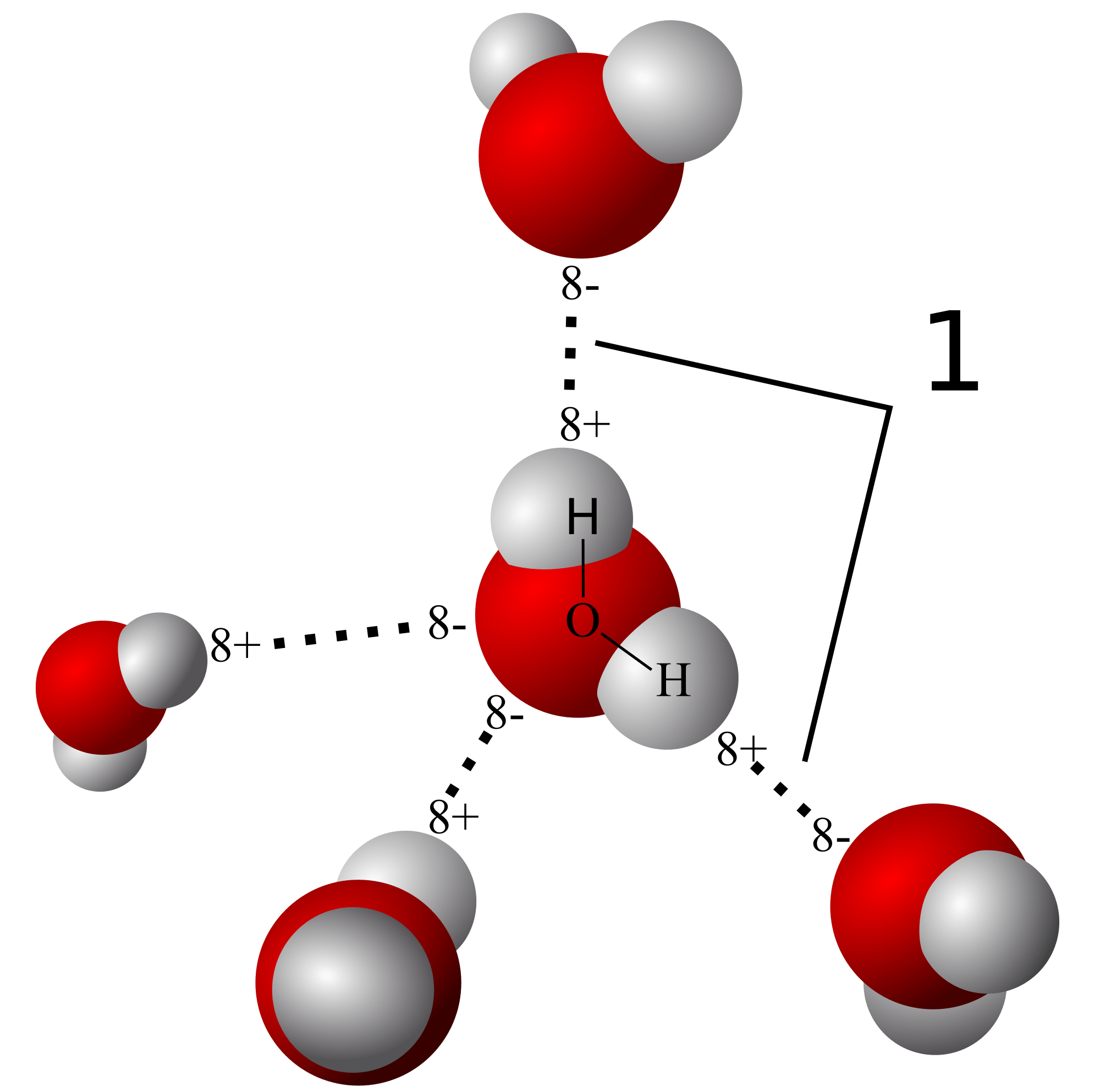
Attractions between water molecules are called
a)
Covalent bonds
b)
Ionic bonds
c)
Polar bonds
d)
Hydrogen bonds
19.

What three elements are found in all macromolecules?

a)

Carbon, Hydrogen, Nitrogen

b)

Carbon, Oxygen, and Phosphorus

c)

Carbon, Hydrogen, and Oxygen

d)

Carbon, Oxygen, and Nitrogen

20.
The four organic compounds found in living things are?
a)
Carbohydrates, Lipids, Nucleic Acids, and Oxygen
b)
Carbohydrates, Lipids, Proteins, and Carbon
c)
Carbohydrates, Lipids, Proteins, Nucleic Acids
d)
Carbon, Lipids, Proteins, Nucleic Acids
21.
Enzymes are examples of this organic compound...
a)
Carbohydrate
b)
Lipid
c)
Protein
d)
Nucleic Acid
22.
Oils are examples of this type of organic compound...
a)
Carbohydrate (Sugars)
b)
Lipid (Fats)
c)
Protein
d)
Nucleic Acid
23.
This is an example of 
a)
Lipid 
b)
Carbohydrate 
c)
Protein
d)
Nucleic Acid
24.
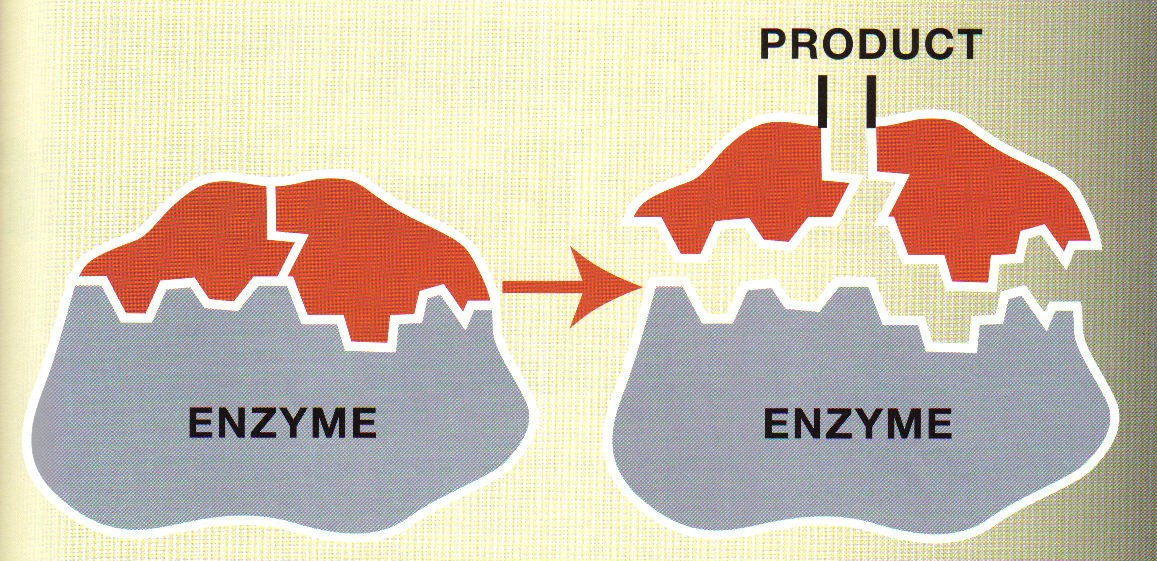
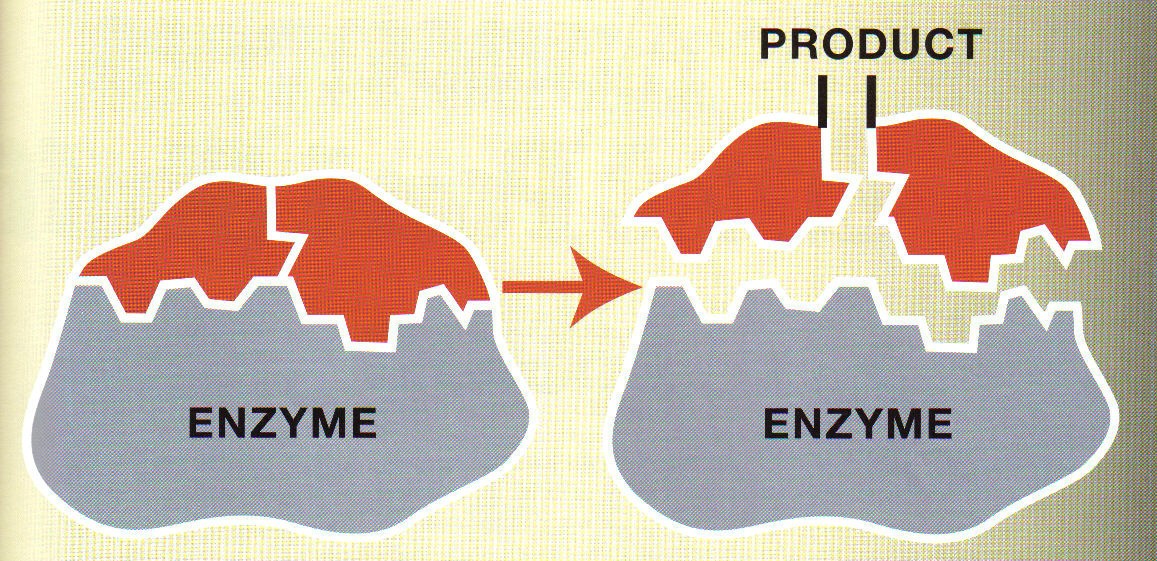
What is an Enzyme?
a)
energy needed to get a reaction started
b)
large compound formed from combinations of many monomers
c)
proteins that act as biological catalyst to speed up reactions
25.
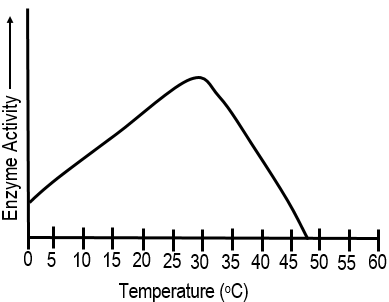
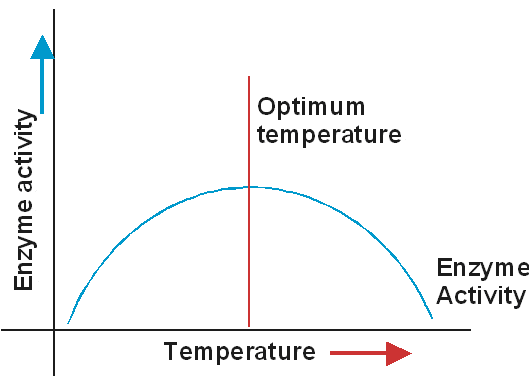
The effect of temperature on the relative rate of action of an enzyme is represented in the graph below. 
The optimum temperature for the action of this enzyme is approximately
a)
15⁰C
b)
22⁰C
c)
37⁰C
d)
50⁰C
26.
Which statement best describes the enzyme represented in the graphs below? 
a)
This enzyme works best at a temperature of 35⁰C and a pH of 8
b)
This enzyme works best at a temperature of 50⁰C and a pH of 12
c)
This enzyme works best at a temperature of 35⁰C and a pH of 12
27.
Based on the graph, what is the optimal temperature for this enzyme? 
a)
15oC
b)
40oC
c)
30oC
d)
45oC
28.
3 Long Chains of Fatty Acids 
a)
nucleic acids
b)
carbohydrates 
c)
proteins
d)
lipids
29.
In a molecule of DNA the sub-units are called
a)
nucleotides
b)
simple sugars
c)
lipids
d)
proteins
30.
Which of the following is NOT a function of proteins
a)
Assist in blood clotting
b)
Fight infections and diseases
c)
Assist in the processing of glucose
d)
None of the above
31.
Which of the following is NOT a function of proteins
a)
Acts as a catalyst to speed up reactions
b)
Fight infections and diseases (Immunity)
c)
carries oxygen within red blood cells
d)
Store genetic Information
32.
Which of the following is not one of the four properties of water?
a)
Universal Solvent
b)
Non-polar
c)
Expansion upon freezing
d)
Cohesion
33.
Which major macromolecule is being represented in this image? 
a)
carbohydrate
b)
lipid
c)
protein
d)
nucleic acid
34.
Which of the following contains the genetic code for protein synthesis?
a)
carbohydrate
b)
lipid
c)
protein
d)
nucleic acid
35.

Which macromolecules has a nitrogen base and phosphate found in its structure?

a)

carbohydrate

b)

lipid

c)

protein

d)

nucleic acid

36.

If a substance has the elements CHO and is not soluble in water, which of the macromolecules would this substance be?

a)

Carbohydrate

b)

Lipid

c)

Protien

d)

Nucleic Acid

37.
TRUE or FALSE
Enzymes function best at a specific temperature.
a)
True
b)
False
38.
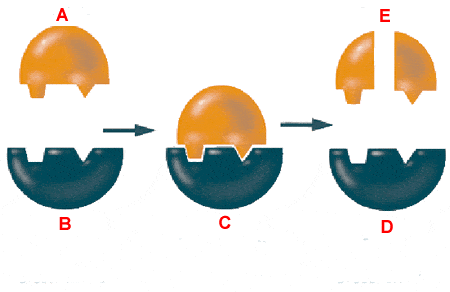
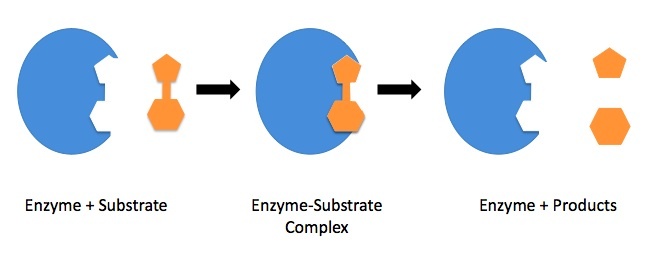
What is being represented by letter C? 
a)
Enzyme
b)
Active site
c)
Substrate
d)
Lipid
39.
The element _______is found in all of the organic compounds.
a)
Iron
b)
Nitrogen
c)
Carbon
d)
Oxygen
40.
DNA and RNA are examples of 
a)
Carbohydrates
b)
Lipids
c)
Proteins
d)
Nucleic Acids
41.

Which macromolecule is shown?

a)

lipid

b)

protein

c)

nucleic acid

d)

carbohydrate

42.

Which macromolecule is shown?

a)

lipid

b)

protein

c)

nucleic acid

d)

carbohydrate

43.
Lipids are made of... 
a)
C H O
b)
C H O N
c)
C H O N P
d)
C H O N S
44.
Proteins are made of... 
a)
C H O
b)
C H O N
c)
C H O N P
d)
C H O N S
45.

What property of water allows aquatic organisms to survive when the temperature drops below freezing?

a)

expansion upon freezing

b)

capillary action

c)

universal solvent

d)

surface tension

46.
What two elements make up water?
a)
Helium and oxygen
b)
Hydrogen and oxygen
c)
helium and carbon
d)
oxygen and carbon
47.
What word describes when water is attracted to other substances?
a)
cohesion
b)
adhesion
c)
capillary action
d)
surface tension
48.
Attractions between water molecules are called
a)
Covalent bonds
b)
Ionic bonds
c)
Polar bonds
d)
Hydrogen bonds
49.
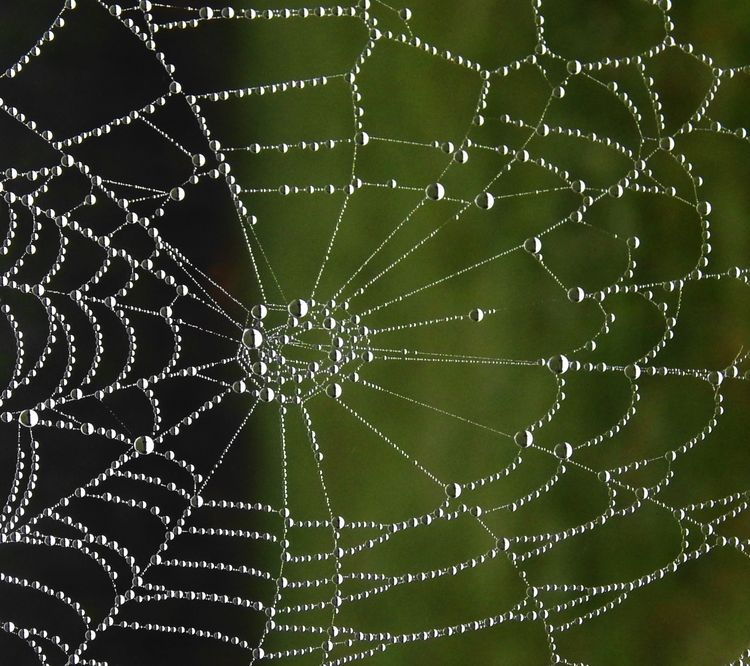
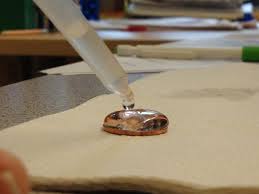
The attraction that causes water and other liquids to form drops on thin films is called ________________. This is also water’s ability to be attraction to other water molecules.
a)
adhesion
b)
capillary action
c)
cohesion
d)
surface tension
50.
molecule in which opposite ends have opposite electric charges
a)
cohesion
b)
polar molecule
c)
hydrogen bond
d)
solution
51.
What is the activation energy?
a)
The energy of the products
b)
The energy of the reactants
c)
The minimum energy needed by the reactants to form the products.
d)
The energy lost in the reaction
52.
The area that the substrate fits into on the enzyme is called the:
a)
Active Site
b)
Allosteric Site
c)
DiSulphide Bridge
d)
β-Pleated Sheet
53.
Enzymes catalyze reactions by ___________ Activation Energy.
a)
Increasing
b)
Decreasing
54.
Enzymes speed up reaction rates by changing:
a)
Activation Energy
b)
pH
c)
Hydrogen Bonds
d)
Kinetic Energy
55.
At high temperatures enzyme activity declines because of:
a)
Denaturation
b)
Decreased Kinetic Motion
c)
Increased H-Bonding
d)
Dissociation of Ionic Compounds
56.
Most enzymes have the ending:
a)
-ase
b)
-ose
c)
-ic acid
d)
-ate
57.
The pH scale is a range from:
a)
1-7
b)
0-14
c)
1-5
d)
1-20
58.
A(n) ______ is a substance with a pH less than 7
a)
Acid
b)
Alkaline
c)
Base
d)
Buffer
59.
A(n) _______ is a substance with a pH greater than 7.
a)
Base
b)
Acid
c)
Buffer
d)
Water
60.

A base is a substance

a)

That releases OH- ions when dissolved in water

b)

That releases H+ ions when dissolved in water

c)

Does not release any ions when dissolved in water

d)

None of the above

61.

A pH of 3 is how many times more acidic than a pH of 5?

a)

2

b)

20

c)

10

d)

100

62.

The picture below shows the relative concentrations of H+ and OH- in a solution. Is the solution an acid or a base?

a)

acid

b)

base

63.

An acid

a)

is a substance that releases H+ ions when dissolved in water

b)

is a substance that does not release any ions when dissolved in water

c)

is a substance that releases OH- when dissolved in water

d)

releases an equal amount of OH- and H+ ions when dissolved in water

64.

Water has a neutral because

a)

it has more H+ ions than OH-

b)

it has more OH- ions than H+

c)

it does not produce any ions

d)

it has an equal amount of H+ and OH- in solution

65.
According to the pH range which substance is more acidic than lemon juice
a)
Hydrochloric acid
b)
cabbage
c)
milk
66.
A solution has a pH of 7.0.  What would happen to the pH if H ions were added?
a)
pH would go up
b)
pH would go down
c)
pH would stay the same
d)
None of these
67.
A solution has a pH of 7.0.  What would happen to the pH if OH ions were added?
a)
pH would go up
b)
pH would go down
c)
pH would stay the same
d)
None of these