wayground logo

Free Printable Worksheets

NEW

Font size

S
M
L
XL
Worksheets

Elements, mixtures and compounds

Total questions: 60

Worksheet time: 1hrs 12mins

Name
Class
Date
1.
These contain only one kind of atom. 
a)
element 
b)
compound 
c)
mixture 
d)
water 
2.
A compound is made of ________ atoms. 
a)
big 
b)
similar 
c)
different 
3.
Carbon Dioxide is a ______ 
a)
compound 
b)
element 
c)
mixtures 
d)
Battle of Bunker Hill 
4.
Which of the following represents an element?
a)
H2O
b)
H2
c)
NaCl
d)
CaCO3
5.
This picture represents which of the following?
a)
element
b)
compound
c)
mixture of elements
d)
mixture of compounds
6.
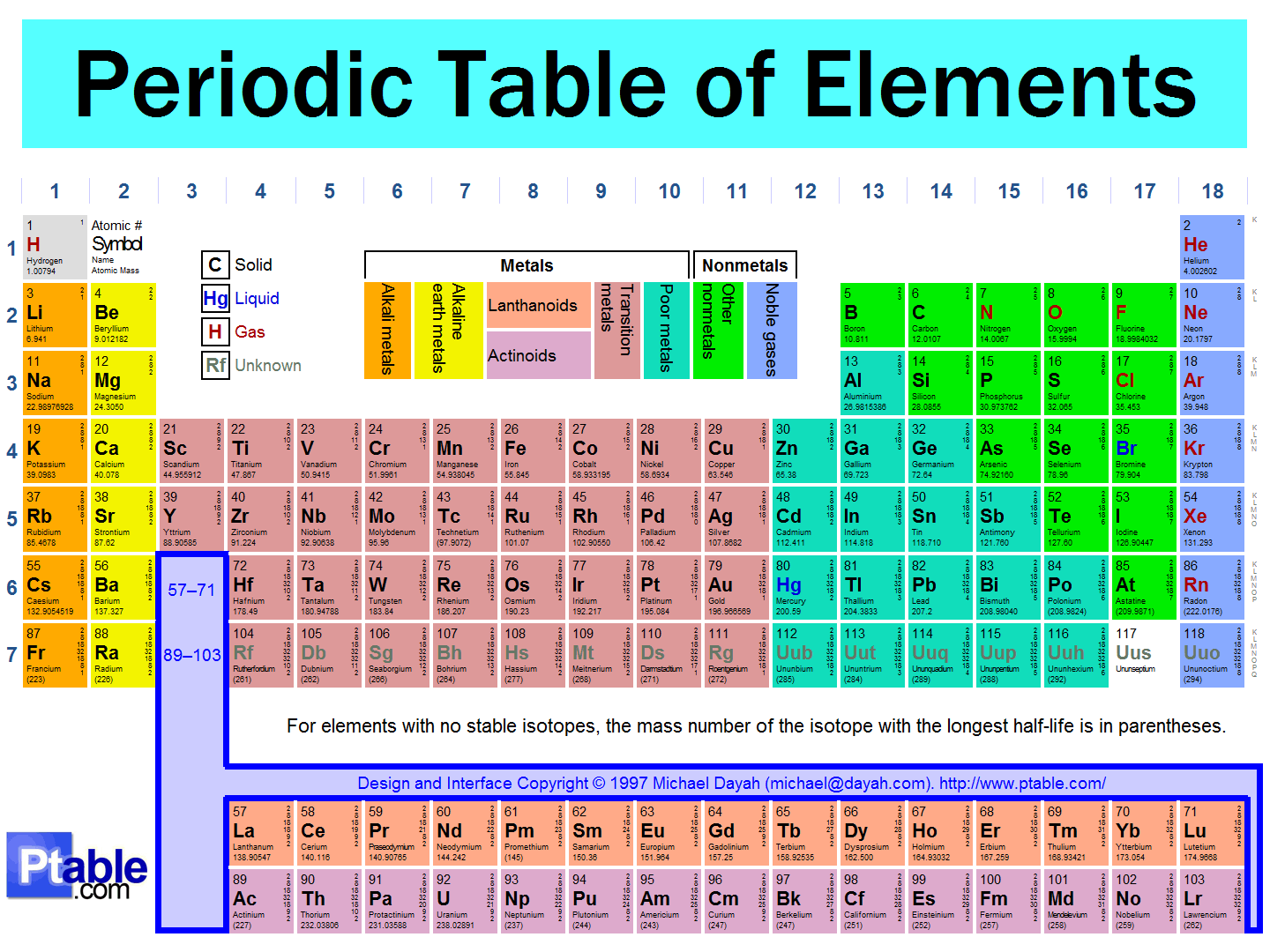
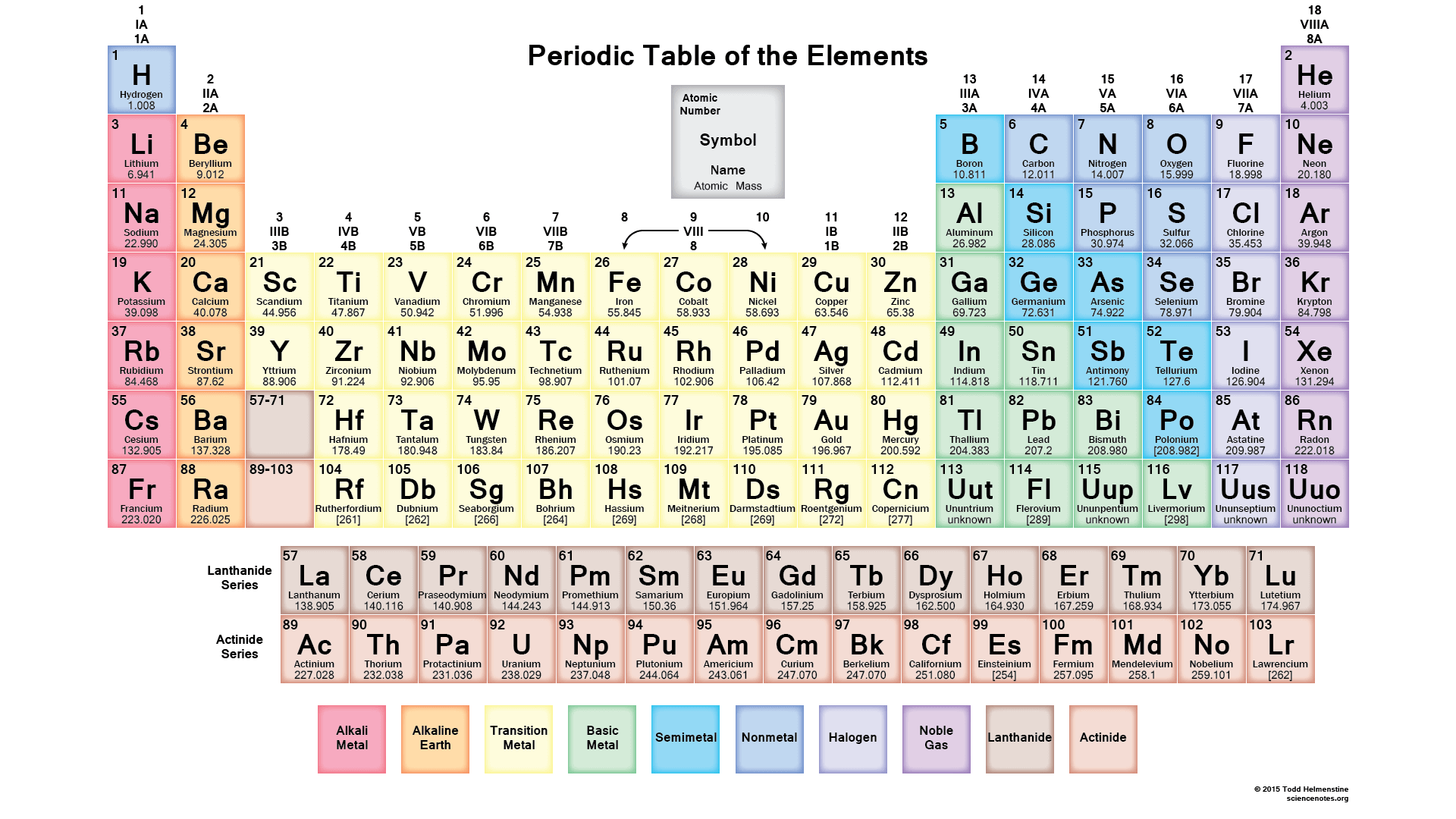
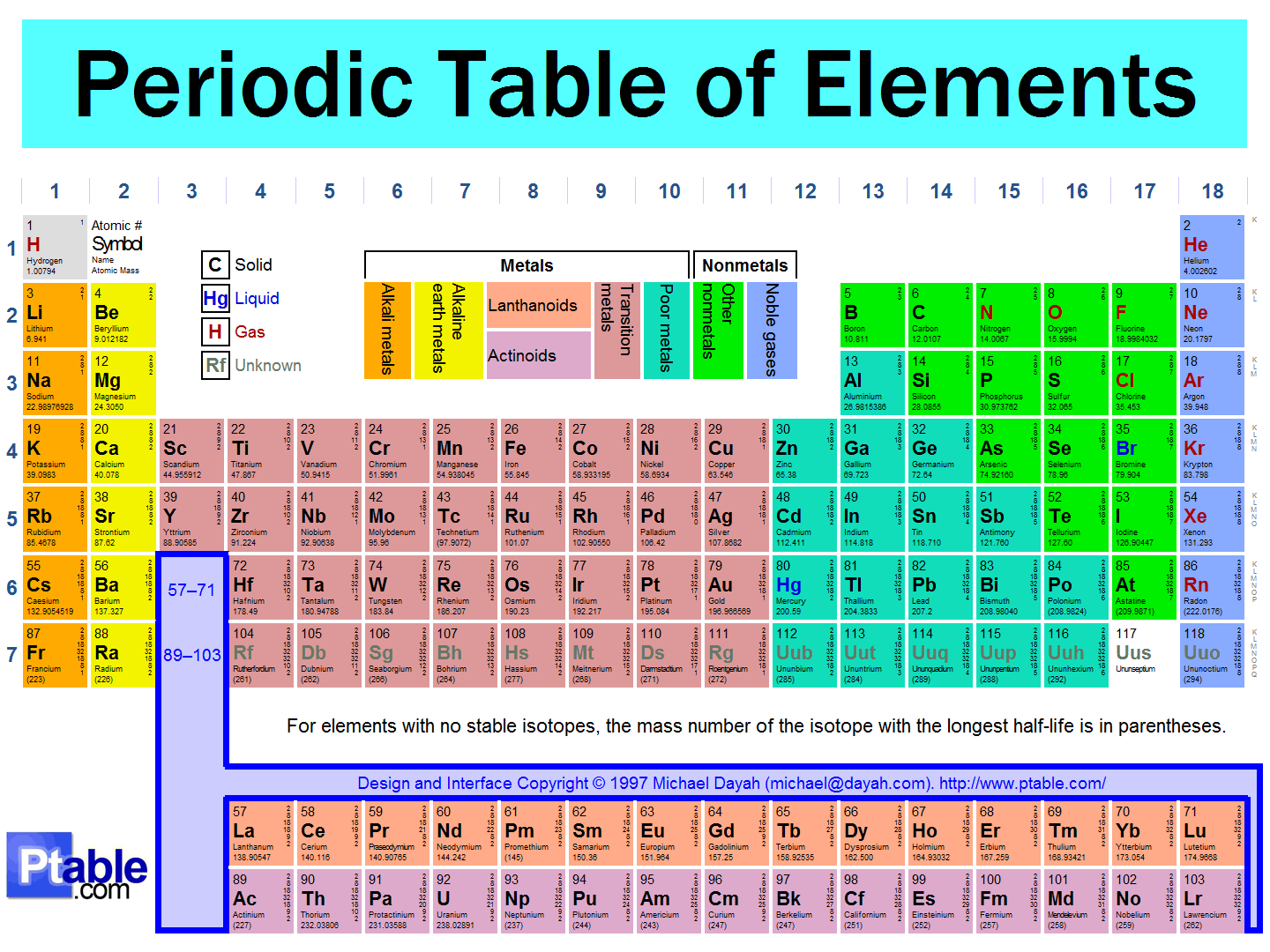
What is Fe?
a)
Boron
b)
Fluorine
c)
Francium
d)
Iron
7.

Which statement identifies why oxygen is classified as a pure substance and air is classified as a mixture?

a)

Oxygen is more reactive than air.

b)

Oxygen has a higher density than air.

c)

Oxygen goes under a phase change, whereas air is always a gas.

d)

Oxygen contains only one substance, but air contains several substances.

8.

Which changes MUST happen for elements to become a compound?

a)

elements are heated

b)

a gas becomes a liquid

c)

elements dissolve in water

d)

chemical bonds form between atoms.

9.

Water (H2O), is not found on the periodic table because water is a...

a)

atom

b)

liquid

c)

mixture

d)

compound

10.

Oxygen and iron combine chemically to form rust. Rust is classified as which of the following?

a)

an atom.

b)

an element.

c)

a compound.

d)

a mixture.

11.

When the elements copper (Cu) and oxygen (O) chemically combine, they form...

a)

an ion

b)

a gas

c)

a compound

d)

a mixture

12.

This image is a model of...

a)

an element

b)

a compound

c)

a homogenous mixture

d)

a heterogeneous mixture

13.

This picture is a model of...

a)

an element

b)

a compound

c)

a homogenious mixture

d)

a heterogeneous mixture.

14.
Examples are milk and gasoline.
a)
elements
b)
mixtures
c)
compounds
15.

Examples are diamonds (C) and Uranium (U)

a)

elements

b)

mixtures

c)

compounds

16.
Is sugar (C12H22O11) an element or a compound?
a)
Element
b)
Compound
17.
What is H2SO4 
 made up of?
a)
2 hydrogen, 1 sulfur, 4 oxygen
b)
1 hydrogen, 2 sulfur, 4 oxygen
c)
2 hydrogen & 4 sodium
d)
1 hydrogen & 6 sodium
18.
In general, metals are _____. 
a)
poor conductors of heat
b)
brittle
c)
poor conductors of electricity 
d)
good conductors of heat
19.
Shiny
a)
Metal
b)
Nonmetal
20.
Sulfur
a)
Metal
b)
Nonmetal
21.
Classify the picture with the correct label.
a)
Element
b)
Compound
c)
Mixture of Elements
d)
Mixture of Compounds
22.
Classify the picture with the correct label.
a)
Element
b)
Compound
c)
Mixture of Elements and Compounds
d)
Mixture of Elements
23.
Classify the picture with the correct label.
a)
Element
b)
Compound
c)
Mixture of Elements & Compounds
d)
Mixture of Compounds
24.
Classify the picture with the correct label.
a)
Compounds
b)
Mixture of Elements
c)
Mixture of Compounds
d)
Mixture of Elements & Compounds
25.
Classify the picture with the correct label.
a)
Mixture of Compounds
b)
Mixture of Elements
c)
Compound
d)
Mixture of Elements & Compounds
26.
Salt is a(n)
a)
element
b)
compound
c)
mixture
27.

The chart below lists some substances and their symbols. How many of these substances are examples of elements?

a)

1

b)

2

c)

3

d)

4

28.

What is the relationship between molecules and atoms?

a)

Molecules are combinations of two or more atoms.

b)

Molecules are the parts that make up atoms

c)

Molecules are the gaseous parts of atoms

d)

Molecules are atoms that have a positive charge
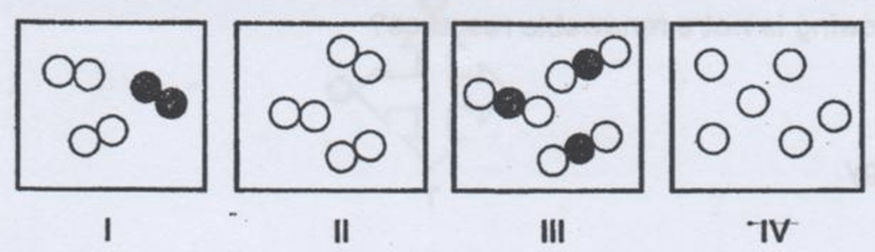
29.

In the diagrams provided, the circles of different colors represent the atoms of different elements. Which diagram represents a mixture?

a)

I

b)

II

c)

III

d)

IV

30.
This picture represents which of the following?
a)
element
b)
compound
c)
mixture
31.
Are these molecules also compounds?
a)
YES
b)
NO
32.
Are these molecules also compounds?
a)
YES
b)
NO
33.

In this diagram, X represents...

a)

A compound

b)

A mixture

c)

An atom

d)

An element

34.

Which example is a compound?

a)

N2

b)

O2

c)

Cu

d)

H2O2

35.
Compounds contain a _____ set of elements.
a)
fixed
b)
random 
c)
sweet 
d)
inaccurate 
36.
These must be separated chemically. 
a)
elements 
b)
compounds 
c)
mixtures 
d)
homogeneous mixtures 
37.
A compound is made of ________ atoms. 
a)
big 
b)
similar 
c)
different 
38.
Concrete is a ______.
a)
mixture 
b)
compound 
c)
element 
39.

Which substance is comprised of more than one element?

a)

helium

b)

aluminum

c)

silver

d)

steel

40.

Ammonia is made up of two pure substances: nitrogen and hydrogen. What can be true for ammonia, nitrogen, and hydrogen?

a)

Ammonia is a mixture, and nitrogen and hydrogen are elements.

b)

Ammonia is a mixture, and nitrogen and hydrogen are compounds

c)

Ammonia is a compound, and nitrogen and hydrogen are elements.

d)

Ammonia is an element, and nitrogen and hydrogen are compounds.

41.

The image shows the atomic arrangements of four different substances. Which are compounds and why?

a)

hydrogen because it contains only one kind of atom

b)

methane because it contains the maximum number of molecules

c)

water and carbon dioxide because each contains a similar number of molecules

d)

water, carbon dioxide, and methane because each contains more than one element

42.

Study the flow chart showing the organization of matter. What term is missing as indicated by the question mark in the flow chart?

a)

compounds

b)

metals

c)

molecules

d)

solutions

43.

Water, a stable liquid, is formed when two flammable gases, hydrogen and oxygen, combine. What has happened?

a)

An atom has been created.

b)

A compound has been created.

c)

A mixture has been created.

d)

An element has been created.

44.
How many carbon atoms (C) are in a COmolecule?
a)
1
b)
2
c)
3
d)
0
45.
How many Oxygen atoms (O) are in a  molecule  of CO2
a)
1
b)
2
c)
3
d)
0
46.
Which is the correct formula for:
 three hydrogen (H)
one sulfur (S)
four oxygen (O)
a)
H3SO4
b)
HSO4
c)
H4S3O
d)
H2O
47.
How many atoms are there TOTAL in:
H2SO4
a)
6
b)
5
c)
7
d)
3
48.

An atom has an atomic number of 15 and a mass number of 31. How many protons are there in the atom?

a)

15

b)

31

c)

16

d)

47

49.
What carries no charge 
a)
Neutrons
b)
Electrons
c)
Protons
50.
The blue atoms are called 
a)
metals
b)
nonmetals
c)
metalloids
d)
noble gases
51.
Which is the smallest?
a)
electron
b)
proton
c)
atom
d)
neutron 
52.
How many elements are in C6H12O6?
a)
1
b)
2
c)
3
d)
4
53.
The one or two letters used to represent elements 
a)
Yield sign
b)
Coefficient
c)
Symbol
d)
Subscript
54.
How many atoms of carbon (C) are in C6H12O6?
a)
3
b)
6
c)
12
d)
24
55.

The vertical (up and down) columns in the Periodic Table are called

a)

groups

b)

towers

c)

periods

d)

atomic numbers

56.
The Modern Periodic Table of Elements is arranged by
a)
atomic mass
b)
atomic number
c)
valence electrons
d)
number of isotopes
57.
Sodium (Na) is found in period 
a)
3
b)
2
c)
4
d)
1
58.
Sodium (Na) is found in group 
a)
1
b)
2
c)
3
d)
4
59.
The atoms we study in 6th grade are neutral, which means they have the same number of
a)
protons and electrons
b)
protons and neutrons
c)
electrons and neutrons
60.

The horizontal (side to side) rows in the Periodic Table are called

a)

groups

b)

families

c)

periods

d)

atomic numbers