
 Worksheets
Study Guide Ch. 2 Chemistry of Life (Anatomy)
Total questions: 80
Worksheet time: 2hrs 30mins
What is the charge of an electron?
Positive
Negative
Neutral
What is the charge of an proton?
Positive
Negative
Neutral
What is the charge of an neutron?
Positive
Negative
Neutral
Which of the following elements are the basis of organic, living organisms?
Iron
Nitrogen
Carbon
Hydrogen
Which of the following statements best describes a covalent bond?
A bond where nitrogen is bonded to everything.
A bond where electrons are shared.
A bond where electrons are donated from one atom to another.
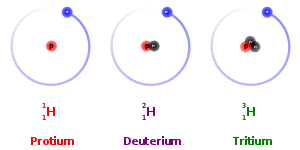
Isotopes have a different number of
protons
electrons
neutrons
nuclei
What is the main biological function of carbohydrates?
Store energy
Contain genetic information
Make up enzymes
Make you fat


Which structure has alpha helicies and beta sheets?
Tertiary structure
Primary structure
Quaternary structure
Secondary structure
What atoms are in a protien
Carbon oxygen hydrogen
Carbon hydrogen phosphorus nitrogen oxygen
Carbon hydrogen oxygen nitrogen
Sulfer oxygen hydrogen nitrogen phospherus carbon
What is the molecules that is different in every amino acid?
Amino group
R group
Carboxyl group
Alpha carbon
polar Molecules are
Hydrophilic
Hydrophobic
Nonpolar molecules are
Hydrophobic
Hydrophilic
Which one of these is the Quartenary structure?


A substance made of two or more atoms that are joined together.
Molecule
Element
Meniscus
Surfactant
A substance made of two or more different elements. Example: H2O, CO2
Molecule
Compound
Surface Tension
Surfactant
Describe COHESION.
Water molecules attracted to other substances.
Water molecules climbing upwards against the force of gravity.
Water molecules dissolving many substances because of its polarity.
Water molecules attracted to other water molecules.
Describe ADHESION.
Water molecules attracted to other substances.
Water molecules climbing upwards against the force of gravity.
Water molecules dissolving many substances because of its polarity.
Water molecules attracted to other water molecules.

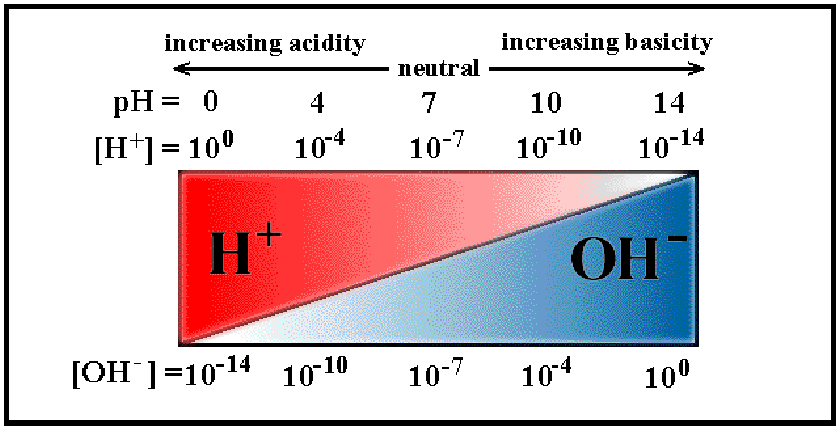
True or false: a neutral solution has equal amounts of H+ and OH-.
True
False

Vinegar is an example of:
An acid.
A base.
Neither an acid nor a base.
Starches also know as complex carbohydrates, are mono, di or poly saccharides?
mono
di
poly


What is emulsification?
How animals are able to breathe underwater, using emulsification to expand their lungs and take in oxygen through gills
the way in which bread is created through the emulsification of carbon atoms into smaller particles that form CO2 bubbles
The breaking up of a lipid in large droplets into an aqueous solution of smaller droplets
A disease caused by excessive intake of alchohol, which results in the swelling of the brain due to excess water content, killing the victim
Emulsification breaks up ________ into smaller particles.
fat
protien
carbohydrates
glucose

