
 Worksheets
Sewing Safety Test 2023
Total questions: 35
Worksheet time: 23mins
This type of sewing machine needle has a sharp point and is designed for most woven and knitted fabrics
Ballpoint needle
Leather needle
Stretch needle
Universal or general-purpose needle
To change a sewing machine needle, you should first
Raise the needle to the highest position by turning the hand wheel
Loosen the thumbscrew on the needle clamp
Insert the top of the needle firmly up into the needle clamp
Tighten the thumbscrew securely
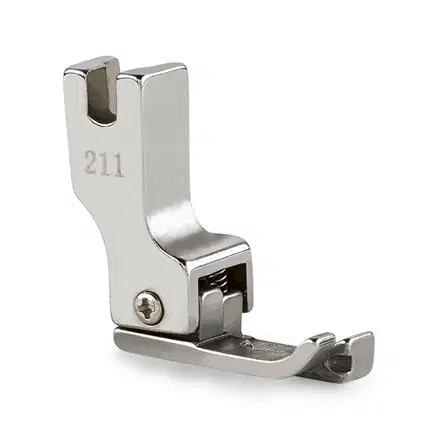
This part of the machine holds the fabric against the feed dog as you stitch
Presser foot
Foot control
Hand wheel
Bobbin case
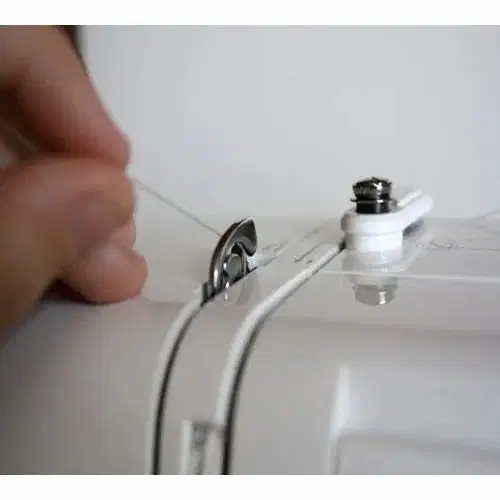
This part of the machine controls the amount of thread pulled from the spool to the needle for each stitch and moves up and down as you stitch
Feed dog
Presser foot
Take up lever
Needle plate
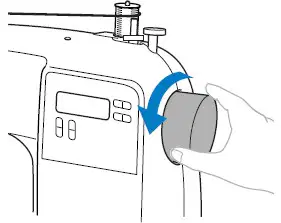
This part of the machine control the movement of the take-up lever; can be turned by hand to raise or lower the needle
Hand wheel
Needle clamp
Presser foot
Stitch-pattern control
The _______ holds the spools of top thread
Spool pin
Bobbin winder
Presser foot
Feed dog
The ___________ is located directly under the needle and surrounds the feed dog; usually has a seam width guideline to help keep stitching straight.
Spool pin
Presser foot
Needle plate
Feed dogs
The ________ allows you to sew backwards, tying the knot at the beginning and end of each seam.
Reverse lever
Hand wheel
Presser foot
Take up lever

The ____________ moves the fabric through the machine
Presser foot
Speed control
Take up lever
Feed dogs
The pedal that controls the speed of the machine is the ______________________.
Presser foot
Speed control
Feed dog
Take up lever
When threading the machine, you should first
Raise the needle to the highest position
Thread the take-up lever from left to right
Thread the tension discs
Raise the presser foot
To ensure that your stitches are straight, learn to
Pull the fabric firmly through the machine
Guide the fabric with your hands without pulling or pushing
Keep your hands away from the fabric and allow the machine to pull it through
Place both hands behind the presser foot
The take up lever should always be at the _________ when beginning or ending a seam
Top
Bottom
Left
Right

What is this?
Seam gauge
Seam ripper
Seam spreader
Hand sewing needle

What is this?
Seam ripper
Fabric shears
Tracing wheel
Rotary cutter

What is this?
Pincushion
Needle book
Pressing ham
Prosciutto

What is this?
Seam gauge
Seam ripper
Pressing ham
Flexible measuring tape
You should always use a _____ ______ when learning to use the machine
Zipper foot
Zigzag stitch
High speed
Slow speed

What is this?
Bobbin
Thread
Spool pin
Take up lever

What is this?
Pressure foot
Presser foot
Speed control/ Foot control
Take up lever
Keep your fingers _____________
Close the the needle
In front of the needle
Under the needle
Away from the needle
Don't stitch over ______
Pins
Seams
Folds
Gathers
(a) the cord from the outlet when the machine is not in use.
What is the difference between fabric/ dressmaker's shears and pinking shears?
Why do you need to use an iron when sewing?
This type of sewing machine needle is designed to prevent skipped stitches when sewing on synthetic suede and elastic knitwear.
Leather needle
Stretch needle
Ballpoint needle
Twin needle
The numbers on the stitch-length control indicate the
length of the stitch in millimeters
number of times the needle is lowered in making the stitch
length of the stitch in inches
strength of the stitch
You can check the tension of your machine by
looking at the stitch width control
using the machine with no fabric
testing how tight the thread is by touching it
examining sample stitches sewn on a double layer of fabric
Which type of stitching should you choose for most fabrics?
Zig zag stitching
Reinforcement stitching
Regular stitching
Machine basting
To prevent accidental swallowing, never
Place pins in clothes that you are wearing
Drop pins on the floor
Keep pins in a pincushion
Hold pins in your mouth
Before you start to stitch, what two things should you do to prevent tangled stitches?
Pull the bobbin thread and top thread up and out towards the back of the machine
Unplug the machine and then plug it back in
Un-thread the machine
Change the bobbin
What does a thread guide location tell you about threading a machine?
In which direction to thread the needle
What type of thread to use
How to adjust the thread tension
What type of needle should be used
Which of the following is an essential item needed for pressing?
Sleeve board
Seam roll
Press cloth
Tailor's ham
Why should you avoid ironing over pins?
They may melt
They may get too hot and burn you when you remove them
They may damage the face plate of the iron
They may leave scorch marks on your project
Which of the following is a step in the process of winding a bobbin?
Insert the end of the thread through a hole in the bobbin
Raise the needle to the highest position
Tighten the thumbscrews firmly
Thread the tension discs

