
 Worksheets
Matter Review
Total questions: 76
Worksheet time: 2hrs 5mins
In what way are liquids different from solids?
Liquid molecules are lighter than solid molecules
Liquids are made of atoms; solids are made of molecules
Liquids don't have a fixed shape; solids do
Liquids are always denser than solids
What happens to the chemical structure of water when it changes state?
Water molecules break apart to form individual atoms
Water molecules harden into ice molecules
Water molecules melt into gas molecules
Nothing happens to the chemical structure
What will happen if you keep increasing the temperature of a liquid?
It will boil & become a gas
It will transpire
It will remain a liquid
It will solidify
What do lightning & stars have in common?
Both have no electrical charge
Both contain plasma
Both have a fixed volume
Both contain all three states of matter
How can you remove energy from matter?
By increasing its volume
By lowering its temperature
By increasing its pressure
By boiling it
Gases have a tendency to expand. What's the best synonym for "expand"?
Collide
Spread out
Shrink
Boil
Where would you find a Bose-Einstein condensate?
Inside stars
At the North Pole
In a science lab
Bose-Einstein condensates exist only in theory
A physical property that measures mass per unit volume
density
flammability
physical property
element
reactivity
characteristic/trait that can be seen through direct observation of a substance.
mixture
physical property
physical change
chemical property
chemical change
an example of a chemical change
breaking glass
boiling water
stretching copper into wire
rusting
a change to a substance that does NOT change the identity of the substance
physical change
physical property
chemical change
chemical property
matter that has no fixed volume or shape - it takes the shape and volume of its container
solid
liquid
gas
This state of matter has its own shape and its own volume.
Solid
Liquid
Gas
Plasma
This state of matter has its own shape and it takes on the shape of its container.
Solid
Liquid
Gas
Bose-Einstein Condensate
This state of matter fills the volume of its container and it takes on the shape of its container.
Solid
Liquid
Gas
Bose-Einstein Condensate
This state of matter is considered the highest energy form of matter.
Solid
Plasma
Gas
Bose-Einstein Condensate
This state of matter is void of all energy.
Solid
Plasma
Gas
Bose-Einstein Condensate
State of matter in which particles are far enough apart to slide past each other.
Solid
Liquid
Gas
Plasma
State of matter in which particles are very far apart and moving at extremely high speeds with tremendous amounts of energy.
Solid
Liquid
Gas
Plasma
The process of a solid becoming a liquid.
vaporization
condensation
melting
freezing
The process of a liquid becoming a gas.
vaporization
condensation
melting
freezing
The process of a gas becoming a liquid
vaporization
condensation
deposition
freezing
The process of a gas becoming a solid
vaporization
condensation
deposition
freezing
The process of a solid becoming a gas
vaporization
condensation
melting
sublimation
The process of a liquid becoming a solid
freezing
condensation
melting
sublimation
A physical characteristic which has to do with the thickness of a liquid.
malleability
conductivity
boiling/ freezing point
viscosity
Rockwell Hardness
A physical characteristic which has to do with how well electricity or heat flows through a material.
malleability
conductivity
boiling/ freezing point
viscosity
density
A physical characteristic which has to do with how well a material can be reshaped my hammering without shattering into pieces.
malleability
conductivity
boiling/ freezing point
viscosity
density
Which of the following substance below has the highest viscosity?
honey
cooking oil
water
air
Applying heat to an oil makes its _______decrease.
Kinetic energy
particle motion
tempering
viscosity

Which of the following process is exothermic?
Candle was melting
A puddle evaporating
Dry ice (solid carbon dioxide) subliming to form gaseous carbon dioxide
Water freezing to form ice
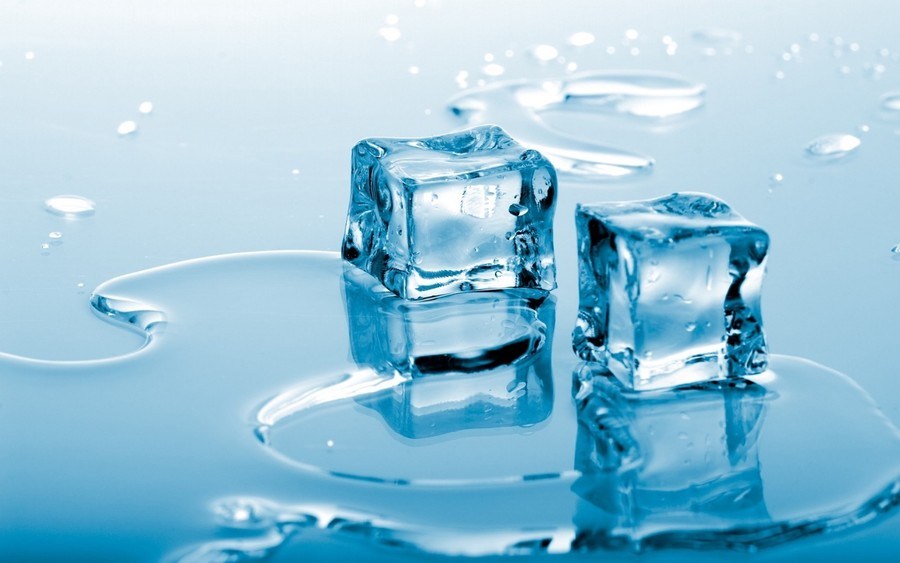
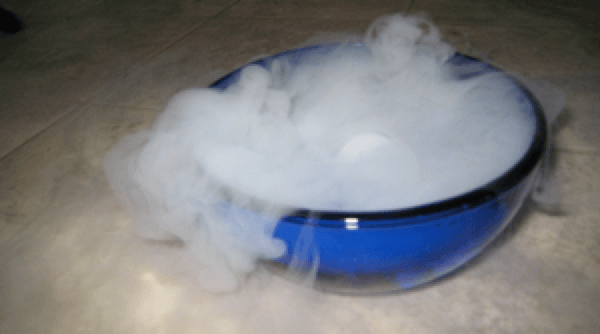
Which statement BEST describes why the water vapor in the air formed liquid water on the outside of the glass?
High viscosity is when particles are closer together and the cohesive force is stronger.
True
False
I don't know
Surface tension is the property of water in which...
water molecules at the surface tend to stick together.
water spills easily.
water tends to be see-through.
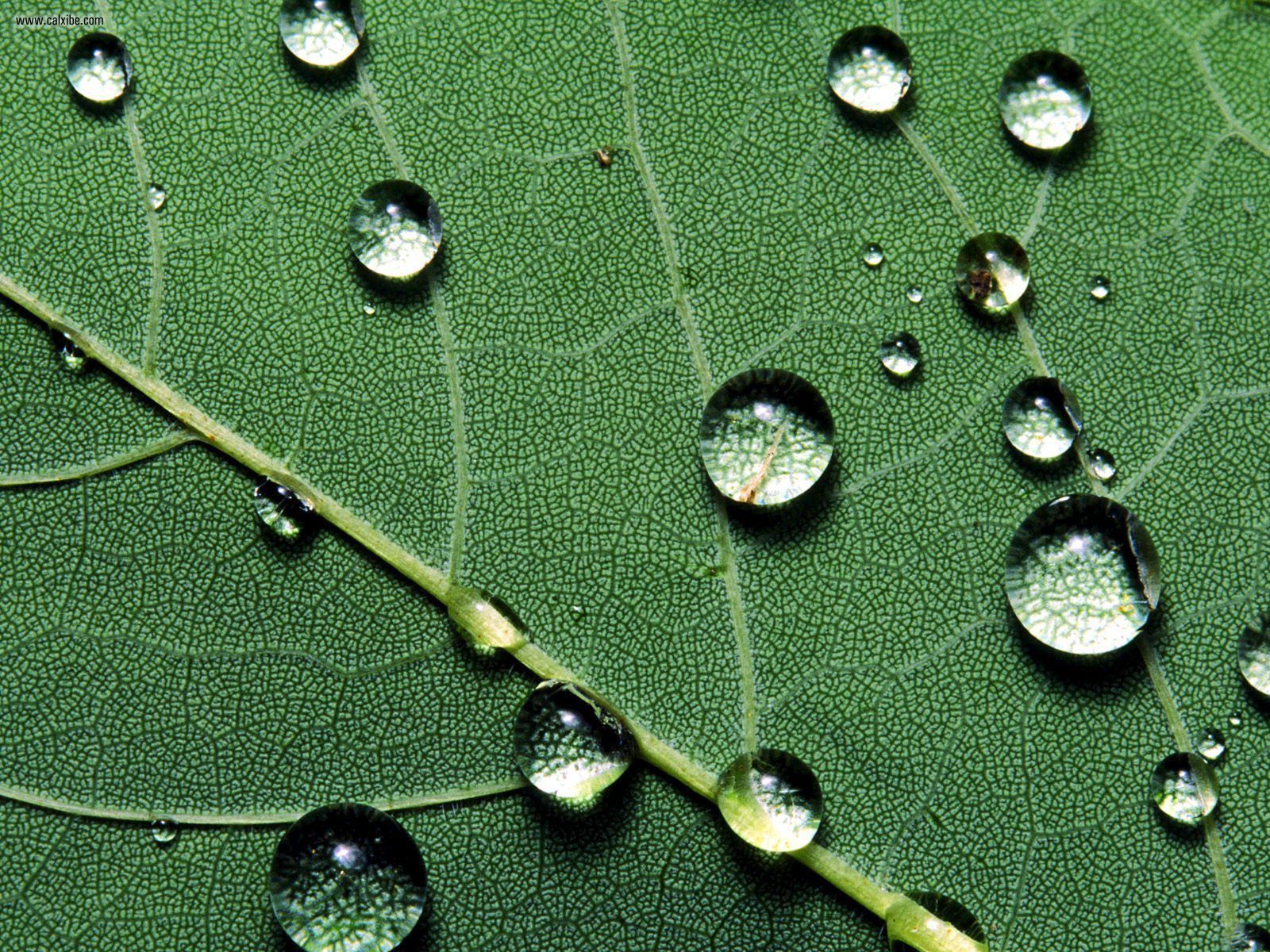
Refer to the picture of water sticking to a leaf; this is occurring because of:
Adhesion
Cohesion
Describe COHESION.
Water molecules attracted to other substances.
Water molecules climbing upwards against the force of gravity.
Water molecules dissolving many substances because of its polarity.
Water molecules attracted to other water molecules.


