wayground logo

Free Printable Worksheets

Font size

S
M
L
XL
Worksheets

MP1 Benchmark Review

Total questions: 208

Worksheet time: 5hrs 51mins

Name
Class
Date
1.
Glycerol and fatty acids combine to form...?
a)
Carbohydrates
b)
Lipids
c)
Proteins
d)
Nucleic Acids
2.
Proteins are made of smaller units called:
a)
Glucose 
b)
Cellulose 
c)
Fatty acids
d)
Amino acids
3.
Organic compounds are always based on what two elements?
a)
hydrogen and oxygen
b)
nitrogen and oxygen
c)
hydrogen and carbon
d)
nitrogen and carbon
4.
The four organic compounds found in living things are?
a)
Carbohydrates, Lipids, Nucleic Acids, and Oxygen
b)
Carbohydrates, Lipids, Proteins, and Carbon
c)
Carbohydrates, Lipids, Proteins, Nucleic Acids
d)
Carbon, Lipids, Proteins, Nucleic Acids
5.
Enzymes are examples of this organic compound...
a)
Carbohydrate
b)
Lipid
c)
Protein
d)
Nucleic Acid
6.
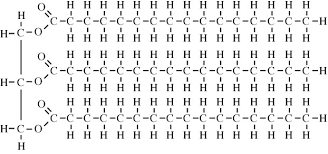
This is an example of 
a)
Lipid 
b)
Carbohydrate 
c)
Protein
d)
Nucleic Acid
7.
What is an Enzyme?
a)
energy needed to get a reaction started
b)
large compound formed from combinations of many monomers
c)
proteins that act as biological catalyst to speed up reactions
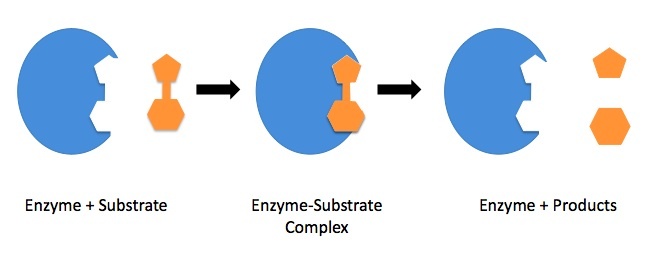
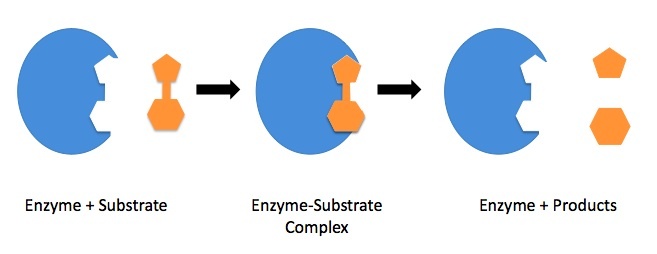
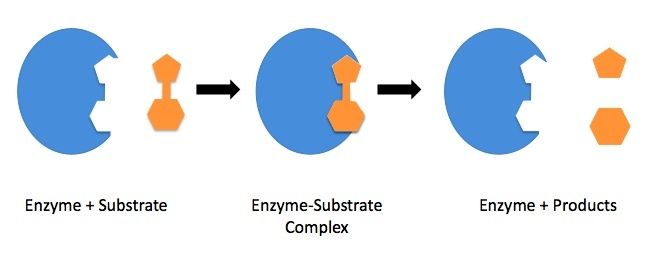
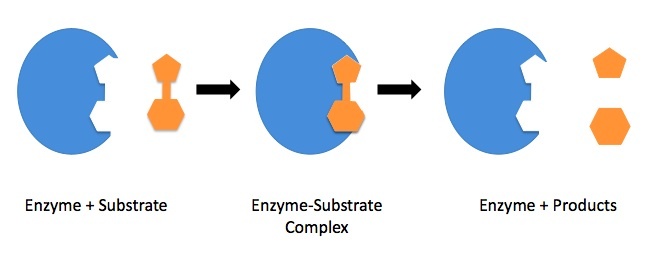
8.
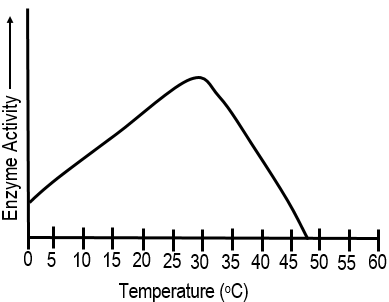
The effect of temperature on the relative rate of action of an enzyme is represented in the graph below. 
The optimum temperature for the action of this enzyme is approximately
a)
15⁰C
b)
22⁰C
c)
37⁰C
d)
50⁰C
9.
Which statement best describes the enzyme represented in the graphs below? 
a)
This enzyme works best at a temperature of 35⁰C and a pH of 8
b)
This enzyme works best at a temperature of 50⁰C and a pH of 12
c)
This enzyme works best at a temperature of 35⁰C and a pH of 12
10.
Based on the graph, what is the optimal temperature for this enzyme? 
a)
15oC
b)
40oC
c)
30oC
d)
45oC
11.
Which compound below is Organic?
a)
C6H12O6
b)
CO₂
c)
NH3
d)
O2
12.
In a molecule of DNA the sub-units are called
a)
nucleotides
b)
simple sugars
c)
lipids
d)
proteins
13.
Which of the following is NOT a function of proteins
a)
Assist in blood clotting
b)
Fight infections and diseases
c)
Assist in the processing of glucose
d)
None of the above
14.
Which of the following is NOT a function of proteins
a)
Acts as a catalyst to speed up reactions
b)
Fight infections and diseases (Immunity)
c)
carries oxygen within red blood cells
d)
Store genetic Information
15.
Which of the following is not one of the four properties of water?
a)
Universal Solvent
b)
Non-polar
c)
Expansion upon freezing
d)
Cohesion
16.
Which of the following contains the genetic code for protein synthesis?
a)
carbohydrate
b)
lipid
c)
protein
d)
nucleic acid
17.
Why will salt form a solution with water but sand will not?
a)
Salt is polar, while sand is non-polar
b)
Salt is non-polar, while sand is polar
c)
Salt and sand are polar
d)
Sand is more coarse than salt
18.

Which macromolecules has a nitrogen base and phosphate found in its structure?

a)

carbohydrate

b)

lipid

c)

protein

d)

nucleic acid

19.

What is one thing that a carbohydrate and protein have in common?

a)

They are both non-polar

b)

They both contain a nitrogen in their stucture

c)

They are polymers

d)

They are both made up of amino acids

20.

If a substance has the elements CHO and is not soluble in water, which of the macromolecules would this substance be?

a)

Carbohydrate

b)

Lipid

c)

Protien

d)

Nucleic Acid

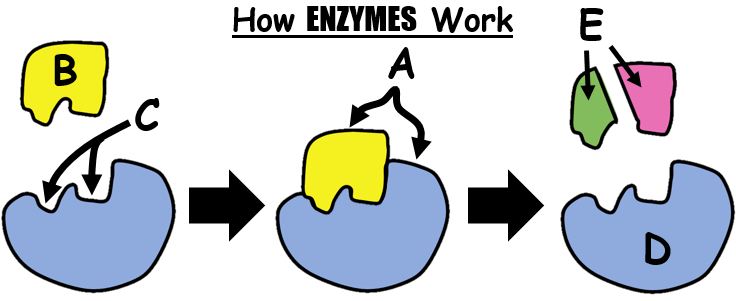
21.
What is being represented by letter C? 
a)
Enzyme
b)
Active site
c)
Substrate
d)
Lipid
22.
Which major macromolecule is being represented in this image? 
a)
carbohydrate
b)
lipid
c)
protein
d)
nucleic acid
23.
TRUE or FALSE
Enzymes function best at a specific temperature.
a)
True
b)
False
24.
Which of the following properties of water enables it to move from the roots to the leaves of plants?
a)
Cohesive behavior
b)
Moderate temperature
c)
Expansion upon freezing
d)
Universal solvent
25.
Proteins are made of monomers called ___________
a)
Nucleotides
b)
Monosaccharides
c)
Amino Acids
d)
Glycerol and fatty acids
26.
The element _______is found in all of the organic compounds.
a)
Iron
b)
Nitrogen
c)
Carbon
d)
Oxygen
27.
DNA and RNA are examples of 
a)
Carbohydrates
b)
Lipids
c)
Proteins
d)
Nucleic Acids
28.
Monosaccharides are monomers of
a)
Carbohydrates
b)
Lipids
c)
Proteins
d)
Nucleic Acids
29.
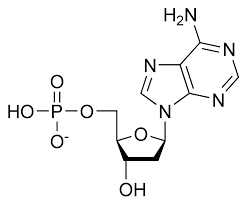
Which macromolecule is shown?
 View Figure 2 (if not visible)
a)
lipid
b)
protein
c)
nucleic acid
d)
carbohydrate
30.
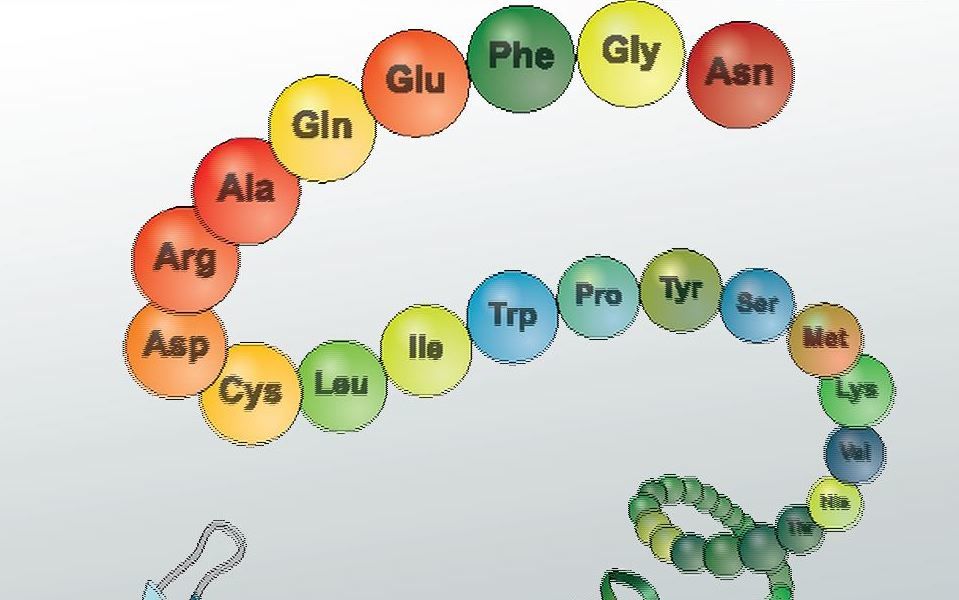
Which macromolecule is shown?
 View Figure 3 (if not visible)
a)
lipid
b)
protein
c)
nucleic acid
d)
carbohydrate
31.
Carbohydrates are made of... 
a)
C H O
b)
C H O N
c)
C H O N P
d)
C H O N S
32.
Proteins are made of... 
a)
C H O
b)
C H O N
c)
C H O N P
d)
C H O N S
33.
Which macromolecule stores energy, insulates us, and makes up the cell membrane?
a)
lipids
b)
proteins
c)
carbohydrates
d)
nucleic acids
34.
Which macromolecule is made of simple and complex sugars?
a)
lipids
b)
proteins
c)
carbohydrates
d)
nucleic acids
35.

What property of water allows aquatic organisms to survive when the temperature drops below freezing?

a)

expansion upon freezing

b)

capillary action

c)

universal solvent

d)

surface tension

36.
What two elements make up water?
a)
Helium and oxygen
b)
Hydrogen and oxygen
c)
helium and carbon
d)
oxygen and carbon
37.
What word describes when water is attracted to other substances?
a)
cohesion
b)
adhesion
c)
capillary action
d)
surface tension
38.
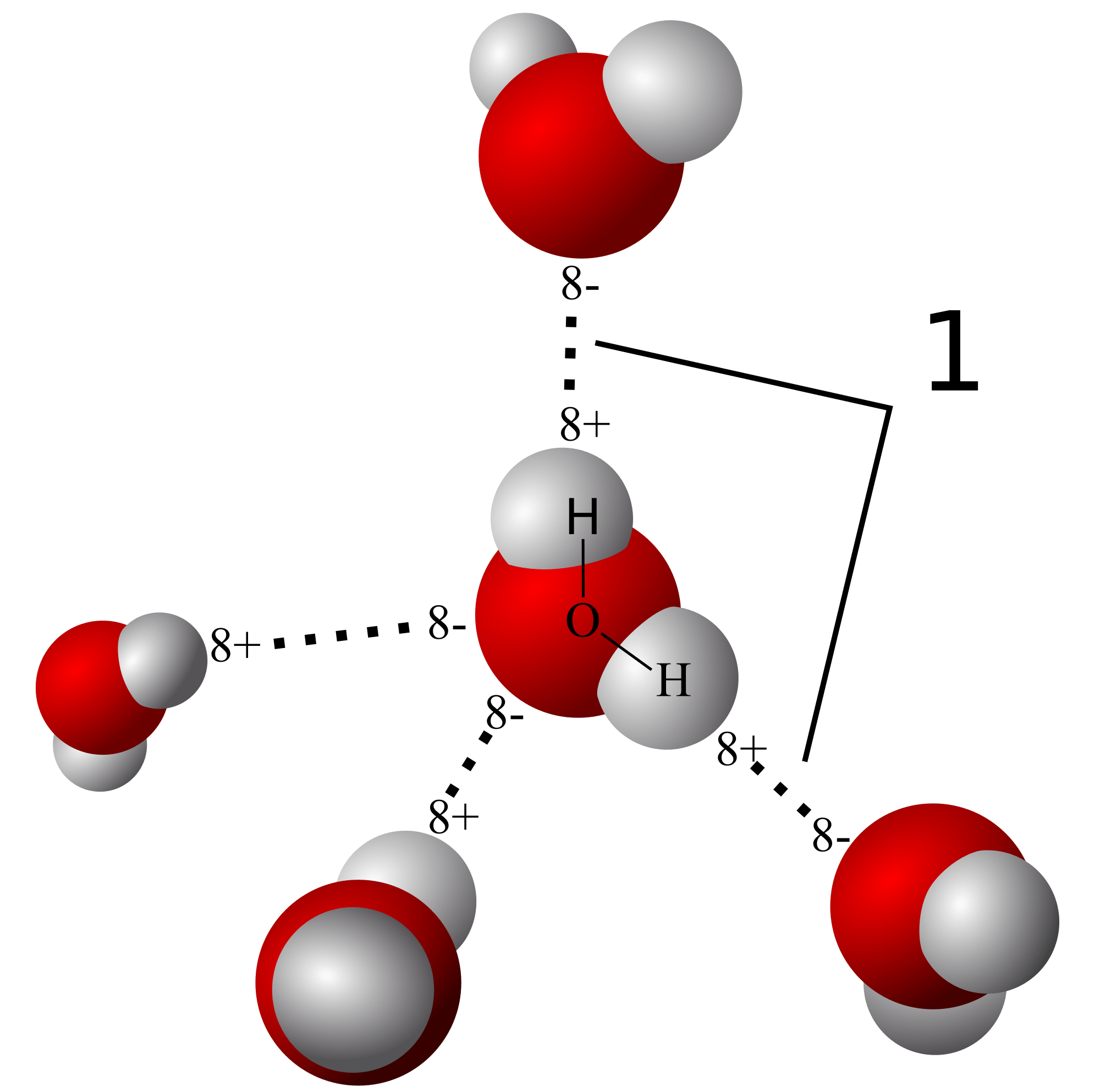
Attractions between water molecules are called
a)
Covalent bonds
b)
Ionic bonds
c)
Polar bonds
d)
Hydrogen bonds
39.
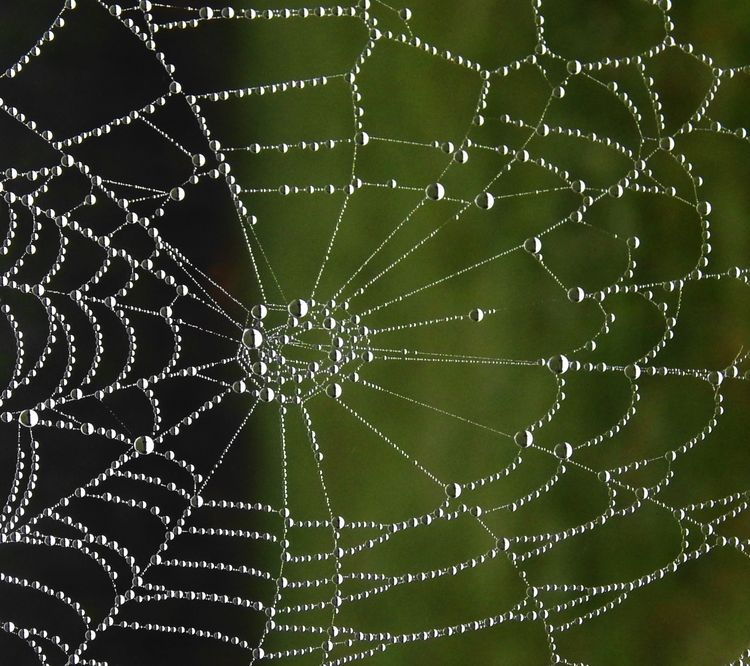
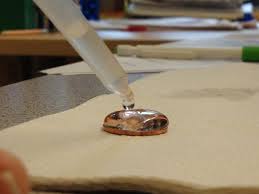
The attraction that causes water and other liquids to form drops on thin films is called ________________. This is also water’s ability to be attraction to other water molecules.
a)
adhesion
b)
capillary action
c)
cohesion
d)
surface tension
40.
molecule in which opposite ends have opposite electric charges
a)
cohesion
b)
polar molecule
c)
hydrogen bond
d)
solution
41.
What property of water helps to moderate earth's temperature?
a)
adhesion
b)
chohesion
c)
Specific heat capacity
d)
Latent heat of vaporization
42.
__________ are nucleic acid functions
a)
store & transfer genetic info
b)
store & create energy
c)
structure & energy for cells
d)
membrane structure and nutrient transfer
43.
__________ are nucleic acid functions
a)
store & transfer genetic info
b)
store & create energy
c)
structure & energy for cells
d)
membrane structure and nutrient transfer
44.
___________ are some functions of lipids.
a)
storing energy and  cell membrane structure
b)
providing actin & providing myosin
c)
cellulose structure and digestive assistance
d)
storing & transferring genetic info
45.
A(n) __________  is the part of the enzyme the substrate fits into.
a)
product
b)
active site
c)
enzyme
d)
substrate
46.
A substance with a pH of 4 is considered a(n)
a)
base
b)
neutral
c)
acid
47.
Combines with 3 fatty acid chains to make up a triglyceride; part of the monomer of lipids
a)
Amino Acid
b)
Fatty Acid
c)
Glycerol
d)
Nucleotide
48.
A large molecule made up of multiple monomers
a)
Polymer
b)
Polysaccharide
c)
Macromolecules
d)
Protein 
49.
The process used to split polymers; this is done by adding water
a)
Dehydration
b)
Hydrolysis
c)
Enzomatic
d)
Tetratonic
50.

How do enzymes speed up chemical reaction?

a)

Increasing activation energy

b)

Decreasing activation energy

c)

Increasing deactivation energy

d)

Decreasing deactivation energy

51.
________ is a force produced by a strong attraction between water molecules.
a)
Cohesion
b)
Adhesion
c)
Surface Tension
d)
Capillary Action
52.
The lock and key model is an analogy used to explain how a _________ fits into a ___________.
a)
Substrate, Active Site
b)
Active Site, Substrate
c)
Catalysts, Products
d)
Products, Catalysts
53.
Enzymes are _______ that speed up the rate of a chemical reaction.
a)
Polar
b)
Nonpolar
c)
Catalysts
d)
Molecules
54.
Enzymes are _______ that speed up the rate of a chemical reaction.
a)
Polar
b)
Nonpolar
c)
Catalysts
d)
Molecules
55.
The essential roles of enzymes are _______.
a)
Used in living things as the main source of energy and use it for structural purposes
b)
Regulate the temperature and pH of the reaction.
c)
Regulating chemical pathways, making materials that cells need, releasing energy, and transferring information.
56.
What is needed to get a reaction started?
a)
Chemical Energy
b)
Biological Energy
c)
Carbohydrate Energy
d)
Activation Energy
57.
What effects enzymes?
a)
Temperature
b)
pH Level 
c)
Substrate Concentration
d)
All of the Above
58.
The graph pictured shows the reaction pathway of a reaction that __________?
a)
Absorbs Energy
b)
Releases Energy
59.
The graph pictured shows a reaction pathway of a reaction that ________.
a)
Absorbs Energy
b)
Releases Energy
60.
The picture shown depicts an enzyme. What is the red object called?
a)
Active Site
b)
Substrate
c)
Reactant
d)
Both Substrate and Reactant
61.
Large bodies of water do not quickly fluctuate in temperature. Why?
a)
Water is a solvent.
b)
Water has a high heat capacity.
c)
Water acts as a buffer.
d)
Water is non-polar.
62.
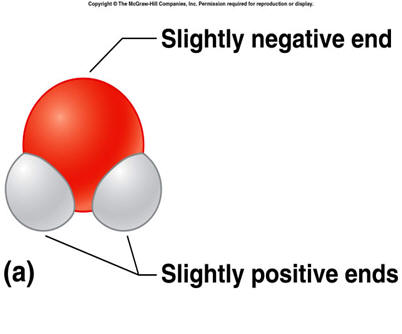
Which end of the water molecule has a slightly positive charge?
a)
the oxygen end
b)
the hydrogen end
c)
both ends are slightly positive
d)
neither end is positive
63.
Water is a universal solvent because it...
a)
It can be found anywhere
b)
It freezes when it gets cold
c)
floats when frozen
d)
Dissolves most substances
64.
What 3 letters do enzymes typically end in?
a)
-ose
b)
-ase
c)
-ese
d)
-tic
65.
After the enzyme and substrate bind together and perform the reaction, what does the substrate become?
a)
a substrate
b)
an enzyme
c)
a product
d)
an active site
66.
What type of bond is found inside of a water molecule?
a)
Covalent
b)
Hydrogen
c)
Ionic
d)
Peptide
67.
A solution has a pH of 6.4.  Which description is most appropriate?
a)
Weak Acid
b)
Strong Acid
c)
Neutral
d)
Weak Base
68.
What type of ion is found in an acid?
a)
H+
b)
OH-
c)
H2O
d)
Hydroxide
69.
Which of the following is the process used to bond the monomers together?
a)
Hydrolysis
b)
Water Removal
c)
Dehydration Synthesis
d)
Water Synthesis
70.
Which of the following helps an organism maintain homeostasis by controlling the pH level?
a)
Enzyme
b)
Buffer
c)
Acid
d)
Base
71.
What is it called when an enzyme loses it shape and no longer functions?
a)
Substrate
b)
Synthesis
c)
Polymerization
d)
Denature
72.
If you sprinkle pepper all over a surface of water and drop a little bit of soap in, the pepper will quickly move far from the soap.  Why?
a)
Soap breaks the hydrogen bonds and the remaining ones pull the pepper away.
b)
Pepper is afraid of soap.
c)
Soap cleans up the pepper.
d)
Hydrogen bonds are stronger because of the soap.
73.
An enzyme speeds up a chemical reaction in the cell but can only be used once.  True or False? 
a)
true
b)
false
74.

What does pH measure?

a)

the amount of hydrogen (H+) ions

b)

the amount of hydroxide (OH-) ions

c)

amount of water

d)

all of the above

75.
Which two subatomic particles are located in the nucleus?
a)
Protons and Electrons
b)
Protons and Neutrons
c)
Electrons and Protons
76.
Between which subatomic particles to bonds form?
a)
Quarks
b)
Protons
c)
Neutrons
d)
Electrons
77.
Which of the following lists the bonds in order from weakest to strongest?
a)
Covalent, Hydrogen, Ionic
b)
Hydrogen, Ionic, Covalent
c)
Ionic, Covalent, Hydrogen
d)
Hydrogen, Covalent, Ionic
78.
What type of substance has an equal concentration of Hand OH- ions?
a)
Acid
b)
Base
c)
Neutral
79.
_________ is an attraction between molecules of different substances.
a)
Cohesion
b)
Adhesion
c)
Surface Tension
d)
Capillary Action
80.
Which property of water allows it to stick to other water molecules and create surface tension?
a)
Cohesion
b)
Adhesion
c)
Heat Capacity
d)
Universal Solvency
81.
Is the diagram showing a dehydration synthesis or digestion/hydrolysis reaction? 
a)
Dehydration synthesis
b)
hydrolysis/digestion
82.
In the diagram, what is letter A? 
a)
product
b)
substrate
c)
enzyme-substrate complex
d)
active site
83.
Chemical reactions always involve
a)
the breaking of bonds in reactants.
b)
the formation of new bonds in products.
c)
the breaking of bonds in reactants and the formation of new bonds in products.
d)
enzymes. 
84.
The current model of enzyme action is referred to as the:
a)
Induced Fit Model
b)
Lock & Key Model
c)
Singer-Nicolson Model
d)
Davson-Danielli Model
85.
When a molecule can occupy the same active site as the substrate, a situation called __________________ can result
a)
Competitive lnhibition
b)
Allosteric Regulation
c)
Non-Competitive Inhibition
d)
Feedback Inhibition
86.
A receptor site that a molecule can bind to that changes the shape of the active site is called a(n):
a)
Allosteric Site
b)
Active Site
c)
DiSulphide Bridge
d)
MHC Receptor
87.
A molecule binds to an enzyme and decreases the ability of the active site to bind to the substrate. This is called:
a)
Allosteric Activation
b)
Allosteric Inhibition
c)
Competitive Activation
d)
Competitive Inhibition
88.
What is the name for the mechanism of enzyme activity?
a)
Lock and key
b)
jigsaw puzzle
c)
hammer and nail
d)
two hands pattern
89.
What makes an enzyme substrate specific?
a)
Size
b)
Shape
c)
Name
d)
Location it is found in
90.

The _____________________ mechanism describes how an enzyme changes shape once the substrate is bonded.

a)

hammer and nail

b)

induced fit

c)

jigsaw puzzle

d)

lock and key

91.

Once a new product leaves an enzyme, the enzyme is unchanged and ready for the next substrate. What is this called?

a)

fragile

b)

reusable

c)

specific

d)

catalyst

92.

A baby is locked in the car on a hot day. What is most likely to happen to the child?

a)

The child's body will adjust and cause it to maintain homeostasis

b)

The child's enzymes will denature causing chemical reactions to speed up in the body, which will lead to death.

c)

The child's enzymes will denature causing chemical reactions to slow down in the body, which will lead to death.

d)

The activation energy for chemical reactions will remain unchanged and therefore the child will live.

93.

cells with a nucleus and membrane bound organelles

a)

eukaryotic

b)

prokaryotic

94.

cells without a nucleus and no membrane bound organelles

a)

prokaryotic

b)

eukaryotic

95.

what provides strength and support in plant cells, it is made of cellulose &

a)

cell membrane

b)

cell wall

c)

cytoplasm

d)

chloroplast

96.

the gelatin like fluid in the cell that flows inside the cell membrane

a)

cell membrane

b)

cell wall

c)

cytoplasm

d)

chloroplast

97.

the control center of the cell; it stores the DNA

a)

golgi body

b)

endoplasmic reticulum

c)

cytoplasm

d)

nucleus

98.

the chemical that contains the code for the cell's structure and activities; it is found in the nucleus

a)

DNA

b)

chloroplast

c)

nucleus

d)

ER

99.

photosynthesis occurs here; this organelle stores energy

a)

golgi body

b)

chloroplast

c)

mitochondria

d)

endoplasmic reticulum

100.

the green pigment inside the chloroplast

a)

cytoplasm

b)

chlorophyll

c)

cell membrane

101.

powerhouse of the cell; respiration occurs here

a)

chlorophyll

b)

golgi body

c)

endoplasmic reticulum

d)

mitochondria

102.

food molecules are burned here using oxygen to release energy in the cell

a)

chlorophyll

b)

golgi body

c)

nucleus

d)

mitochondria

103.

makes proteins

a)

ribosomes

b)

mitochondria

c)

endoplasmic reticulum

104.

these store water, waste and food; they are very large in plant cells

a)

lysosomes

b)

ribosomes

c)

cytoplasm

d)

vacuoles

105.

recycling organelles; they contain enzymes to break down wastes and old cell parts

a)

cell wall

b)

lysosomes

c)

golgi bodies

d)

cytoplasm

106.

plants have these 2 parts that animal cell do not have

a)

cell wall

b)

cytoplasm

c)

mitochondria

d)

chloroplast

107.

this surrounds or covers the nucleus

a)

lysosomes

b)

nuclear membrane

c)

cell wall

108.

What is the function of the endoplasmic reticulum (ER) in cells?

a)

store waste

b)

sort and package proteins

c)

transport materials throughout the cell

d)

make proteins

109.

Identify the cell diagram below:

a)

animal

b)

bacteria

c)

paramecium

d)

plant

110.

Identify the cell diagram below:

a)

animal

b)

plant

c)

ameoba

d)

bacteria

111.

What organelle is responsible for sorting and packaging materials that will be transported in cell?

a)

Golgi Bodies (Apparatus)

b)

Endoplasmic reticulum (ER)

c)

Ribosomes

d)

Vacuoles

112.

Which organelle may often be referred to as the "gate keeper" because it controls what goes in and out of the cell?

a)

cytoplasm

b)

nucleus

c)

cell membrane

d)

mitochondria

113.

Why are chloroplasts found in ONLY plants, not animals?

a)

Plant cells need chloroplasts to make DNA because most plant cells do not contain a nucleus.

b)

Plant cells need chloroplasts to make food because most plants cannot move to get food on their own.

c)

Plant cells need chloroplasts to make protein because most plants cannot move to get protein on their own.

d)

Plants cells need chloroplasts to move materials in and out of the cell because most plant cells do not contain a cell membrane.

114.

What form is your DNA in while it is located inside the nucleus?

a)

shape of a heart

b)

chromatin

c)

chromosomes

d)

shape of a camel

115.
What does this organelle do? (what the * points to)
a)
'Brain' of the cell
b)
Makes the RNA
c)
Genetic Blueprint of life
d)
Storage for the cell
116.
What does this organelle do?
a)
Used in Mitosis
b)
Used for storage
c)
Jelly-like substance
d)
Stomach of the cell
117.
The basic unit of life
a)
Cell
b)
Organelle
c)
Cell Wall
d)
DNA
118.
"Little organs". These small structures are found inside of cells. They each have a specific function.
a)
Organelles
b)
Nucleus
c)
Cell
d)
DNA
119.

In an ideal cell, as the surface area of a cell increases,

a)

the volume increases along with it

b)

the volume decreases along with it

c)

then the cell gets swell

d)

none of these

120.

Which of the following is the proper order that compounds go through in order to create the cell membrane?

a)

nucleus, Golgi, ER, membrane

b)

Golgi, nucleus, ER, membrane

c)

nucleus, ER, Golgi, membrane

d)

ER, Golgi, nucleus, membrane

121.

Unlike eukaryotic cells, prokaryotic cells

a)

lack a nucleus

b)

have a cell wall

c)

divide can carry out metabolism

d)

move around

e)

more than one of these

122.

A healthy patient arrives at a doctor's office and complains of having signs of fatigue. They have had the same diet as usual, however, they have felt sluggish. Which of the following would be the BEST explanation for what could be happening with the patient?

a)

the patient does not have any mitochondria inside their cells

b)

the patient's mitochondria has been damaged within certain areas of their body

c)

the patient's ribosomes are not producing enough mitochondria to meet the required demand

d)

the patient's nucleus has stopped producing more DNA

123.

The 3 parts of the Cell Theory are...?

a)

All living things are composed of cells

Cells are the basic units of structure and function in living things

All cells are produced from other cells

b)

All living things are composed of cells

Cells are the basic units of dance and vibes in living things

All cells are destroyed from other aliens

c)

All living things are composed of Jell-O

Cells are the basic units of structure and function in living things

All cells are produced from factories in Canada

d)

All living things are composed of cells

Cells do karate and practice eating whole pies in their free time

All cells are produced from other cells
124.
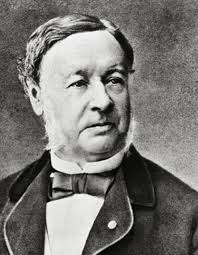
Which of the following scientists concluded that all animals are made of cells?
a)
Rudolf Virchow
b)
Matthais Schleiden
c)
Robert Hooke
d)
Theodor Schwann
125.

What are evidence to support endosymbiotic theory?

a)

Mitochondria is found outside the cells

b)

Mitochondria and chloroplast can divide independently

c)

Mitochondria and chloroplast have their own cell membrane

d)

Mitochondria and chloroplast have their own genetic material

126.
In order to sustain life, all cells must...
a)
digest nutrients and water
b)
excrete waste and fluids
c)
must be able to maintain a homeostasis environment (aka cellular respiration and regulation)
d)
All of the above
127.
When experimenting with the growth of a plant, a scientist uses three (of the same type of) plants, two different fertilizers, equal light, and equal water. What type of variable is the fertilizer?
a)
Dependent
b)
Independent
c)
Control
d)
Compound
128.

When you make a graph, which variable goes on the Y axis?

a)

Independent

b)

Dependent

c)

Control

d)

Extraneous

129.

An inference

a)

can be an opinion

b)

is explaining an observation

c)

is the third step in the scientific method

d)

is stating a quantity

130.

What kind of observation is this: The tree has seven branches.

a)

Qualitative

b)

Quantitative

131.

When you make a graph which variable goes on the X axis?

a)

independent

b)

dependent

c)

extraneous

d)

controlled

132.

An observation is

a)

the same as an opinion

b)

only uses what you see with your eyes

c)

using one of your senses to gather information

d)

compares data to reach a conclusion

133.

What type of statement is a hypothesis?

a)

accept or reject

b)

If....Then

c)

qualitative

d)

I think...because

134.

What kind of observation is the following: The clouds are grey and ground is wet.

a)

Qualitative

b)

Quantitative

135.

The students concluded that the plants grown indoors grew faster because they received better quality light than the plants grown outdoors. Which is the most likely reason this conclusion may be flawed?

a)

The students measured the plants at different times.

b)

The students should have grown different types of plants.

c)

The growth of the plants in each set was affected by more than one factor.

d)

The outdoor plants grew faster than the indoor plants.

136.

A meteorologist recorded high temperatures for five days at three locations on land. The data are shown in the table below.


a)

Areas at the beach have the coolest temperatures

b)

Areas farther from the beach always have the warmest temperatures.

c)

Areas at the beach have the most stable temperatures.

d)

Areas farther from the beach always have the same weather as areas at the beach

137.

A scientist investigates the effect of carbon dioxide on plant height. The scientist grows plants in several closed containers. All the plants receive the same amounts of water and light, but the air in each container has a different amount of carbon dioxide. What is the independent variable in this experiment?

a)

the amount of carbon dioxide in each container

b)

the number of plants in each container

c)

the amount of water provided to the plants

d)

the height of each plant after a period of time

138.

Some researchers are developing a new fertilizer designed to improve the growth of plants in hot, dry climates. The fertilizer was applied to one hundred desert plants in a greenhouse. The average daytime temperature in the greenhouse was 90°F, and the humidity levels were low. Which is best for the researchers to do next?

a)

A compare plants that received fertilizer to similar plants that received none

b)

B begin selling the fertilizer to gardeners living in hot, dry climates

c)

C change the conditions in the greenhouse and retest the fertilizer

d)

D test the fertilizer on plants that are adapted to cooler climates

139.

Students in a science class plan to investigate a factor that affects the rate at which a pendulum swings.


In which way should the students manipulate the variables to get valid results in this investigation?

a)

use equal string lengths and different plumb bob masses

b)

use different string lengths and different plumb bob masses

c)

use equal string lengths and the same plumb bob shapes

d)

use different string lengths and different plumb bob shapes

140.
An experiment is performed on plants to see how different liquids affect plant growth. Each plant in the experiment is given a different liquid; water, apple juice, or milk. Each plant has the same amount of soil, sunlight, and listens to the same music. In this investigation, what are the controlled variables?
a)
Type of plant, amount of music, and sunlight
b)
Water, apple juice, milk
c)
Plant growth
141.
Why do scientists use the scientific method?
a)
To make sure they get credit for their discoveries.
b)
To make sure their results are valid and can be performed by other scientists.
c)
So that other scientist don't get mad at them
142.

What is the first step in the scientific method?

a)

draw conclusions

b)

ask a question/make an observation

c)

make a hypothesis

d)

test the experiment

143.

Choose a way to share your ideas with others

a)

write

b)

draw a picture

c)

record a video/audio

d)

give a speech

144.
Should experiments be repeated over and over to see if the results are the same each time?
a)
yes
b)
no
145.
Which of these contains steps in the right order?
a)
Ask a question, state your hypothesis, research, experiment, analyze, make a conclusion
b)
State your hypothesis, ask a question, research, experiment, analyze, make a conclusion
c)
Ask a question, research, state your hypothesis, experiment, analyze, make a conclusion
d)
State your hypothesis, ask a question, research, make a conclusion, experiment, analyze
146.
A broad and comprehensive statement of what is thought to be true; it is supported by much evidence.
a)
hypothesis
b)
theory
c)
guess
d)
fact
147.

What are the four biological molecules?

a)

proteins, carbohydrates, lipids, nucleic acids

b)

A, T, C, G

c)

water, air, earth, and fire

148.
A biological polymer that stores and transmits genetic information is a ...
a)
nucleic acid
b)
carbohydrate
c)
lipid
d)
protein
149.
A biological polymer made of amino acid monomers is a 
a)
protein
b)
lipid
c)
carbohydrate
d)
nucleic acid
150.
What group of biological molecules contains DNA and RNA...
a)
Nucleic acids
b)
carbohydrates
c)
proteins
d)
lipids
151.
A group of organic molecules that includes sugars, starch, and cellulose care called...
a)
proteins
b)
carbohydrates
c)
nucleic acids
d)
lipids
152.
Monomer of nucleic acids; consists of a phosphate group, deoxyribose (sugar), and a nitrogen-base. ATP is an example of this.
a)
steroid
b)
nucleotide
c)
polypeptide
d)
polymer
153.
What are the monomers of a polysaccharides?
a)
Amino Acids
b)
Nucleotides
c)
Triglycerides
d)
Monosaccharides
154.
A class of biological molecules whose defining characteristic is their relative insolubility in water. Examples of these include steroids, oils, fats, and fatty acids.
a)
protein
b)
monomer
c)
lipids
d)
glycogen
155.
Also known as simple sugars, these carbohydrate monomers.
a)
lipids
b)
nucleotide
c)
monosaccharide
d)
monomer
156.
Speed up chemical reactions, protects against infections, and structural component of hair, skin, and muscles
a)
Carbohydrates
b)
Lipids
c)
Proteins
d)
Nucleic Acids
157.

Identify the macromolecule associated with this image.

a)

Protein

b)

Carbohydrate

c)

Lipid

d)

Nucleic Acid

158.

Identify the macromolecule associated with this image.

a)

Protein

b)

Carbohydrate

c)

Lipid

d)

Nucleic Acid

159.

Identify the macromolecule associated with this image.

a)

Protein

b)

Carbohydrate

c)

Lipid

d)

Nucleic Acid

160.

The presence of which element in nucleic acids distinguishes them from proteins?

a)

nitrogen

b)

carbon

c)

sulfur

d)

phosphorus

161.
The element _______is found in all of the organic compounds.
a)
Iron
b)
Nitrogen
c)
Carbon
d)
Oxygen
162.
___________ are many monomers bonded together that form a larger molecule.
a)
Polymers
b)
Monomers
c)
Trinominers
d)
DNA
163.
What is the function of lipids?
a)
store genetic information
b)
store energy (long-term)
c)
store energy (short-term)
d)
build skin, hair, nails, muscles
164.
What is the function of carbohydrates?
a)
store genetic information
b)
store energy (long-term)
c)
store energy (short-term)
d)
build skin, hair, nails, muscles
165.
How many structures or stages are there in proteins?
a)
1
b)
2
c)
3
d)
4
166.
The name of the initial chain of monomers in a protein is called.....
a)
polypeptide
b)
polysaccharide
c)
polyester
d)
polynucleotide
167.
The two types of folding in the secondary structure are.....
a)
alpha-helix & beta-pleated sheets
b)
polypeptide & nucleotide
c)
globular & fibrous
168.
What gives a protein its unique shape?
a)
the unique sequence of amino acids in its polypeptide chain
b)
the unique folding due to the sequence of amnio acids in the polypeptide chain
c)
hydrogen bonding & unique interactions between the 'R' groups
d)
all of these
169.
When you step out into the cold, your body shivers in order to keep its temperature at 98.6F.
a)
All living things use energy
b)
All living things contain cells
c)
All living things maintain homeostasis
d)
All living things grow
170.
Green plants produce their own food through the process of photosynthesis.
a)
All living things use energy
b)
All living things contain cells
c)
All living things maintain homeostasis
d)
All living things grow
171.
A baby song bird hatches from its egg with both parent songbirds watching.
a)
All living things reproduce
b)
All living things maintain homeostasis
c)
All living things use energy
d)
All living things grow
172.
A camel has eyelashes that work to keep the dust and sand out of its eyes.
a)
All living things adapt to their environment
b)
All living things grow
c)
All living things have cells
d)
All living things use energy
173.
A caterpillar hibernates in a cocoon and emerges as a butterfly.
a)
All living things adapt to their environment
b)
All living things use energy
c)
All living things respond to their environment
d)
All living things grow
174.
An amoeba is a unicellular organism. Which characteristic of life is this?
a)
All living things use energy
b)
All living things contain cells
c)
All living things respond to their environment
d)
All living things grow
175.
A tulip opens in the morning at sunrise and closes in the evening at sunset.
a)
All living things have cells
b)
All living things use energy
c)
All living things respond to their environment
d)
All living things grow
176.
Over many thousands of years, a population of rabbits living in the woods adapts to its surrounding with brown fur.
a)
All living things evolve as a species
b)
All living things grow
c)
All living things use energy
d)
All living things have cells
177.
A gazelle running away from a hunting lion is an example of ____________.
a)
homeostasis
b)
responding to stimuli
c)
growing and developing
d)
reproducing
178.
The basic unit of life is called a (n)
a)
atom
b)
compound
c)
cell
d)
energy
179.
all chemical processes in the body carried out by every living organism
a)
digestion
b)
metabolism
c)
homeostasis
d)
synthesis
180.
maintaining the correct amount of water, salt and glucose is known as
a)
digestion
b)
homeostasis
c)
metabolism
d)
synthesis
181.
The gills on a fish help get the oxygen they need from water. The gills are know as
a)
adaptation
b)
metabolism
c)
digestion
d)
excretion
182.
In order for something to be considered a living organism, it must display _____ of the eight characteristics of living things.
a)
one
b)
some
c)
all
d)
more than half
183.
Which of the following is NOT a characteristic shared by all living organisms?
a)
Ability to move
b)
Ability to grow and develop
c)
Made up of one or more cells
d)
Responds to stimuli
184.
Organisms, such as bacteria, are ______________ which means they consist of only a single cell.
a)
unicellular
b)
multicellular
c)
autotrophic
d)
heterotrophic
185.
Which of the following molecules is responsible for carrying and transmitting genetic information
a)
DNA
b)
Lipids
c)
Proteins
d)
Carbohydrates
186.
All living things grow and develop. _________ is an increase in mass, while _________ results in different abilities.
a)
Growth ; Development
b)
Development ; Growth
187.
Which of the following correctly describes ASEXUAL reproduction?
a)
One parent, genetically identical offspring
b)
One parent, genetically different offspring
c)
Two parents, genetically identical offspring
d)
Two parents, genetically different offspring
188.
Energy is required for all life processes. How do HETEROTROPHIC organisms obtain energy?
a)
They consume other organisms for energy.
b)
They make their own food through the process of photosynthesis.
c)
They break down dead and decaying materials. 
d)
They absorb energy from the sun.
189.
Energy is required for all life processes. How do AUTOTROPHIC organisms obtain energy?
a)
They make their own food through the process of photosynthesis.
b)
They consume other organisms for energy.
c)
They break down dead and decaying materials.
d)
They absorb energy through osmosis.
190.
Energy is required for all life processes. How do DECOMPOSERS obtain energy?
a)
They break down dead and decaying materials and then absorb the nutrients.
b)
They consume other organisms for energy.
c)
They make their own food through the process of photosynthesis.
d)
They absorb energy from the sun.
191.
Define BIOLOGY.
a)
The study of life and living organisms.
b)
The study of animals.
c)
They study of matter.
d)
The study of earth and its atmosphere.
192.
Which of the following is composed of two or more tissue types that come together to perform a function?
a)
Tissues
b)
Organelles
c)
Organ Systems
d)
Organs
193.
The two types of feedback systems that help organisms maintain homeostasis are:
a)
positive and negative 
b)
receptor and effector
c)
static and dynamic
d)
minor and major
194.
Maintaining body temperature is an example of a:
a)
negative feedback loop
b)
positive feedback loop
195.

What is an example of a positive feedback mechanism?

a)
b)
196.
The term for maintaining internal temperature is: 
a)
Thermoregulation
b)
Thermometer
c)
Homeothermal
d)
Homeostasis
197.
Rapid growth during puberty causes your body to release more and more growth hormones. As you grow, more and more growth hormones are released until puberty is reached, and then the hormones stop.
a)
Positive Feedback Response
b)
Negative Feedback Loop 
198.
If the calcium in your blood decreases below homeostasis levels, a gland in the brain will sense the decrease and send a chemical message to your bones. Your bones will release calcium into the blood, bringing blood calcium levels back up.
a)
Positive Feedback Response
b)
Negative Feedback Loop 
199.
When glucose levels in the blood rise, your brain sends a signal to your pancreas. The pancreas releases insulin, which opens channels in cell membranes to allow glucose to enter the cell, lowering blood sugar levels. 
a)
Positive Feedback Response
b)
Negative Feedback Loop 
200.
Homeostasis
a)
allows for a wildly fluctuating internal environment
b)
is impossible in vertebrates
c)
is the maintenance of a relatively stable internal environment and often incorporates a form of feedback regulation
d)
is the maintenance of a relatively stable external environment and often incorporates a form of feedback regulation
201.

What hormone is produced in the pancreas that lowers blood sugar?

a)

Insulin

b)

Glucagon

c)

Ketones

d)

Glucose

202.

Homeostatic cooling mechanisms include

a)

piloerection and panting

b)

panting and vasoconstriction

c)

sweating and piloerection

d)

sweating and vasodilation

203.

Blood sugars are controlled by

a)

brain generated chemicals

b)

blood

c)

hormones from the pancreas

d)

chemicals from the liver

204.
Homeostasis is the process through which an organism regulates its internal environment in order to maintain a stable and constant condition.
An example of homeostasis is the regulation of the glucose sugar level in blood through the interaction of the hormones insulin and glucagon.  
What happens if the body is unable to maintain its blood glucose level?
a)
This regulation is unnecessary to the viability of organisms.
b)
The body adapts to a different blood glucose level.
c)
New hormones are created to solve the problem.
d)
Diseases, such as diabetes and hypoglycemia, result.
205.
Cells can function
a)
at any temperature and pH.
b)
only in a narrow range of temperature and pH.
c)
in rapidly changing temperatures and pHs.
d)
in a wide range of pHs and temperatures.
206.
Homeostasis in the human body is often maintained by a: 
a)
neutral feedback loop 
b)
solar feedback loop
c)
positive feedback loop
d)
negative feedback loop
207.
The "cause" for something to happen is the
a)
response
b)
effect
c)
stimulus
d)
homeostasis
208.

Which best describes the stimulus-response model?

a)

Stimulus -> receptor -> effector -> integrator -> response

b)

Stimulus -> receptor -> integrator -> effector -> response

c)

Stimulus -> effector -> integrator -> receptor -> response