Wayground logo

Free Printable Worksheets

Font size

S
M
L
XL
Worksheets

Psychology- Biological Bases of Behavior Part 1

Total questions: 60

Worksheet time: 31mins
Name
Class
Date
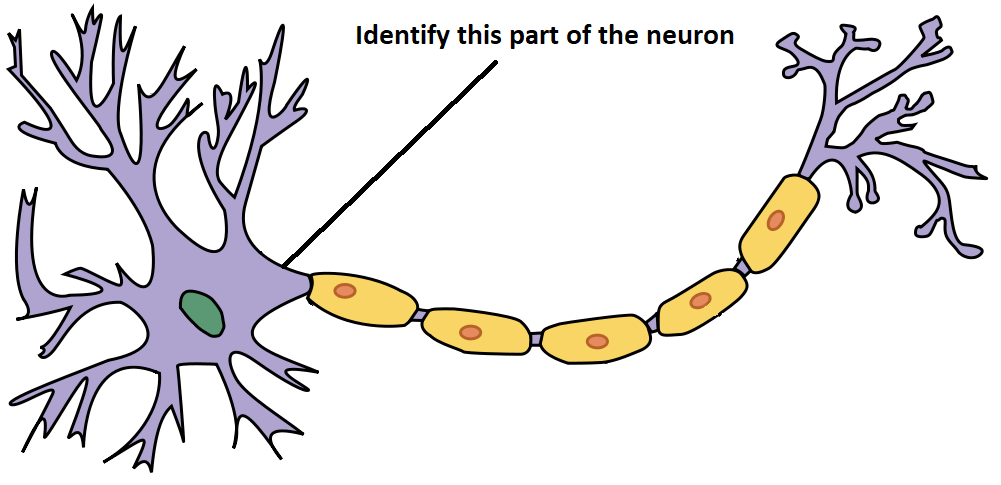
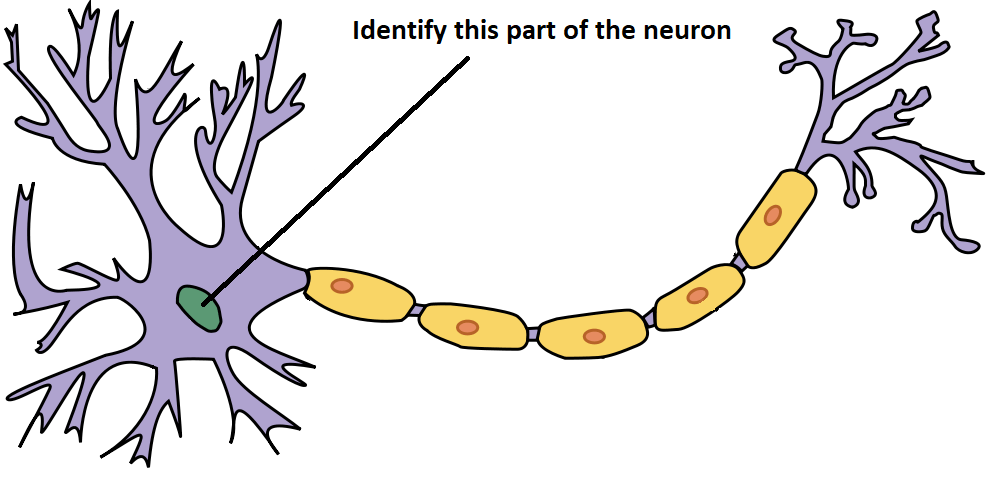
1.
a)

Nucleus

b)

Cell Body

c)

Axon

d)

Node of Ranvier

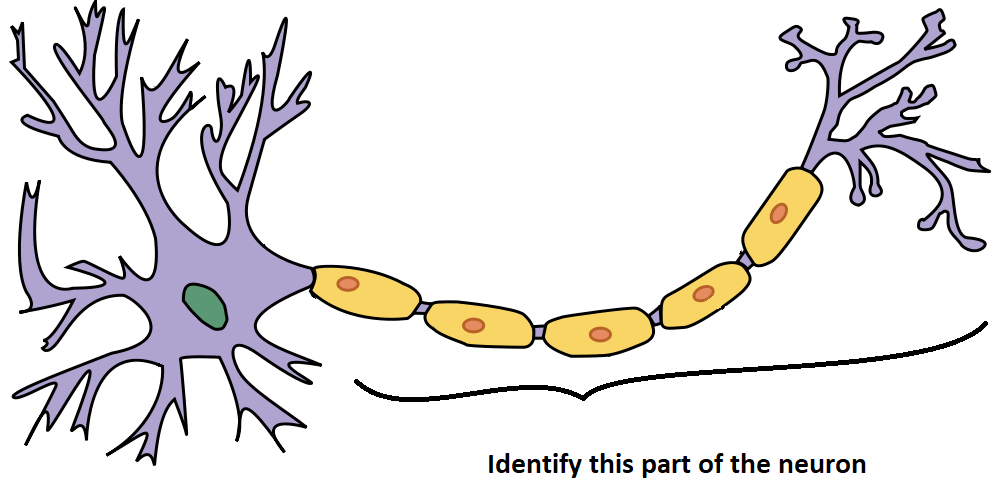
2.
a)

Nucleus

b)

Cell Body

c)

Axon

d)

Node of Ranvier

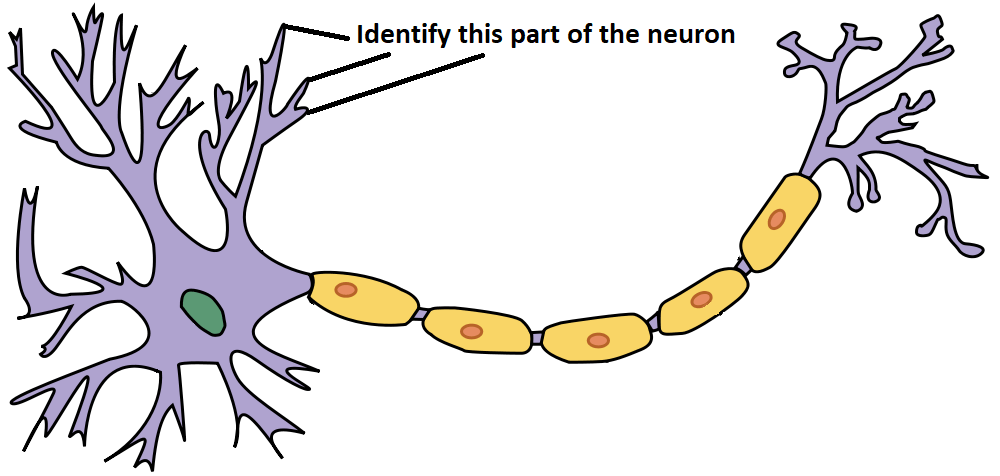
3.
a)

Nucleus

b)

Cell Body

c)

Axon

d)

Node of Ranvier

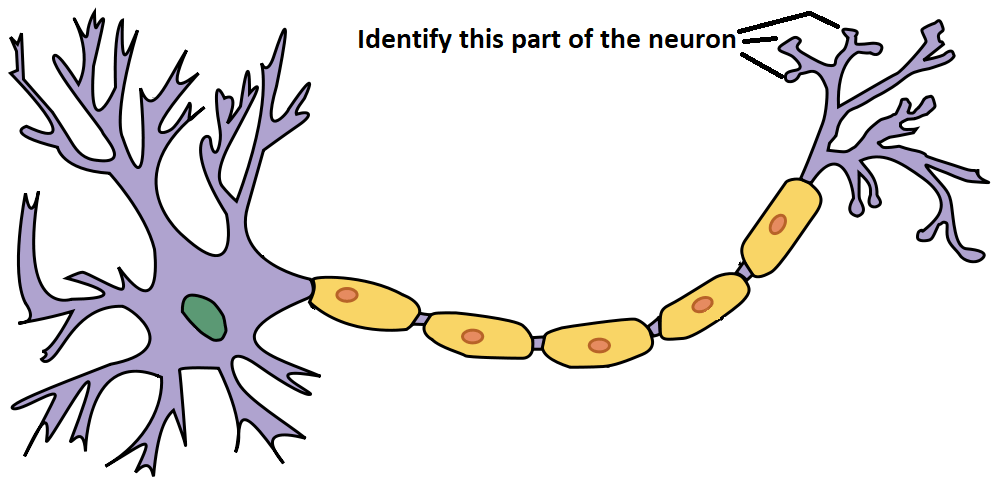
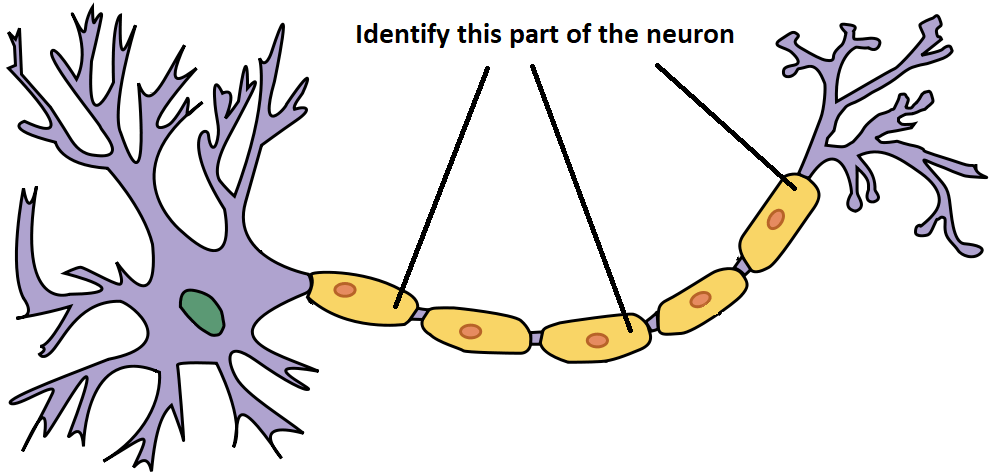
4.
a)

Dendrites

b)

Axon Terminals

c)

Myelin Sheath

d)

Schwann Cells

5.
a)

Dendrites

b)

Axon Terminals

c)

Myelin Sheath

d)

Schwann Cells

6.
a)

Dendrites

b)

Axon Terminals

c)

Myelin Sheath

d)

Schwann Cells

7.

What direction foes the electrical signal travel through the neuron?

a)

From dendrites, down the Axon, and out Axon terminals

b)

From Axon terminals, down the Axon, & out of the dendrites

c)

Any direction up or down the cell

d)

From the Axon, to the Dendrites, and out the Axon terminals

8.

What does the neuron's Myelin Sheath do?

a)

Controls the actions of the neuron

b)

Produces food for the neuron

c)

Carries information from the cell body to other neuronsThis is a wrong answer

d)

Surrounds and insulates the axon

9.

What do Dendrites do?

a)

Intakes information from other neurons

b)

Produces fatty tissue for the Myelin Sheath

c)

Sends information to the next cell

d)

Controls the speed of electrical signal through the axon

10.

What do Nodes of Ranvier do?

a)

Intakes information from other neurons

b)

Produces fatty tissue for the Myelin Sheath

c)

Sends information to the next cell

d)

Controls the speed of electrical signal through the axon

11.

What do Schwann Cells do?

a)

Intakes information from other neurons

b)

Produces fatty tissue for the Myelin Sheath

c)

Sends information to the next cell

d)

Controls the speed of electrical signal through the axon

12.

What do Axon Terminals do?

a)

Intakes information from other neurons

b)

Produces fatty tissue for the Myelin Sheath

c)

Sends information to the next cell

d)

Controls the speed of electrical signal through the axon

13.
The part of the neuron that receives messages from other neurons
a)
axon
b)
dendrite
c)
cell body
d)
Schwann cell
14.
The part of the neuron that sends messages to other neurons
a)
axon
b)
dendrite
c)
cell body
d)
Schwann cell
15.
What is the chemical used by a neuron to transmit an impulse across a synapse to another nerve cell?
a)
Neurotransmitters
b)
Synapse
c)
Threshold
d)
Impulse
16.
What is being identified with the tiny arrows?
a)
calcium channels
b)
neurotransmitters
c)
receptors
d)
vesicles
17.

Frank has an elevated heart rate, respiration rate and increased blood flow to his arm and leg muscles. Which branch(s) of the nervous system most likely has the most neurons firing action potentials?

a)

Parasympathetic nervous system

b)

Sympathetic nervous systen

c)

Somatic nervous system

d)

Sympathetic and somatic nervous systems

e)

Parasympathetic and somatic nervous systems

18.
This is the gap or space between two neurons
a)
Dendrites
b)
Cell Body
c)
Synapse
d)
Axon
19.
This is composed of Sensory and Motor Neurons everywhere in the body EXCEPT brain and spinal cord
a)
Peripheral Nervous System
b)
Central Nervous System
20.
CNS
a)
Central Neck System
b)
Central Nervous System
c)
Central Nerve System
d)
Cranial Nervous System
21.
what is also known as a nerve cell?
a)
neuron
b)
sensory nerves
c)
dendrites
d)
toes
22.
The central nervous consists of what?
a)
Brain and Spinal cord
b)
Spinal and Cranial Nerves
c)
Afferent and Efferent pathways
d)
Somatic and Autonomic nervous systems
23.

The body's way of responding to threats is:

a)

Stress

b)

Fight or Flight

c)

Resilience

d)

Distress

24.

The Adrenal glands are located

a)

next to the stomach

b)

in the throat

c)

on top of the kidneys

d)

near the lungs

25.

When we experience fight or flight stress, our blood sugar

a)

Decreases

b)

Increases

26.

When we experience fight or flight stress, our heart rate

a)

Decreases

b)

Increases

27.

When we experience fight or flight stress, our blood pressure

a)

Decreases

b)

Increases

28.

When we experience fight or flight stress, our digestion

a)

Decreases

b)

Increases

29.

Regulates breathing, heart rate, digestion, ect.

a)

Central Nervous System

b)

Peripheral nervous system

c)

Somatic nervous system

d)

Autonomic nervous system

30.

_____ neurons carry messages away from the central nervous system and out to muscles or glands. The RED neuron in diagram.

a)

sensory

b)

motor

c)

inter

d)

central

31.

Which way does an impulse travel

a)

From dendrite to axon and out axon terminal

b)

From axon to axon and out dendrite terminal

c)

From axon to dendrite and out axon terminal

d)

From cell body to dendrite and out axon terminal

32.

Which part of the peripheral nervous system deals with "rest and digest" activities?

a)

somatic

b)

autnomic

c)

sympathetic

d)

parasympathetic

33.

Which part of the peripheral nervous system deals with voluntary activities?

a)

somatic

b)

autnomic

c)

sympathetic

d)

parasympathetic

34.

Which part of the peripheral nervous system deals with involuntary activities?

a)

somatic

b)

autonomic

c)

sympathetic

d)

parasympathetic

35.
Which neurotransmitter is released in response to stress and trauma?
a)
Acetylcholine
b)
Endorphins
c)
Serotonin
d)
GABA
36.
Which neurotransmitter is involved in the "Fight or Flight" response?
a)
Acetylcholine
b)
Endorphins
c)
Norepinephrine
d)
Serotonin
37.
Which neurotransmitter inhibits brain activity?
a)
Acetylcholine
b)
GABA
c)
Endorphins
d)
Dopamine
38.
Serotonin is a neurotransmitter that helps regulate:
a)
learning and memory
b)
pain and pleasure
c)
muscle movements
d)
sleep, moods/emotions
39.
Too much of this neurotransmitter can cause severe muscle spasms and even death
a)
Serotonin
b)
Endorphins
c)
Acetylcholine
d)
GABA
40.
Loss of Dopamine-producing neurons is a cause of:
a)
paralysis
b)
Parkinson's
c)
anxiety
d)
Alzheimer's
41.
Nicotine can artificially stimulate receptor sites, making it an __________
a)
Acetylcholine
b)
Antagonist
c)
Agonist
d)
Axon
42.
Prozac works to combat depression by keeping this neurotransmitter in the synapse longer:
a)
Serotonin
b)
Acetylcholine
c)
GABA
d)
Endorphins
43.
This neurotransmitter is most often associated with pleasure/reward sensations:
a)
Acetylcholine
b)
GABA
c)
Dopamine
d)
Serotonin
44.
What is a neurotransmitter?
a)
fatty covering of the axon
b)
nerve cell
c)
chemical messenger
d)
gap between neurons
45.
Which neurotransmitter is involved in muscle movements?
a)
Acetylcholine
b)
Endorphins
c)
Serotonin
d)
GABA
46.

This neurotransmitter sends pain signals up the efferent neurons to the brain

a)

substance p

b)

dopamine

c)

glutamate

d)

serotonin

e)

endorphins

47.

This neurotransmitter is linked to feelings of pleasure, euphoria, and reward.

a)

dopamine

b)

serotonin

c)

substance p

d)

glutamate

e)

endorphins

48.

This neurotransmitter is linked to brain development and too much of it has been linked to brain damage and migraines.

a)

glutamate

b)

dopamine

c)

norepinephrine

d)

serotonin

e)

GABA

49.
A chemical that blocks a neurotransmitter from being absorbed, thus blocking its effects is a(n):
a)
Agonist
b)
Antagonist
c)
Endorphin
d)
L-Dopa
50.
The nineteenth-century theory that bumps on the skull reveal a person's abilities and traits is called 
a)
evolutionary psychology.
b)
behavior genetics.
c)
phrenology.
d)
eugenics. 
51.
Which type of psychologist most directly investigates the links between biological activity and our thinking and behaviors?
a)
psychotherapist
b)
biological psychologist
c)
cognitive psychologist
d)
psychometrician
52.
The minimum level of stimulation required to trigger a neural impulse is called the
a)
refractory period.
b)
action potential.
c)
synapes.
d)
threshold.
53.
Messages are transmitted from your spinal cord to your digestive system's stomach muscles by the
a)
endocrine system.
b)
central nervous system.
c)
sympathetic nervous system.
d)
somatic nervous system.
54.
The chemical messengers of the endocrine system are called
a)
neurotransmitters.
b)
interneurons. 
c)
hormones.
d)
antagonists
55.
The master gland of the endocrine system is the
a)
adrenal gland.
b)
pituitary gland.
c)
pancreas.
d)
hypothalamus.
56.
electric charge on the inside and the outside of the cell membrane and is when the cell becomes positively charged
a)
polarization
b)
depolarization
57.
electrical charged particles found both inside and outside neuron 
a)
ion
b)
vessicles
c)
synapes
58.
neurotransmitter that promotes (gas pedal) action potentials. Arousing or accelerating physiological
a)
excitatory
b)
inhibitory
59.
Soma
a)
cell body
b)
vessicles
60.

Which is the better Chris?

a)

Chris Pine

b)

Chris Evans

c)

Chris Pratt

d)

Chris Hemsworth