wayground logo

Free Printable Worksheets

NEW

Font size

S
M
L
XL
Worksheets

Term 3/4 Revision - Energy & Geology

Total questions: 50

Worksheet time: 40mins

Name
Class
Date
1.
What kind of energy is represented in the picture?
a)
Thermal
b)
Chemical
c)
Sound
d)
Nuclear
2.
Energy of motion is which type of energy?
a)
Potential
b)
Kinetic
c)
Sound
d)
Gravitational
3.
What type of energy is in this picture?
a)
Kinetic
b)
Potential
c)
Chemical
d)
Sound
4.
What machine changes electrical energy into light and sound energy?
a)
battery
b)
lightbulb
c)
alarm clock
d)
apple
5.
Energy that is stored in the nucleus of an atom is called _________ energy.
a)
Chemical
b)
Nuclear
c)
Gravitational
d)
Elastic
6.
Electromagnetic energy (such as visible light waves, X-rays, gamma rays and radio waves) is called _______ energy.
a)
Thermal
b)
Radiant
c)
Sound
d)
Electrical
7.
Food, batteries, and fuel such as gasoline are similar because they are sources of _________ energy.
a)
chemical energy
b)
kinetic energy
c)
mechanical energy
d)
heat energy
8.
What type of energy includes both kinetic and potential energy?
a)
mechanical energy
b)
chemical energy
c)
heat energy
d)
sound energy
9.
Can you create energy?
a)
Yes
b)
No
10.
Can you destroy energy?
a)
Yes
b)
No
11.
Water high in the air falls due to gravity, the moving water spins turbines, and they create/store electricity...
Pick the BEST Energy Conversion below for a Hydroelectric Dam.
a)
Mechanical to Electrical
b)
Electrical to Mechanical to Thermal
c)
Potential to Kinetic to Electrical
d)
Kinetic to Mechanical to Electrical
12.
If you drop a basketball, it will bounce, and then roll, and finally stop.
Why won't a basketball bounce forever?
a)
The ball weighs too much, and that makes it stop.
b)
Gravity pulls the ball down more than the ball can bounce.
c)
It's Potential Energy gets destroyed as it bounces.
d)
It's energy is transformed into other types of energy.
13.
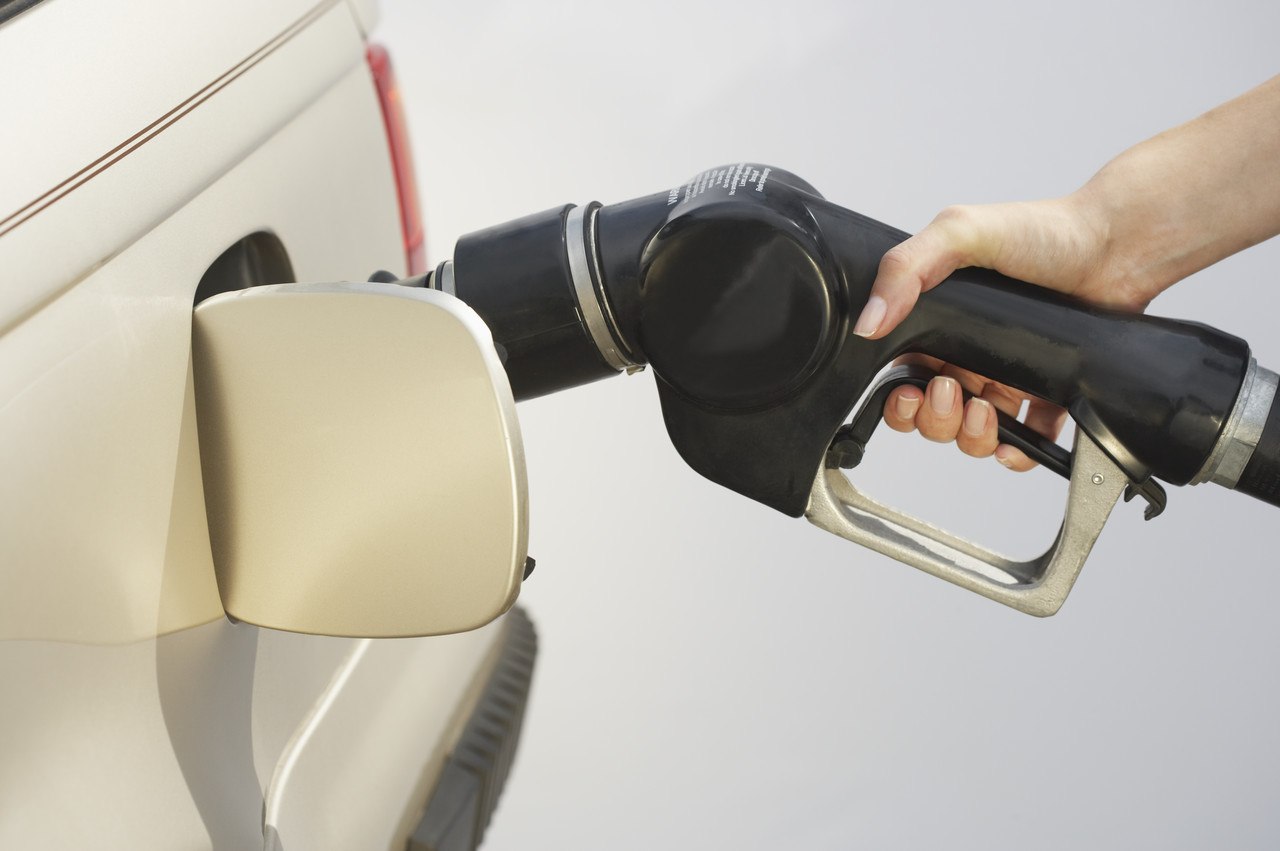
Which energy conversion is taking place when you put gasoline in a car?
a)
thermal -> electrical
b)
mechanical -> electrical
c)
chemical -> mechanical
d)
mechanical -> electromagnetic
14.
What unit is energy measured in?
a)
Hertz
b)
Joules
c)
meters
d)
inches
15.

As a roller coaster goes downhill

a)

kinetic energy is converted into potential energy.

b)

potential energy is converted into kinetic energy.

c)

electrical energy is converted into potential energy.

d)

potential energy is converted into electrical energy.

16.
The Law of Conservation of Energy states:
a)
Energy can created or destroyed but not transformed 
b)
Energy cannot be created or destroyed, it can only transformed
c)
Energy can't be created, destroyed or transformed
17.
Coal is a __________ energy resource.
a)
Renewable
b)
Nonrenewable
18.
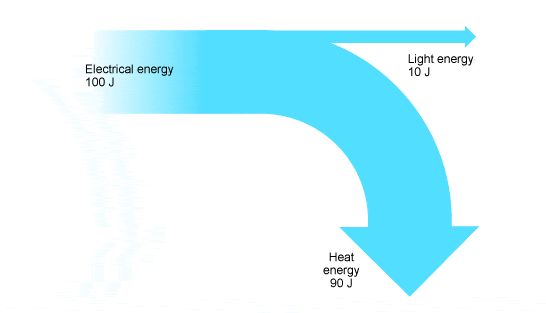
Where does most of the energy go in this transformation.
a)
Electrical energy
b)
Light
c)
Heat
d)
other
19.
What type of device might this Sankey be about?
a)
A very efficient LED light bulb
b)
A very inefficient incandescent light bulb
c)
A coal power plant
d)
A wind turbine
20.
Where does most of the energy go for this transformation.
a)
heat
b)
electrical
c)
light
d)
joules
21.
Energy is the ability to do _________________.
a)
computation problems in Math
b)
talking
c)
listening
d)
work
22.
Which of the following chemical energy to sound and radiant energy?
a)
solar calculator
b)
windmill
c)
glow stick
d)
firecracker
23.
Which of the following converts chemical energy to electrical energy?
a)
candle
b)
light bulb
c)
coal power plant
d)
nuclear power plant
24.

Which energy chain best describes the coal power station process

a)

Chemical > Heat > Kinetic > Kinetic > Electrical > Light

b)

Chemical > Heat > Electrical > Kinetic > Electrical > Light

c)

Heat > Light > Kinetic > Sound > Heat > Chemical

d)

Coal > Heat > Light > Sound > Nuclear > Kinetic

25.

______________________ occurs when energy changes from one form to another.

a)

Energy transformation

b)

Energy transfer

c)

Energy balance

d)

Energy equilibrium

26.

_______________________ is stored energy to position or arrangement of particles in an object.

a)

Kinetic energy

b)

Potential energy

c)

Thermal energy

d)

Electrical energy

27.

What does the Law of Conservation of Energy state?

a)

energy is always created, but not destroyed

b)

energy cannot be created or destroyed

c)

energy cannot be created, but can be destroyed

d)

energy is always being created and destroyed

28.

Energy of motion is

a)

potential energy

b)

kinetic energy

c)

elastic energy

d)

chemical energy

29.

_______________________ is stored energy to position or arrangement of particles in an object.

a)

Kinetic energy

b)

Potential energy

c)

Thermal energy

d)

Electrical energy

30.

____________________ occurs when snowflakes melt in your warm hands.

a)

convection

b)

conduction

c)

radiation

d)

thermal balance

31.

Heat transfer is really neat; it always goes from ________ to _________

a)

cold to hot

b)

cold to warm

c)

lukewarm to warmer

d)

hot to cold

32.

What energy transformations occur when using a cell phone?

a)

chemical to electrical, sound, and light energy

b)

thermal to heat, light, and chemical energy

c)

nuclear to chemical to electrical energy

d)

elastic to potential to kinetic to chemical energy

33.

_____________________ occurs only in gases and liquids. This is one way heat transfers from one place to another.

a)

Conduction

b)

Convection

c)

Radiation

d)

Containment

34.

_______________________ is stored energy to position or arrangement of particles in an object.

a)

kinetic energy

b)

potential energy

c)

thermal energy

d)

electrical energy

35.
_________ is a force that resists the sliding of two surfaces that are touching.
a)
Ficiton
b)
Friction
c)
Function
d)
Fashion 
36.
Thermal energy is measured in....
a)
Joules
b)
Newtons
c)
Grams
d)
Volts
37.

An energy transfer is

a)

The changing of energy from one form of energy to another form of energy

b)

The changing of energy from gravitational potential to kinetic

c)

The changing of energy from electrical to any other form

d)

The passing of energy from one object to another object

38.
A rock formed from lava or magma is classified as
a)
igneous
b)
metamorphic
c)
sedimentary
39.
A rock formed from heat and pressure is
a)
igneous
b)
metamorphic
c)
sedimentary
40.
Sedimentary rock results from 
a)
heating
b)
melting
c)
erosion
d)
pressure
41.
What type of materials always make up minerals?
a)
organic
b)
inorganic
c)
metals
d)
nonmetals
42.

What type of mine is this?

a)

Underground mine

b)

Open cut mine

c)

Dredge mine

d)

Shaft mine

43.
The process by which running water, wind, or ice carry away bits of broken-up rock
a)
weathering
b)
sediment
c)
erosion
d)
cememtation
44.
Small pebbles, pieces of other rock, and sand are called?
a)
weathering
b)
sediment
45.
What is the breaking down of rocks?
a)
Weathering
b)
Clastic
c)
Vesicular
46.

metamorphic rocks are made by ____

a)

Cooling

b)

erosion

c)

Heat and pressure

47.
Islands can from from magma which is pushed up at a __________ plate boundary
a)
Divergent
b)
Convergent
c)
Transform
48.
Mountains are created when....
a)
Two continental plates collide
b)
Two oceanic plates pull apart
c)
An Oceanic plate subducts under a Continental Plate
d)
Two continental plates pull apart
49.
What type of plate boundary is this?
a)
Plate
b)
Divergent
c)
Convergent
d)
Transform
50.
The way the heat is moving from the hot coffee is called...
a)
convection
b)
radiation
c)
insulation
d)
conduction