

wayground logo

Free Printable Worksheets

NEW

Font size

S
M
L
XL
Worksheets

Mega space quiz

Total questions: 45

Worksheet time: 23mins

Name
Class
Date
1.
How many planets are in our solar system (not including pluto)
a)
9
b)
8
c)
10
d)
7
2.
Name the planets in order from the one closet to the Sun
a)
Mercury, Venus, Earth, Mars, Jupiter, Saturn, Uranus, Neptune
b)
Neptune, Uranus, Saturn, Jupiter, Mars, Earth, Venus, Mercury
c)
Mercury, Earth, Mars, Venus, Saturn, Jupiter, Uranus, Neptune
d)
Mercury, Venus, Earth, Mars, Jupiter, Saturn, Uranus, Neptune, Pluto
3.
Which planet is the largest planet in our solar system?
a)
Saturn
b)
Earth
c)
Mars
d)
Jupiter
4.
What are the rings of Saturn made of?
a)
Rocks and Dust
b)
Rock, Frozen gases, Ice crystals, and water
c)
Ice Crystals
d)
Stars
5.
A small, icy body that orbits the Sun. Is made of a main body and a tail.
a)
Asteroid
b)
Comet
c)
Meteor
d)
Meteoroid
6.
A small, solid, rocky body that orbits the Sun. 
a)
Asteroid
b)
Comet
c)
Meteoroid
d)
Meteor
7.
A chunk of rock that burns up upon entering a planet's atmosphere
a)
Comet
b)
Meteor
c)
Meteoroid
d)
Asteroid
8.
What six things make up our Solar System?
a)
Sun, Planets, Moons, Asteroids, Comets, Meteors
b)
Galaxies, Planets, Stars, Asteroids, Planets, Moons
c)
Sun, Planets, Moons, Stars, Asteroids, Comets
d)
Planets, Stars, Galaxies, Comets, Meteors, Sun
9.
What are the gaseous planets?
a)
Jupiter, Saturn, Uranus, Neptune
b)
Mercury, Venus, Earth, Mars
c)
Jupiter, Saturn, Uranus, Mars
d)
Mercury Venus, Earth Neptune
10.
What are the terrestrial planets?
a)
Jupiter, Saturn, Uranus, Neptune
b)
Mercury, Venus, Earth, Mars
c)
Mercury, Earth, Mars, Neptune
d)
Jupiter, Saturn, Earth, Neptune
11.
Gaseous Planets are larger than Terrestrial Planets.
a)
True
b)
False
12.
How do moons move?
a)
Moons rotate around their planet and revolve on their axis
b)
Moon rotate around their planet and rotate on their axis
c)
Moons revolve around their planet and rotate on their axis
d)
Moons revolve around their planet and revolve on their axis
13.
 How is the Sun similar to the stars that can be seen at night?
a)
The Sun makes light energy
b)
The Sun takes light energy from space. 
c)
The Sun warms the Earth with its light
14.
1.  Earth's seasons are caused by the tilt of the____________.
a)
axis
b)
hemispheres
c)
gravity
15.
1.  If it is summer in the Northern Hemisphere, then it will be _____________ in the Southern Hemisphere.
a)
Fall
b)
Summer
c)
Winter
16.
Which letter or letters represent daytime on Earth? 
a)
B
b)
C
c)
B and C
d)
A and B
17.
The Earth is constantly spinning on its axis, like you might spin a basketball on your finger.

It is this spinning of the Earth that causes
 
a)
the seasons
b)
night and day
c)
moon phases
18.
Which statement describing the relationship between stars and planets is true?
a)
planets orbit the sun and stars do not
b)
planets create light, and stars reflect light energy
c)
stars orbit some planets
d)
the sizes of the planets are directly related to the sizes of nearby stars
19.

This is a nickname for a meteor as it burns up in our atmosphere. They only last for a few seconds as they burn and break apart.

a)

Flaming gerbils!

b)

Fiery Octopoids!

c)

Shooting Stars

d)

Bursting fire things- oock!

20.

This is bigger than a moon, but smaller than a star.

a)

planet

b)

galaxy

c)

nebula

d)

universe

21.

This is a giant collection of solar systems and stars...

a)

Nebula (think Crab Nebula!)

b)

Local Group (think Virgo Super Cluster!)

c)

Galaxy (Think Milky Way!)

d)

Universe (think...universe!)

22.

This is the collection of all matter and space! It's the most massive object of all!

a)

Earth

b)

Sol

c)

Galaxy

d)

Universe

23.

This is more massive than a solar system but less massive than the universe.

a)

galaxy

b)

star

24.

This is the force that governs ALL motion in the universe:

a)

Magnetism

b)

Gravity

c)

Electricity

d)

LIght

25.

This is the unit of distance that we use to measure something like the width of a galaxy-

a)

light-year

b)

kilometers

c)

AU

d)

Hamster hands

26.

I would measure the distance from the Sun to Proxima Centauri in -

a)

AU

b)

kilometers

c)

light years

d)

centimeters

27.
What are the reasons for the season?
a)
Earth's tilt & rotation
b)
Earth's tilt & revolution
c)
Earth's rotation & rovolution
d)
Earth's tilt & resolution
28.
Which season(s) have the same amount of daylight hours as nighttime hours?
a)
More hour of light during spring, less in fall
b)
More hours of light during summer, less in winter
c)
None of the seasons have equal daylight hours
d)
All are equal
29.
What causes there to be longer number of hours of light during the summer
a)
Earth tilt's away from the sun in summer
b)
Earth's revolves slower in summer
c)
Earth tilts toward the sun in summer
d)
Earth is closer to the sun
30.
In spring/summer, the axis of the earth is pointed away or toward the sun?
a)
towards
b)
Neither away or toward
c)
away
31.
In summer, the axis of the earth is pointed away or toward the sun?
a)
towards
b)
up
c)
down
d)
away
32.
In winter, the axis of the earth is pointed away or toward the sun?
a)
towards
b)
up
c)
down
d)
away
33.
Why is it warmer in the summer?
a)
Closer to the sun
b)
More direct light from Earth's tilt
c)
Stronger light from the sun
d)
Earth spins slower
34.
Why is the Equator warmest?
a)
Because it is closest to the sun.
b)
Because it receives the most direct sunlight
c)
Because no clouds form here.
d)
Because it is far from the sun
35.
Which season is taking place in the Southern Hemisphere in Position 1?
a)
Winter
b)
Spring
c)
Summer
d)
Fall
36.
Which season is taking place in the Northern Hemisphere in Position 1?
a)
Winter
b)
Spring
c)
Summer
d)
Fall
37.
Which season is taking place in the Northern Hemisphere in Position 2?
a)
Winter
b)
Spring
c)
Summer
d)
Fall
38.
Which season is taking place in the Northern Hemisphere in Position 3?
a)
Winter
b)
Spring
c)
Summer
d)
Fall
39.
Which season is taking place in the Northern Hemisphere in Position 4?
a)
Winter
b)
Spring
c)
Summer
d)
Fall
40.
If its ____ in the Northern hemisphere, then its fall in the Southern hemisphere. 
a)
spring
b)
summer
c)
fall
d)
winter
41.
Where is the equator?  
a)
at the North Pole
b)
halfway between the North and South Poles
c)
at the South Pole
d)
in the Western hemisphere
42.
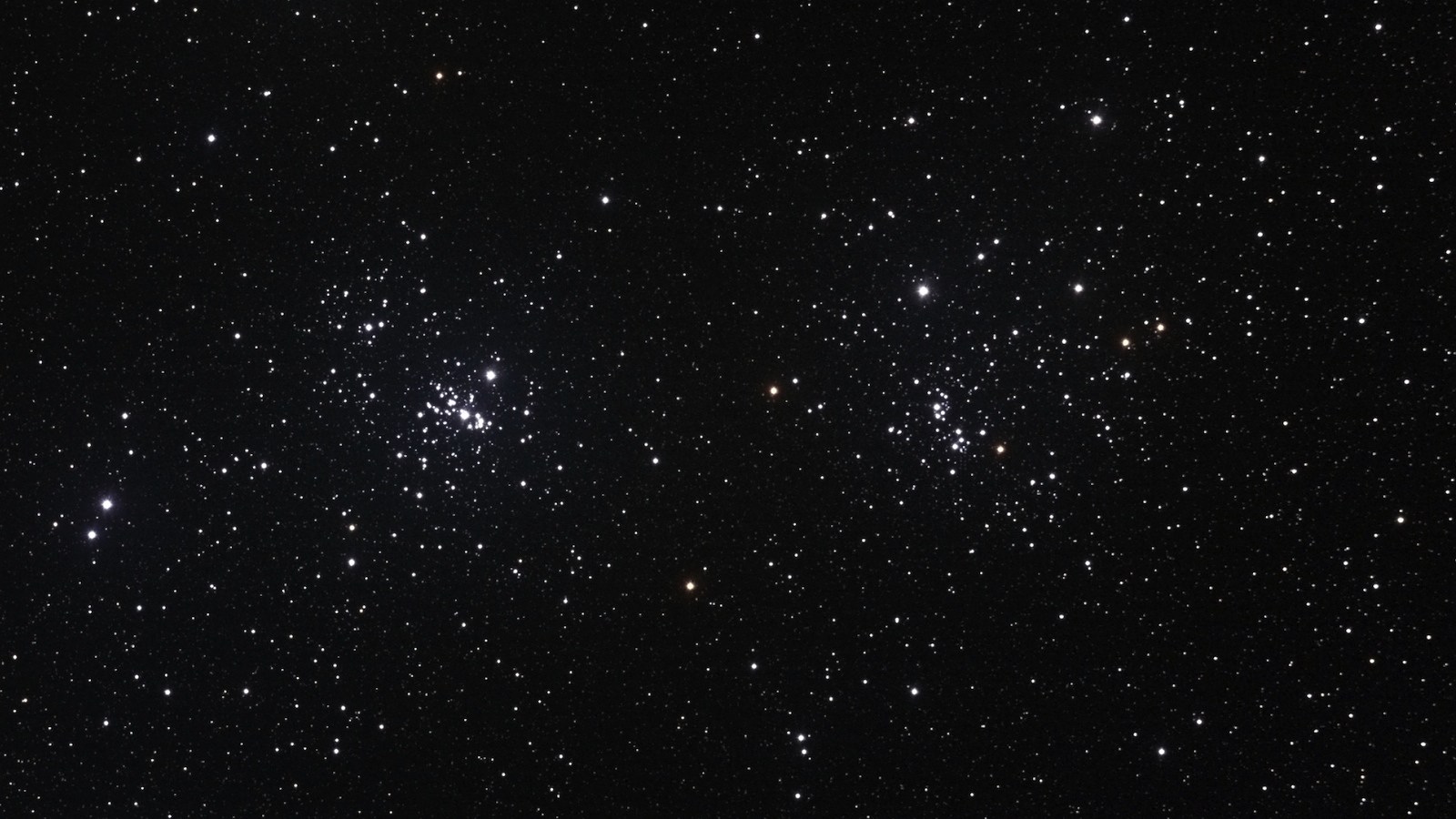
True or False
The Sun is the biggest star in the sky.
a)
True
b)
False
43.
Why do other stars appear so much smaller than the sun?
a)
They are much smaller
b)
They are so far away
c)
They are not as bright
d)
They are dwarf stars
44.
Why does the sun look small in the sky to us?
a)
It is 93,000,000 miles away
b)
It is smaller than Earth
c)
It is not very bright
d)
It travels around Earth
45.
What are stars?
a)
Rocky bodies
b)
Hot exploding balls of gas
c)
5 pointed shapes
d)
Hollywood actors
