wayground logo

Free Printable Worksheets

Font size

S
M
L
XL
Worksheets

6th Grade SS Final Part 1

Total questions: 150

Worksheet time: 2hrs 53mins

Name
Class
Date
1.
To get from Europe to America by traveling west, explorers had to cross the ______________ Ocean. 
a)
Indian
b)
Atlantic
c)
Pacific
d)
Artic
2.
What was the name of the trade route that Columbus established from America to Europe?
a)
the Silk Road
b)
the St. Lawrence Shuttle
c)
the Columbian Exchange 
d)
the Polo Express
3.

What were the 3 Gs for exploration?

a)

God

b)

Glory

c)

Greatness

d)

Gold

4.

Which European countries were competing to control spice trade?

a)

United States, France, and England

b)

Spain, France, and England

c)

Mexico, England, and France

d)

Mexico, United States, and Canada

5.

Gold, God, and Glory ....

a)

Reasons to explore North America

b)

Reasons to explore route to Asia

c)

Effects of slavery on Native Americans

d)

Effects of European exploration

6.

Mercantilism was an economic system that was created for

a)

free Republics to buy and sell goods all over.

b)

Kings and Queens to hide their treasures.

c)

colonies to get rich, rich, rich!

d)

the mother country to get rich from raw materials of a colony.

7.
The role of colonies under the economic system of mercantilism was to --
a)
provide the "mother country" with raw materials.
b)
promote the economy of individual colonies.
c)
establish trade with foreign countries.
d)
establish trade with other colonies.
8.
One reason that the Mayflower Compact is considered important is ______________.
a)
It marked the beginning of political parties.
b)
It marked the beginning of a self government based on the will of the people.
c)
It established basic laws for all colonies to follow.
d)
It gave the colonists permission to collect taxes.
9.

What were the main reasons for European colonization?

a)

Gold, Glory, Gold

b)

Wealth, Religion, Glory

c)

Religious, Economic, Political, Social

d)

To grow the Americas

10.

The distance from Great Britain led to

a)

the development of self-government

b)

establishing a king for each colony

c)

increased shipbuilding for travel

d)

Parliament establishing new religious traditions in Great Britain

11.
What 13th century document established the rights listed below?
- Basic rights of citizens
- Rule of law
- Representative assemblies
a)
the Constitution
b)
Napoleonic Code
c)
the Communist Manifesto
d)
the Magna Carta
12.
Why is the Magna Carta an important document in British history?
a)
It was the first document to place limits on the king's power
b)
It outlawed feudalism and gave voting rights to all citizens
c)
It established Parliament as the nation's legislative body.
d)
It determined England's physical boundaries
13.
A Government by the people
a)
Democracy
b)
Oligarchy 
c)
Monarchy
d)
Tyranny 
14.
Which of the following statements best describes the citizens of Athens?
a)
They spoke different languages
b)
They valued their freedoms and took an active role in government
c)
They overthrew their government by force.
d)
They develop the art of war.
15.

True or false. Greece's natural barriers made it difficult for people to interact and form one large, unified country.

a)

True

b)

False

16.

Government by the people

a)

Democracy

b)

Polis

c)

Helots

d)

Aristocrats

17.
What role did Athenian citizens have in their democracy?
a)
to not take part in government affairs
b)
to financially support public officials
c)
to discuss and vote on laws and policies
d)
to elect representatives to make laws
18.
What is a form of government called in which the leader is put into office by citizens with the right to vote?
a)
Republic
b)
Monarchy
c)
Empire
d)
Theocracy
19.

The U.S. system uses three ____________ of government with similar functions as the three levels of the Roman government.

a)

branches

b)

nations

c)

coins

d)

framers

20.

In Rome, the government was originally based on unwritten customs rather than on a written ____________________

a)

constitution

b)

resources

c)

capital

d)

United States

21.

The design of the Roman Republic influenced the formation of governments in the _______________________ and Europe

a)

resources

b)

capital

c)

United States

d)

citizens

22.

The Romans had several branches of government that could limit one another in their use of _______________

a)

Senate

b)

power

c)

roads

d)

capital

23.
Colonial region 
1. focused on cash crops like cotton and tobacco
2. slavery became much more important in the southern colonies than any other colonial region.
a)
New England Colonies (New Hampshire, Massachusetts, Connecticut, Rhode Island)
b)
Middle Colonies (New York, New Jersey, Pennsylvania, Delaware, Maryland)
c)
Southern Colonies (Virginia, North Carolina, South Carolina, Georgia)
24.
Colonial region focused on food crops such as wheat
a)
New England Colonies (New Hampshire, Massachusetts, Connecticut, Rhode Island)
b)
Middle Colonies (New York, New Jersey, Pennsylvania, Delaware, Maryland)
c)
Southern Colonies (Virginia, North Carolina, South Carolina, Georgia)
25.
Economic theory which said that a nation should export more than they import, and should create colonies for natural resources.
a)
Mercantilism
b)
Triangle Trade
c)
Navigation Acts
d)
Free Enterprise
26.
This group of colonies had the most diversity.
a)
New England
b)
Middle 
c)
Puritans
d)
Separatists
27.
New England farmers practiced which type of farming?
a)
Cash crop
b)
Rotational
c)
Plowing
d)
Subsistence
28.
Which of these best describes the environment of the New England colonies?
a)
Long, hot summers and mild winters
b)
Harsh winters and rocky, hilly land
c)
Broad coastal plains and fertile soil
d)
Broad rivers, swamps and wet lands
29.

Which colonial region has a climate that can best be described as rainy winters and hot, humid summers.

a)

New England

b)

Southern

c)

Middle

30.

Which colonies have large plantations?

a)

Middle

b)

Southern

c)

New England

d)

Northeast

31.

What region produced huge amounts of grain during the colonial period?

a)

Middle Colonies

b)

Southern Colonies

c)

New England Colonies

d)

frontier region

32.

The long cold winters in the ____________________ colonies was not ideal for growing cash crops and so they focused on lumbering, fishing & fur trading.

a)

New England

b)

Middle

c)

Southern

d)

Winter

33.

Geography of the New England Colonies

a)

Rocky, Forests, hilly, poor soil, long winters, limited farming

b)

Fertile soil, flat land, swift rivers, wide valleys, warmer

c)

Rich fertile soil, broad coastal plains, tidewater, backcournty

34.

Geography of the Middle Colonies

a)

Rocky, forests, hilly, poor soil, long winters, limited farming

b)

Rich fertile soil, broad coastal plains, tidewater, backcountry

c)

Fertile soil, flat land, swift rivers, wide valleys, warmer

35.

Geography of the Southern Colonies

a)

Rich fertile soil, broad coastal plains, tidewater, backcountry

b)

Fertile soil, flat land, swift rivers, wide valleys, warmer

c)

Rocky, forests, hilly poor soil, long winters, limited farming

36.

A economic system where the state controls the production and is the owner of the means of production.

a)

Mixed economy

b)

Market economy

c)

Communism

d)

Subsistence economy

37.

In this economic system there is private property but the state intervenes creating laws and regulating prices.

a)

Market economy

b)

Mixed economy

c)

Communism

d)

Subsistence economy

38.

What are the capital resources?

a)

Buildings, machinery and money necessary for production.

b)

These are the people that convert natural resources into manufactured goods.

c)

Resources provided by nature. They can be renewable, partially-renewable and non-renewable.

d)

Small, medium-sized and multinational companies.

39.

Someone that makes or grows goods, or offer services

a)

Goods

b)

Services

c)

Producer

d)

Consumer

40.

Work that someone does for someone else

a)

Goods

b)

Services

c)

Producer

d)

Consumer

41.

Things that are made or grown and then sold

a)

Goods

b)

Services

c)

Producer

d)

Consumer

42.

The amount of something available to consumers

a)

Supply

b)

Demand

c)

Goods

d)

Services

43.
What are the factors of production?
a)
Products and services generated by economic activity
b)
The resources required for the generation of goods
c)
Those products and services generated by humans for the subsistence and satisfaction of different needs
d)
None or the previous answers are correct
44.
What are economic goods?
a)
Products and services generated by economic activity
b)
Existing resources generated by products and services for the subsistence of the population
c)
Those products and services generated by humans for the subsistence and satisfaction of different cities
45.
Money, equipment, and supplies needed in production.
a)
Land
b)
Labor
c)
Capital
d)
Entrepreneur
46.
•No economic freedom •No private ownership •No profit motive
a)
Market
b)
Command
c)
Social
d)
Traditional
47.
Customs and traditions determine who controls the factors of production.
a)
Market
b)
Command
c)
Social
d)
Traditional
48.
•People are motivated by profit
•There is little government involvement
a)
Market
b)
Command
c)
Social
d)
Traditional
49.
The individual or group that invents what is produced.
a)
Land
b)
Labor
c)
Capital
d)
Entrepreneur
50.
A nation with a high literacy rate and high GDP would be considered...
a)
Developed
b)
Developing
51.
A nation with a high infant mortality rate would be considered...
a)
Developed
b)
Developing
52.
The individual or group that invents what is produced.
a)
Land
b)
Labor
c)
Capital
d)
Entrepreneur
53.

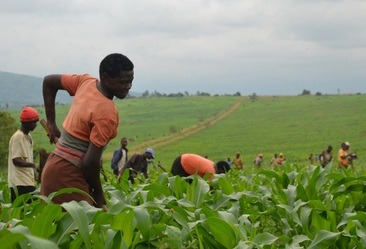
This image represents which type of economic resource?

a)

Natural Resource

b)

Capital Resource

c)

Human Resource

d)

Entrepreneur

54.

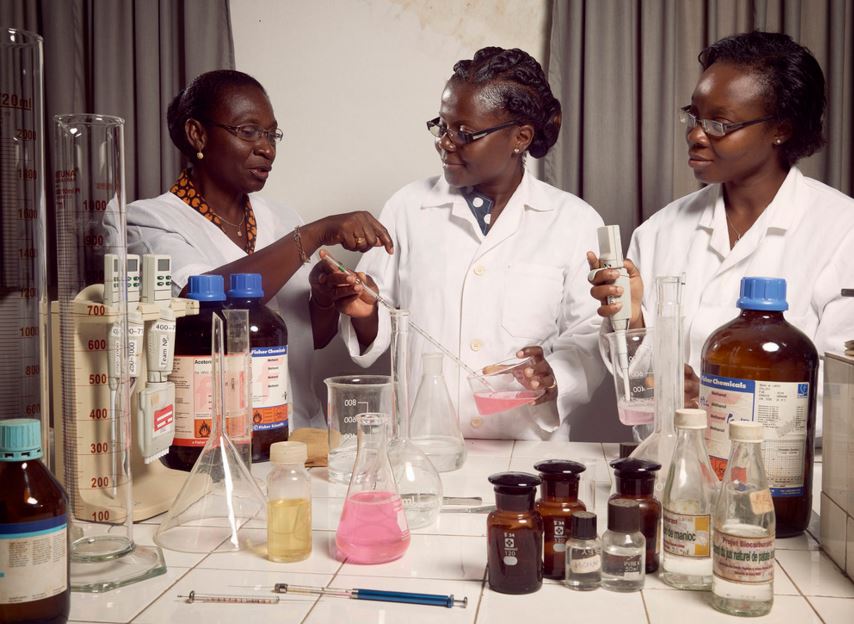
This image represents which type of economic resource?

a)

Natural Resource

b)

Capital Resource

c)

Human Resource

d)

Entrepreneur

55.

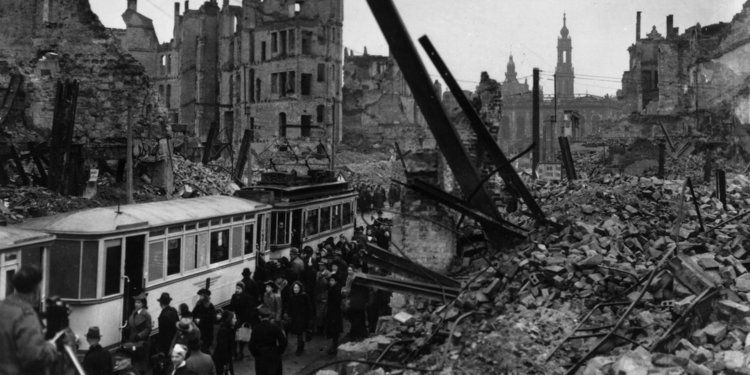
This image represents which type of economic resource?

a)

Natural Resource

b)

Capital Resource

c)

Human Resource

d)

Entrepreneur

56.

This economic system is based on individual freedom.

a)

Traditional

b)

Command (Communism)

c)

Free Market

57.

Which level of development is a country where most people work at the subsistence level?

a)

More Developed

b)

Newly Industrialized

c)

Less Developed

58.

Countries where many people work in research and development are in this level of economic development.

a)

More Developed

b)

Newly Industrialized

c)

Less Developed

59.

Most people are inspired to start a business by the

a)

free contract clause

b)

marginal benefit

c)

open opportunity clause

d)

profit motive

60.

What is the role of producers?

a)

Make the product

b)

Buy the product

c)

to carry out a government economic program

d)

to increase the profit of other established retail stores

61.
In the United States, you may_______________.
a)
start your own business to meet a need
b)
decide what fees to charge for a service or product
c)
own and run any business as long as the laws are obeyed
d)
all of the answers are correct
62.

Which economy is described here: There is no competition, few job choices, and complete government control.

a)

free enterprise

b)

command

63.
Which is NOT a characteristic of Capitalism?
a)
Market Economy
b)
Supply and Demand
c)
Freedom of Competition
d)
Classless Society
64.
This economic system is based on competition, profits, and self-interest.
a)
Socialism
b)
Communism
c)
Capitalism
65.
Property is owned by the state
a)
Communism
b)
Capitalism
66.
Classless society: all members of society are considered to be equal
a)
Communism
b)
Capitalism
67.
System of government is totalitarian
a)
Communism
b)
Capitalism
68.

What is Traditional Economy ?

a)

Culture and Rituals

b)

Government

c)

Consumers

d)

Market Concepts

69.

What are the characteristics of a traditional economic system?

a)

Relies on government

b)

Driven by consumers

c)

built upon traditions, customs, and beliefs

70.
A resource that is not easily replaced...
a)
Renewable
b)
Nonrenewable
71.
Can be replaced within a human lifetime
a)
Nonrenewable resource
b)
Renewable resource
72.
Which of the following natural resources are nonrenewable?
a)
Water
b)
Animals
c)
Natural gas
d)
Wind
73.

Renewable or Non-renewable: Plants?

a)

Renewable

b)

Non-renewable

74.

Renewable or Non-renewable: Soil?

a)

Renewable

b)

Non-renewable

75.

Renewable or Non-renewable: Natural Gas?

a)

Renewable

b)

Non-renewable

76.

Renewable or Non-renewable: Oil?

a)

Renewable

b)

Non-renewable

77.

Renewable or Non-renewable: Trees?

a)

Renewable

b)

Non-renewable

78.
Hydroelectric energy uses...
a)
water to make electricity.
b)
hydrogen to make electricity.
c)
lightning in water to make electricity.
79.

Renewable or Non-renewable: Wind?

a)

Renewable

b)

Non-renewable

80.
Fossil fuels are nonrenewable because...
a)
they are used to produce heat
b)
they take a long time to form
c)
they can be found underground
81.
What is a natural resource?
a)
Resources we get from our house
b)
Resources we get from people
c)
Resources we get from nature
82.
Which group includes ALL renewable resources?
a)
Coal, trees, water, oil
b)
Water, wind, sun, plants
c)
Minerals, sun, natural gas, water
83.
the main types of trade protection have been 
a)
voluntary export restraints , voluntary cash flow remittances and retrocapital flows 
b)
financial barriers that make imports of lower quality 
c)
financial barriers that increase the cost of imports and lower production costs of domestic rivals
d)
embargoes quota and quarantine 
84.

What is a Tariff?

a)

A tax on imported and exported goods

b)

A price marked on goods

c)

Profit made from manufactured goods

85.

a hunter will exchange animal skin with a farmer for grains.

a)

True

b)

False

86.

Barter system is the exchange of goods and cash.

a)

True

b)

False

87.

Barter system is the exchange of goods and cash.

a)

True

b)

False

88.

before there are goods, people will exchange money with each other.

a)

True

b)

False

89.

The beliefs, goals, and practices that a group of people share is known as its

a)

behavior

b)

interdependence

c)

culture

d)

diffusion

90.

A learned system of shared beliefs, goals, and ways of doing things:

a)

culture region

b)

ethnicity

c)

diversity

d)

culture

91.

Cultural diffusion is

a)

a certain belief about a group of people

b)

how people worship a God in a culture

c)

the spread of a cultural trait from one group to another

d)

science

92.

The gathering of different cultures in a common place is?

a)

Cultural diffusion

b)

Culture

c)

Multiculturism

d)

Multidiffusion

93.
Cultural features have connections to 
a)
Geography
b)
History
c)
Both geography and history
d)
none of the above 
94.
Mountains, oceans, and deserts can be physical barriers to culture 
a)
True
b)
False 
95.
An example of a human barrier to culture is 
a)
The Great Wall of China
b)
The Gobi Desert
c)
The Rocky Mountains
d)
The Aral Sea
96.
To adapt means to 
a)
get rid of 
b)
get used to 
c)
change or adjust 
d)
move from one place to another
97.

Universal means

a)

few

b)

some

c)

many

d)

all

98.

Globalization is the connection of

a)

people

b)

businesses

c)

countries

d)

All choices

99.

A refugee is someone who seeks safety

a)

True

b)

False

100.
Refers to people living in cities.
a)
Urban
b)
Rural
101.
Refers to people who live away from cities in the countryside.
a)
Urban
b)
Rural
102.
A country that is not yet rich, but no longer poor.
a)
Underdeveloped Country
b)
Developed Country
c)
Developing Country
d)
Don't click me!!!
103.
A country that is among the world's richest.
a)
Developing Country
b)
Developed Country
c)
Underdeveloped Country
d)
Don't click me!!!
104.
McDonald’s restaurants have sprung up virtually everywhere in the world. This is an example of
a)
Push factor
b)
Cultural traits
c)
Cultural Diffusion
d)
Culture Region
105.
What word means "the movement of people from one place or region for another"?
a)
immigrants
b)
rural
c)
urbanization
d)
migration
106.

People moving from the rural areas to cities is called...

a)

Ruralization

b)

Urbanization

c)

Colonization

d)

None of these

107.

People moving from the rural areas to cities is called...

a)

Ruralization

b)

Urbanization

c)

Colonization

d)

None of these

108.
Early settlers cut down trees to clear land for homes and farms.
a)
adaptation
b)
modification
109.
belief in one God
a)
monotheism
b)
polytheism
110.
belief in more than one God   
a)
monotheism
b)
polytheism
111.

When farmers carve steps into a hillside on which to plant their crops this is known as what?

a)

An adaptation.

b)

A barrier.

c)

A modification.

112.
An example of __________ would be wearing a heavy coat in a snowy environment
a)
modification
b)
adaptation
c)
location
d)
place
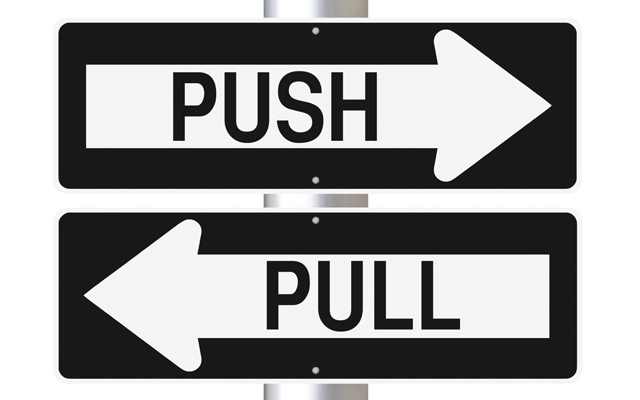
113.

Sara wants to start a new life in the United States because she heard there were more job opportunities. Is this an example of a push or pull factor?

a)

Push Factor

b)

Pull Factor

114.

John is tired of his government not treating him fairly and taxing him too much. Would this be a push or pull factor?

a)

Push Factor

b)

Pull Factor

115.

John is tired of his government not treating him fairly and taxing him too much. Would this be a push or pull factor?

a)

Push Factor

b)

Pull Factor

116.

Eric lives on the coast of a country that constantly experiences terrible hurricanes. If he decided to move, this would be a...

a)

Push Factor

b)

Pull Factor

117.

a civil war in your home country breaks out and you and your family leave to go to another country

a)

push factor

b)

pull factor

118.

The United States offers freedom of speech and expression (rights your government has taken away)

a)

push factors

b)

pull factors

119.
A Mexican family moves to the US to get away from the drug wars in Mexico. 
a)
Push
b)
Pull
120.

Magdalena's family can no longer grow enough food to feed themselves

a)

Push Factor

b)

Pull Factor

121.
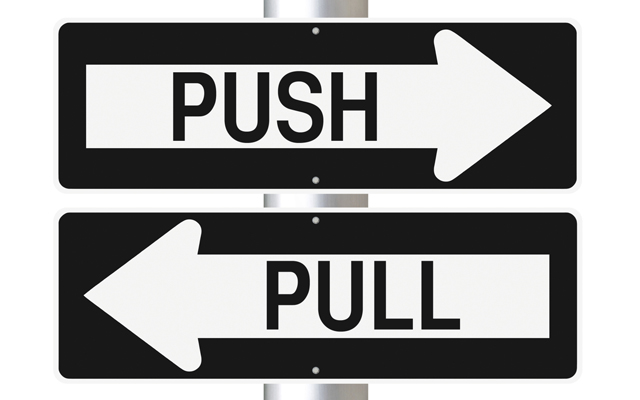
Push factors are....
a)
good things that draw a person to another country
b)
reasons that drive a person out of their country
c)
reasons people migrate to a new area
122.
Pull factors are....
a)
good things that draw a person to another country.
b)
reasons people leave an area
c)
reasons that drive a person out of their country
123.
What type of government has its power limited by the people?
a)
Unlimited
b)
Limited
c)
Absolute Monarchy
d)
Dictatorship
124.
What type of government has a leader or a small group of leaders with no limits to their power
a)
Limited
b)
Unlimited
c)
Democracy
d)
Republic
125.
Government leaders are not held accountable for the well-being of the citizens in their country
a)
Limited
b)
Unlimited
126.
What type of monarchy has a king or queen that holds all of the power?
a)
Absolute
b)
Constitutional
c)
Totalitarian
d)
All-powerful
127.

Citizens can participate in government decisions. (7-2.1)

a)

Limited

b)

Unlimited

128.

Citizens are expected to display total obedience to the government. (7-2.1)

a)

Limited

b)

Unlimited

129.
People who disagree with the policies and ideas of the government are often treated harshly.
a)
Limited
b)
Unlimited
130.
After the leader dies, a family member takes over without being elected by the people.
a)
Limited
b)
Unlimited
131.
The leader of a country can be removed from office for breaking the law.
a)
Limited
b)
Unlimited
132.

Citizens or their representatives can removed elected officials from office.

a)

Limited

b)

Unlimited

133.

The military shuts down newspapers and decides who can run in an election.

a)

Unlimited

b)

Limited

134.

The national constitution limits the power of the government.

a)

Unlimited

b)

Limited

135.

What is one example of a civic responsibilities?

a)

Freedom to worship at any church

b)

Freedom to buy Mr. Choma dinner

c)

Serving in the armed forces

d)

Equal protection under the law

136.
What is one example of a civic responsibilities?
a)
Paying for popcorn
b)
Paying for taxes 
c)
Freedom to establish and operate a business 
d)
Freedom to travel 
137.

What is one example of a CIVIC responsibility?

a)

Freedom to not take a bath everyday.

b)

Being informed about public issues

c)

Playing volleyball (because it is better than softball)

d)

Singing a solo in choir

138.
Which principle of government does this picture represent?
a)
federalism
b)
limited government
c)
separation of powers
d)
republicanism
139.

What is the purpose of the principle of Separation of Powers?

a)

To enforce taxes

b)

To ensure that King George III would not re-take the US

c)

To ensure that one person did not have all the power in our new government

d)

To ensure that one person holds all the power in the US

140.

Which Constitutional Principle communicates the idea that the Government gets all its power from the Citizens?

a)

Limited Government

b)

Popular Sovereignty

c)

Separation of Powers

d)

Federalism

141.

Elected representatives are held to the same standards and laws as any other citizen would be. The only powers that the Government has, are the powers that citizens allow them to have.

a)

Limited Government

b)

Federalism

c)

Republicanism

d)

Checks and Balances

142.

The Basic Rights of all citizens are guaranteed in writing, including: Freedom of Speech and Freedom of/from Religion

a)

Popular Sovereignty

b)

Individual Rights

c)

Republicanism

d)

Checks and Balances

143.

What Constitutional Principle allows the Federal Government and State Governments to share power?

a)

Separation of Powers

b)

Limited Government

c)

Republicanism

d)

Federalism

144.

The principle that states each branch of government has the ability to limit the power of the other branches

a)

Checks & Balances

b)

Federalism

c)

Popular Sovereignty

d)

Separation of Powers

145.

These are personal liberties (freedoms) and privileges that should be guaranteed to every citizen

a)

Individual Rights

b)

Separation of Powers

c)

Limited Government

d)

Popular Sovereignty

146.

This principle states that the government should be divided into 3 branches: legislative, judicial, and executive

a)

Popular Sovereignty

b)

Separation of Powers

c)

Limited Government

d)

Checks & Balances

147.

This is the idea that everyone, citizens and powerful leaders alike, must obey the law

a)

Federalism

b)

Republicanism

c)

Limited Government

d)

Popular Sovereignty

148.
a)

Limited Government

b)

Popular Sovereignty

c)

Separation of Powers

d)

Federalism

149.
a)

Republicanism

b)

Limited Government

c)

Checks & Balances

d)

Separation of Powers

150.
a)

Federalism

b)

Checks & Balances

c)

Separation of Powers

d)

Popular Sovereignty