wayground logo

Free Printable Worksheets

Font size

S
M
L
XL
Worksheets

Energy Conversions Project Alternative Test

Total questions: 45

Worksheet time: 45mins

Name
Class
Date
1.

What energy transformations occur when a lump of clay is dropped?

a)

PE to KE to Thermal energy

b)

KE to Chemical energy to Thermal energy

c)

KE to PE to Thermal energy

d)

PE to KE to Elastic PE

2.
a)

A

b)

B

c)

C

d)

D

3.
a)

A

b)

B

c)

C

d)

D

4.
a)

A

b)

B

c)

C

d)

D

5.

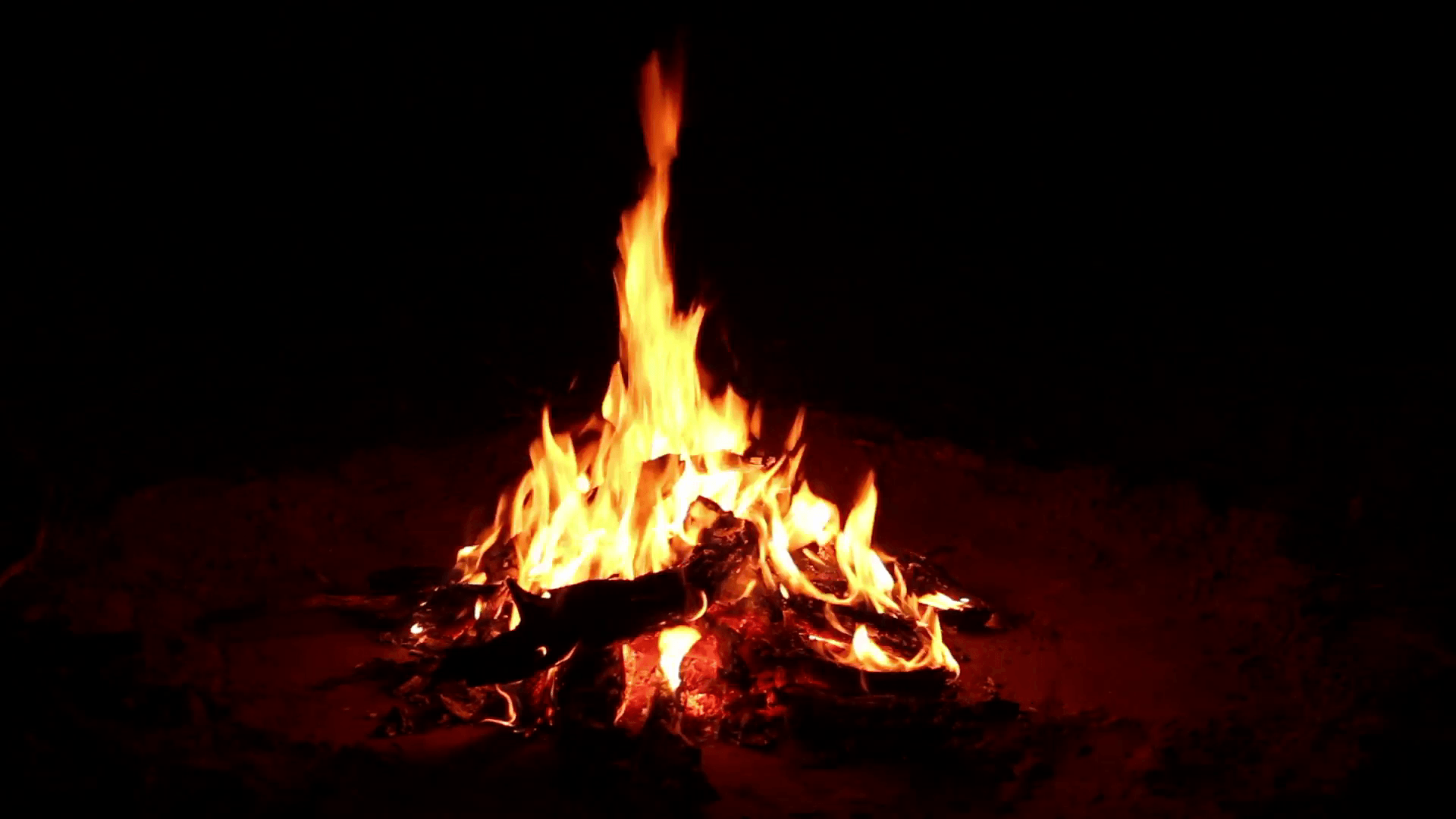
What is the energy conversion when you burn wood for a fire?

a)

electrical to thermal

b)

light to kinetic

c)

chemical to thermal

d)

chemical to electrical

6.
Name the energy conversion that occurs when Charlie rides his skateboard up to the top of the ramp. (Look closely to where the arrow is pointing.)
a)
Chemical →  Gravitational
b)
Electrical → Radiant 
c)
Gravitational → Elastic
d)
Thermal → Electrical
7.
At which point is Potential Energy at its max?
a)
W
b)
X
c)
Y
d)
Z
8.
When a pendulum swings, at which point is the Kinetic Energy at its Max?
a)
1
b)
2
c)
3
d)
4
9.
When a roller coaster stops, the energy is destroyed.
a)
True 
b)
False 
10.
All forms of energy can be described as which two types of energy?
a)
Thermal and Kinetic
b)
Motion and Gravitational 
c)
Kinetic and Potential
d)
Electrical and Chemical
11.
Name the Energy Conversion of putting fuel into a jet plane for it to fly at a constant height on a trip to Hawaii. 
a)
Chemical → Thermal, Radiant, Motion and Sound 
b)
Gravitational → Nuclear, Radiant, Motion and Sound 
c)
Sound → Thermal, Radiant, Motion and Chemical
d)
Chemical → Elastic, Radiant, Motion and Gravitational 
12.
Transformation from a solid to a liquid is called...
a)
Freezing
b)
Melting
c)
Evaporating
13.
Transformation from a liquid to a gas is called...
a)
Freezing
b)
Evaporation
c)
Melting
14.

How would you describe the way molecules move when the molecules are solid?

a)

the molecules are moving in place.

b)

the molecules are moving around each other.

c)

the molecules are moving away from each other.

d)

the molecules are not moving

15.

What happens to molecules when the temperature drops or lowers?

a)

The molecules get closer together

b)

The molecules start moving faster.

c)

The molecules stop moving.

d)

The molecules become smaller.

16.
When a substance melts, the kinetic energy _____________.
a)
decreases
b)
stays the same
c)
increases
d)
decreases then increases
17.

The smallest part of matter and makes up molecules

a)

is an atom

b)

is a molecule

c)

is a gas

d)

is matter

18.
Condensation is the change of state from _______ to ______ as a result of losing heat energy.
a)
Solid, Liquid
b)
Solid, Gas
c)
Liquid, Gas
d)
Gas, LIquid
19.
Which type of vaporization happens from the surface?
a)
Vaporization
b)
Boiling
c)
Evaporation
d)
Sublimation
20.
Solids melt when solid particles _____ energy, liquids freeze when liquid particles _____ energy.
a)
absorb, release
b)
release, absorb
c)
absorb, absorb
d)
release, release
21.
Calculate the KE of a moving 4 kilogram object traveling at a velocity of 3 m/s.
a)
18 J
b)
36 J
c)
12 J
d)
6 J
22.
As the velocity of an object decreases its KE will...
a)
increase
b)
decrease
c)
stay the same
23.
The Law of Conservation of Energy states that
a)
energy cannot be created nor destroyed, only transformed or transferred
b)
energy can be destroyed but not created
c)
energy can be created but not destroyed
24.
Which is the best example that something has kinetic energy?
a)
a. a car parked on a steep hill 
b)
b. a tennis ball rolling across the court
c)
c. a picture hanging on the wall 
d)
d. a piece of coal before it's burned 
25.
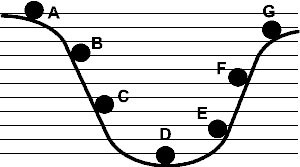
Which point has the most potential energy?
a)
G
b)
f
c)
b
d)
a
26.
As a pendulum swings from its highest to lowest position, what happens to its kinetic and potential energy? 
a)
Both the potential energy and kinetic energy decrease
b)
The potential energy decreases while the kinetic energy increases 
c)
The kinetic energy decreases while the potential energy increases 
d)
Bothe the potential energy and kinetic energy increase 
27.

At 0 degrees Celsius, water _________.

a)

evaporates

b)

boils

c)

freezes

d)

remains the same

28.

At 100 degrees Celsius, water __________________.

a)

freezes

b)

stays the same

c)

evaporates

d)

condenses

29.

Adding HEAT to matter causes its particles to:

a)

move faster and farther apart

b)

Move slower and farther apart

c)

Move faster and closer together

d)

Move slower and closer together

30.

Solid carbon dioxide, commonly known as dry ice, changes from solid to vapor at room temperature. Predict the change in the motion of the carbon dioxide molecules while it changes state at room temperature.

a)

The molecules lose their energy and slide past each other.

b)

The energy of the molecules increases, but the spaces between them decrease.

c)

The molecules start vibrating in their positions with higher energy.

d)

The energy of the molecules and the spaces between them increase.

31.

Dry ice is a solid form of carbon dioxide. At about room temperature, dry ice will turn from solid directly into a gas. This process is known as

a)

melting

b)

boiling

c)

evaporation

d)

sublimation

32.

The diagram shows the changes in state

of H2O, the chemical formula for water.

What process at Label Y is occurring?

a)

Evaporation

b)

Freezing

c)

Melting

d)

Boiling

33.

Water puddles on a sidewalk evaporate when the Sun heats the water. Which of these BEST describes what is happening as the water evaporates?

a)

Water changes phase as it releases heat to the environment.

b)

Water boils as it absorbs energy from the sidewalk.

c)

Water becomes a gas as it absorbs energy from the Sun.

d)

Water evaporates as its thermal energy is transferred to the air.

34.

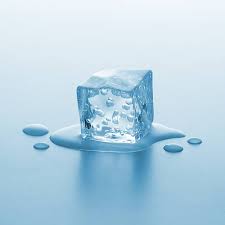
Raphael is studying the movement of water molecules as ice changes from a solid to liquid water. Which statement best describes the changes in the movement of the water molecules as heat causes the ice to melt?

a)

The molecules in the solid stay tightly connected and do not move. As heat is added, the molecules in the liquid move far apart and do not interact.

b)

The molecules in the solid move freely around one another and do not interact. As heat is added, the molecules are pushed closer together and begin to interact with one another.

c)

The molecules in the solid are in a rigid lattice and vibrate more rapidly. As the ice melts, the molecules in the liquid move more freely but are still attracted to each other and pack more tightly.

d)

The molecules in the solid are unmoving in a rigid lattice. As the ice melts, the molecules start to vibrate, and then release from the lattice structure, moving freely as they drift farther apart to form a liquid.
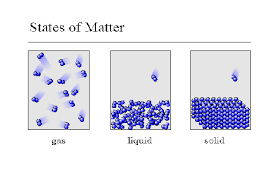
35.
At higher temperatures
a)
particles in an object have less energy
b)
particles in an object move faster
c)
a gas contracts
36.
Thermal energy is...
a)
heat energy.
b)
the energy of motion
c)
energy of nuclear processes.
d)
an indication of physical change.
37.
What energy transformations take place when a battery-operated radio is in use?
a)
Electrical to chemical to light
b)
Sound to chemical to mechanical
c)
Chemical to electrical to sound
d)
Light to electrical to thermal
38.
Which of the following devices transforms electrical energy into mechanical energy?
a)
An e-reader
b)
a fan
c)
a manual pencil sharpener
d)
ipod
39.

Which of the following best describes the energy transformations that occur when a flashlight that runs on batteries is turned on?

a)

chemical to mechanical to electrical to radiant

b)

radiant to electrical to sound

c)

chemical to radiant to mechanical to electrical

d)

electric to radiant to chemical

40.
Which of the following energy transfers occurs when food is digested?
a)
chemical to mechanical
b)
radiant to nuclear
c)
mechanical to potential
d)
thermal to chemical
41.
In energy transformations, "wasted energy" usually takes what form?
a)
heat
b)
chemical energy
c)
light
d)
sound waves
42.
On a roller coaster, where is maximum kinetic energy?
a)
At the bottom of a big hill
b)
When going around a corner
c)
When going upside down
d)
At the top of a big hill
43.
According to the Law of Conservation of Energy, energy cannot be _________ or ____________. 
a)
destroyed, destroyed
b)
created, saved
c)
created, destroyed
d)
lost, found
44.
Gravitational potential energy depends on the ________ and ________ of the object. 
a)
Height and mass
b)
Friction and movement
c)
Mass and Movement
d)
Height and Friction 
45.

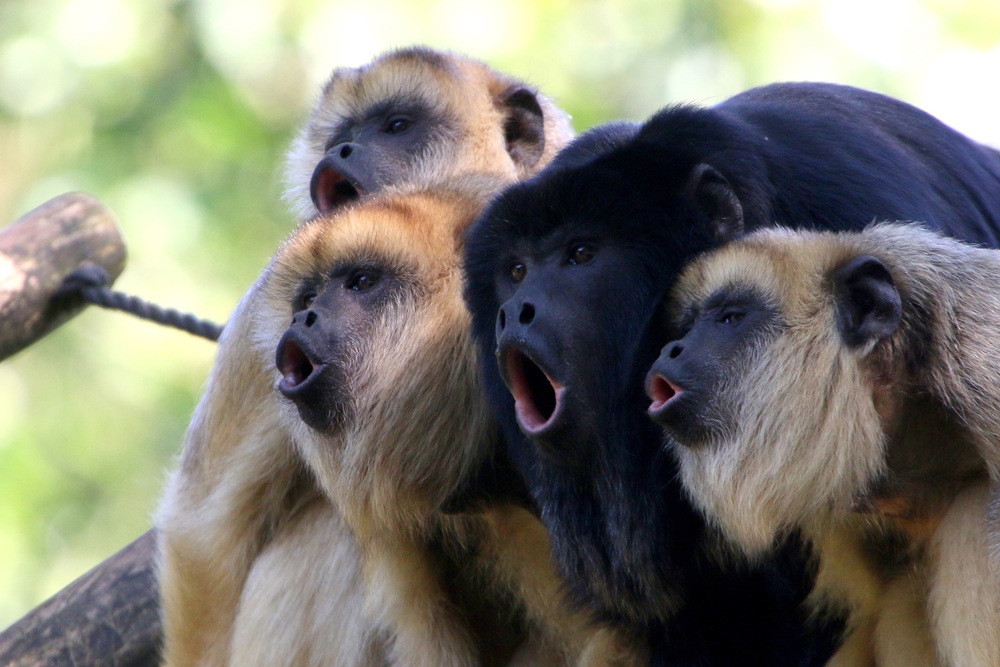
What energy transformation occurs as howler monkeys loudly call to each other in the forest?

a)

Chemical --> Mechanical --> Sound

b)

Chemical --> Sound --> Thermal

c)

Sound --> Chemical --> Radiant

d)

Mechanical --> Chemical --> Sound