Wayground logo

Free Printable Worksheets

Font size

S
M
L
XL
Worksheets

Chapter 1: Properties of Matter

Total questions: 60

Worksheet time: 2hrs 0mins

Name
Class
Date
1.
Matter that has a definite shape and a definite volume is
a)
a liquid. 
b)
an element. 
c)
a solid.
d)
a gas.
2.
Matter can be defined as anything that
a)
has weight.
b)
has mass and volume.
c)
is uniform throughout.
d)
exhibits both chemical and physical properties.
3.

Look at the illustration above. What causes the phase change of water shown in the illustration?

a)

cooling

b)

heating

c)

melting

d)

condensation

4.

Which of the following is true about a liquid?

a)

has definite volume and shape

b)

has definite volume but not a definite shape

c)

has a definite shape but not a definite volume

d)

doesn't have definite shape or volume

5.

Which picture best shows particles of a solid in a container?

a)
b)
c)
6.

Play Dough is a....

a)

solid

b)

liquid

c)

gas

7.

Souring milk is an example of a

a)

physical change

b)

chemical change

8.

Water

a)

solid

b)

liquid

c)

gas

9.

Brick

a)

solid

b)

liquid

c)

gas

10.

Oxygen

a)

solid

b)

liquid

c)

gas

11.

Select all the states of matter that have:

Particles vibrate

a)

solid

b)

liquid

c)

gas

12.
____________properties can only be observed when the substance in a sample of matter are changing into different substances
a)
pure substance 
b)
physical 
c)
mixture 
d)
chemical 
13.
Physical or chemical change?
A solid is crushed into a powder?
a)
physical change 
b)
chemical change 
14.
Chemical or physical change?
Burning coal to heat a house 
a)
Physical change 
b)
chemical change 
15.

Mass is -

a)

the amount of matter in an object

b)

the density of a material

c)

the amount of force a material has

d)

the concentration of matter in an object.

16.

A material with NO shape and NO volume is a -

a)

solid

b)

liquid

c)

gas

17.

A material with a definite shape and a definite volume is a -

a)

solid

b)

liquid

c)

gas

18.

A material with NO definite shape and a definite volume is a -

a)

solid

b)

liquid

c)

gas

19.

Everything that takes up space and has mass is -

a)

volume

b)

mass

c)

matter

d)

magnetic

20.

Matter is ____________

a)

Anything that has mass and takes up space.

b)

The property of attraction to a magnet.

How dense something is compared with a reference material. Sink or Float

c)

Measurement of the ability of a solid to dissolve in a liquid.

d)

Energy that can be measured by a thermometer.

21.

Mass is _________________

a)

The amount of matter in something; measured in grams.

b)

How dense something is compared with a reference material. Sink or Float

c)

How much space something takes up.

d)

Material that allows heat or electrical energy to easily flow through it.

22.

Volume is __________

a)

How dense something is compared with a reference material. Sink or Float

b)

Anything that has mass and takes up space.

c)

How much space something takes up.

d)

Measurement of the ability of a solid to dissolve in a liquid.

23.
Molecules spread out and move FAST!
a)
solid
b)
gas
c)
liquid
24.
Mass, relative density, solubility, color, texture, state of matter, conductivity, etc.
a)
Physical state
b)
Insulators
c)
Physical Properties 
d)
Inferences
25.
Molecules are tightly packed together
a)
solid
b)
liquid
c)
gas
26.
The 3 State of Matter are?
a)
Idaho, Texas, and Florida
b)
Matter, Mass, and Weight
c)
Solids, Liquids, and Gas
d)
Steel, Copper, and Brass
27.
Anything that has mass and takes up space is called
a)
volume
volume
b)
matter
c)
magnetism
d)
electricity
28.
Which of the following is NOT an example of matter?
a)
sun
b)
air
c)
snow
d)
thoughts
29.
When a gas forms directly from a solid, skipping the liquid phase. it is called
a)
deposition
b)
sublimation
c)
evaporation
d)
condensation
30.
The change from a gas to a liquid is called 
a)
condensation
b)
evaporation
c)
sublimation
d)
deposition
31.
In which state of matter are particles moving the slowest?
a)
solid
b)
liquid
c)
gas
d)
gummy bears
32.
What is it called when the state of matter changes from a liquid to a solid?
a)
Vaporization
b)
Freezing
c)
Condensation
d)
Melting
33.
Adding more heat energy to particles of matter will
a)
make them move slower
b)
make them move faster
c)
make them stop moving
d)
destroy them
34.

On a hot, humid summer day drops of water form on a can of cold soda. What process caused this to happen?

a)

condensation

b)

freezing

c)

vaporization

d)

deposition

35.

Melting is a process that changes _____________________________.

a)

solid to liquid

b)

liquid to solid

c)

liquid to gas

d)

gas to liquid

36.
A large piece of ice is placed on the sidewalk on a warm day. What will happen to the ice? 
a)
It will melt to form liquid water
b)
It will melt to form water vapor
c)
It will not change at all.
d)
It will freeze to form liquid water. 
37.
An ice cube is placed in a pan. The pan is placed over an open flame. Which change will MOST likely happen over time?
a)
The ice changes to a gas then a liquid
b)
The ice changes to a gas and then back to a solid
c)
The ice changes to a liquid then to a gas.
d)
The ice changes to a liquid and back to a solid. 
38.
How can you make liquid water become a solid?
a)
Add a lot of salt to the water.
b)
Put the water in a very cold place
c)
Shake the water container very fast.
d)
Heat the water on the stove.
39.
Snow turns to liquid water when it
a)
freezes
b)
evaporates
c)
condenses
d)
melts.
40.
Bob filled a tray with juice and put it in the freezer. The next day Bob opened the freezer. How did the juice MOST likely change?
a)
It became a solid.
b)
It became a gas
c)
It condensed
d)
It evaporated.
41.
John placed a pot of water on a stove. As the water boils, how does the state of the water change?
a)
from gas to liquid
b)
from liquid to a gas
c)
from a liquid to a solid
d)
from a solid to a liquid
42.
Which change can occur when  you add heat energy to water?
a)
The water can change from a liquid to a solid
b)
The water can change from a gas to a liquid
c)
The water can change from a liquid to a gas
d)
The water can change from a solid to a liquid
43.
What are the 2 characteristics of matter?
a)
volume & energy
b)
mass & energy
c)
volume & mass
d)
matter encompasses all
44.
The amount of space an object takes up. 
a)
volume
b)
mass
c)
matter
d)
energy
45.
In which state of matter are the atoms spaced the closest together?
a)
solid
b)
liquid
c)
gas
46.
Dry ice is an example of what phase change.
a)
freezing
b)
melting
c)
vaporization/boiling
d)
sublimation
47.

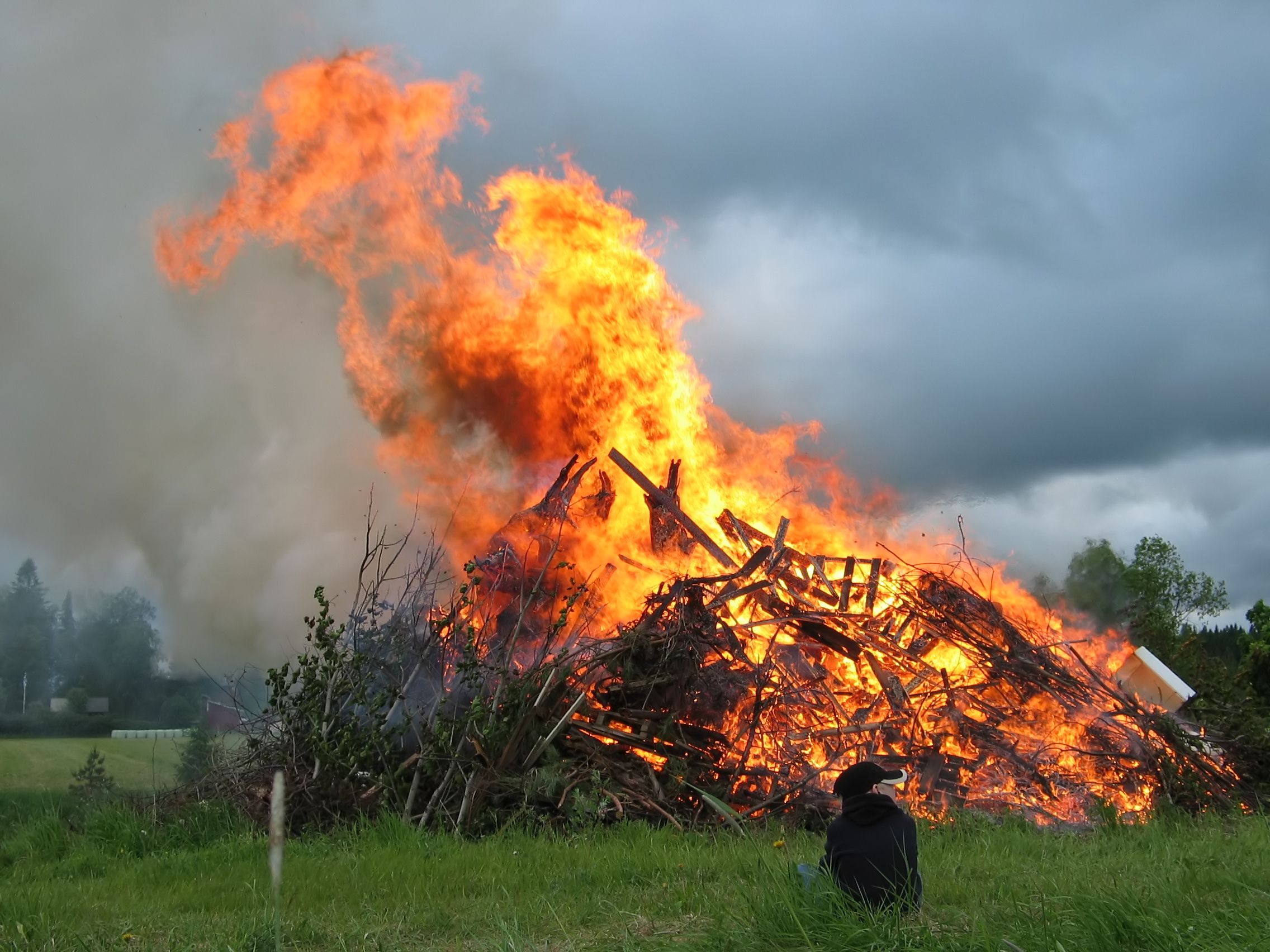
Wood that is burning in a brush pile has heat, and produces ashes.

a)

Physical

b)

Chemical

48.

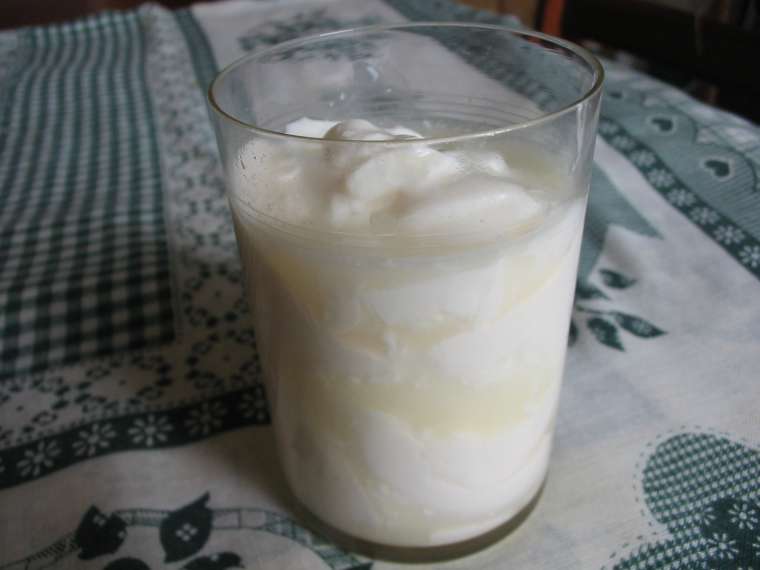
Is milk going sour a physical or chemical change?

a)

Physical

b)

Chemical

49.
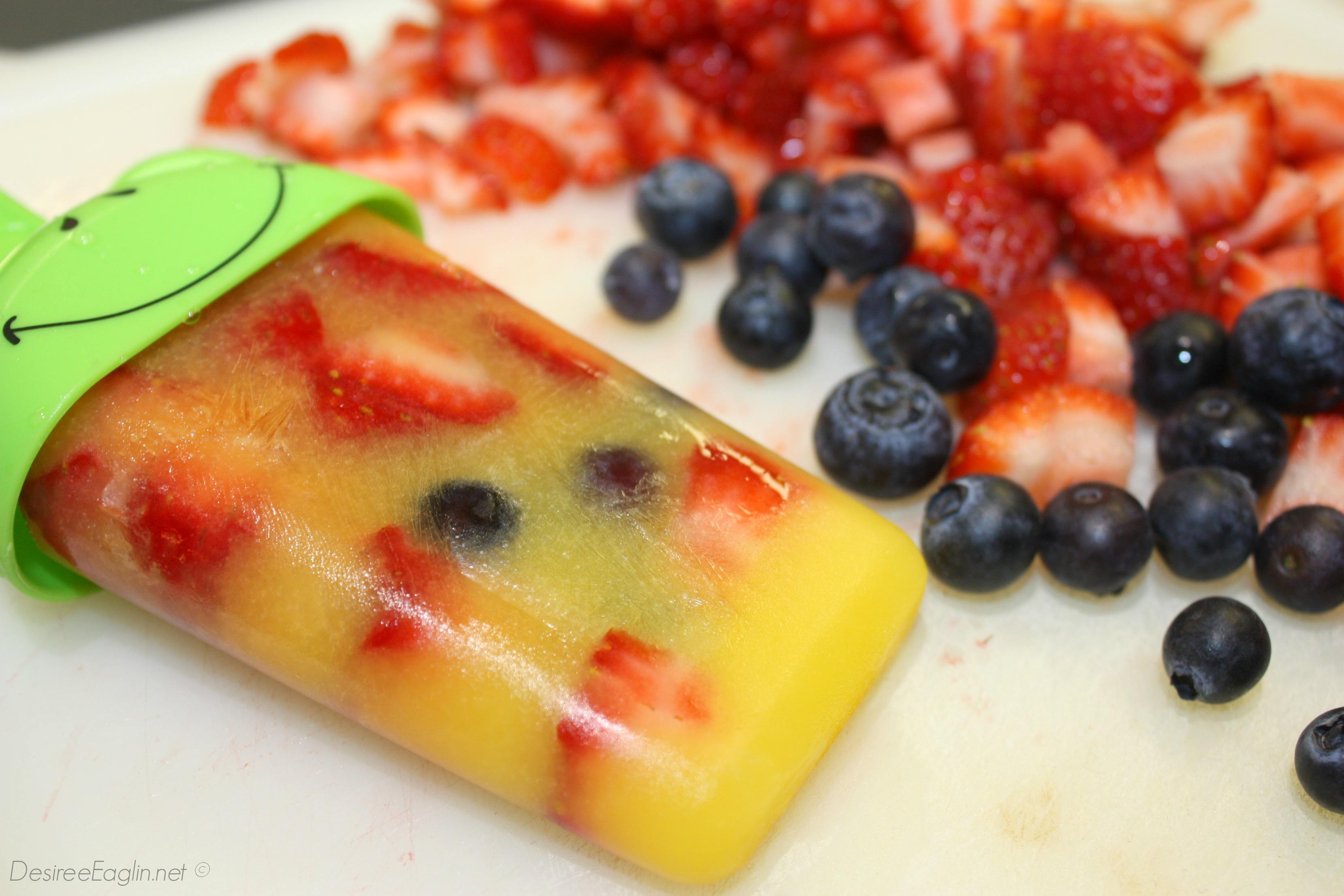
Is freezing juice a physical or chemical change?
a)
Physical Change
b)
Chemical Change
50.
Which is NOT a physical change?
a)
Cutting a pizza into equal slices.
b)
Ice cubes melting back into liquid. water
c)
Baking cupcakes.
d)
A chocolate bar melting.
51.
The molecules in the picture are tightly held together with little movement. They have shape and energy.  Therefore, the picture represents _________.
a)
solid
b)
liquid
c)
gas
d)
plasma
52.
The milk in the glass has volume and takes the shape of its container. Therefore, it is assumed that milk is a ______________.
a)
solid
b)
liquid
c)
gas
d)
plasma
53.
Which form of matter fills the space like it has in the balloon?
a)
liquid
b)
string
c)
solid
d)
gas
54.
Which form of matter take the shape of a container like this juice?
a)
liquid
b)
solid
c)
glass
d)
gas
55.

Which form of matter has a definite shape and takes up space (has definite volume)?

a)

liquid

b)

solid

c)

gas

d)

clay

56.
What is condensation?
a)
gas to solid
b)
gas to liquid
c)
liquid to solid 
d)
solid to liquid 
57.
Freezing
a)
Solid to gas
b)
Liquid to solid
c)
Gas to solid
d)
Liquid to gas
58.
Which state of matter has particles arranged like this?
a)
solid
b)
liquid
c)
gas
59.
Which state of matter has particles arranged like this?
a)
solid
b)
liquid
c)
gas
60.
Which state of matter has particles arranged like this?
a)
solid
b)
liquid
c)
gas