
 Worksheets
Biology Semester Review Pt 1
Total questions: 67
Worksheet time: 2hrs 14mins
Large molecules made up of small monomers are called
polymers
peptides
peptones
monomers
Which of these are biomolecules? (Multiple Answers)
CO2
H2O
C6H12O6
Protein
Lipids
Many land plants store energy in starch. When energy is needed, the starch molecules can be broken down quickly. This chemical reaction produces which of the following?
amino acids
lipids
monosaccharides
RNA chains
What kind of biomolecule is RNA?
Lipid
Nucleic Acid
Amino Acid
Protein
Carbohydrate
The creation of larger biomolecules out of smaller biomolecules is called?
synthesis
lysis
metabolism
fructose
Organisms living in a bog environment must be able to tolerate nitrogen-poor acidic conditions. Bog plants such as the Venus flytrap and sundew are able to obtain their nitrogen by attacking and consuming insects. These plants produce chemicals that break down the insects into usable compounds.
These chemicals present in the bog plants that break down the insects mentioned in the reading passage are most likely...
hormones
lipids
enzymes
carbohydrates
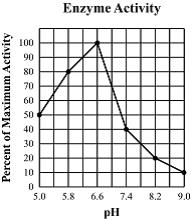
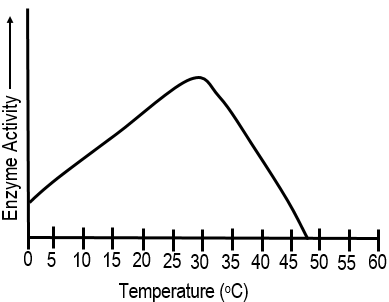
Which 2 factors can affect the rate of enzyme activity?
Light intensity
Temperature
pH
Oxygen concentration

An organic molecule produced by a living organism to store energy, information, or to perform cellular processes is called a/an....
biomolecule
ionic compound
covalent compound
iambic pentameter


Passive movement of substances from high to low concentrations.
diffusion
active transport
hydrolysis
endocytosis

Diffusion moves substances ______ a concentration gradient.
up
down
across
parallel to

_____________ diffusion can be used by the cell to move larger polar molecules and ions across the membrane.
facilitated
simple
complex
helper

Facilitated diffusion requires a channel or carrier _________ to aid in movement of substances across the membrane.
protein
carbohydrate
phospholipid
cholesterol

Select all that apply.
Facilitated diffusion is an example of passive transport because
substances move down a concentration gradient
substances move from high to low concentration
no energy is required
the cell uses ATP in the process

Cancer is...
Uncontrolled cell growth
Normal cell growth
A protein
A cell cycle regulator

How can a person's muscle cells have the same exact DNA sequences as their nerve cells even though the look and perform completely different?
The two different cells become mutated
The proteins expressed in each cell are different
They actually have different DNA in the two types of cells.
The genome of the different cells changes
DNA molecules contain the genetic information that determines the characteristics of a living organism. How do DNA molecules express the genetic information they contain?
By dividing uncontrollably causing cancer
By traveling to the mitochondria for DNA synthesis
By directing the process of protein synthesis
By causing cellular respiration
What is the role of mRNA?
Transfers anticodons
Makes a copy of DNA in the nucleus then travels from nucleus into the cytoplasm to deliver messages to the ribosome
It has no role in protein synthesis
It creates carbohydrates and transforms them into proteins
This virus attacks the white blood cells (immune cells) of the human body. Eventually, the immune system cannot handle the viral invasion. This makes the body prone to attack from other viruses and bacteria. What is the name of this infectious viral disease?
HIV
Influenza
Herpes
Ebola
Severe acute respiratory syndrome (SARS) is an illness caused by a coronavirus. Symptoms include a high fever, headaches, and body aches typically occur two to seven days after infection by the virus. SARS is more serious in elderly patients. This information suggests that the reproductive cycle of the SARS virus is-
lysogenic, because the virus is a coronavirus
lytic, because the virus causes respiratory illness
lysogenic, because the virus primarily affects older people
lytic, because of the quick onset of symptoms after infection
The correct equation for photosynthesis is...
carbon dioxide + oxygen -> glucose + water
Oxygen + water -> glucose + carbon dioxide
glucose + water -> carbon dioxide + oxygen
carbon dioxide + water -> glucose + oxygen
Which of these pairs represents the reactants of photosynthesis?
Oxygen and water
Glucose and oxygen
Water and glucose
Carbon dioxide and water
Which of these pairs represents the products of photosynthesis?
Oxygen and water
Glucose and oxygen
Water and glucose
Carbon dioxide and water

Which monomer of a biomolecule is shown?
fatty acid
amino acid
nucleotide
monosaccharide
Which sequence of complementary DNA bases would pair with this partial strand
ATG TGA CAG?
TAG ACT GTC
TAC ACT GTC
TAC ACA GTC
TAC ACT CTC

How does DNA regulate the genetic expression of an organism?
The sequence of the nucleotides in the DNA is expressed by the actions of enzymes which express or inhibit certain parts of the DNA sequence.
The amount of the nucleotides in the DNA is expressed by the actions of enzymes which express or inhibit certain parts of the DNA sequence.
The sequence of the nucleotides in the DNA is transcribed by the organism as a whole unit, making all possible proteins at all times.
The proteins act as genetic information carriers and turn on and off when needed by the cytoplasm.

