
 Worksheets
Fall Final Review
Total questions: 47
Worksheet time: 51mins
When experimenting with the growth of a plant, a scientist uses three (of the same type of) plants, two different fertilizers, equal light, and equal water. What type of variable is the plant?
Dependent
Independent
Constant
Compound
When experimenting with the growth of a plant, a scientist uses three (of the same type of) plants, two different fertilizers, equal light, and equal water. What type of variable is the growth?
Dependent
Independent
Control
Compound
A constant in an experiment
Is used to create a baseline to compare groups and assess the effect of that independent variable
Is the variable that stays the same throughout the entire experiment
Is the same as the independent and dependent variables
Is not relevant in the experiment
A control in an experiment
Is used to create a baseline to compare groups and assess the effect of that independent variable
Is the variable that stays the same throughout the entire experiment
Is the same as the independent and dependent variables
Is not relevant in the experiment


Identify the equipment shown here:
beaker holder
iron ring
forceps
test tube tongs

What is measured with a graduated cylinder?
mass (g)
distance (m)
weight (lbs)
volume (mL)

Flammable materials, like alcohol, should never be dispensed or used near
an open door
an open flame
another student
a sink
Approved eye protection devices (such as goggles) are worn in the laboratory
to avoid eye strain
to improve your vision
only if you don't have corrective glasses
any time chemicals, heat, or glassware is used
If you do not understand a direction or part of a lab procedure, you should
figure it out as you do the lab
try several methods until something works
ask the instructor before proceeding
skip it and go on to the next part
You are heating a piece of glass and now want to pick it up. You should
use a rag or paper towels
pick up the end that looks cooler
use tongs
pour cold water onit
You have been injured in the laboratory (cut, burn, etc.). First you should
visit the school nurse after class
see the doctor after school
tell the science instructor at once
apply first aid yourself
Long hair in the laboratory must be
cut short
held away from the experiment with one hand
always neatly groomed
tied back or kept entirely out of the way with a hair band, hairpins, or other confining device
True or False: You can have more than one independent variable in an experiment?
True
False

Which subatomic particle has a positive charge?
proton
neutron
electron
midichlorian

Which subatomic particle has a negative charge?
proton
neutron
electron
cybertron

Which subatomic particle as no charge, also known as a neutral charge?
proton
neutron
electron
chakra

What is the center of an atom called?
The headquarters
The centrometer
The hypothesis
The nucleus

The nucleus of an atom contains which subatomic particles?
protons and electrons
protons and neutrons
electrons and neutrons
protons, electrons, and neutrons
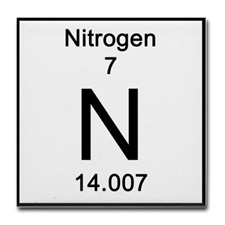

What does the 1.00794 stand for?
Hydrogen
atomic number
atomic mass
atomic explosion
Atomic mass is found by
protons + electrons
protons + neutrons
atomic number - electrons
protons - electrons
An anion...
has a positive charge
has a neutral charge
is formed by gaining electrons
is formed by losing electrons
The atomic number also indicates...
the number of neutrons
the number of protons
the atomic mass
the charge of an atom
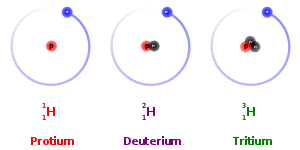

The vertical (up and down) columns in the Periodic Table are called
groups
towers
periods
atomic numbers
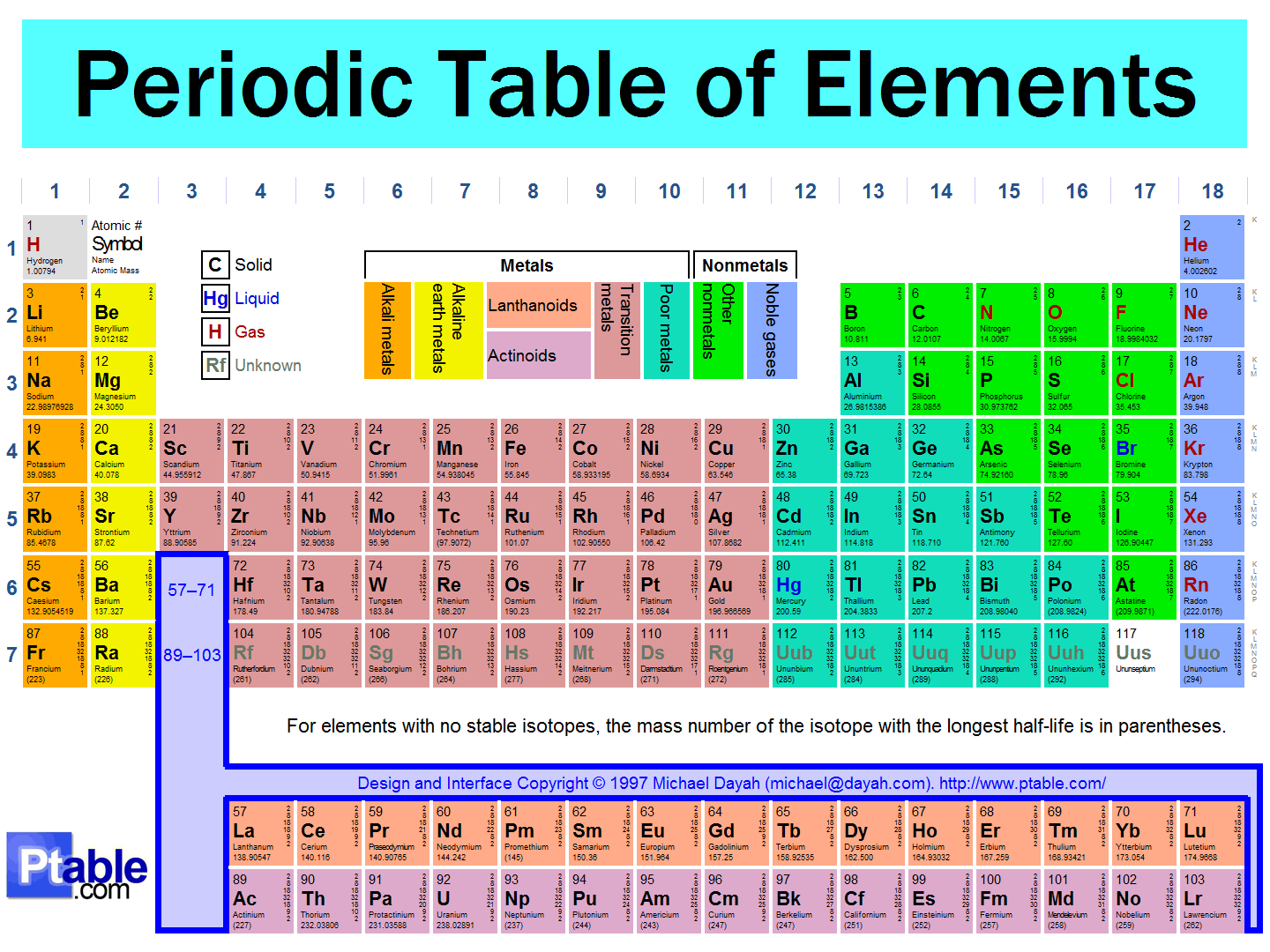
The horizontal (side to side) rows in the Periodic Table are called
groups
families
periods
atomic numbers
Coulombic attraction is
the force between protons and electrons
the force between neutrons and protons
the force between neutrons and electrons
helps keep the subatomic particles happy
Cl or Al?
H or F?

noble gases



