wayground logo

Free Printable Worksheets

Font size

S
M
L
XL
Worksheets

Semester 1 Final Review

Total questions: 132

Worksheet time: 2hrs 47mins

Name
Class
Date
1.
It is a measure of how close measurements come to each other when they are made in the same way
a)
Accuracy
b)
Precision
c)
Error
d)
Extrapolation
2.
a)
Student A
b)
Student B
c)
Student C
d)
Cannot be determined
3.

How close a measurement is to the accepted value is called..

a)

Accuracy

b)

Precision

c)

Significant

d)

Estimate

4.
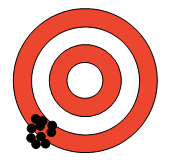
This bullseye demonstrates...
a)
High Accuracy & High Precision
b)
High Accuracy & Low Precision
c)
Low Accuracy & High Precision
d)
Low Accuracy & Low Precision
5.
The following liquids are poured together in a beaker: alcohol (density=0.79), corn syrup (density=1.38), water (density=1.0), and cooking oil (density=0.93).  Which of these liquids will sink to the bottom of the beaker?
a)
alcohol
b)
corn syrup
c)
water
d)
cooking oil
6.
What is the density of water?
a)
0 g/ml
b)
1 g/ml
c)
10 g/ml
d)
100 g/ml
7.
Which box has a higher density?  
a)
Box A
b)
Box B
c)
cannot be determined
d)
they are the same
8.
A piece of copper has a mass of 89g and a volume of 10 cm3.  What would be the density of the copper?
a)
0.89 g/cm3
b)
89 g/cm3
c)
8.9 g/cm3
d)
890 g/cm3
9.
What units are used to measure Density?
a)
cm3/g
b)
g
c)
g/cm3
d)
cm3
10.
A change that alters the physical properties of a substance without changing its composition.
a)
Physical Change
b)
Chemical Change
11.
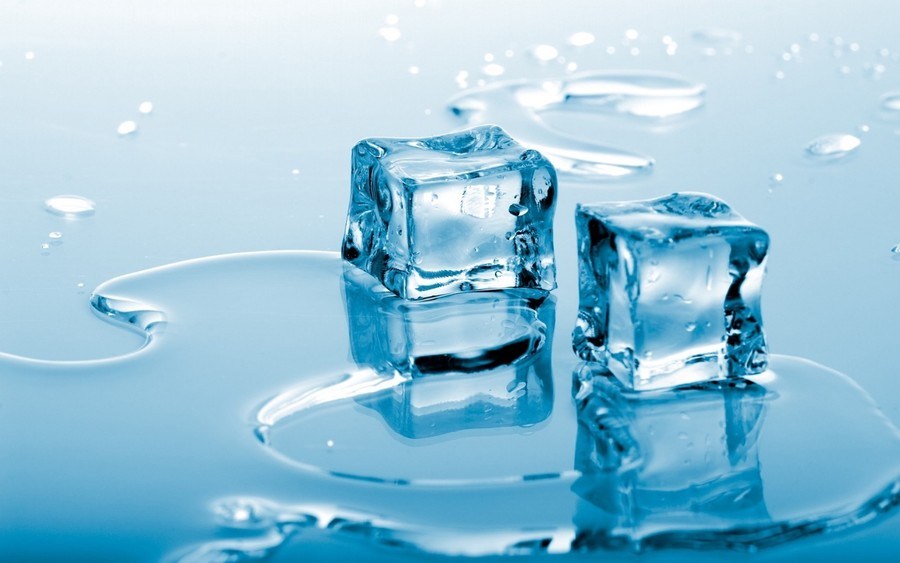
Water freezing into ice is an example of a...
a)
Physical Change
b)
Chemical Change
12.
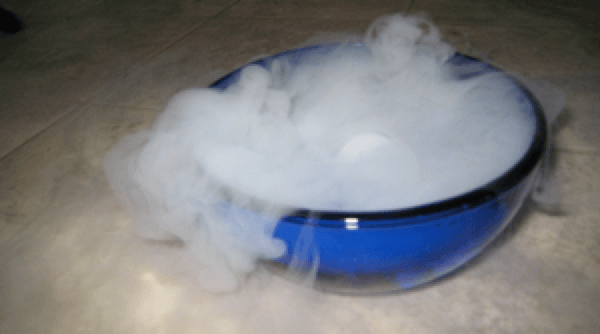
Which of the following is an example of sublimation?
a)
Dry Ice
b)
Water boiling into steam
c)
Ice cream melting
d)
Water freezing into ice
13.
A change in matter that forms one or more new substances with new chemical properties is a/an...
a)
Physical Change
b)
Chemical Change
14.
Which of the following indicates a chemical change?
a)
Change in state of matter
b)
Temperature change
c)
Change in size 
d)
Change in shape
15.
A solid substance that forms when 2 liquid solutions are combined?
a)
Sublimation
b)
Precipitate
c)
Condensation
d)
Freezing
16.
Which of the following DOES NOT indicate a chemical change/reaction is occurring?
a)
Color Change
b)
Formation of a Precipitate
c)
Formation of gas/bubbles
d)
State of matter change
17.
We use chemical equations to show what happens in a....
a)
Chemical Change
b)
Physical Change
18.
Which of the following indicates a PHYSICAL change?
a)
Change in temperature
b)
Change in shape
c)
Formation of a precipitate
d)
Change in color
19.
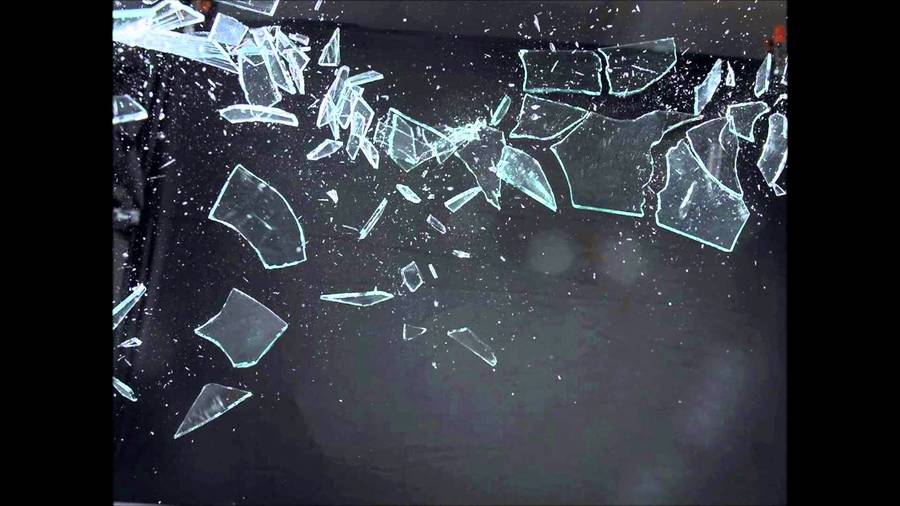
Chemical or Physical?  Glass breaking into tiny shards
a)
Chemical Change
b)
Physical Change
20.
Which Law states that Matter cannot be created or destroyed during a Chemical Change/Reaction?
a)
Conservation of Energy
b)
Conservation of Matter (Mass)
c)
Conservation of Momentum
d)
Conservation of Thermodynamics
21.
At higher temperatures
a)
particles in an object have less energy
b)
particles in an object move faster
c)
a gas contracts
22.
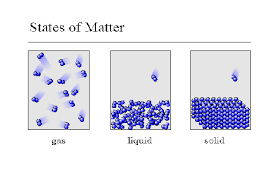
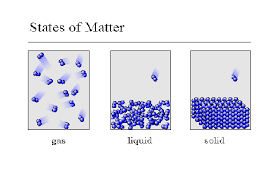
A gas
a)
has a definite shape but no definite volume
b)
has a definite volume but no definite shape
c)
has fast-moving particles
23.
Boiling
a)
liquid to gas
b)
gas to solid
c)
gas to liquid
d)
solid to liquid
24.
Freezing
a)
Solid to gas
b)
Liquid to solid
c)
Gas to solid
d)
Liquid to gas
25.
The state of matter that has no definite size or shape is
a)
Solid
b)
Liquid
c)
Gas
26.
In Dalton's Atomic Theory, all elements consist of __________ that cannot be divided.
a)
Atoms
b)
Parts
c)
Molecules
d)
Hydrogen
27.
In the Thomson Model, he discovered the existence of what particle?
a)
Electrons
b)
Protons
c)
Neutrons
d)
Quarks
28.
Which model is this?
a)
Thomson Model
b)
Cloud Model
c)
Bohr Model
d)
Rutherford Model
29.
Which model involved gold foil?
a)
Thomson Model
b)
Rutherford Model
c)
Cloud Model
d)
Bohr Model
30.
While making his model of an atom, what structure did Rutherford discover (containing protons and neutrons)?
a)
the Nucleus
b)
the Electron Cloud
c)
the quarks
d)
the atomic mass
31.
According to the Bohr Model, electrons are only found in specific orbits around the nucleus called __________________________
a)
Energy Levels
b)
Electron Lanes
c)
Electron Places
d)
Atomic Mass
32.
Which model is this?
a)
Thomson Model
b)
Rutherford Model
c)
Cloud Model
d)
Bohr Model
33.
Takes two small nuclei and combines them into a larger nucleus
a)
fission
b)
fusion
34.
Where does fusion occur naturally?
a)
Underwater
b)
All around us
c)
In the radioactive waste
d)
On the sun
35.
Which subatomic particle has a positive (+) charge?
a)
Neutron
b)
Proton
c)
Electron
36.
Which subatomic particle has a negative (-) charge?
a)
Proton
b)
Electron
c)
Neutron
37.
Which two subatomic particles make up the nucleus of an atom?
a)
Protons and Electrons
b)
Neutrons and Electrons
c)
Electrons and Protons
d)
Protons and Neutrons
38.
A charged atom
a)
Ion
b)
Isotope
c)
Electron Cloud
d)
Quark
39.
Where electrons are likely to be found as they travel around the nucleus
a)
Nucleus
b)
Electron Cloud
c)
Within a Proton
d)
Within a Neutron
40.
Arrangement of elements organized by atomic number
a)
Electron Cloud 
b)
Periodic Table 
c)
Electron Configuration
d)
None of these
41.

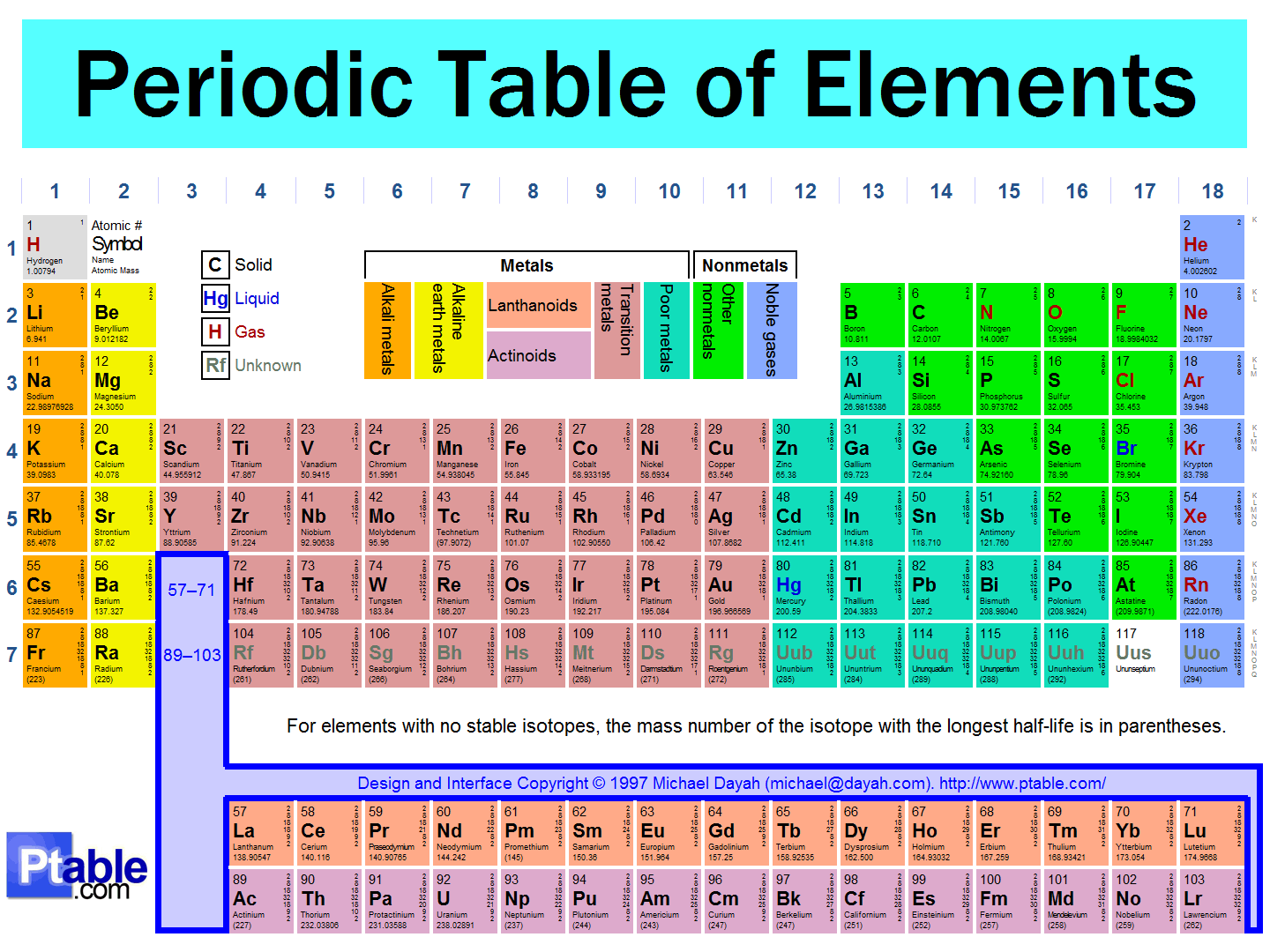
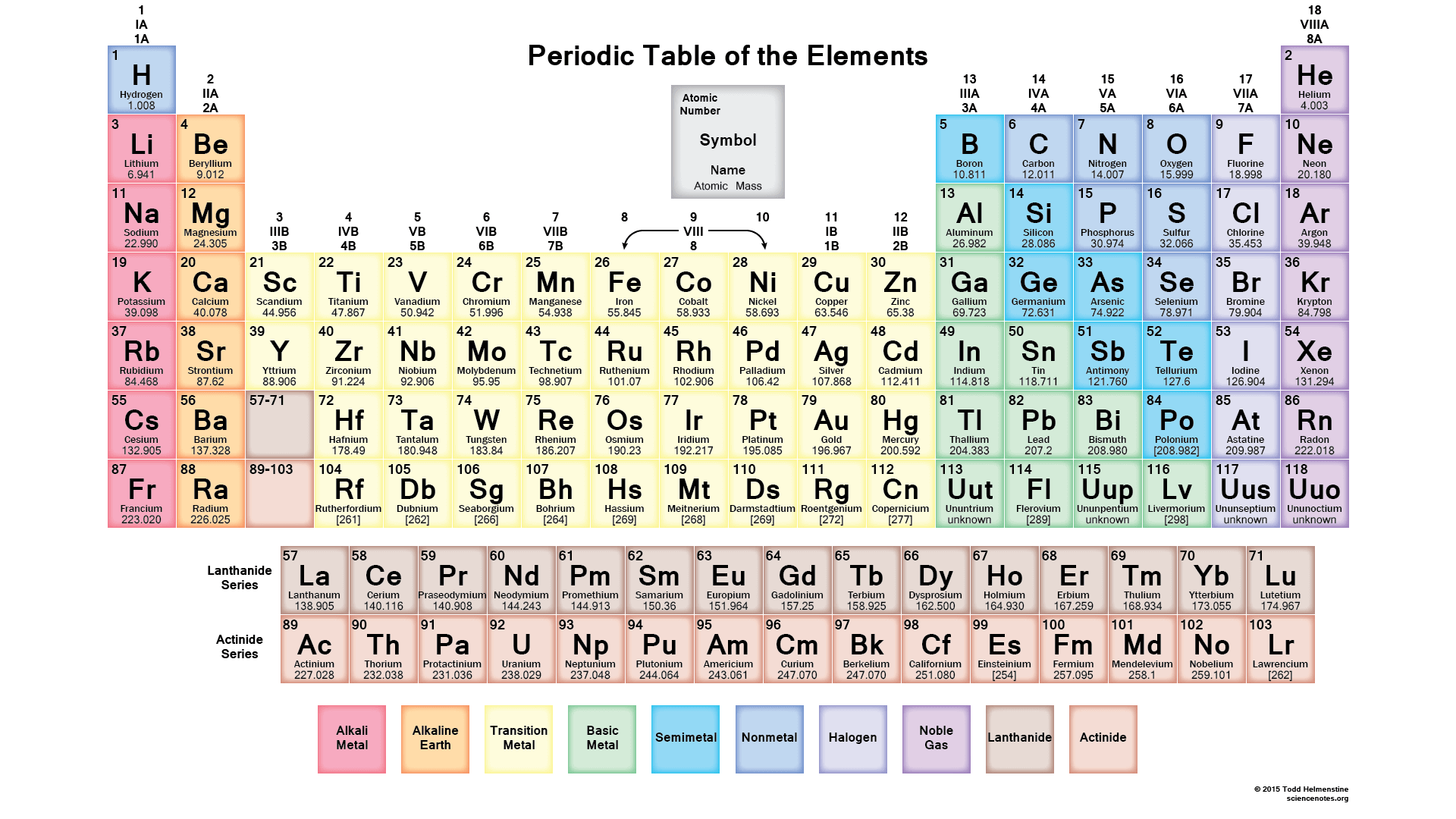
What is the atomic number?

a)

35

b)

18

c)

17

d)

52

42.

How many protons and electrons does this element have?

a)

35

b)

18

c)

17

d)

52

43.

How many neutrons does Chlorine have?

a)

18

b)

17

c)

35

d)

52

44.

What is the atomic mass of Neon?

a)

10

b)

20

c)

30

45.

How many neutrons does calcium have?

a)

20

b)

40

c)

60

d)

0

46.

What is the atomic mass of Arsenic?

a)

33

b)

107

c)

75

47.
What is an isotope? 
a)
A charged atom
b)
An atom with different amounts of neutrons
c)
An atom with different amounts of protons
d)
A neutral atom
48.
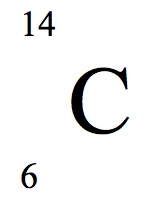
The photo above shows the isotopic notation for which isotope?
a)
Carbon 12
b)
Carbon 13
c)
Carbon 14
d)
Carbon 15
49.
Different isotopes have...
a)
different masses
b)
different atomic numbers
c)
different electrons
d)
different protons
50.
How many neutrons does an Iodine-133 isotope have?
a)
80
b)
133
c)
53
d)
77
51.
How many neutrons does a Flourine-14 isotope have?
a)
4
b)
5
c)
9
d)
14
52.
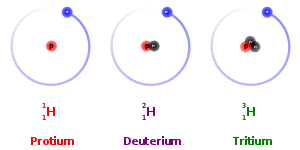
What is the atomic mass of the pictured isotope?
a)
2
b)
4
c)
6
d)
Hehehehe
53.
In a correctly written symbol what would be located in the "A" position?
a)
number of neutrons
b)
atomic number
c)
number of electrons 
d)
mass number
54.
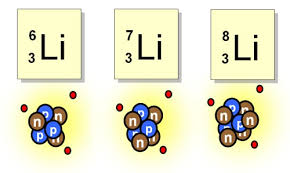
which atom has  4 neutrons?
a)
Li-6
b)
Li-7
c)
Li-8
d)
they have the same # of neutrons
55.
How many neutrons in C-14?
a)
6
b)
7
c)
14
d)
8
56.
Isotopes are atoms of the same element with different #’s of __________ & therefore different __________.
a)
n0 ;  atomic #’s
b)
p+ ; atomic #’s
c)
e- ; atomic masses
d)
n0 ; atomic masses
57.
If X is the symbol for an element, which of the following two symbols represent    isotopes of the same element?     I. 7735X  II. 7733X  III. 8137X  IV. 8135 X
a)
I and II
b)
III and IV
c)
I and IV
d)
I and III
58.
4.35% of all X atoms have a mass of 39.946 amu. 83.79% have a mass of 41.941 amu, 9.50% have a mass of 42.941 amu, and 2.36% have a mass of 43.939 amu. What is the average atomic mass of atom X?
a)
41.97 amu
b)
42.19 amu
c)
10.43 amu
d)
40.04 amu
59.
24.1% of all the isotopes of a an element have a mass of 75.23 amu, 48.7% have a mass of 74.61 amu, and 27.2% have a mass of 75.20 amu.
What is the average mass of this element?
a)
74.92 amu
b)
24.97 amu
c)
75.01 amu
d)
74.51 amu
60.

Magnesium exists as three isotopes shown above. What is the average atomic mass?

a)

18.39 amu

b)

20.74 amu

c)

22.56 amu

d)

24.31 amu

61.
What electron configuration matches an oxygen atom?
a)
1s22s22p63s2, 3p64s23d104p5
b)
1s22s22p4
c)
1s22s22p6
d)
1s22s22p63s23p64s23d1
62.
The electron configuration of an atom is 1s22s22p6.  The number of electrons in the atom is 
a)
3
b)
6
c)
8
d)
10
63.
What atom matches this electron configuration?
1s22s22p63s23p64s23d10
a)
Zinc
b)
Copper
c)
Nickel
d)
Germanium
64.

Why do you think are there different colors emitted?

a)

Because of the absorption of heat from the flame

b)

Because heat is released

c)

Because of the absorption of light

65.

The vertical (up and down) columns in the Periodic Table are called

a)

groups

b)

towers

c)

periods

d)

atomic numbers

66.
The Modern Periodic Table of Elements is arranged by
a)
atomic mass
b)
atomic number
c)
valence electrons
d)
number of isotopes
67.
Sodium (Na) is found in period 
a)
3
b)
2
c)
4
d)
1
68.
Sodium (Na) is found in group 
a)
1
b)
2
c)
3
d)
4
69.
Which has the greater EN: 
Cl or Al?
a)
Cl
b)
Al
70.
Which has the greater EN: 
N or C?
a)
C
b)
N
71.
Which has the greater EN: 
H or F?
a)
H
b)
F
72.
Which of the following will have a larger radius than Zinc?
a)
Gallium
b)
Aluminum
c)
Magnesium
d)
Strontium
73.
Which of the following will have a higher electronegativity than arsenic (As)?
a)
Carbon (C)
b)
Neon (Ne)
c)
Antimony (Sb)
d)
Germanium (Ge)
74.
Which of the following will have a lower ionization energy than Scandium (Sc)?
a)
Helium (He)
b)
Titanium (Ti)
c)
Calcium (Ca)
d)
Magnesium (Mg)
75.
As atoms of elements in group 16 are considered in order from top to bottom, the electronegativity of each successive element....
a)
decreases
b)
increases
c)
remains the same
d)
none of the above
76.
What does brittle mean?
a)
shiny
b)
able to be hammered into different shapes
c)
able to be drawn into a wire
d)
breaks or shatters easily
77.
What is a conductor?
a)
Heat and electricity move through them easily
b)
able to be drawn into a wire
c)
able to be hammered into different shapes
d)
shiny
78.
What does it mean to be ductile?
a)
able to be hammered into different shapes
b)
able to be drawn into a wire
c)
heavy for their size
d)
break or shatter easily
79.
Where are metalloids located on the periodic table?
a)
to the right of nonmetals
b)
along the zig-zag line
c)
to the left of the zig-zag line
d)
to the right of the zig-zag line
80.
A substance that is shiny and a good conductor would be classified as a
a)
nonmetal
b)
metalloid
c)
metal
d)
metallica
81.
A substance that is dull, brittle, and a nonconductor would be classified as a
a)
metal
b)
nonnmetal
c)
metalloid
d)
metallica
82.

Why do all bonds form?

a)

so the number of protons equals the number of electrons

b)

so an atom can become unstable

c)

to fill the outermost energy level

83.

Valence electrons are found

a)

in the innermost energy level of an atom

b)

in the middle energy levels of an atom

c)

in the outermost energy levels of an atom

84.

An atom with 3 valence electrons "wants" a full shell, so it can either gain 5 or lose 3. Which is more likely to occur?

a)

Gain 5

b)

Lose 3

c)

Nothing

85.

Zinc fluoride

a)

ZnF2

b)

Zn2F

c)

ZnF

d)

Zn2F4

86.

How many Aluminum atoms are in Al2O3?

a)

3

b)

5

c)

2

d)

1

87.

Write the correct formula for Sodium Chloride.

a)

SC

b)

SCl

c)

NaCl

d)

NaCl2

88.

When naming ionic compounds, the metal is always named first and the nonmetal is always named second.

a)

True

b)

False

89.

Mg3N2

a)

Magnesium nitride

b)

Magnesium (II) nitride

c)

Trimagnesium dinitrogen

90.

How do covalent bonds form?

a)

By donating and receiving valence electrons between atoms.

b)

Scientists still aren't sure.

c)

Opposite slight charges attract each atom in the compound.

d)

Sharing valence electrons between atoms

91.

What two types of atoms make a covalent bond?

a)

2 Nonmetals

b)

1 Metal and 1 Nonmetal

c)

2 Metals

d)

2 Noble Gases

92.

How many valence electrons does hydrogen have?

a)

1

b)

2

c)

3

d)

4

93.

When an atom loses an electron, it becomes a

a)

positive ion

b)

negative ion

c)

neutral ion

d)

neutral atom

94.

What is the proper name for CH4?

a)

Monocarbon hydride

b)

Carbon tetrahydride

c)

Monocarbon tetrahydride

95.

What is the proper name for S2O2?

a)

Sulfur oxide

b)

Sulfur dioxide

c)

Sulfur (II) oxide

d)

Disulfur dioxide

96.
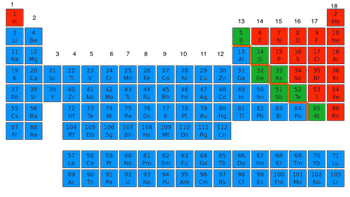
Where are metals located on the periodic table?
a)
Blue
b)
Green
c)
Red
97.
Where are the metalloids located on the periodic table?
a)
Blue
b)
Red
c)
Green
98.
Two or more atoms held together by a chemical bond is called what?
a)
A molecule
b)
A molecure
99.

Zinc (II) Fluoride

a)

ZnF2

b)

ZnF

c)

Zn2F

d)

Zn2F4

100.

Sliver (I) Phosphide

a)

Ag3P

b)

Ag3PO4

c)

Ag3PO3

d)

AgP

101.
Na2S
a)
Sodium Sulfide
b)
Sodium Sulfate
c)
Sodium Sulfite
d)
Disodium Sulfide
102.
The formula for iron(III) oxide is
a)
FeO
b)
Fe3O
c)
Fe2O3
d)
Fe3O2
103.

What is the name of Li3P?

a)

Trilithium phosphide

b)

Lithium III Phosophide

c)

Lithium Phosphate

d)

Lithium Phosphide

104.
What is the formula for magnesium chloride?
a)
MgCl
b)
Mg2Cl
c)
MgCl2
d)
Mg(ClO3)2
105.

What is the formula for selenium tetrafluoride

a)

SeF4

b)

SeF

c)

FSe4

d)

FSe

106.

Name CCl4

a)

tetracarbon chloride

b)

carbon tetrachloride

c)

monocarbon tetrachloride

d)

Carbon chloride

107.

Fill in the blank. (Copper has a charge of 2+)

Cu+ AgNO3 → Ag + _____

a)

Cu(NO3)2

b)

CuNO3

c)

CuAg

d)

Cu

108.

Predict the products of this synthesis reaction: H2 + Cl2

a)

HCl

b)

H2Cl2

c)

H2Cl

d)

HCl2

109.

What type of reaction is this?

2 C6H14 + 19 O2 → 12 CO2 + 14 H2O

a)

Single Replacement

b)

Double Replacement

c)

Combustion

d)

Decomposition

110.

Predict the products for the this Single Replacement reaction:

K + HCl →

a)

KCl + H2

b)

KHCl

c)

KH + Cl2

d)

HCl + K2

111.

Predict the product of this synthesis reaction:

Al + S₈ →

a)

AlS

b)

AlS8

c)

Al2S

d)

Al2S3

112.
4Si + S8 --> 2Si2S4
a)
Synthesis
b)
Decomposition
c)
Single displacement
d)
Double displacement
113.
3Ca + 2AlCl3 --> 3CaCl2 + 2Al
a)
Synthesis
b)
Decomposition
c)
Single diplacement
d)
Double displacement
114.
3KOH + H3PO4 --> K3PO4 + 3H2O
a)
Synthesis 
b)
Decomposition
c)
Single displacement
d)
Double displacement
115.
3Mg + N2 --> Mg3N2
a)
Synthesis 
b)
Decomposition
c)
Single displacement
d)
Combustion
116.
Balance this reaction: ____ Na3PO4 + ____ KOH ---> ____ NaOH + ____ K3PO4
a)
1,3,3,1
b)
1,3,2,1
c)
2,3,3,1
d)
1,1,3,1
117.
Balancing this reaction: ____ CH4 + ____ O2 ---> ____ CO2 + ____ H2O
a)
2,1,3,1
b)
1,2,1,2
c)
1,2,2,1
d)
2,1,1,2
118.
Balance this reaction: ____ NaF + ____ Br2 ---> ____ NaBr + ____ F2
a)
3,1,2,1
b)
1,2,3,4
c)
2,1,2,1
d)
1,2,1,2
119.
Oxygen is commonly found as 
a)
a solid-O
b)
a gas-O2
c)
unknown
120.
N2, Cl2, and O2 are all 
a)
diatomic molecules.
b)
ionic bonds.
c)
of equal mass.
d)
solids.
121.
Diatomic molecules are __________ found in nature as their single element: I, O, N, H, Br, Cl, or H.
a)
often
b)
never
c)
sometimes
d)
always
122.

The forces that hold the atoms in a CCl4 molecule together are _______, and the forces that hold the molecules together in sample are _________.

a)

intermolecular (covalent); intramolecular (dipole-dipole)

b)

intermolecular (dipole-dipole); intramolecular (dipole-dipole)

c)

intramolecular (covalent); intermolecular (London Dispersion)

d)

intramolecular (covalent); intermolecular (dipole-dipole)

123.
This is an example of a __________ bond.
a)
non-polar covalent
b)
polar covalent
c)
ionic
d)
metallic
124.

If students want to determine the strength of intermolecular forces among bond type, how should they go about doing this?

a)

Compare three different ionic compounds to determine the rate of dissolving.

b)

Use a magnifying glass to examine the intermolecuar forces in an ionic, polar and non polar covalent bond.

c)

Compare the conductivity of an ionic and non polar bond.

d)

Determine the melting point of an ionic, polar, and non polar bond.

125.

Place the following compounds in order of increasing intermolecular forces.


Viscosity Compound

455 vegetable oil

10.5 water

5.0 isoproply alcohol

a)

vegetable oil, water, isoproply alcohol

b)

isoproply alcohol, water, vegetable oil

c)

water, isoproply alcohol, vegetable oil

d)

vegetable oil, isoproply alcohol , water

126.

Why is this figure representative of a polar covalent molecule?

a)

Electrons are being shared equally due to the partial positive and negative charges.

b)

Electrons are being shared unequally due to the partial positive and negative charges.

c)

Electrons are being transferred due to partial positive and negative charge.

d)

Electrons are being transferred due to full positive and negative charge.

127.

Is the following molecule polar or nonpolar?

a)

polar

b)

nonpolar

128.

Is the following molecule polar or nonpolar?

a)

polar

b)

nonpolar

129.

Is the following molecule polar or nonpolar?

a)

polar

b)

nonpolar

130.

Is the following molecule polar or nonpolar?

a)

polar

b)

nonpolar

131.

Is the following molecule polar or nonpolar?

a)

polar

b)

nonpolar

132.

Is the following molecule polar or nonpolar?

a)

polar

b)

nonpolar