wayground logo

Free Printable Worksheets

Font size

S
M
L
XL
Worksheets

AQUATIC SCIENCE MID TERM 2019

Total questions: 200

Worksheet time: 4hrs 49mins

Name
Class
Date
1.
The chemical compound of water is
a)
HO
b)
H2O
c)
H3O
d)
HO2
2.
The Hydrogen atoms in H2O are positively charged
a)
True
b)
False
3.
Water is a universal solvent
a)
True
b)
False
4.
Water freezes at what temperature ?
a)
0o F
b)
100o C
c)
32o C
d)
0o C
5.
Water boils at what temperature?
a)
132o  F
b)
212o C
c)
100o C
d)
None of the above
6.
What enables a water strider to stand on the water?
a)
Adhesion
b)
Cohesion
c)
Surface Tension
d)
None of the above
7.
A solvent is...
a)
a substance into which the solute dissolves
b)
a compound being dissolved
c)
a substance that does not dissolve
d)
None of the above
8.
What two elements make up water?
a)
Helium and oxygen
b)
Hydrogen and oxygen
c)
helium and carbon
d)
oxygen and carbon
9.
What word describes when water is attracted to other substances?
a)
cohesion
b)
adhesion
c)
capillary action
d)
surface tension
10.
The attraction that causes water and other liquids to form drops on thin films (like wax paper) is called ________________. This is also water’s ability to be attracted to other water molecules.
a)
adhesion
b)
capillary action
c)
cohesion
d)
surface tension
11.
The fact that ice floats on liquid water is due to the fact that water's solid is ___________ than it's liquid form
a)
less polar
b)
more polar
c)
less dense
d)
more dense
12.
Water is a universal solvent because it...
a)
It can be found anywhere
b)
It freezes when it gets cold
c)
floats when frozen
d)
Dissolves most substances
13.
How much of Earth's water is salt water?
a)
50%
b)
66%
c)
75%
d)
97%
14.
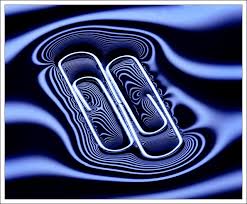
The tightness across the surface of water that enables paper clips to float is ____________.
a)
adhesion
b)
capillary action
c)
surface tension
d)
polarity
15.
What word describes when water is attracted to other substances?
a)
cohesion
b)
adhesion
c)
capillary action
d)
surface tension
16.
The reason the water balloon did NOT pop while held over a flame is water's _________.
a)
Less dense than air.
b)
Hydrogen bonds between water molecules.
c)
polarity.
d)
high specific heat capacity.
17.

In a water molecule _____________ has the negative charge.

a)

Hydrogen

b)

Oxygen

c)

Nitrogen

d)

Helium

18.
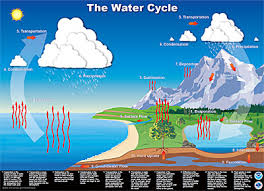
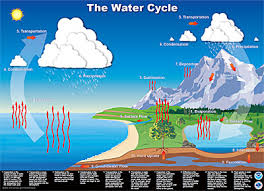
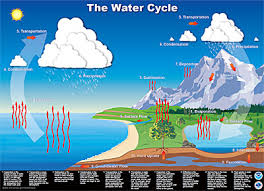
Which of these is an example of precipitation?
a)
snow
b)
air
c)
clouds
d)
vapor
19.
Which is the opposite of condensation?
a)
runoff
b)
evaporation
c)
precipitation
d)
transpiration
20.
What is it called when plants give off water vapor as a waste product?
a)
condensation
b)
evaporation
c)
sublimation
d)
transpiration
21.
What is the water cycle?
a)
the 3 forms of water
b)
the movement of water on, above, or below the surface of the Earth
c)
when water melts
d)
when clouds form
22.
During which stage do clouds form?
a)
condensation
b)
evaporation
c)
precipitation
23.
Which stages does liquid water from the ocean turn into water vapor?
a)
condensation
b)
evaporation
c)
precipitation
d)
run off
24.
Which stage does ground water try to return to the ocean or soak into the ground?
a)
condensation
b)
evaporation
c)
precipitation
d)
run off
25.
What is C?
a)
Evaporation
b)
Condensation
c)
Precipitation
d)
Runoff
26.
What is the energy source for the water cycle?
a)
the sun
b)
the earth
c)
water
d)
the moon
27.
Snow, sleet, hail, and rain are all examples of  ________________. 
a)
evaporation
b)
condensation
c)
accumulation
d)
precipitation
28.
What is a layer of rock or sediment that holds water?
a)
glacier
b)
well
c)
aquifer
d)
natural spring
29.

What percentage of Earth’s water is freshwater?

a)

75%

b)

97%

c)

3%

d)

1%

30.

Where is most water found on Earth?

a)

glaciers

b)

oceans

c)

rivers

d)

lakes

31.

The process by which water on the ground surface enters the soil.

a)

Evaporation

b)

Rain

c)

Infiltration

d)

Watershed

32.
What percentage of the Earth’s fresh water is available for drinking?
a)
10%
b)
<1%
c)
3%
d)
15%
33.
The water that was around when many hundreds of years ago___________.
a)
Is gone,and has been for a long time
b)
Is about half way gone
c)
Is the same water we use today
d)
Would be really dirty if it were still around
34.
Once water makes it all the way through the water cycle,the water___________.
a)
Starts to cycle over again
b)
Has finished that cycle and moves onto a different cycle
c)
Disappears
d)
Stays in the stage at which it finished
35.
At which temperature does liquid water boil?
a)
0 F and 32 C
b)
32 F and 212 C
c)
100 C and 212 F
d)
32 F and 100 F
36.

The area of land that contributes water to a river system is called a ___________________________.

a)

water table

b)

aquifer

c)

run off

d)

watershed

37.
The hydrologic cycle continuously recycles _______ through Earth's systems.
a)
rocks
b)
water
c)
oxygen
d)
carbon dioxide 
38.
What is the next stage after condensation in the water cycle?
a)
CONDENSATION
b)
GROUNDWATER
c)
PRECIPITATION
d)
RUN OFF
39.
What is it called when rainwater contributes to the flow of streams and rivers?
a)
Condensation
b)
Transpiration
c)
Infiltration
d)
Runoff
40.

Able to allow water to pass through

a)

Impermeable

b)

Runoff

c)

Pores

d)

Permeable

41.
What is the source for warming up ocean water?
a)
the sun
b)
water movement
c)
wind
d)
fish peeing in the ocean water
42.
A hurricane rotates _____.
a)
Clockwise
b)
Counterclockwise 
43.

The center of a hurricane is called the ______.

a)

center

b)

brain

c)

eye

44.

The major difference between a tropical storm and a hurricane is __________.

a)

rainfall amounts

b)

wind speed

c)

air temperature

45.
What causes damage in a hurricane?
a)
Winds
b)
Flooding
c)
Storm Surge
d)
All of the above
46.
What destroys a hurricane? 
a)
Strong vertical winds
b)
Cold water
c)
Movement over land
d)
All of the above
47.
Hurricanes develop in ________ regions.
a)
Arctic
b)
Tropical
c)
Arid
d)
None of the above
48.
10. What is the strongest category of hurricane?
a)
Category 5
b)
Category 10
c)
Category 1
49.
What is the name of a hurricane in Asia?
a)
Cyclone
b)
Typhoon
c)
Bob
d)
Dennis
50.
What is the name of a hurricane in North America?
a)
Hurricane
b)
Typhoon
c)
Cyclone
d)
Tornado
51.

What is not considered an essential item needed in a Hurricane evacuation plan?

a)

Radio

b)

Tickets to a Spurs game

c)

Food or snacks

d)

Bottled water

52.

What is the least important thing to consider when preparing for an approaching hurricane.

a)

Board up the windows with plywood

b)

Water the lawn and outdoor plants

c)

Ensure all family members and pets are accounted for

d)

Listen for evacuation routes and other news

53.

What was a reason for the Galveston Storm of 1900 to be so deadly?

a)

Cuban meteorologists were replaced by American meteorologists as a result of the Spanish-American War.

b)

Galveston Island's elevation was mostly at sea level.

c)

Conflicting weather reports on the location of the storm

d)

All of the above

54.

Which is the correct order of a hurricane's development?

a)

Hurricane, Tropical Storm and Tropical Depression

b)

Tropical Storm, Tropical Depression, and Hurricane

c)

Tropical Depression, Hurricane and Tropical Storm

d)

Tropical Depression, Tropical Storm and Hurricane

55.

What is a hurricane?

a)

A rotating tropical storm with 38mph winds

b)

A tropical storm with 74 mph winds

c)

A rotating tropical storm with 74 mph winds

d)

A thunderstorm with 74 mph winds

56.

In the region where two continental plates collide, what geological feature most often forms?

a)

an ocean

b)

a volcano

c)

a river valley

d)

a mountain chain

57.
Pangaea was an ancient supercontinent made up of...
a)
America, Greenland, and Europe.
b)
Antarctica, India, and America.
c)
all of Earth’s continents.
d)
South Africa, India, Australia, and South America.
58.
Warm ocean currents generally come from
a)
The North Pole
b)
The South Pole
c)
The Equator
d)
Both A and B
59.
Cold ocean currents generally come from
a)
The North Pole 
b)
The South Pole
c)
The Equator
d)
Either Pole
60.
A horizontal movement of ocean water that is caused by wind and that occurs at or near the ocean's surface.
a)
Gulf Stream
b)
Global Conveyor Belt
c)
Surface Current
d)
Gyre
61.
The Gulf stream carries _____________ water from the east coast of The United States to the West coast of Europe.
a)
Cold
b)
Warm 
c)
Freezing
d)
Fresh
62.
Two types of water currents are
a)
local and global
b)
sea and land
c)
surface and deep
d)
warm and cold
63.
How do warm-water currents affect the coastal areas along which they flow?
a)
Cool the coast
b)
Warm the coast
c)
Cause snow to fall
d)
Cause higher tides
64.
What name is given to large, destructive waves caused by underwater earthquakes and volcanoes?
a)
Spring tide
b)
Longshore current
c)
Tsunami
d)
Swell
65.
Upwelling is associated with
a)
a decrease in access to nutrients for phytoplankton
b)
cooler, nutrient-rich waters being pushed up from deeper ocean waters
c)
temperature gradients moving water from the equator to the poles
d)
an increase in human fatalities
66.
Ocean currents have an affect on which two things
a)
climate and weather
b)
temperature and density
c)
land and sea
d)
equator and poles
67.
The hot "line" around the center of the earth is called the
a)
Equalibrium
b)
Equator
c)
Tropic of Cancer
d)
Tropic of Capricorn
68.
A divergent boundary occurs when plates ....
a)
Pull apart
b)
Come together
c)
Slide past each other
d)
subducting
69.
Which of the following is the name of the ancient supercontinent formed 28 Million Years ago.
a)
Pangea
b)
Gondwanda
c)
Laurasia
d)
Neverland
70.
The huge pieces of the earth's crust are called ____________________________. 
a)
crust
b)
plates
c)
directions
d)
seismos
71.
Which of the following is NOT a tectonic boundary?
a)
Convergent
b)
Divergent
c)
Sedergent
d)
Transform
72.
Which of the following is NOT a cause of an earthquake?
a)
Collapse of Cavern
b)
Eruption of Volcano
c)
Lightning Strikes
d)
Moving Tectonic Plates
73.
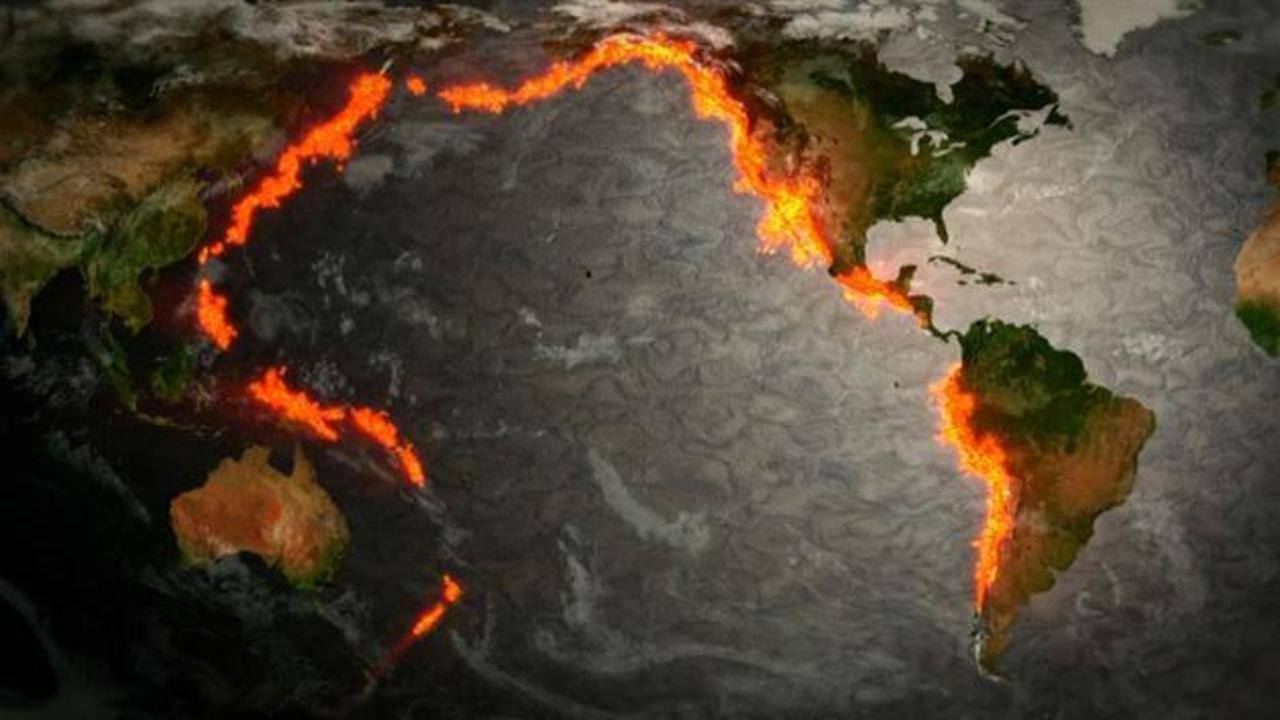
Which ocean in the world is also known as the "Ring of Fire"
a)
Atlantic
b)
Indian
c)
Arctic
d)
Pacific
74.
Name the boundary
a)
convergent boundary
b)
divergent boundary
c)
transform boundary
d)
sergent boundary
75.
The San Andreas fault is located in Conneticut
a)
true
b)
false
76.

What is ELE?

a)

Environmental Law Enforcement

b)

Extinction Level Event

c)

pop singer

d)

first robotic sub

77.
The highest point on a wave is:
a)
the crest
b)
the trough
c)
the top
d)
the coast 
78.
The lowest point on a wave is the:
a)
Amplitude
b)
Crest
c)
Trough
d)
Wavelength
79.
Storm with sustained wind speeds of 74+ mph
a)
Thunder storm
b)
Tropical depression
c)
Tropical storm
d)
Hurricane
80.
What is usually the most damaging part of a hurricane?
a)
Eye
b)
Lightning
c)
Storm surge
d)
Hail
81.
Where are the highest winds in the hurricane found?
a)
at the extreme outside, because they have to move faster the further they are from the middle
b)
in the center, called the eye of the hurricane
c)
in the storm surge of the hurricane
d)
in the eyewall of the hurricane
82.
Which of the following was the deadliest hurricane in recorded history?
a)
Hurricane Ike 2008
b)
Hurricane Harvey 2017
c)
Galveston Hurricane of 1900
d)
Hurricane Katrina 2005
83.
The hurricane that caused the most damages in the US in billions of dollars was
a)
Galveston Hurricane of 1900
b)
Hurricane Ike 2008 at 29 billion
c)
Hurricane Harvey 2017
d)
Hurricane Sandy 2012
84.
Sustained winds of over 155 mph indicate a category _____ hurricane.
a)
1
b)
2
c)
4
d)
5
85.
Climate is measured over a long period of time, and weather is measured over a short time.
a)
True
b)
False
86.
What do ocean currents move around the world?
a)
Gases
b)
Nutrients
c)
Heat Energy
d)
All of these
87.

What are 2 items you should purchase for a hurricane preparedness kit?

a)

bottled water

b)

frozen food

c)

batteries

d)

candy

e)

soap

88.

How are hurricanes categorized?

a)

based on their destination

b)

based on their wind speed

c)

based on where they form

d)

based on their "hotness"

89.

A category 4 hurricane is due to hit Freeport in 3 days. Mandatory evacuation for all coastal areas. This is a hurricane

a)

Watch

b)

Warning

90.

What items are impossible to find right before a hurricane and right after?

a)

gas, batteries, generators

b)

milk, bread, eggs, bottled water

c)

canned food, lunchmeat, chips, beer

d)

all the above

91.
What degree is awarded for a program that lasts 4 or more years?
a)
associate's degree
b)
bachelor's degree
c)

certificate
d)
technical degree
92.
An associate's degree typically takes how long for a person to complete?
a)
2
b)
4
c)
6
d)
8
93.
It is not possible to get a veterinarian degree in 2 years.
a)
True
b)
False
94.
A four year college degree is called
a)
Associates
b)
Certification
c)
Bachelors
d)
Masters
95.

Steve Irwin, Jeff Corwin and Mr Wheelock are all examples of

a)

wildlife educators

b)

Zookeepers

c)

PETA members

d)

zoo curators

96.
Something you LOVE to do:
a)
Skill
b)
Talent
c)
Passion
d)
Effort
97.
What are tiny organisms that float near the surface of the water?
a)
plankton
b)
organisms
c)
abiotic factor
d)
insects
98.
True of False: The temperature of the ocean water decreases as the depth of the water increases.
a)
True
b)
False
99.
True or False: Temperature does NOT affect the animals that live in marine ecosystems.
a)
True
b)
False
100.
The _________ zone is the ocean floor.
a)
intertidal
b)
neritic
c)
oceanic
d)
benthic
101.
The __________ zone is the place where the ocean meets the land.
a)
intertidal
b)
neritic
c)
oceanic
d)
benthic
102.
The deepest parts of the benthic zone do not get any _________.
a)
sunlight
b)
food
c)
fish
d)
chemicals
103.
Which of the following is NOT a biotic factor?
a)
Walrus
b)
Squid
c)
Salinity
d)
Algae
104.
Which of the following is an abiotic factor that affects marine ecosystems?
a)
Pressure
b)
Algae
c)
Pedators
d)
Food Web
105.
Which of the following organisms pulls carbon from the atmosphere to make food?
a)
Dolphins
b)
Sharks
c)
Phytoplankton
d)
Fish
106.
Which of the following is the process of pulling CO2 form the atmosphere to make food?
a)
Photosynthesis
b)
Cellular Respiration
c)
Decomposition
d)
Nitrification
107.
When plants and animals die their bodies _______ and carbon atoms are returned to the atmosphere.
a)
Cellular Respiration
b)
Decomposition
c)
Nitrification
d)
Photosynthesis
108.
Which of the following does NOT release access carbon into the atmosphere?
a)
Driving a Car
b)
Drinking from plastic bottles
c)
Leaving on the lights
d)
Leaving the faucet running
109.
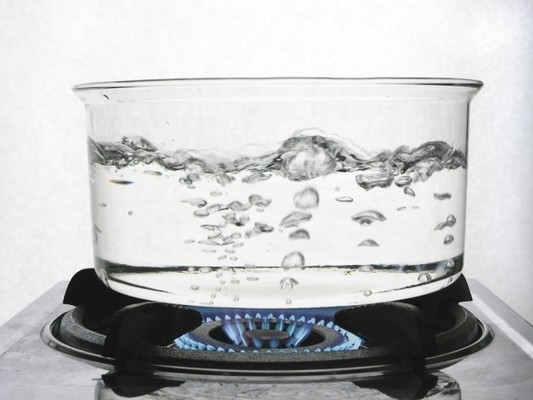
This is an example of which of the following processes?
a)
Precipitation
b)
Condensation
c)
Evaporation
d)
Transpiration
110.
Which of the following is NOT a form of precipitation?
a)
Rain 
b)
Snow
c)
Clouds
d)
Sleet
111.
Surface runnoff is more likely to occur in which of the following areas?
a)
Urban
b)
Rural 
c)
Undeveloped 
d)
Agricultural 
112.
What do you call it when two or more species are competing for the same resources?
a)
Competition
b)
Predation
c)
Commensalism
d)
Mutualism
113.
What do you call it when one species benefits AND the other species benefits?
a)
predation
b)
parasitism
c)
commensalism
d)
mutualism
114.
What do you call it when one species benefits while the other species is harmed?
a)
Predation
b)
Parasitism
c)
Commensalism
d)
Mutualism
115.
What do you call it when one species benefits and the other species is not really affected in any way?
a)
Predation
b)
Parasitism
c)
Commensalism
d)
Mutualism
116.
What do you call it when predators hunt and eat prey?
a)
Competition
b)
Predation
c)
Parasitism
d)
Commensalism
117.
What do you call it when communities form in an area that previously had no life?
a)
First Succession
b)
Secondary Succession
c)
Primary Succession
d)
Ending Succession
118.
When one species benefits and the other species is harmed, what do you call the species that is HARMED?
a)
Parasite
b)
Prey
c)
Host
d)
Predator
119.
When one species benefits while the other species is harmed, what do you call the species that BENEFITS?
a)
Parasite
b)
Prey
c)
Host
d)
Predator
120.
What are organisms living on, near, or in the sediment of lakes called?
a)
Nektonic
b)
Planktonic
c)
Limnetic
d)
 Benthic
121.
This lake zone suffers from a lack of light and has limited photosynthesis:
a)
Littoral
b)
Benthic
c)
Profundal
d)
Limnetic
122.

The picture shows a

a)

coral reef

b)

kelp forest

c)

open ocean

d)

estuary

123.

The marine ecosystem providing the most habitat and with the MOST diversity is

a)

sandy beach

b)

rocky shore

c)

coral reef

d)

kelp forest

124.

This picture shows a(n)

a)

sandy beach

b)

open ocean

c)

kelp forest

d)

estuary

125.

The BIGGEST function of an estuary is providing

a)

salt products

b)

a nursery for baby organisms

c)

recreation

d)

most of the world's oxygen

126.

Which ecosystem provides most of the world's oxygen?

a)

kelp forest

b)

estuary

c)

coral reef

d)

open ocean

127.

In which ecosystem would we find barnacles, seastars, birds, mussels and seaweed?

a)

rocky shore

b)

kelp forest

c)

coral reef

d)

none of these

128.

Area located between high and low tide boundaries:

a)

Strandline

b)

Intertidal zone

c)

Supratidal zone

d)

Subtidal zone

129.

Area located above intertidal zone, up to the sand dunes:

a)

Strandline

b)

Intertidal zone

c)

Supratidal zone

d)

Subtidal zone

130.

Upper part of the oceanic zone that receives light

a)

benthic zone

b)

photic zone

c)

aphotic zone

d)

neritic zone

131.

Lower part of the oceanic zone that receives NO light

a)

benthic zone

b)

photic zone

c)

aphotic zone

d)

neritic zone

132.

Zone that is made up of the entire ocean floor

a)

Neritic

b)

Photic

c)

Aphotic

d)

Benthic

133.

True or False? The presence of sunlight is considered an abiotic factor in marine ecosystems.

a)

True

b)

False

134.

True or False? The plankton that provide the lower trophic levels of the marine ecosystem would be considered an abiotic factor.

a)

True

b)

False

135.

Which one of the following answer selections best describes the marine ecosystem zone if you are standing on a beach at low tide?

a)

Intertidal Zone

b)

Neritic Zone

c)

Bathayal Zone

d)

Abyssal Zone

136.
What are the 2 types of aquatic biomes?
a)
rivers and streams
b)
lakes and oceans
c)
marine and fresh water
d)
marine and oceanic
137.

Which one of the following answer selections best describes the marine ecosystem found in the Marianas Trench?

a)

Intertidal Zone

b)

Neritic Zone

c)

Bathayal Zone

d)

Abyssal Zone

138.

Nekton are restricted to particular areas of the ocean by--

a)

differences in water pressure with depth

b)

changes in salinity

c)

changes in temperature

d)

all choices are correct

139.
What is salinity?
a)
The amount of salt in water
b)
Salt water and fresh water mixed 
c)
What creates the waves in the ocean
d)
Amount of sunlight in ocean water
140.
What is animal-like plankton called?
a)
Phytoplankton 
b)
Animal-likeplankton
c)
Zooplankton
d)
Plankton
141.

Plant-like plankton is called...

a)

Photosynthesis

b)

Phytoplankton

c)

Decomposer

d)

Consumer

142.

Take a look at the photo and decide which answer fits.

a)

Kelp Forest

b)

Coral Reef

c)

Rocky Seashore

d)

Sandy Beach

143.

Take a look at the photo and decide which answer best fits.

a)

Kelp Forest

b)

Rocky Seashore

c)

Coral Reef

d)

Freshwater Bog

144.

What ecosystem would you most likely find the humpback whale?

a)

Open Ocean

b)

River

c)

Esturay

d)

Freshwater Wetland

145.

These rocks are:

a)

Biotic

b)

Abiotic

146.

These barnacles are:

a)

Biotic

b)

Abiotic

147.

Whales, eels, dolphin and squid are examples of

a)

benthos

b)

nekton

c)

zooplankton

148.

Lobsters, starfish, warms and snails are examples of

a)

zooplankton

b)

benthos

c)

nekton

149.

Free-floating forms with little power of locomotion.

a)

Plankton

b)

Nekton

c)

Benthos

150.
Coral reefs provide
a)
shelter
b)
tourism
c)
protection from storms
d)
all the above
151.

Standing ankle deep at Surfside Beach, you are in the __________zone.

a)

oceanic

b)

benthic

c)

intertidal

d)

litoral

152.

Best caption for this picture is:

a)

a predator-prey example

b)

the bicyclist better be in VERY good shape!

c)

someone is having a very BAD day!

d)

All the answers are correct

153.

Which of the following is NOT nekton?

a)

human

b)

manatee

c)

jellyfish

d)

hippopotamus

154.
This is a
a)
white mangrove
b)
red mangrove
c)
black mangrove
d)
red cypress tree
155.
In Antartic ecosystems, all animals depend on which species in the food chain? 
a)
Penguins
b)
Polar bears
c)
Krill
d)
Leopard seals
156.
Mangrove swamps are named after the type of ____________ found in them that is salt tolerant.
a)
flowers
b)
grasses
c)
trees
157.
Brackish means that the water is
a)
only salt water
b)
a mix of fresh and salt water
c)
only fresh water
158.
Zooxanthelle  are found in 
a)
Kelp
b)
Sand
c)
Coral
d)
Deep Sea Volcanoes
159.
The base of the ocean's food chains is formed by
a)
blue whales
b)
plankton
c)
coral reefs
d)
sargassums
160.
Coral reefs are important to medical research.
a)
true
b)
false
161.
Who causes the most damage to coral reefs?
a)
Whales
b)
Fish
c)
Boats
d)
Humans
162.

The most arid ( dry ) place on earth!

a)

Sahara Desert

b)

Death Valley

c)

Antarctica

d)

Australian Outback

163.
Which lake is the deepest in the world with its deepest point at 5,387 feet deep?
a)
Lake Baikal
b)
Lake Superior
c)
Lake Michigan
d)
Lake Tahoe
164.
Where would you find cattails and reeds?
a)
Limnetic zone
b)
Littoral zone
c)
Profundal zone
d)
Benthic zone
165.
Which zone contains the most life in a lake or pond?
a)
Littoral zone around the shoreline
b)
Profundal zone in the deep and dark
c)
Benthic zone in the sediment
d)
Limnetic zone in the open lake as far as light reaches
166.

The sandy beach has

a)

low diversity, low population numbers

b)

low diversity, high population numbers

c)

high diversity, low population numbers

d)

high diversity, high population numbers

167.

Adaptations for attachment and the ability to bend with the waves, as well as to protect against drying out, are part of organisms in this ecosystem:

a)

coral reef

b)

estuary

c)

rocky shore

d)

kelp forest

168.

Where are coral reefs found?

a)

Polar waters

b)

temperate, mid-latitude waters

c)

tropical waters

d)

only near volcanos

169.

3 ecosystems, in order from LOWEST to HIGHEST diversity, are:

a)

estuary, sandy beach, rocky shore

b)

sandy beach, kelp forest, coral reef

c)

coral reef, open ocean, sandy beach

d)

sandy beach, coral reef, rocky shore

170.

Which statement about the Benthic Zone (L) is true?

a)

It includes all of the ocean floor

b)

It receives lots of sunlight

c)

Commercial fishing takes place here

d)

It contains photosynthetic organisms

171.

Where is most life in the ocean found?

a)

In aphotic zones that receive little/no sunlight

b)

In photic zones that receive sunlight

172.

Where would you expect to find the coldest water?

a)

Abyssal Pelagic Zone

b)

Oceanic Zone

c)

Supratidal Zone

d)

Neritic Zone

173.
As oceans become deeper, the water pressure ___________________.
a)
increases
b)
decreases
c)
stays the same
174.

Which one of the following answer selections best describes the marine ecosystem zone if you are exploring depths of the ocean that is in complete darkness?

a)

Intertidal Zone

b)

Neritic Zone

c)

Bathayal Zone

d)

Abyssal Zone

175.

Which one of the following answer choices best describes Neritic Zone habitats that exists in cold, nutrient rich waters found in the Temperate Climate zone?

a)

Kelp Forests

b)

Coral Reefs

c)

Estuaries

d)

Freshwater Ecosystems

176.
What are the 2 types of freshwater biome?
a)
pond and lake
b)
river and stream
c)
marine and oceanic
d)
running water and still water
177.
The marine zone that covers the continental shelf is called
a)
intertidal
b)
neritic
c)
surface
d)
deep
178.

A heterotrophic floating organism is:

a)

Nekton

b)

Krill

c)

Phytoplankton

d)

Zooplankton

179.

Which of the following pairs correctly links the organism with how it lives/moves in the ocean?

a)

nekton - bottom dwelling

b)

plankton - free swimming

c)

benthos - drifting

d)

nekton - free swimming

180.

An autotrophic floating organism is:

a)

Nekton

b)

Krill

c)

Zooplankton

d)

Phytoplankton

181.

A Goliath Grouper swims over to a cleaning station then open their mouths and gills. The cleaner fish swims in and around, pecking off small parasites that might otherwise adversely affect the health of the grouper. What best describes this type of relationship?

a)

Symbiosis

b)

Commensalism

c)

Mutualism

d)

Parasitism

182.
What is the steep slope at the edge of the continental shelf?
a)
seamount
b)
mid-ocean ridge
c)
continental slope
d)
rift zone
183.
Where is the shallowest part of the ocean floor?
a)
continental slope
b)
continental shelf
c)
abyssal plains
d)
rift zones
184.

The Photic Zone (Sunlight Zone) houses 90% of life in our oceans. Why?

a)

Phytoplankton (base of the food chain) conducting phtosynthesis

b)

Apex predators (top of the food chain) consuming large marine organisms

c)

Most ocean life tends to float to the top layer of the ocean

d)

This is a great place for fish to hide from predators

185.
benthic animals that live buried or partially buried in the sea floor
a)
infauna
b)
epifauna
c)
inflora
d)
epiflora
186.
benthic animals that live on the sea floor
a)
infauna
b)
epifauna
c)
inflora
d)
epiflora
187.
the open water area beyond the continental shelf
a)
oceanic zone
b)
tidal zone
c)
bahyal zone
d)
abyssal zone
188.
benthic plants that live on the sea floor
a)
epiflora
b)
inflora
c)
epifauna
d)
infauna
189.

Pythoplankton inhabit

a)

the bottom of the ocean

b)

the middle of the ocean

c)

the surface of the ocean

d)

the beginning of the ocean

190.
A snaggletooth fish has a glowing lure that extends from its chin to attract prey. In which ocean zone does this fish most likelylive?
a)
bioluminescent zone
b)
intertidal zone
c)
neritic zone
d)
oceanic zone
191.
Red mangroves 
a)
are much like normal trees thus growing well past the high tide line
b)
have their roots coming out of the trunk thus propping them up in the water
c)
have many roots poking out of the mud exposed to the air
d)
are a species of fish
192.
The role or function or job of a species in a community.
a)
habitat
b)
diet
c)
niche
d)
ecosystem
193.
Light does not reach the bottom of the ocean, yet certain species on the bottom of the ocean get energy to live?
a)
algae and bacteria produce energy through photosynthesis
b)
hydrothermal vents produce energy through chemical reactions
c)
dead plants and animals produce energy through decomposition
194.
Parrotfish are herbivores that are found in coral reefs. To escape predation, a parrotfish will graze with a rabbitfish, which has venomous spines at the end of its pelvic fins. The rabbitfish does not benefit from this relationship. Which type of relationship do the parrotfish and the rabbitfish have in the coral-reef environment?
a)
Commensal
b)
Mutualistic
c)
Predator-prey
d)
Parasitic
195.
What builds up over time to form a reef?
a)
Sand
b)
Coral skeletons
c)
Fish bones
d)
Rocks
196.
What is a tiny individual coral animal?
a)
Polyps
b)
Crevice
c)
Atolls
d)
Erosion
197.
What is the biggest ecological benefit of coral reefs?
a)
tourism
b)
seafood
c)
habitat
d)
protection of shoreline
198.
Coral polyps eat zooxanthellae
a)
True
b)
False
199.
In warm tropical ocean ecosystems, all other life forms depend on which of the following:
a)
Coral
b)
Shrimp
c)
Algae
d)
Bacteria
200.

What is primary ecological succession?

a)

A new environment starting from bare rock or starting as a pond and eventually becoming an island and a forest over 1,000s of years

b)

a healthy ecosystem

c)

a old corn field becoming an forest