Wayground logo

Free Printable Worksheets

Font size

S
M
L
XL
Worksheets

Science Energy Test Pt 1

Total questions: 60

Worksheet time: 15hrs 0mins

Name
Class
Date
1.

Potential energy that depends on height is called

a)

gravitational potential energy.

b)

kinetic energy.

c)

elastic potential energy.

d)

mechanical energy.

2.

The energy associated with motion is called

a)

gravitational potential energy.

b)

kinetic energy.

c)

elastic potential energy.

d)

nuclear energy.

3.

Unlike kinetic energy, potential energy is

a)

energy of motion.

b)

stored.

c)

conserved.

d)

not measurable.

4.

A change from one form of energy into another is called

a)

an energy transformation.

b)

energy conservation.

c)

work.

d)

an energy increase.

5.

When you rub your hands together on a cold day, you use friction to transform

a)

mechanical energy into thermal energy.

b)

thermal energy into nuclear energy.

c)

nuclear energy into electrical energy.

d)

electrical energy into electromagnetic energy.

6.

What happens to the energy of a ball as it is dropped from a height of 10 m?

a)

Potential energy is transformed into mechanical energy.

b)

Mechanical energy is transformed into potential energy.

c)

Potential energy is transformed into kinetic energy.

d)

Kinetic energy is transformed into potential energy.

7.

A ball is about to roll down a ramp. What happens to the transfer of potential energy to kinetic energy if you make the ramp steeper?

a)

No change

b)

Kinetic energy increases

c)

Kinetic energy decreases

d)

There is no kinetic energy

8.

A large truck and a small car are moving at the same speed. The truck has greater kinetic energy because its __________ is greater

a)

conservation of energy

b)

thermal

c)

electromagnetic

d)

kinetic

e)

mass

9.

The law of _______________ states that energy cannot be created or destroyed

a)

conservation of energy

b)

thermal

c)

electromagnetic

d)

kinetic

e)

electrical

10.

A baseball flying through the air has _________energy because of its motion

a)

conservation of energy

b)

thermal

c)

electromagnetic

d)

kinetic

e)

electrical

11.

The form of energy carried by moving electrons is called _____________ energy

a)

mechanical

b)

thermal

c)

electromagnetic

d)

kinetic

e)

electrical

12.
WHICH OF THE FOLLOWING IS NOT AN EXAMPLE OF POTENTIAL ENERGY?
a)
A BALL TRAVELING AT 10 M/S
b)
A COMPRESSED SPRING
c)
WATER BEING STORED AT A WATER DAM
d)
A STRETCHED RUBBER BAND
13.
YOUR BODY OBTAINS ENERGY FROM THE FOOD YOU EAT. WHAT IS THE FORM OF ENERGY IN FOOD?
a)
KINETIC
b)
ELASTIC
c)
GRAVITATIONAL
d)
CHEMICAL
14.
WHICH ENERGY TRANSFORMATION OCCURS WHEN A TELEVISION SPEAKER PRODUCES MUSIC?
a)
ELECTRICAL TO SOUND
b)
ELASTIC TO SOUND
c)
THERMAL TO SOUND
d)
SOUND TO ELECTRICAL
15.
WHAT ANOTHER NAME FOR THERMAL ENERGY?
a)
HEAT ENERGY
b)
ITS SIZE
c)
ITS POTENTIAL ENERGY
d)
ITS MECHANICAL ENERGY
16.
WHICH OF THESE DESCRIBES THE LAW OF CONSERVATION OF ENERGY?
a)
NO MACHINE IS 100% EFFICIENT
b)
ENERGY IS NEITHER CREATED OR DESTROYED
c)
THE ENERGY RESOURCES OF EARTH ARE LIMITED
d)
THE ENERGY OF A SYSTEM IS ALWAYS DECREASING
17.
WHICH OF THE FOLLOWING IS AN ENERGY CONVERSION FROM LIGHT ENERGY TO CHEMICAL ENERGY?
a)
TURNING ON A STOVE TO HEAT DINNER
b)
TURNING ON A LAMP
c)
GROWING AN APPLE TREE
d)
MAKING TOAST IN A TOASTER
18.
The faster an object moves, the ________ kinetic energy it has. 
a)
more
b)
less
c)
none of the above
d)
all of the above 
19.
__________ is stored energy. 
a)
Potential
b)
Kinetic
c)
None of the above 
d)
All of the above 
20.
What kind of energy is in a rock at the edge of a cliff?
a)
Potential
b)
Kinetic
21.
What kind of energy is in a moving skateboard?
a)
Potential
b)
Kinetic
22.
What kind of energy is in a stretched rubber band?
a)
Potential
b)
Kinetic
23.
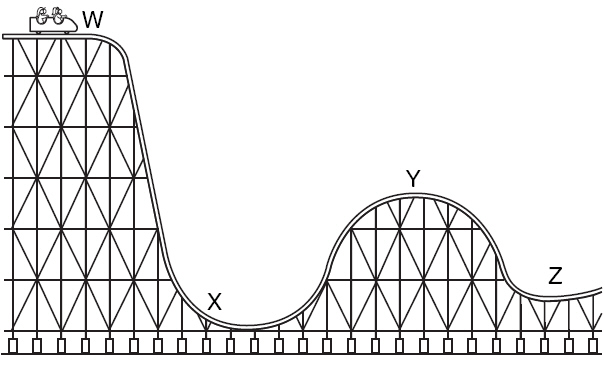
At which point is potential energy greatest?
a)
W
b)
X
c)
Y
d)
Z
24.
At which point is kinetic energy greatest? 
a)
W
b)
X
c)
Y
d)
Z
25.
What is the form of energy associated with visible light?
a)
light energy
b)
thermal energy
c)
chemical energy
d)
kinetic energy
26.
What is the form of energy that is created using heat?  This form of energy makes particles of matter move faster.
a)
light energy
b)
thermal energy
c)
chemical energy
d)
kinetic energy
27.
What is energy made available by the flow of electric charge through a conductor?
a)
electrical energy
b)
solar energy
c)
mechanical energy
d)
potential energy
28.
What is the energy of moving objects, or the energy of moving parts of a machine?
a)
electrical energy
b)
solar energy
c)
mechanical energy
d)
potential energy
29.
What is the movement of an electric charge from one place to another?
a)
energy
b)
reflect
c)
refract
d)
electric current
30.
What is the ability to do work or cause change?
a)
reflect
b)
energy
c)
refract
d)
absorb
31.
What is 'to bounce off'?
a)
reflect
b)
refract
c)
attract
d)
repel
32.
What is the word used when light bends?
a)
reflect
b)
refract
c)
absorb
d)
repel
33.
What is the word for 'to take in'?
a)
reflect
b)
absorb
c)
refract
d)
opaque
34.
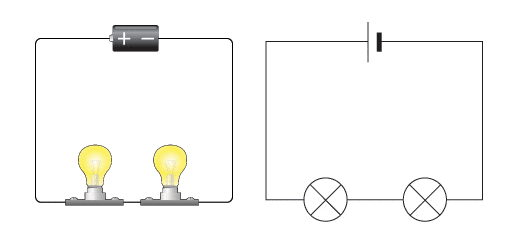
What kind of circuit is this?
a)
Series
b)
Consecutive
c)
Parallel
d)
Training
35.
What kind of circuit is this?
a)
Series
b)
Consecutive
c)
Parallel
d)
Training
36.
wood is a _____?
a)
conductor
b)
insulator
37.
A material in which electrons are able to move easily
a)
Circuit
b)
Insulator 
c)
Resistance 
d)
Conductor 
38.
A material in which electrons are not able to move easily 
a)
Circuit 
b)
Insulator 
c)
Resistance 
d)
Conductor
39.
This circuit has more than one loop. When one light goes out, the others stay on. 
a)
closed circuit
b)
series circuit
c)
parallel circuit
d)
open circuit
40.
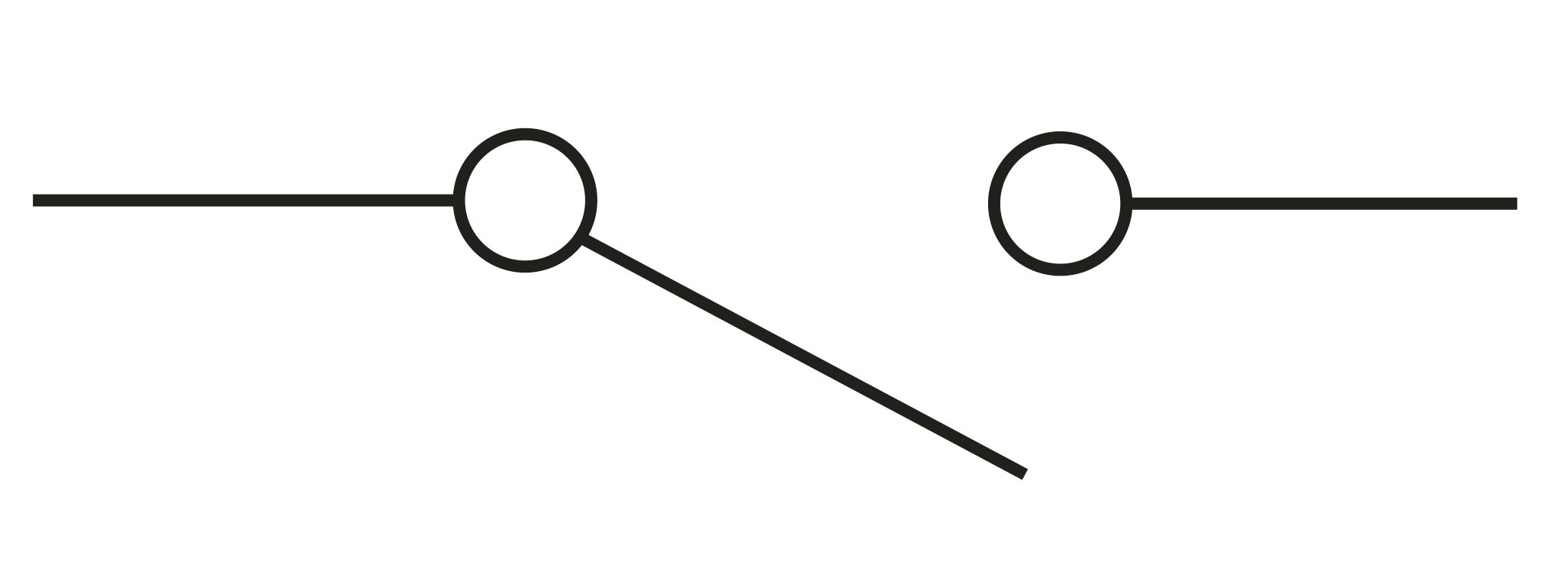
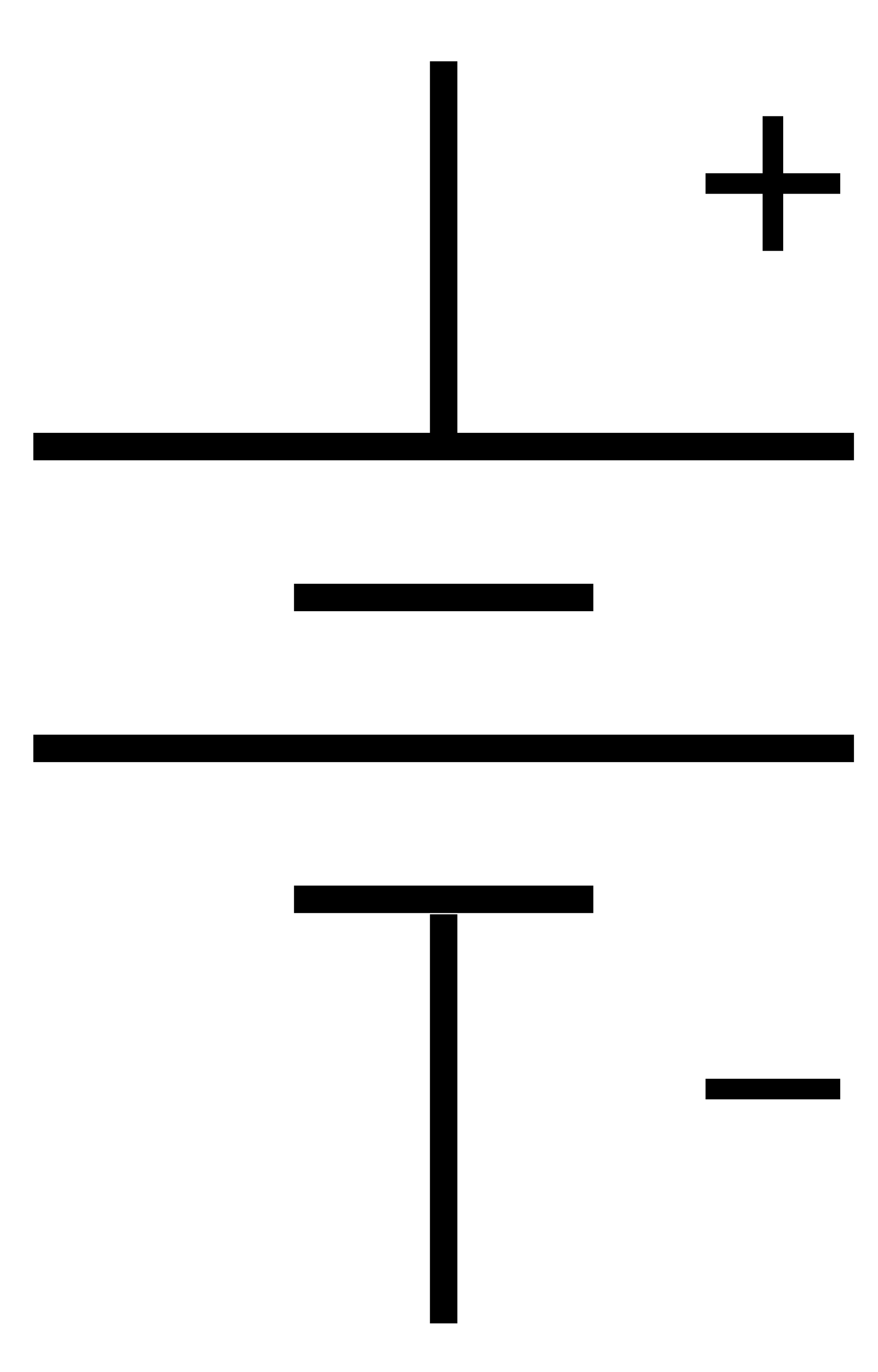
this is the symbol for a _____?
a)
switch
b)
light 
c)
battery
d)
wires
41.
what is this symbol for?
a)
light bulb
b)
switch
c)
battery
d)
resistor
42.
Wind energy 
a)
is less expensive than fossil fuels
b)
is difficult to utilize in areas with low wind availability
c)
is a renewable source of energy
d)
utilizes small or large areas of land not previously used
43.
Hydropower 
a)
produces no air pollution
b)
can be built in any location
c)
has no construction costs
d)
uses a nonrenewable resource
44.
Which is an advantage of installing solar panels?
a)
Reduced amount of air polllution
b)
High cost to install
c)
Number of cloudy days
d)
Use of nonrenewable resources
45.
Oil, Natural Gas, Nuclear, Coal - What do these items have in common?
a)
They are examples of inexhaustible energy resources.
b)
They are examples of renewable energy resources.
c)
They are examples of energy resources that do not cause pollution.
d)
They are examples of nonrenewable energy resources.
46.
Which of the following energy resources is nonrenewable?
a)
Biomass
b)
Geothermal
c)
Fossil Fuel
d)
Hydropower
47.
What type of fossil fuel is mined from the ground?
a)
wind
b)
coal
c)
biomass
d)
air
48.
 Energy from the sun is known as......... 
a)
hydroelectric energy
b)
geothermal energy
c)
solar energy
d)
wind energy
49.
Hydroelectric power produces electricity using.....
a)
Wind
b)
Sunlight
c)
Moving water
d)
Dung
50.
The heat from a lamp allows a lizard to remain warm. This is an example of which type of heat transfer?
a)
radiation
b)
conduction
c)
convection
d)
insulation
51.
Which best describes the process of convection?
a)
Convection is the primary way  heat travels  through rays.
b)
Convection is the primary way heat travels  through metals.
c)
Convection is the primary way heat travels  through appliances.
d)
Convection is the primary way heat travels  through liquids and gasses.
52.
Which is an example of heat being transferred by conduction?
a)
a furnace heating the air in a school
b)
an ice cube melting in a person’s hand
c)
a pot of water on a stove boiling
d)
the sun heating water in a swimming pool
53.
Eggs cooking in a frying pan.
a)
Conduction
b)
Convection
c)
Radiation
54.
Snowman melting in the sun.
a)
Conduction
b)
Convection
c)
Radiation
55.
Tongue freezing to a metal pole.
a)
Conduction
b)
Convection
c)
Radiation
56.
Ice melting on a hotplate.
a)
Conduction
b)
Convection
c)
Radiation
57.
Steam piping out of a teapot.
a)
Conduction
b)
Convection
c)
Radiation
58.
Burning your hand on a hot pan
a)
Conduction
b)
Convection
c)
Radiation
59.
Laying out in the sun.
a)
Conduction
b)
Convection
c)
Radiation
60.
Roasting marshmallows over a fire.
a)
Conduction
b)
Convection
c)
Radiation