
 Worksheets
Quarter 2 Midterm Review 2025-26
Total questions: 73
Worksheet time: 1hrs 2mins
Thermal energy is
the average of the kinetic energy in an object
the total energy of all the particles in an object
is the temperature of an object.
the basic structural unit of matter
atom
matter
element
nucleus
a collection of atoms of one type that cannot be broken down into simpler substances by ordinary chemical or physical means
element
subatomic particle
electron
matter
H2 + O → H2O
At what temperature would water on a stove gain enough energy to change to vapor?
32 degrees Celsius
0 degrees Celsius
100 degrees Celsius
212 degrees Celsius
Evaporation
The temperature at which a substance changes from a liquid to a solid
The classification of matter as a solid, a liquid, or a gas
Physical change in matter from a liquid to a gas
The temperature at which a substance changes states from a solid to a liquid
At what temperature in degrees Celsius does water freeze?
150
0
200
32
Freezing point
The classification of matter as a solid, a liquid, or a gas
Physical change in matter from a gas to a liquid
The temperature at which a substance changes states from a solid to a liquid
The temperature at which a substance changes from a liquid to a solid
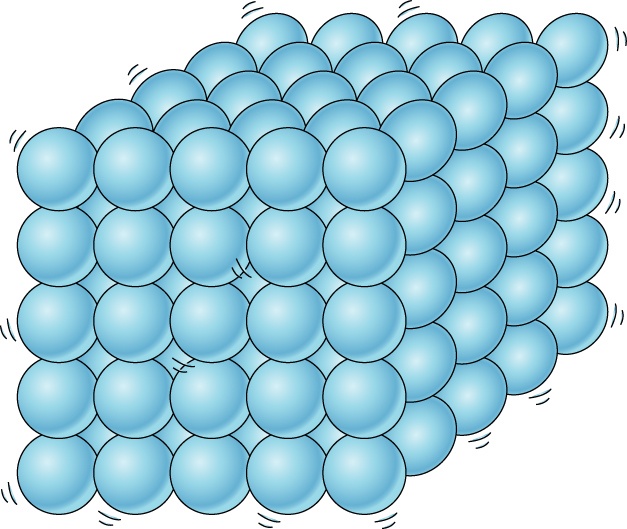
What state of matter?
Solid
Liquid
Gas
Plasma!!!
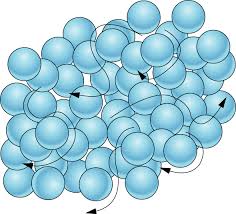
What state of matter?
Solid
Liquid
Gas
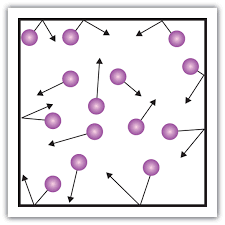
What state of matter?
Solid
Liquid
Gas
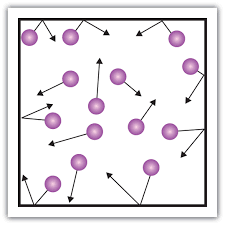
A gas typically consists of:
low energy particles that experience high attractive forces between them.
low energy particles that experience no attractive forces between them.
high energy particles that experience high attractive forces between them.
high energy particles that experience little attractive force between them
Which process could cause a material to change state from gas to liquid?
Adding heat
Adding energy
Removing particles
Removing energy
If I add heat to a solid, how will the motion of the particles be affected?
They will move slower
They will stop moving
They will move faster
They will move to a different container
How do particles act in a liquid?
Every particle stays in one spot.
Particles spread far apart from one another.
Particles slide past one another
Particles squeeze together to fit into small spaces.
A substance made of two or more PHYSICALLY combined substances is--
an element
a mixture
a salt
a compound
When we want the solute to dissolve more quickly we should … the solution.
stir
saturate
dissolve
solve
Which will dissolve faster crushed table salt or crystal of table salt?
crushed table salt
crystal of table salt
What combination would dissolve a solid solute the fastest?
high temperature, no stirring
no heat, no stirring
sugar cube, no heat
high temperature, stirring
Which of the following IS a physical change?
Getting a haircut
Rusty metal
A compound
sour milk
A green powder is heated & a gas is given off while it turns to a black solid. This describes
Physical Change
Chemical Change
Change in State
Change in Temperature

Identify what type of change happening in the picture below...
Chemical Change
Physical Change
Endothermic Reaction
Exothermic Reaction
Which of the following is an example of a physical change?
A glass falling and shattering on the floor.
Baking a birthday cake.
Burning a piece of paper.
Baking soda and vinegar mixing together.

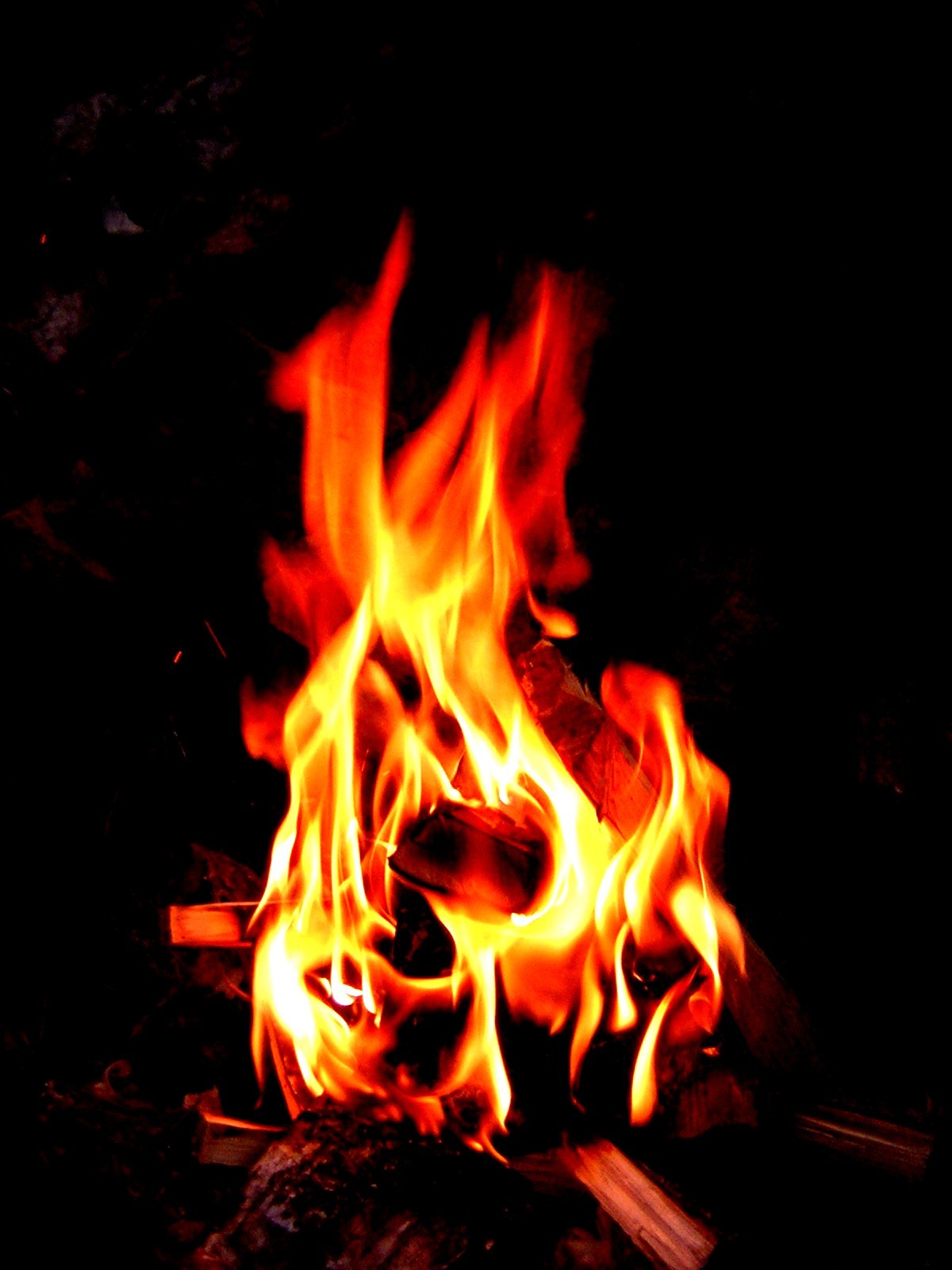
_____ reactions usually feel hot!
endothermic
exothermic
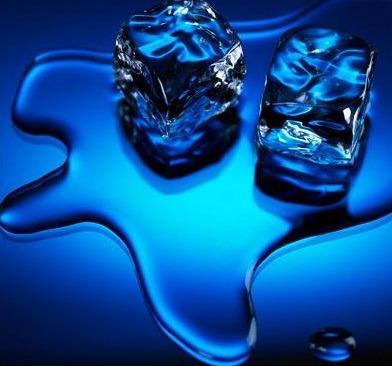
____ reactions usually feel cold.
endothermic
exothermic

Your family uses candles to see when the electricity goes out.
exothermic
endothermic
What type of chemical reaction absorbs energy and requires energy for the reaction to occur?
Endothermic
Exotermic
Exothermic
Endotermic
A mixtures is a combination of two or more____________ that are ___________ combined.
substances; physically
substances; chemically
compounds; chemically

Mixtures are separated based on their __________properties.
chemical
physical

A magnet would be a good tool to use when you need to separate a mixture of iron filings and sand.
True
False

A sieve would be a good tool to use to separate larger pieces from much smaller pieces in a mixture.
True
False

All materials will flow through a filter.
True
False

To separate a solution (when one substance dissolved into a liquid), the liquid can be boiled to separate the two substances.
True
False

Mixtures can be separated when the materials in it have different densities.
True
False
Sometimes, more than one method of separating a mixture will be needed to separate all the materials in the mixture.
True
False

What type of tool is this?
Sieve/Strainer
Filter
Magnet
Settling

Name this tool
Sieve/Strainer
Magnet
Settling
Filter paper

Which mixture can be separated using a paper filter?
sand and iron filings
saltwater
sand and water
sand and gravel
What tool can you use to separate a mixture of gravel and sand the fastest?
strainer
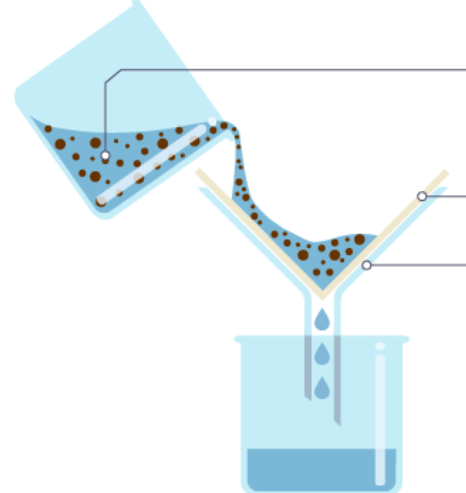
Which separation method is used in this picture?
Filtration
Evaporation
Distillation
Chromatography

During filtration, which substance cannot pass through the filter paper?
the solid
the liquid

The best way to separate trail mix would be:
filter
by hand
sieve
evaporation
Which one of the following would you use to separate rocks/gravel from sand?

tweezers

evaporation

Sifting with a sieve or strainer

magnet
Which one of the following would you use to separate salt from water?

Sifting/Straining

Evaporation

By hand

Using a Magnet

Filtration
Which one of the following would you use to separate sand from iron filings?
Sifting/Straining
Evaporating
Tweezer
Magnet
Filtration

Particles of salt and sand of similar size are mixed together. What would be the best method to extract the sand from the mixture?
Use tweezers to pick out the grains of sand.
Pour water into the mixture and filter out the sand.
Use a sifter to separate the salt and the sand.
There is no way to do this.
Name three ways sugar/salt can dissolve faster in water.
heat it
cool it
crush it
stir it

