wayground logo

Free Printable Worksheets

Font size

S
M
L
XL
Worksheets

Energy Review

Total questions: 67

Worksheet time: 49mins

Name
Class
Date
1.
Energy...
a)
is the ability to do work or cause a change
b)
is all the movement in the universe
c)
cannot be created or destroyed
d)
all of the above
2.
What type of energy is stored inside a battery?
a)
elastic potential energy
b)
gravitational potential energy
c)
chemical potential energy
d)
kinetic energy
3.
Which type of energy is increased when an object is raised above the ground? 
a)
Gravitational potential
b)
Elastic potential
c)
Kinetic
d)
Heat
4.
An energy transformation is when...
a)
energy turns into a robot
b)
energy changes from one form to another
c)
energy is created
d)
energy is used up
5.
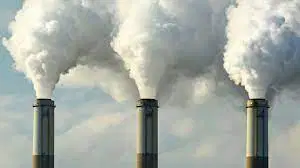
What kind of energy is represented in this picture?
a)
Thermal
b)
Potential
c)
Nuclear
d)
Mechanical
6.
A battery converts what type of energy to another?
a)
sound to kinetic
b)
light to heat
c)
mechanical to electrical
d)
chemical to electrical
7.
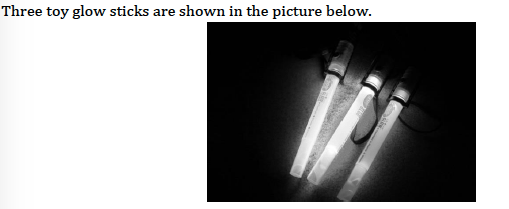
The glow sticks produce light for a short amount of time. The light from the glow stick is a conversion from what to what?
a)
thermal to light
b)
gravitational to potential
c)
radiant to electrical
d)
chemical to light
8.
Energy that is stored in bonds between atoms is:
a)
Mechanical energy
b)
Chemical energy
c)
Kinetic energy
d)
Nuclear energy
9.
What form of energy is being used when a person hits a tennis ball with a tennis racket?
a)
thermal energy
b)
sound energy
c)
light energy
d)
mechanical energy
10.
What type of energy increases as molecules move faster? 
a)
mechanical energy
b)
electrical energy
c)
thermal energy
d)
sound energy
11.
Which of the following shows an energy transformation from chemical energy to electrical to light energy?
a)
A bolt of lightning lights the night sky.
b)
A candle glows brightly in the dark.
c)
A fire in a fireplace lights up a room.
d)
A battery causes a flashlight to shine.
12.
The Law of Conservation of Energy states that...
a)
energy can be destroyed
b)
energy can not be created or destroyed
c)
energy can only be destroyed using the force
13.
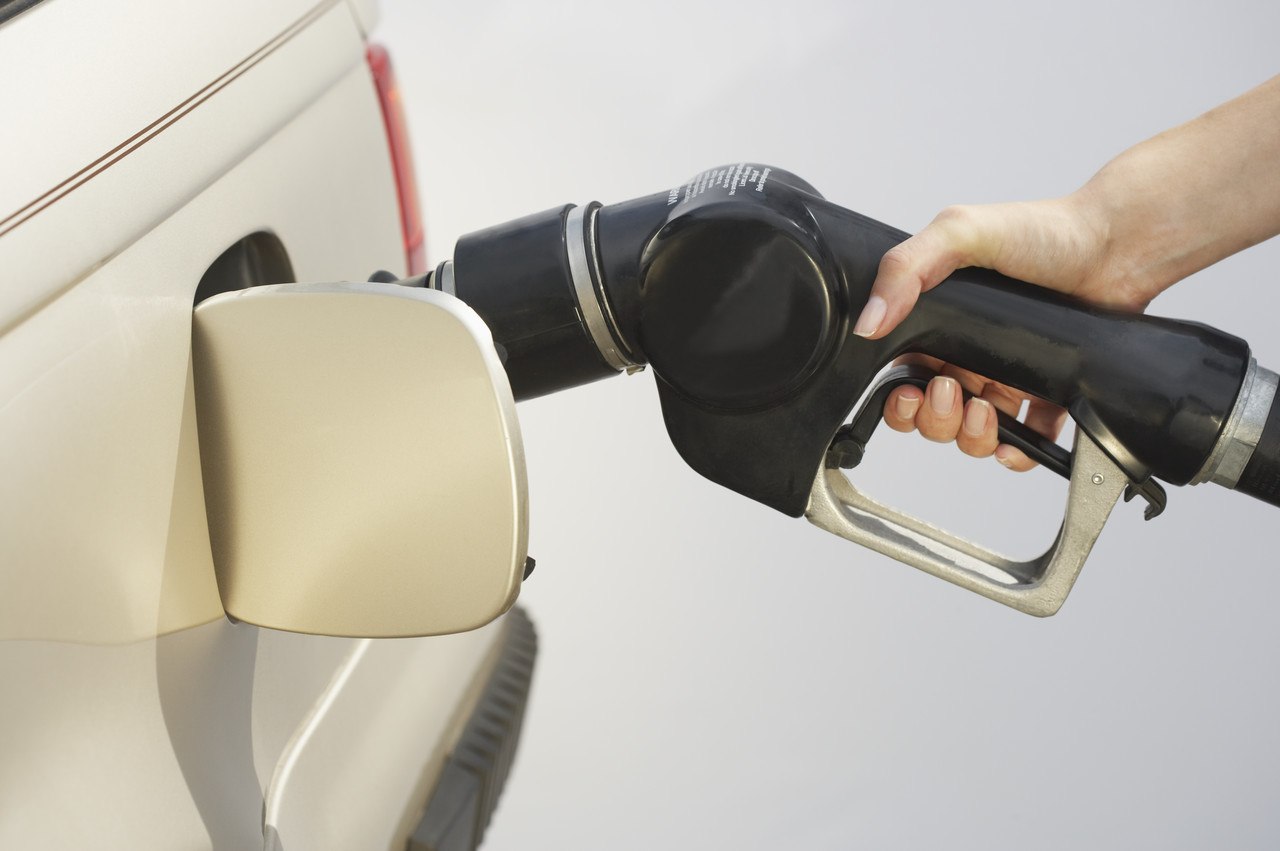
Which energy conversion is taking place when you put gasoline in a car?
a)
thermal -> electrical
b)
mechanical -> electrical
c)
chemical -> mechanical
d)
mechanical -> electromagnetic
14.

When plants convert the sun's energy into food, which is the correct transformation of energy?

a)

kinetic to chemical

b)

radiant to chemical

c)

thermal to mechanical

d)

chemical to radiant

15.
Which is responsible for creating wind?
a)
Wave Action
b)
Solar Energy
c)
Trees Blowing
d)
Gravitational Force
16.

What is a form of potential energy that is stored in bonds between atoms?

a)
Nuclear
b)
Electromagnetic
c)
Thermal
d)
Chemical
17.
An energy resource that is formed over a long time from decayed remains of ancient plants and animals.
a)
Fossil Fuels
b)
Biomass
c)
Hydropower
d)
Geothermal Energy
18.
Which of the following is NOT an example of a nonrenewable resource?
a)
Sun
b)
Coal
c)
Petroleum
d)
Natural Gas
19.
Which of the following is an example of biomass?
a)
food crops
b)
flowing water
c)
coal
d)
uranium
20.
All of the following are renewable except
a)
uranium
b)
solar
c)
hydropower
d)
food crops (biomass)
21.
The original source of energy for fossil fuels comes from the
a)
sun
b)
Earth's crust
c)
geothermal energy
d)
oceans
22.
When steam or water are used to turn a turbine, it can generate
a)
electricity
b)
oil
c)
geothermal energy
d)
uranium
23.
This fossil fuel releases the least amount of air pollution
a)
natural gas
b)
coal
c)
nuclear
d)
oil
24.
According to the graph, what sector is the greatest user of energy?
a)
industry
b)
commercial
c)
transportation
d)
residential
25.
Approximately how much energy does the transportation sector use?
a)
27%
b)
52%
c)
14%
d)
8%
26.
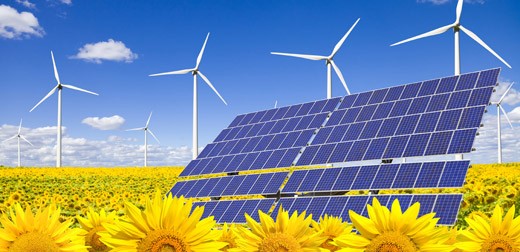
What is the best title for the following?
geothermal
solar
wind
a)
fossil fuels
b)
nonrenewable energy
c)
heat energy
d)
renewable energy
27.

What is/are the advantages of using nuclear power?

a)

A small amount of fuel can give a large amount of energy.

b)

Generating electricity by nuclear power gives off no air pollutants.

c)

Generating electricity by nuclear power produces radioactive nuclear waste.

28.
Too much __________ released into the atmosphere causes global warming.
a)
sulphur dioxide
b)
nitrogen oxides
c)
carbon monoxide
d)
carbon dioxide
29.

Which are the problems of using solar power?

a)

It provides unlimited supply of energy.

b)

A large piece of land is needed to place the solar cells.

c)

The solar cells do not work at night.

30.

Which energy source is used in the following power plant?

a)

Nuclear power

b)

Tidal power

c)

Geothermal power

d)

Hydroelectric power

31.

Which energy source is used in the following power plant?

a)

Nuclear power

b)

Tidal power

c)

Solar power

d)

Hydroelectric power

32.
A type of energy that is made by splitting uranium atoms is
a)
solar energy
b)
nuclear energy
c)
biomass energy
d)
water energy 
33.
A problem with solar energy is that it is
a)
nonrenewable
b)
costly to build 
c)
too hot
d)
used too much
34.
__________ is an energy resource that WILL NOT run out in the next several hundred years. 
a)
Renewable Energy Resource
b)
Nonrenewable Energy Resource
35.

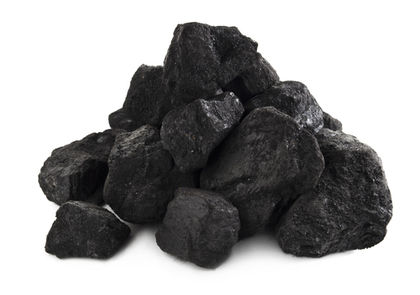
Coal is a __________ energy resource.

a)

Renewable

b)

Non-renewable

36.

Hot water is pumped up from deep inside Earth and is used to heat homes or to generate electricity. This describes...

a)

nuclear power

b)

hydroelectric power

c)

geothermal power

d)

tidal power

37.

Wind is caused by

a)

unequal heating of earth's surface

b)

earth turning

c)

the pull of the moon

d)

mechanical energy

38.
There are 3 Main Fossil Fuels. We Know Them As --
a)
Carbon Dioxide, Oxygen, Nitrogen
b)
Cookies, Nutella, Granola
c)
Coal, Oil, Natural Gas
d)
Canyons, Oceans, Nymph
39.
Nuclear Power is a __________ energy resource.
a)
Renewable
b)
Nonrenewable
40.
What is the largest concern we have with adding too much CO2 to the atmosphere?
a)
makes too many clouds
b)
contributes to a warmer planet
c)
affects our breathing
d)
disrupts solar energy
41.
One disadvantage to using coal to produce electricity is that coal -
a)
forms in a short amount of time.
b)
is abundant over a wide area.
c)
is not environmentally friendly.
d)
is relatively quite affordable.
42.
An advantage of burning coal to generate power for electricity is that coal is -
a)
Relatively inexpensive to mine and transport.
b)
available in a limited supply.
c)
found in few places in the United States.
d)
harmful for the environment.
43.
Which of the following recommendations could a community make to its citizens that would do the most to conserve energy resources?
a)
Carpool, bicycle, or walk whenever possible
b)
Keep lighting turned on when they are not in use
c)
Drivers and all passengers should wear seatbelts
d)
Recycle papers and plastics whenever possible
44.
What is missing from this process of making energy?
1. Oil is burned and heats the water.
2. Water turns to steam.
3. __________________
4. Generator makes electricity.
a)
Steam makes the generator turn.
b)
Steam turns to water again.
c)
Steam turns the turbine.
d)
Steam turns the reactor.
45.
What is a disadvantage of nuclear power?
a)
The reactor takes up too much space.
b)
It produces greenhouse gases.
c)
It produces radioactive waste.
46.
One advantage to wind power is:
a)
Wind is free.
b)
Sometimes there is no wind.
c)
Birds can get hurt in the tower.
d)
Coasts that have a lot of wind are expensive.
47.
The picture shows sunlight shining on solar panels. 
Which statement best describes this energy source?
a)
Sunlight is a renewable energy source used to produce hydropower.
b)
Sunlight is a nonrenewable energy source used to produce nuclear power.
c)
Sunlight is a renewable energy source used to produce electricity.
d)
Sunlight is a nonrenewable energy source used to produce natural gas.
48.

Which energy sources do not originate from the sun?

a)

wind, water

b)

water, geothermal

c)

geothermal, fossil fuels

d)

nuclear, geothermal

49.

What type of energy transformation occurs, when a hawk eats a mouse and then uses the energy from the mouse to fly?

a)

mechanical energy to chemical energy

b)

thermal energy to mechanical energy

c)

chemical energy to mechanical energy

d)

mechanical energy to thermal energy

50.

Which object shows an energy transformation from electrical to mechanical?

a)
b)
c)
d)
51.
What happens to the temperature if more greenhouse gases are released into the atmosphere?
a)
Temperature goes up
b)
Temperature goes down
52.
1.  Certain gases in the atmosphere – water vapor, carbon dioxide, methane and nitrous oxide – help maintain the Earth’s temperatures and climate. These are called: __________ . 
a)
A.  ozone gases
b)
A.  solar gases
c)
A.  greenhouse gases 
d)
A.  stomach gases
53.
 Which of the following activities contributes the most to carbon emissions globally?
a)
Deforestation
b)
Agriculture
c)
Burning fossil fuels
d)
Respiration
54.
What is the greenhouse effect?
a)
The warming of a planet due to trapped radiation.
b)
The cooling of Earth due to air pollution.
c)
The heating of a solid, such as a rock.
55.
The Earth acts like a greenhouse that catches and traps heat from the sun.
a)
true
b)
false
56.

The graph shows us that

a)

the earth temperature is always increasing

b)

the earth's temperature has steadily increased since 1900

c)

the earth's temperature is steadily rising since the 1960s

d)

the earth's temperature decreased during the 19th and 20th centuries

57.

Which of the following does NOT happen to solar energy when it reaches Earth?

a)

Some solar energy reflects off the atmosphere, back to space

b)

Some solar energy passes through Earth and comes out the other side

c)

Some solar energy is absorbed by land and water

d)

Some solar energy is radiated from the Earth's surface and trapped by the atmosphere

58.

When solar energy hits the earth

a)

it can be reflected by light colored surfaces like ice

b)

it can be absorbed by light colored surfaces by ice

c)

it can be reflected by dark colored surfaces like asphalt

d)

it cannot affect processes that occur on earth

59.

According to the diagram, what can happen when solar energy hits clouds in Earth's atmosphere?

a)

it can be reflected or absorbed

b)

it can only be absorbed

c)

it can only be reflected

d)

it is neither reflected nor absorbed

60.

True or False:

An unbalanced energy budget can increase or decrease global temperatures and disrupt the balance of energy in Earth's system.

a)

True

b)

False

61.

What amount of incoming solar energy is absorbed by Earth's surface?

a)

23%

b)

51%

c)

49%

d)

15%

62.

Stir frying vegetables is an example of

a)

Convection

b)

Conduction

c)

Radiation

63.

Hot water rises and cold water sinks. Is this:

a)

Convection

b)

Conduction

c)

Radiation

64.
The sun shines down on this family as the play on the beach.
a)
conduction
b)
convection
c)
radiation
65.

Cold Pack on Person

a)

Heat is transferred from the cold pack to the person.

b)

Heat is transferred from the person to the cold pack

c)

The cold pack is getting colder. The person is getting warmer.

66.

Convection, conduction or radiation?

The reason heating vents are usually placed in the floor of homes in the North.

(a)  

67.

Convection, conduction or radiation?

Heat you feel from an electric blanket

(a)