Worksheets
2019-2020 Biology Final Semester 1
Total questions: 66
Worksheet time: 1hrs 6mins

How many electrons does an atom of magnesium have?
10
11
12
24

How many neutrons does an atom of magnesium have?
10
11
12
24

How many electron shells does an atom of magnesium have?
1
2
3
4

How many valence electrons does an atom of magnesium have?1
1
2
3
4

Lewis makes sugar cookies with different amounts of sugar. He wants to see if cookies with more sugar sell better than cookies with less sugar. He counts the number of cookies sold to find out his answer. What is the dependent variable?
Amount of sugar used
Number of cookies sold
Number of customers
Lewis makes sugar cookies with different amounts of sugar. He wants to see if cookies with more sugar sell better than cookies with less sugar. He counts the number of cookies sold to find out his answer. What is the independent variable?
Amount of sugar used
Number of cookies sold
Number of customers
The number of living organisms that an environment can support
keystone species
carrying capacity
limiting factors
resilience
The living components of an ecosystem
abiotic factors
biotic factors
predator-prey
parasitism

What is the carrying capacity of the graph?
1000
8000
800
600

What happens if a population grows past its carrying capacity?
The population keeps growing
The population starts to die off
The entire species will go extinct
The carrying capacity just increases
The variation of life forms within an ecosystem or across the planet...
population
species
organism
biodiversity
A species that kills and eats other organisms for food...
predation
prey
predator
parasitic

What is the ultimate source of energy for most organisms?
The Sun
The Earth
Plants
Producers
What is 10% of 55,000?
55,000
5,500
550
55

Kilocalories (kCal) is a measure of energy. If there are 1000 kCal available for the producers in feeding (trophic) level #1, how much energy is available for the secondary consumers feeding (trophic) level #3? (Hint: use the Rule of 10s)
10 kCal
1 kCal
100 kCal
1000 kCal

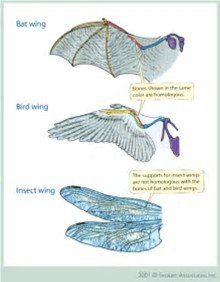
Are these wings homologous, vestigial, or analogous structures?
Homologous
Vesitigial
Analogous

A German Shepard would probably not survive in the wild because...
the dog is mixed
the dog is a product of artificial selection and not adapted for the wild.
the dog is a product of natural selection and is not well fit for the environment

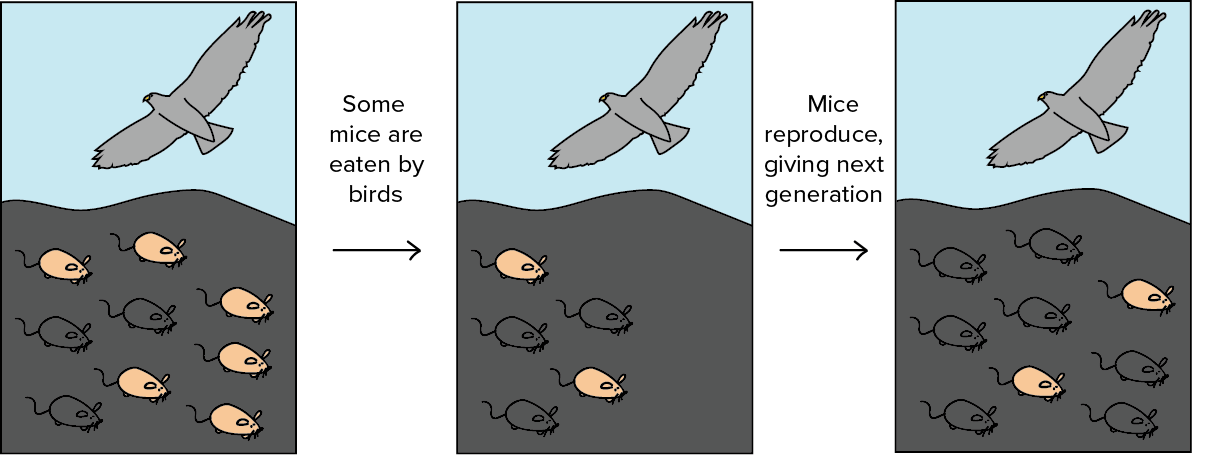
What is the definition of natural selection?
The process in which genes are chosen by humans such as farmers and ranchers
The process in which organisms are chosen by environmental pressures such as climate, available food, predators and habitat.
If an organism changes during their life in order to adapt to its environment, those changes are passed on to its offspring.
The process in which genes are chosen by scientist and academics.

The phrase "Survival of the Fittest" would best describe...
Natural Selection
Artificial Selection
Selective Breeding
Inheritance of Acquired Characteristics
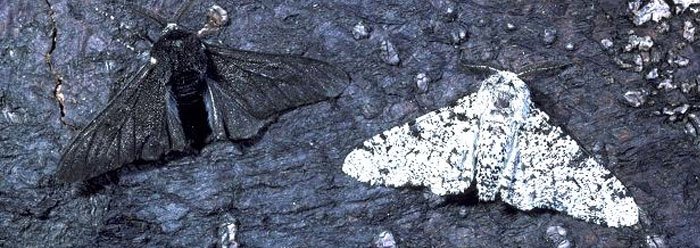
The trees these moths used to live on were white, but have been covered in soot from coal factories. Which moth will be more successful in this new, darker environment?
Dark moth
Light moth
Both will be equally successful
Neither will be successful


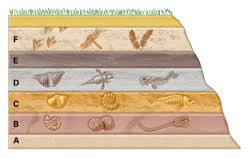
What type of evidence is represented in the picture above:
Fossils
Vestigial Structures
DNA
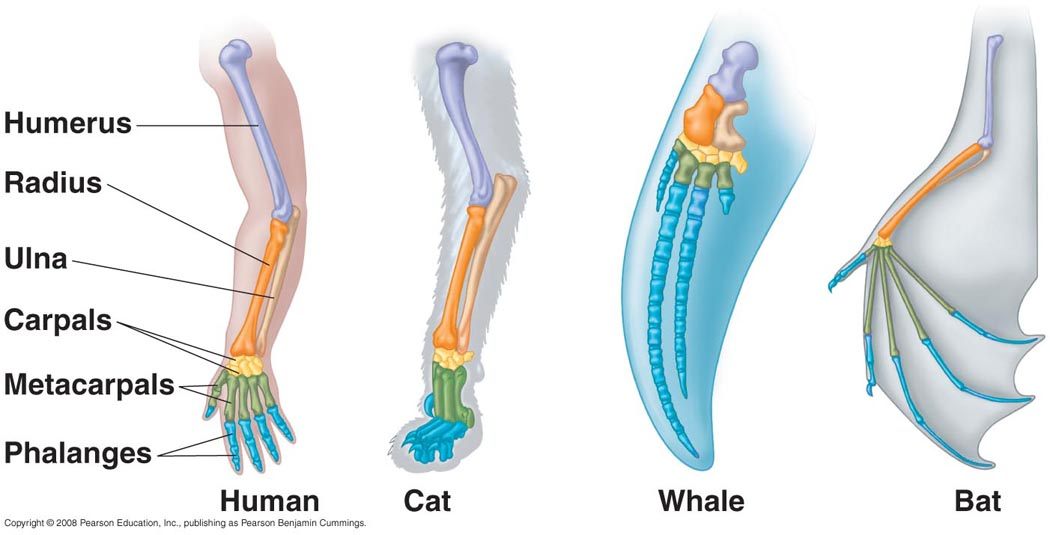
Homologous Structures

Biogeography means...
description of Earth's life
living maps
Earth's graphics interchange format
climate of the Earth


What is the independent variable?
atomic number
electron volts
first ionization energy
Jim Askew's Graph


The Mayfly is a food source for which 3 organisms?

Al + O2 --> Al2O3

This volcano is an example of something you would find in the:
Atmosphere
Biosphere
Hydrosphere
Lithosphere
When carbon dioxide dissolves from the air into the ocean- the interaction is between...
The atmosphere and lithosphere
The atmosphere and hydrosphere
The atmosphere and biosphere
The atmosphere and atmosphere

In which eukaryotic organelles does photosynthesis occur?
mitochondria
stomata
xylem
chloroplast


The main function of stomata is to
capture sunlight
protect leaves from insects
allow gases to move rapidly in/out of leaves
release sugars into the atmosphere