
 Worksheets
5 SC Unit 4 Review
Total questions: 100
Worksheet time: 3hrs 29mins
Which of the following is NOT a property of soil?
Color
Texture
Where it's located
Ability to retain water

Moana is using the chart below to categorize soil. What property of soil is she finding?
ability to support plant growth
water retention
texture
color

If Carol poured 500 mL of water into the soil and 400 mL can now be found in the jar, then the other 100 mL must have been-
retained
drained
lost in space
in the bathroom sink
Which soil would retain the least amount of water?
gravel
silt
sand
clay

How was this arch formed?
Animals dug a hole through the rock.
Fire created it.
A plants roots grew into the rock and broke it.
Sand blew against the rock to change it's shape.

How can trees prevent erosion?
Roots protect the soil from being washed away.
Leaves help to shelter the insects that live in the soil.
Branches help to shade and keep the soil cool.
Roots grow through rocks and change their shape.
What does erosion carry away?
soil and rocks
lakes and rivers
light and sound
wind and water
What is a glacier?
A rocky, flat area at the bottom of the ocean
a plain that is grassy and has very few trees.
an area that is very hot and gets very little rain
a large body of ice that moves very slowly
What happens during a landslide?
Magma moves up from the mantle and erupts.
Large pieces of land break off and slide down.
The ground freezes and melts when it is warmer
Water in streams and rivers overflows the banks.
What is melted rock from the mantle called after it has erupted from a volcano and reached the surface?
plate
magma
lava
crust
Which sentence about volcanoes is FALSE?
Volcanoes give rich soil that is good for farming.
Volcanoes can erupt and the lava can form islands.
Volcanoes can spit out ash, molten rock, and gases.
Volcanoes are all active and can erupt at any time.

Define delta.
a narrow stretch of land connecting two larger areas
a point of land that extends into a river, lake or ocean
a body of land jutting into a lake or ocean surrounded by water on three sides
a flat, low-lying land built up from soil carried downstream by a river and deposited at its mouth

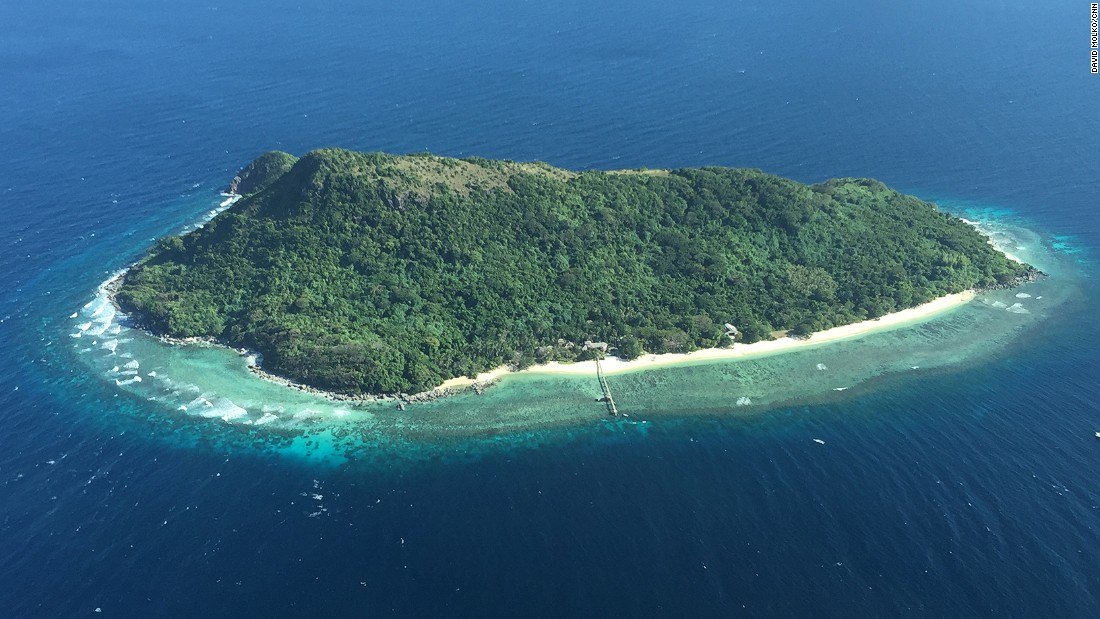
Define island.
a sizable inland body of water
a large body of water completely or partly surrounded by land
land area, smaller than a continent surrounded by water
a body of land jutting into a lake or ocean surrounded by water on three sides

Find the correct definition of the underlined word, mountain.
a narrow stretch of land connecting two larger areas
land with steep sides that rises sharply (1,000 feet or more) from the surrounding land
an area of flat or rolling land at high elevation
a narrow stretch of water joining two larger bodies of water

What is a plateau?
an area of level land, usually at low elevation and often covered with grasses
an area of land drained by a given river and its branches
land usually level, at low elevation
an area of flat or rolling land at high elevation

Find the correct definition of the underlined word, plain.
an area of level land, usually at low elevation and often covered with grasses
an area of land drained by a given river and its branches
land usually level, at low elevation
an area of flat or rolling land at high elevation

What is a volcano?
a mountain or hill created as liquid rock and ash erupt from inside the earth
land with steep sides that rises sharply (1,000 feet or more) from the surrounding land
a large land mass that rises above the ocean
an area of flat or rolling land at high elevation

Find the correct definition of the underlined word, continent.
an area of level land, usually at low elevation and often covered with grasses
a mountain or hill created as liquid rock and ash erupt from inside the earth
a large land mass that rises above the ocean
an area of flat or rolling land at high elevation
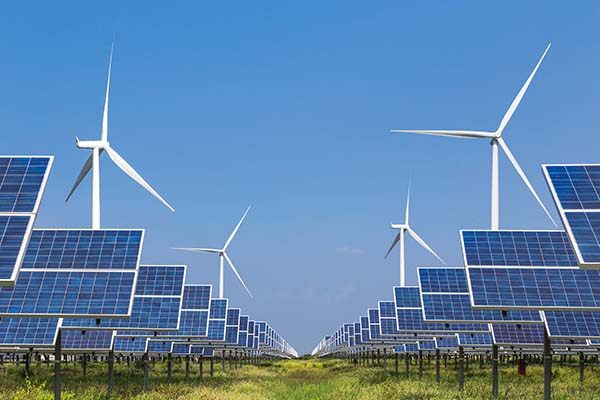
What are renewable resources?
A limited amount and cannot be replaced in a human life time.
Plastic bags
Coal, oil, and natural gas
Can be replaced in our lifetime through natural processes
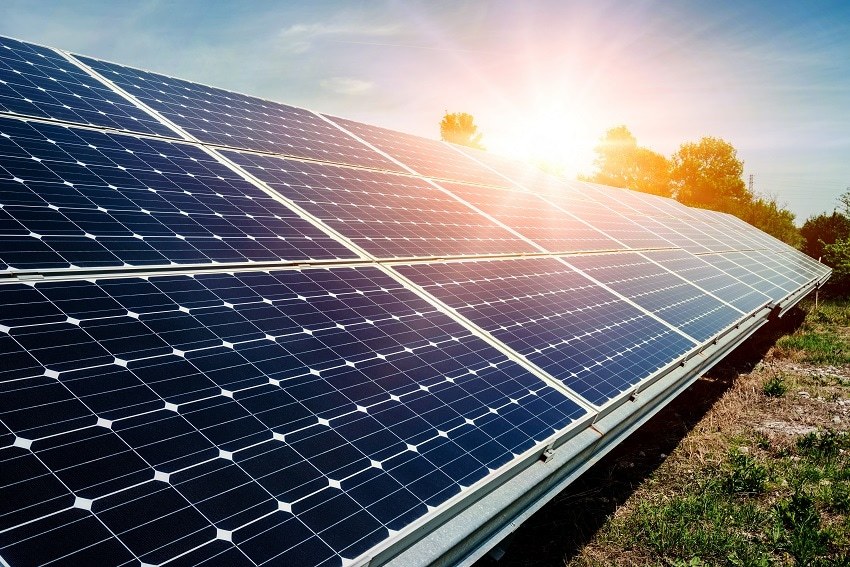
Sunlight is...
Very bright
Will eventually run out soon
A renewable resource
A nonrenewable resource
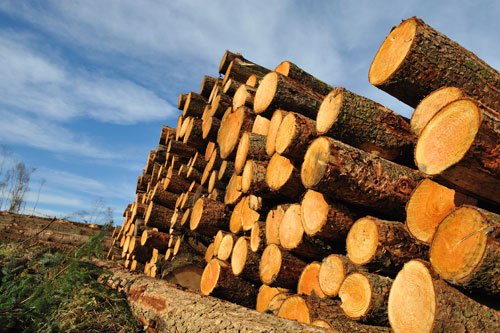
Wood is...
A renewable resource
A nonrenewable resource
Used to make oil
Used to make plastic
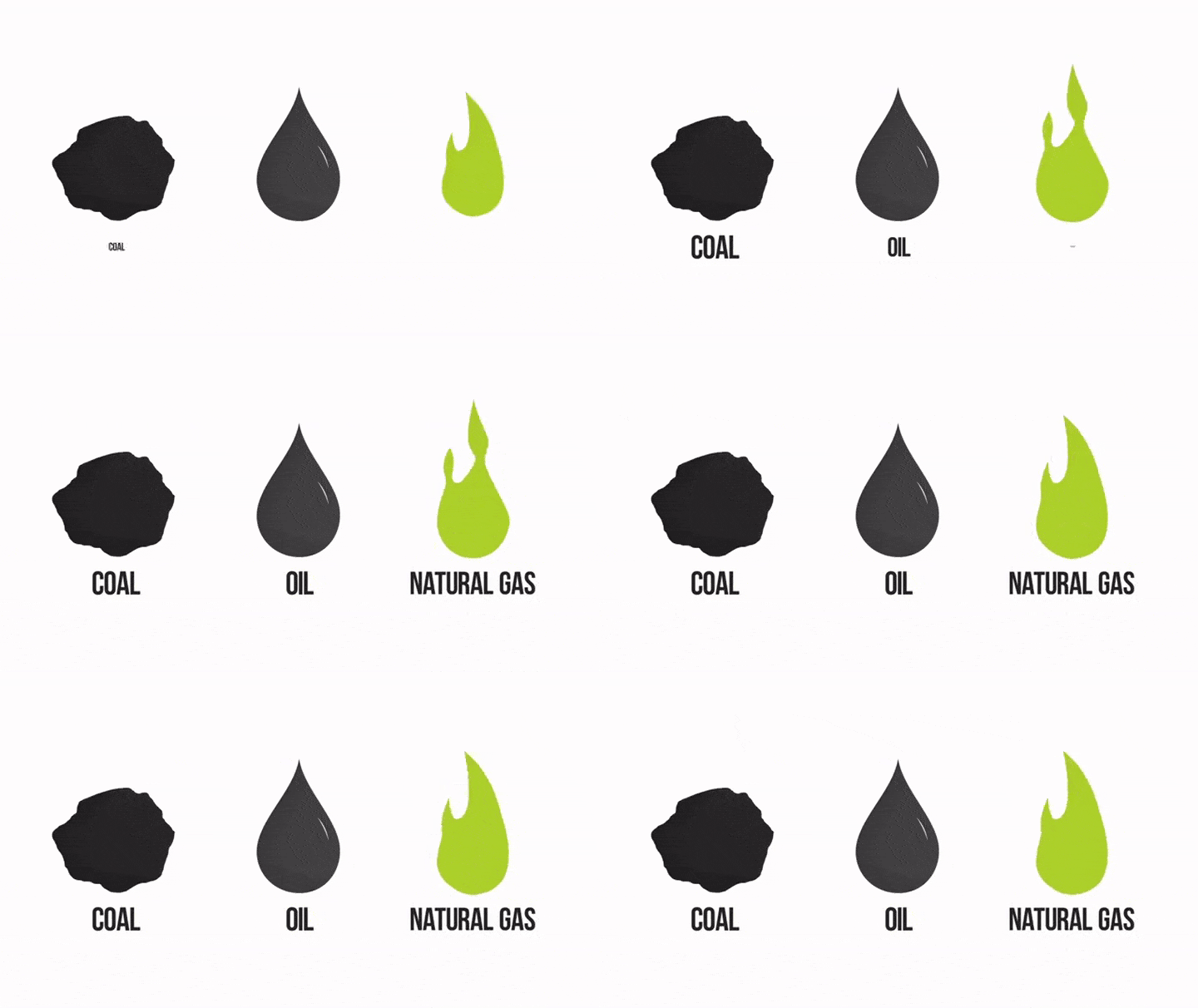
A group of non-renewable resources, called ______________, include coal, oil, and natural gas.
Fossils
Energy
Resources
Fossil fuels
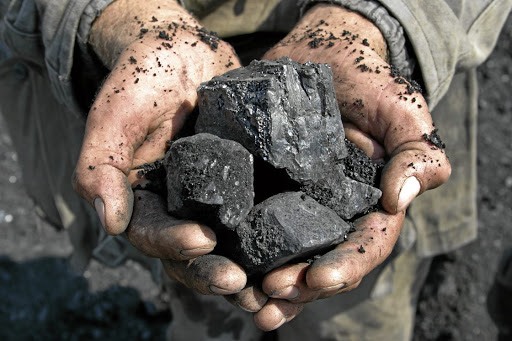
Coal comes from...
from animals that died millions of years ago.
from plants that died millions of years ago.
A factory
Burning fossil fuels
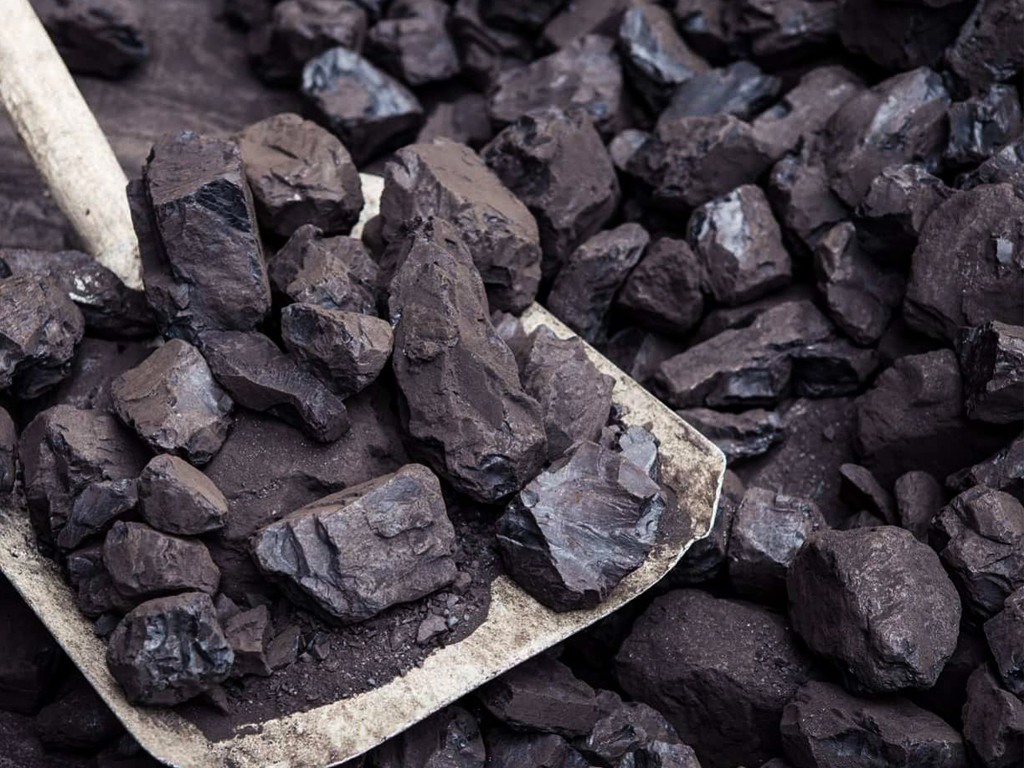
We can get energy from coal by...
Breaking it down
Digging it up
Burning it
Rubbing it together
_________ comes from tiny animals that died in the ocean millions of years ago.
Natural gas
Oil
Gasoline
Coal
How can we conserve energy?
use less coal, oil, and natural gas.
use fabric bags instead of plastic.
use public transportation instead of driving a car.
All of the above
This is a renewable energy resource that must be conserved.
Wood
Oil
Natural gas
Coal
Some renewable and non-renewable resources can hurt the environment. Which statement is true?
Burning wood can pollute our atmosphere
Burning coal releases gases and smoke into the atmosphere.
Oil spills in the ocean can affect ships.
Wind energy can cause harm to plants.

Gasoline and plastic are made from...
Plants
Minerals
Oil
Minerals
Which statement is true?
Oil is an example of a renewable resource.
Humans are a renewable resource
Wood is an example of a nonrenewable resource.
Fish are an example of a renewable resource.
How so we get energy from the sun?
Sunlight can generate electricity straight from the sky.
Solar panels use the sun to power turbines.
Solar panels can convert sunlight into electrical energy.
Solar panels generate their own electricity.
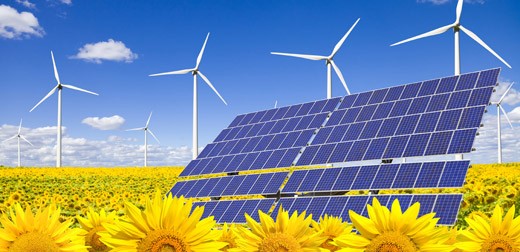
__________ is an energy resource that WILL NOT run out in the next several hundred years.
Renewable Energy Resource
Nonrenewable Energy Resource
Fossil fuels
biodegradable

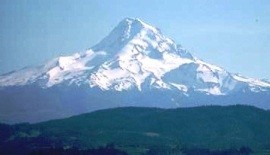
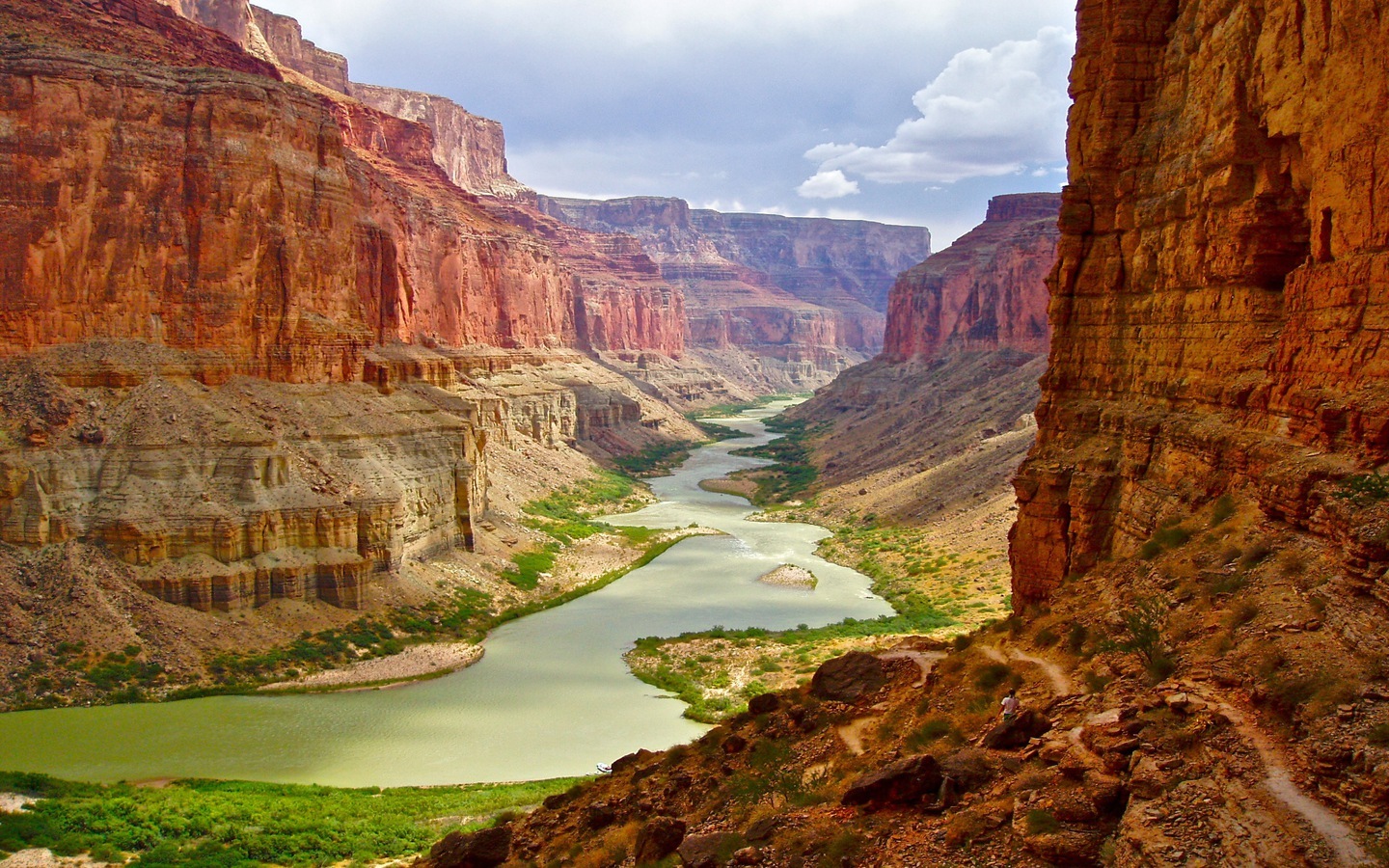
This landform is a -
Canyon formed by water.
V shaped valley formed by water.
U shaped valley formed by ice.
U shaped valley formed by water.

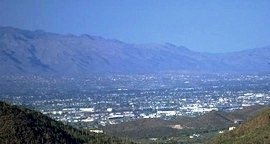
This landform is a -
Canyon formed by water.
V shaped valley formed by water.
U shaped valley formed by ice.
U shaped valley formed by water.

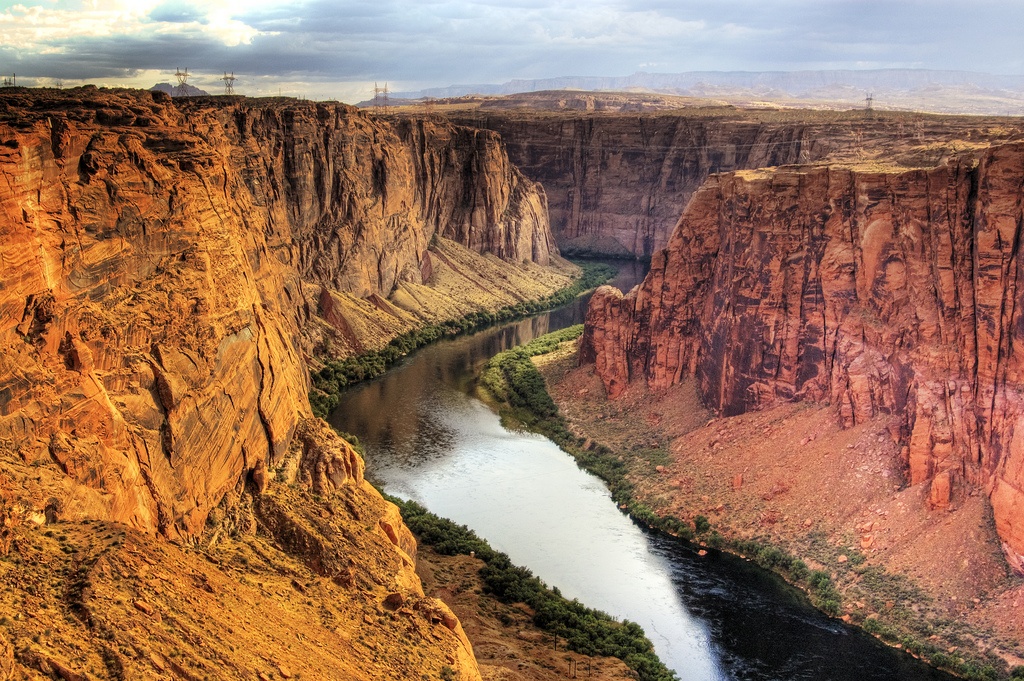
This landform is a -
Canyon formed by water.
V shaped valley formed by water.
U shaped valley formed by ice.
U shaped valley formed by water.

While on vacation, a student took a picture of a valley. The student explained that this valley was formed by a glacier(ice). How do we know that the valley was formed by ice?
This is a V shaped valley. V shaped valleys are formed by ice.
This is a U shaped valley. U shaped valleys are formed by ice.
There is no valley in this picture. The lake has water.
The student is incorrect. The valley was formed by water.

This landform is a -
Canyon formed by water.
V shaped valley formed by water.
U shaped valley formed by ice.
U shaped valley formed by water.

This landform is a -
Canyon formed by water.
V shaped valley formed by water.
U shaped valley formed by ice.
U shaped valley formed by water.

This landform is a -
Canyon formed by water.
V shaped valley formed by water.
U shaped valley formed by ice.
U shaped valley formed by water.

This landform is a -
Canyon formed by water.
V shaped valley formed by water.
U shaped valley formed by ice.
U shaped valley formed by water.


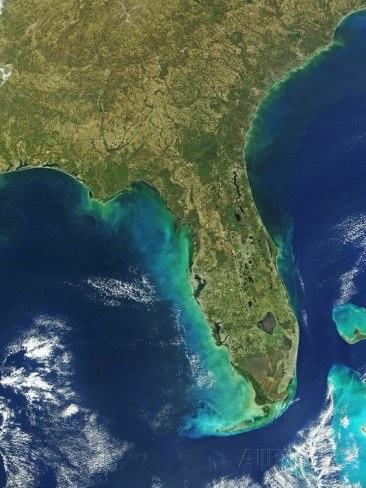


A triangular landform where a river empties into another body of water.
Landform
Canyon
Delta
Valley
A deep gorge in the surface of Earth formed by the erosion of moving water and sediment.
Valley
Delta
Canyon
Landform
Hills formed by wind blowing, moving and depositing sand.
Valley
Dune
Delta
Canyon
The build up of land by the settlement of sediments and soil in a new location.
Weathering
Erosion
Deposition
River
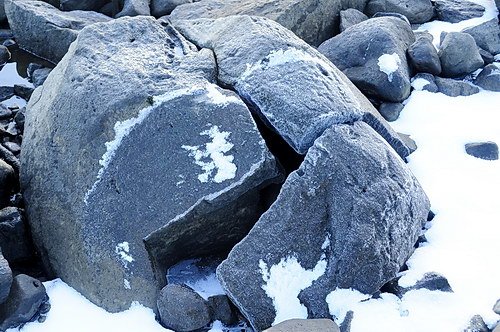
The gradual wearing down of something by wind, water, ice, and other natural forces.
Weathering
Erosion
Deposition
Rivers
The movement of sediment down a fast-moving river.
Weathering
Erosion
Deposition
River
A long depression, or ditch, in Earth's surface. It usually lies between ranges of hills or mountains. Most are formed by glaciers that weather and erode the sides of the mountains.
Delta
River
Canyon
Valley

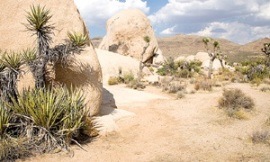
This landform is formed by
water erosion
wind erosion
deposition
glaciers

This landform is formed by
water erosion
weathering
deposition of sediments
glaciers

This landform is formed by
water erosion
wind erosion and deposition
glaciers
weathering


Which natural resource found in the region marked with an X is formed in this process?

According to the above information and image, what does the fossil tell us about the nature of the environment in the past?


The model below shows layers of sediment on the floor of an ocean. Which of the following best explains how these layers can become rock over many years?
Sand in the sediment melts and turns into rock.
The weight of the water compacts the sediment into rock.
Changing water temperatures turn sand in the sediment into rock.
Pollution caused by humans turns the sediment into rock.

The diagram below shows the sequence of the processes that turn solid rock into sandstone. Which two processes best complete this diagram?
Melting and cooling
Erosion and compaction
Compaction and cementation
Evaporation and dissolving
Sedimentary rocks form when broken bits of other rock are deposited and then –
buried and squeezed and cemented together.
melted by the heat of the Earth’s core.
completely dissolved in salt water in the ocean.
used by humans as a natural resource.

Several layers of sedimentary rock are illustrated. They are in the same order as when they first formed. Which layer formed first?
Rock Layer W
Rock Layer X
Rock Layer Y
Rock Layer Z
Which of the following is a process that creates the sediments that form sedimentary rock?
Wind, water, and ice breaking rock into smaller pieces
Heat from the earth melting rock below the surface
Volcanoes putting out lava that cools to form new rock
Continents pushing together to fold layers of rock
The liquid form of fossil fuels is ___.
coal
petroleum
natural gas
gasoline
The gas form of fossil fuels is ____.
petroleum
natural gas
coal
heat
The solid form of fossil fuels is _______.
petroleum
crude oil
natural gas
coal
Which of the following is NOT TRUE of fossil fuels?
They are non-renewable.
They produce harmful pollution.
They can easily be replaced as they are used.
They are inexpensive.
Fossil fuels were formed from ____.
the remains of once living organisms.
the earth.
solids, liquids, and gases, made millions of years ago.
sun and water.

