wayground logo

Free Printable Worksheets

Font size

S
M
L
XL
Worksheets

chemical physical changes

Total questions: 100

Worksheet time: 2hrs 33mins
Name
Class
Date
1.

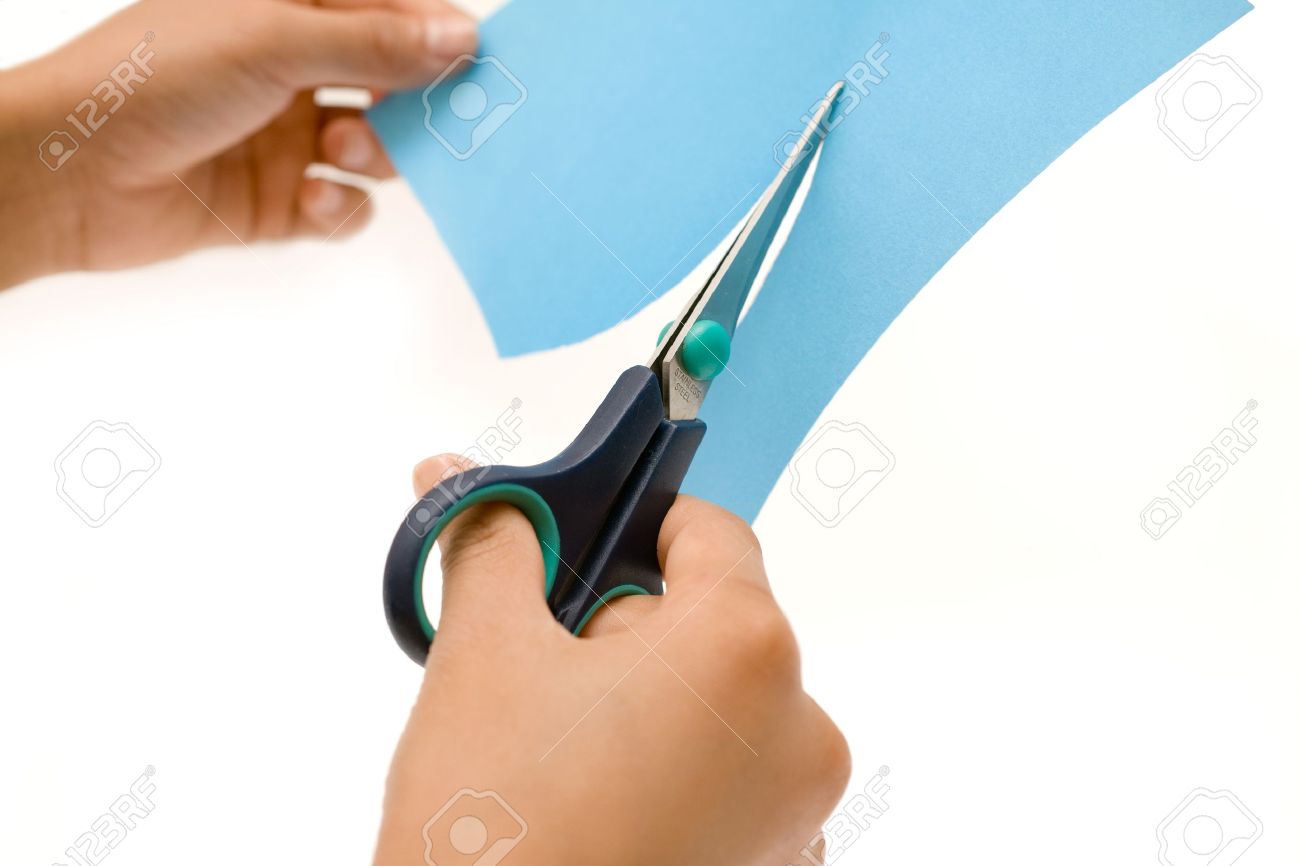
What kind of change is cutting paper?
a)
b)
2.

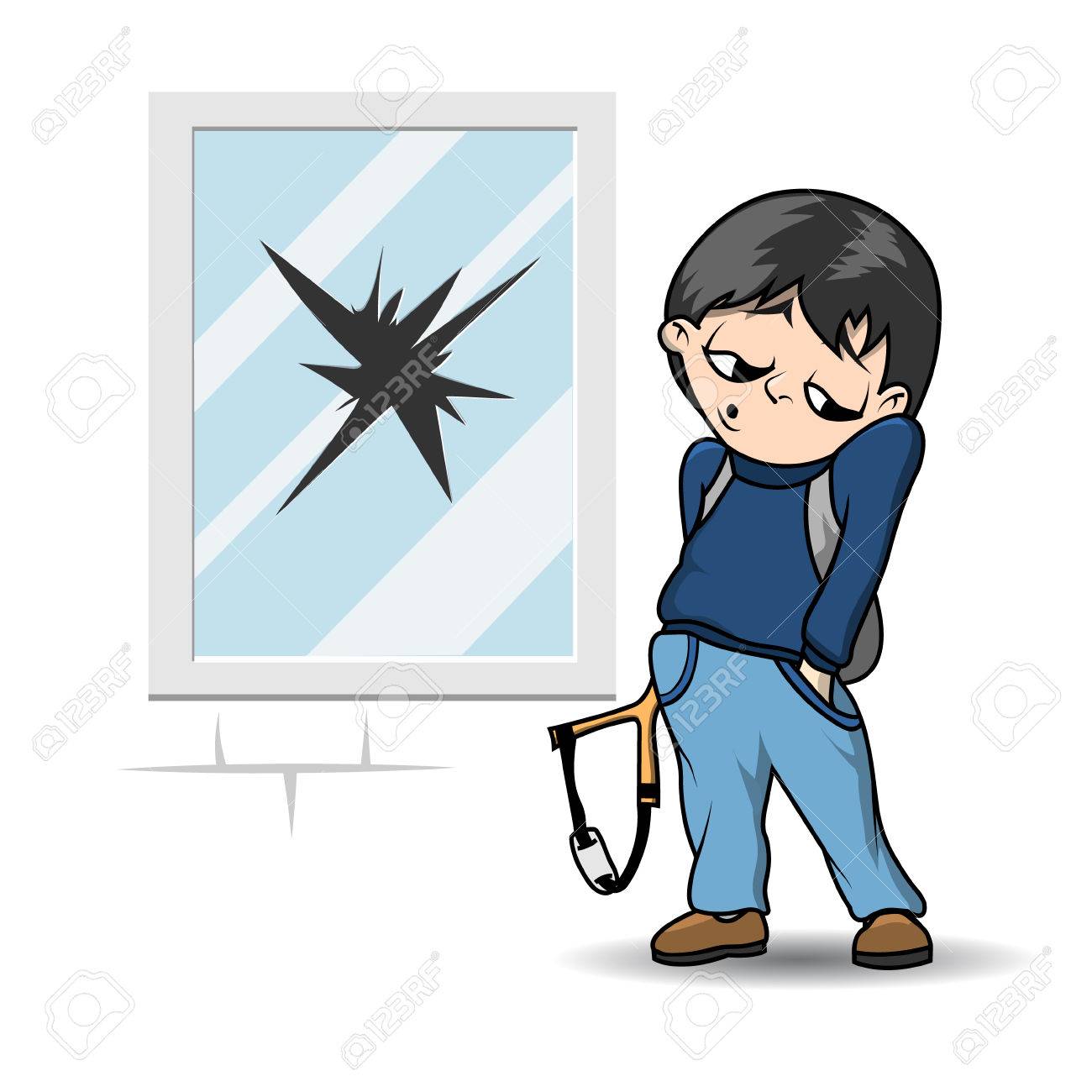
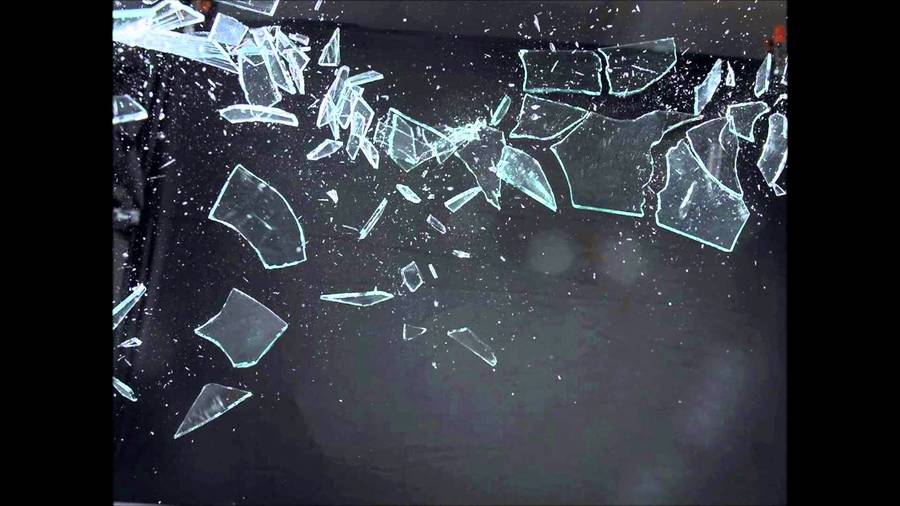
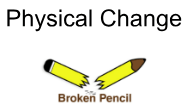
What kind of change is breaking a window?
a)
b)
3.

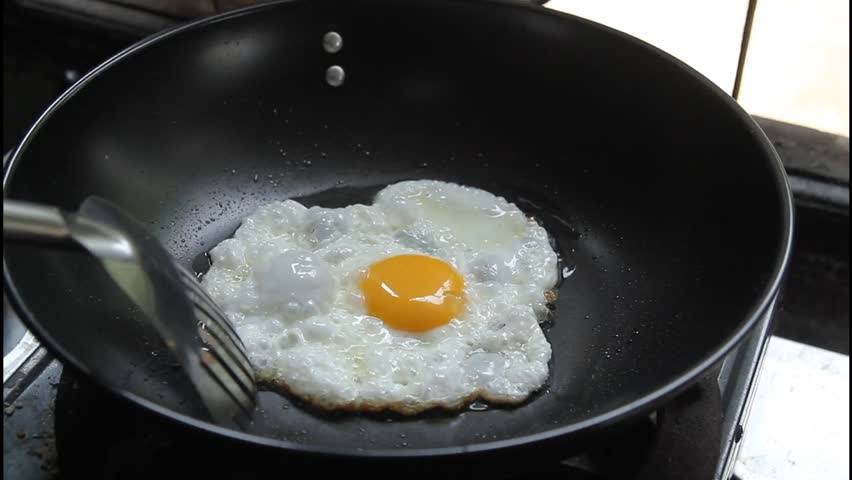
What kind of change is frying an egg?
a)
b)
4.

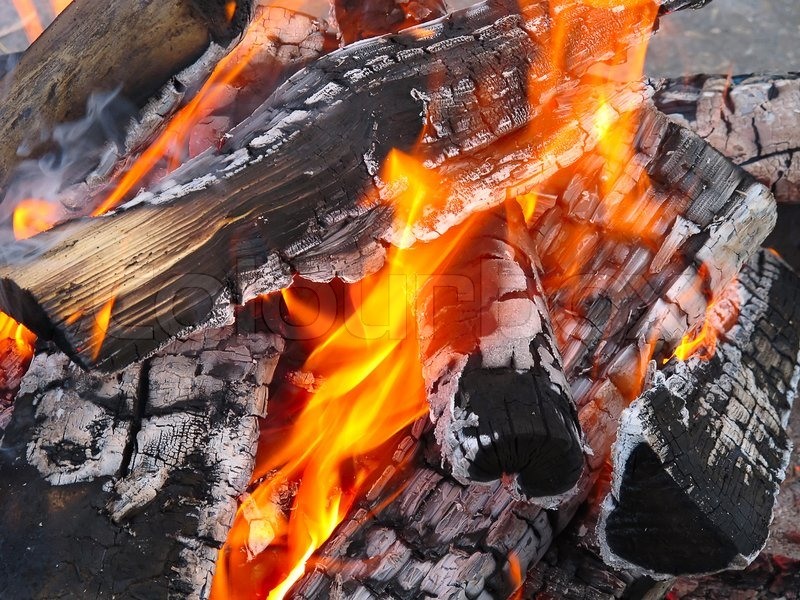
What kind of change is burning wood?

a)
b)
5.

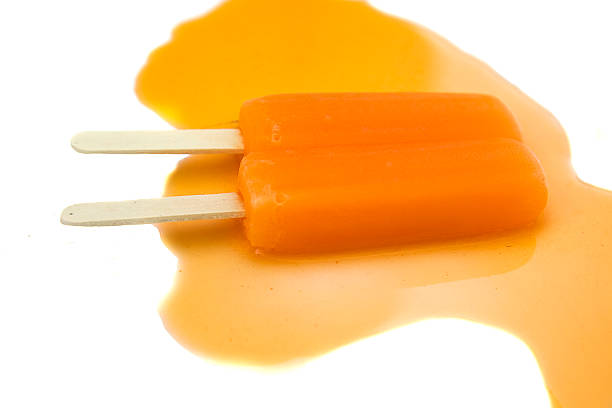
What kind of change is a melting popsicle?
a)
b)
6.

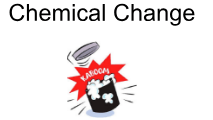
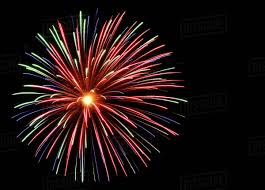
What kind of change is exploding fireworks?

a)
b)
7.

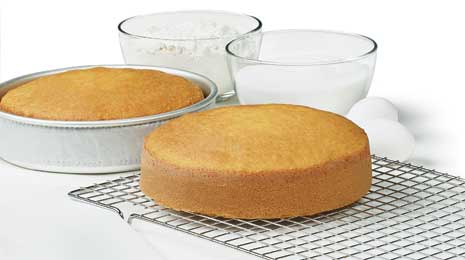
What kind of change is baking a cake?
a)
b)
8.

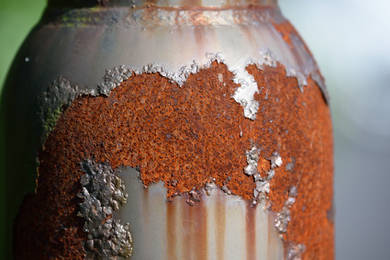
What kind of change is metal rusting?

a)
b)
9.

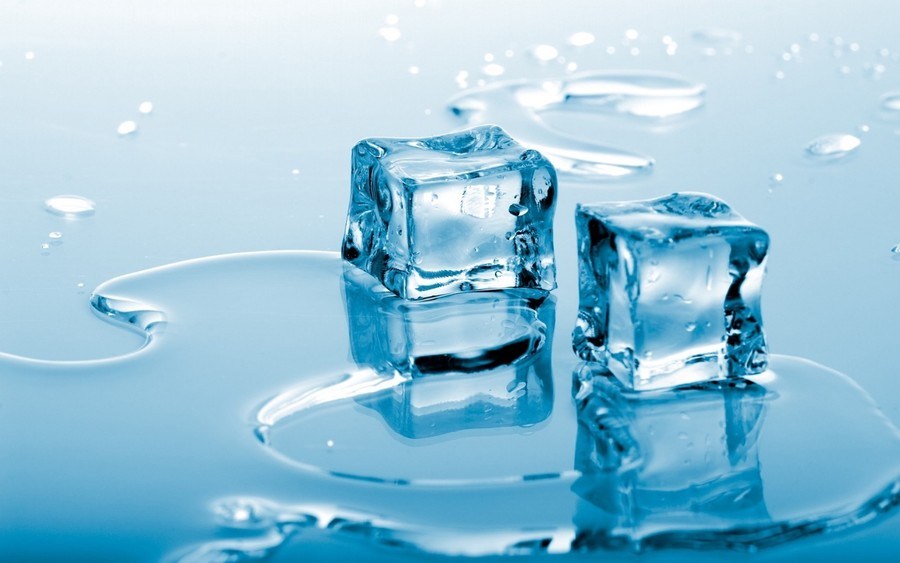
What kind of change is freezing water into ice cubes?

a)
b)
10.

What kind of change is crushing a soda can?

a)
b)
11.

What kind of change is cutting your hair?

a)
b)
12.

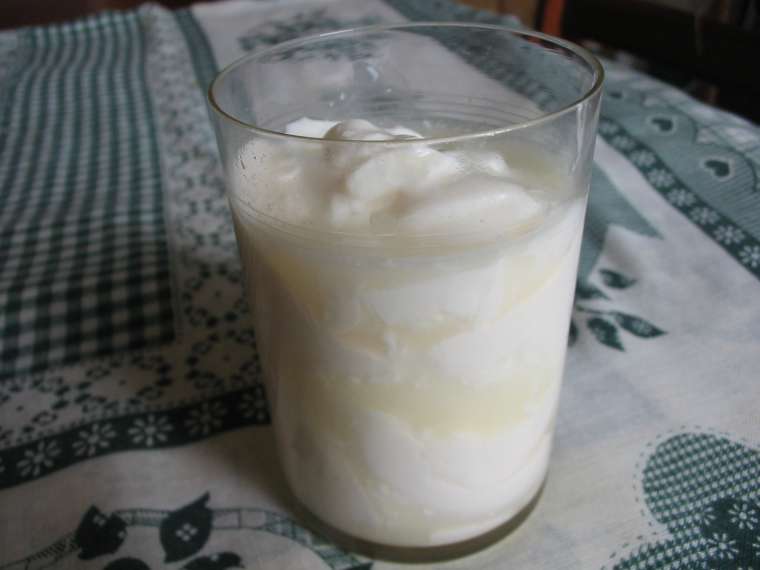
What kind of change is a rotting banana?

a)
b)
13.

What kind of change is toasting bread?

a)
b)
14.

What kind of change is mixing vinegar & baking soda?

a)
b)
15.

What kind of change is squeezing juice out of an orange?

a)
b)
16.
Can a same substance undergo both physical and chemical changes.
a)
True
b)
False
17.
How do we know if it is a chemical change?
a)
can be undone
b)
cannot be undone
c)
both
d)
none
18.
Physical changes size and shape of something?
a)
False
b)
True
19.
Ice can be a physical change?
a)
False
b)
True
20.
When something new is created or a substance is broken down into diffrent chemicals, you have a chemical change.
a)
True
b)
False
21.
What is photosynthesis?
a)
when energy is expose. 
b)
when water and oxygen is composed.
c)
when plants turn carbon dioxide and water into energy. 
d)
none
22.
What kind of properties can only be observed when a substance changes into a different substance?
a)
physical properties
b)
chemical properties
c)
liquid properties
d)
real properties
23.
Is hammering wood together to build a house a chemical or physical change?
a)
chemical
b)
physical
24.
Is burning wood a chemical or physical change?
a)
chemical
b)
physical
25.
Which is a physical change?
a)
burning match 
b)
vinegar in baking soda 
c)
melting butter
d)
cooking an egg
26.
What is an example of a Chemical change?
a)
Ripped paper 
b)
boiled egg
c)
cracked egg
d)
sugar in water
27.
Cutting a log in to small pieces is a chemical change.
a)
true
b)
false
28.
The melting of wax is an example of a
a)
chemical change
b)
physical change
29.
Digesting your food is an example of 
a)
chemical change
b)
physical change
30.
KMnO4
How many atoms of oxygen are in this molecule?
a)
1
b)
2
c)
4
d)
6
31.
Is milk going sour a physical or chemical change?
a)
Physical 
b)
Chemical
32.
Is gatorade powder dissolving in water physical or chemical change?
a)
Physical 
b)
Chemical
33.
Is the formation of the grand canyon a physical or chemical change?
a)
Physical 
b)
Chemical
34.
Rust on an iron bar is an example of chemical change.
a)
True 
b)
False
35.
Glass Breaking
a)
Physical
b)
Chemical
36.

A green powder is heated & a gas is given off while it turns to a black solid. This describes

a)

Physical Change

b)

Chemical Change

c)

Change in State

d)

Change in Temperature

37.

A Chemical Change is also known as what?

a)

Physical Change

b)

Physical Property

c)

Chemical Reaction

d)

Chemical Property

38.

Which of the following could indicate that a chemical change took place?

a)

Change in color

b)

Production of Energy

c)

Formation of Gas

d)

All are correct

39.

The formation of a solid when two liquids combine is called?

a)

Solidification

b)

Freezing

c)

Precipitate

d)

Solubility

40.

The difference between a Physical change and a Chemical change is…

a)

Physical change is only a change to the outside appearance.

b)

Chemical change is when matter is changed into something new.

c)

Atoms are rearranged in chemical changes & not in physical.

d)

All are correct.

41.

What does a chemical change result in?

a)

A change in state of the substance (ex. liquid to solid)

b)

A change in texture of the substance.

c)

A change in the way atoms are bonded to each other.

d)

A change in the appearance of the substance.

42.

Which type of change is most often easily reversed?

a)

Chemical

b)

Physical

c)

Both a physical and chemical change.

d)

Neither a physical or chemical change.

43.

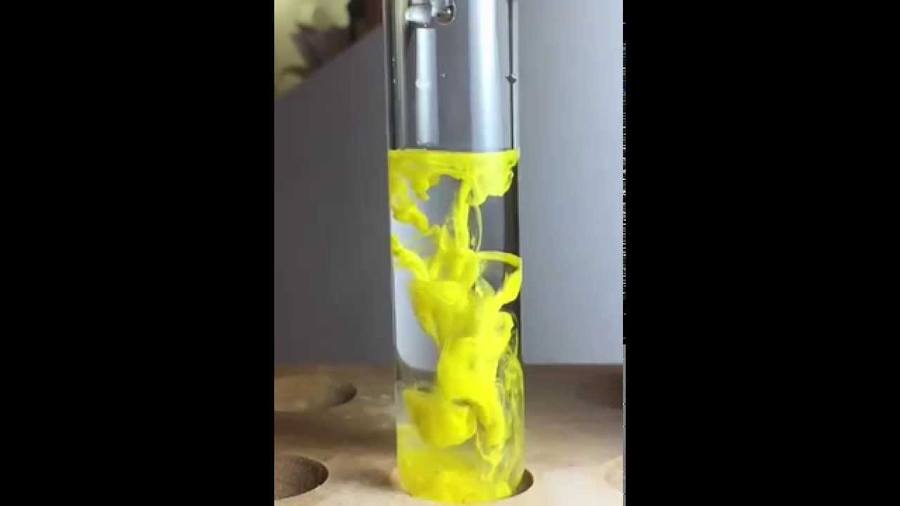
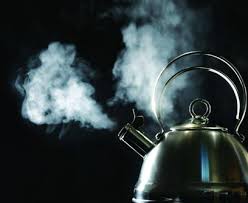
Identify what type of change happening in the picture below...

a)

Chemical Change

b)

Physical Change

c)

Endothermic Reaction

d)

Exothermic Reaction

44.

Identify what type of change happening in the picture below...

a)

Chemical Change

b)

Physical Change

c)

Endothermic Reaction

d)

Exothermic Reaction

45.

Identify what type of change happening in the picture below...

a)

Chemical Reaction

b)

Physical Change

c)

Change in State

d)

Change in appearance only

46.

If the chemical properties of a substance remain unchanged & the appearance or shape of an substance changes it is a...

a)

Chemical Change

b)

Physical Change

c)

Both a physical and chemical change.

d)

Neither a physical or chemical change.

47.

Which of the following is an example of a physical change?

a)

A glass falling and shattering on the floor.

b)

Baking a birthday cake.

c)

Burning a piece of paper.

d)

Baking soda and vinegar mixing together.

48.

When a new substance is formed with different properties than the original substance it is called a...

a)

Chemical change

b)

Physical change

c)

Change in State

d)

Change in appearance only.

49.

Which type of change are irreversible?

a)

Chemical Changes

b)

Physical Changes

c)

Changes in State

d)

Changes in Temperature

50.

Which is not a clue that could indicate a chemical change has occurred?

a)

Change in color

b)

Change in shape

c)

Release of energy

d)

Formation of an odor

51.
Which of the following is a sign that a chemical reaction has occurred?
a)
change in shape
b)
melting
c)
formation of a gas
d)
dissolving
52.
Is melting butter for popcorn a chemical or physical change?
a)
chemical
b)
physical
53.
A solid piece of chocolate is melted and changed to liquid form. Which property of the piece of chocolate will remain the same?
a)
Texture
b)
Temperature
c)
Shape
d)
 Mass
54.
Which of the following is NOT an example of a physical change?
a)
crumpled paper
b)
pencil sharpening
c)
shrunken clothing
d)
rust
55.
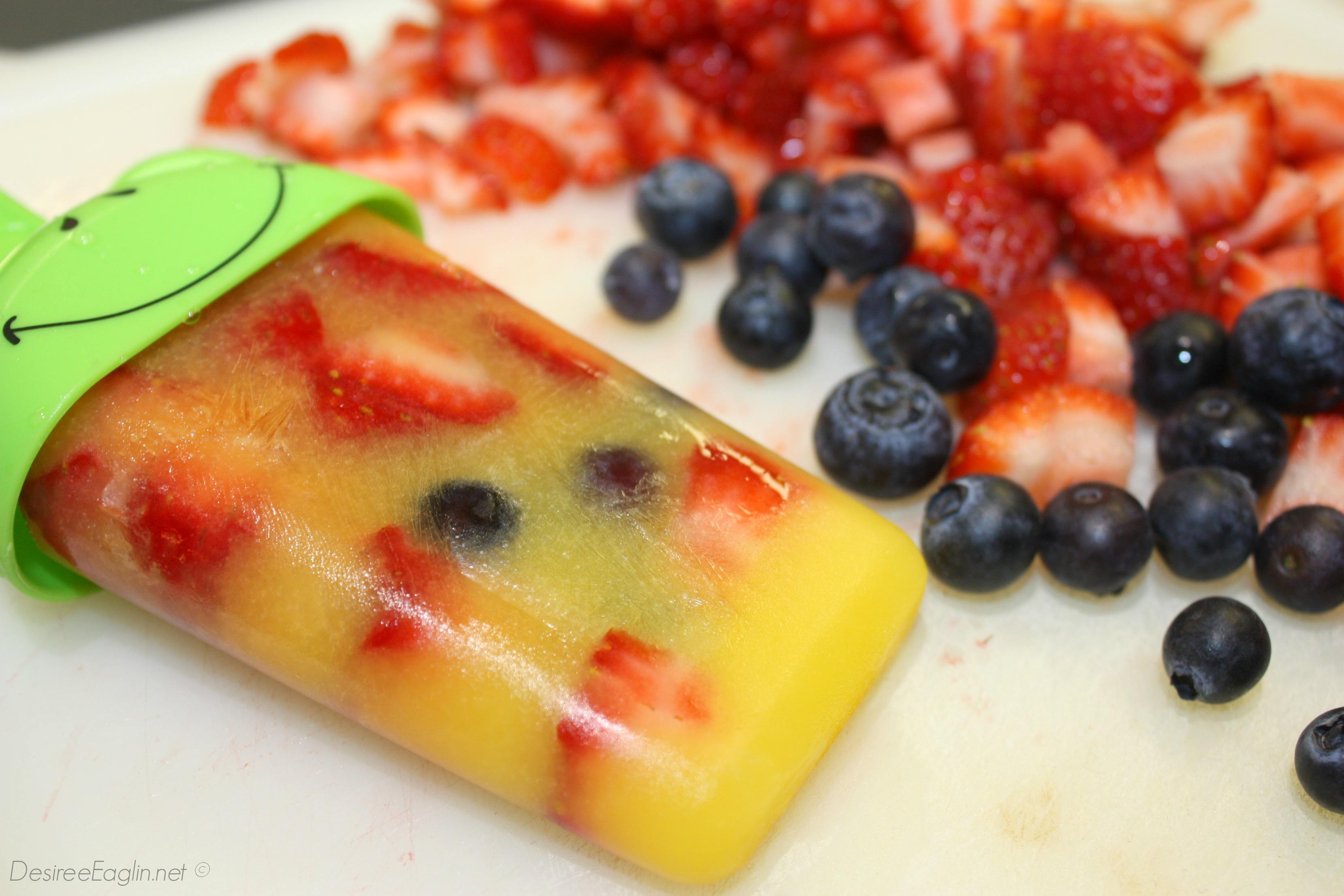
Freezing Juice?
a)
Physical Change
b)
Chemical Change
56.
A change where one or more new substances are created.
a)
Physical Change 
b)
Chemical Change 
57.
Change in color is a physical change.
a)
True
b)
False
58.
Change in density is a physical change.
a)
True
b)
False
59.
Fizzing, foaming, and burning are all examples of
a)
Chemical change
b)
Physical change
60.
Fizzing, foaming, and burning are all examples of
a)
Chemical change
b)
Physical change
61.
Rust on an iron bar is an example of chemical change.
a)
True 
b)
False
62.
What kind of properties can only be observed when a substance changes into a different substance?
a)
physical properties
b)
chemical properties
63.
When you break a cracker into pieces it is a...
a)
Chemical change
b)
Physical change
64.
A mixture is the result of a physical change because...
a)
The parts can be separated
b)
A new substance is made
c)
There is a chemical reaction
d)
One part of the mixture disappears
65.
Which of these is a result of a chemical change?
a)
A mixture
b)
A solution
c)
A new substance
d)
Melting or freezing
66.
Which of these is a result of a physical change?
a)
A new odor
b)
A new gas
c)
A new chemical substance
d)
A solution
67.
Which of these does NOT happen during a chemical change?
a)
Atomic bonds are formed or break apart
b)
New substance(s) are formed with different chemical properties
c)
The number of atoms in the reaction stays the same
d)
The chemical properties of the beginning substance(s) are the same as those of the end product(s)
68.
Is glass breaking a chemical or phyiscal change?
a)
chemical
b)
physical
69.
Is hammering wood together to build a house a chemical or physical change?
a)
chemical
b)
physical
70.
Is a a rusting bicycle a chemical or physical change?
a)
chemcial
b)
physical
71.
A pellet of sodium is sliced in two
a)
Chemical change
b)
Physical Change
72.
Iron rusts.
a)
Chemical change
b)
Physical Change
73.
Milk Sours
a)
Chemical Change
b)
Physical Change
74.
Pancakes cooking on a griddle
a)
Chemical Change
b)
Physical Change
75.
Grass growing in a lawn
a)
Chemical Change
b)
Physical Change
76.
A tire is inflated with air.
a)
Chemical Change
b)
Physical Change
77.
Food is digested in the stomach
a)
Chemical Change
b)
Physical Change
78.
Which of the following is a Physical Property 
a)
Toxicity
b)
Flammability
c)
Malleability
d)
Reactivity
79.

Is milk going sour a physical or chemical change?

a)

Physical

b)

Chemical

80.
Is freezing juice a physical or chemical change?
a)
Physical Change
b)
Chemical Change
81.
Evidence of a physical change.
a)
New substance
b)
Shape Change
c)
Light produced
d)
Gas released.
82.
Any change in the state of matter of a substance is a...
a)
Physical Change
b)
Chemical Change
83.
A change that alters the physical properties of a substance without changing its composition.
a)
Physical Change
b)
Chemical Change
84.
Water freezing into ice is an example of a...
a)
Physical Change
b)
Chemical Change
85.
Any change in the state of matter of a substance is a...
a)
Physical Change
b)
Chemical Change
86.
A change in matter that forms one or more new substances with new chemical properties is a/an...
a)
Physical Change
b)
Chemical Change
87.
Which of the following indicates a chemical change?
a)
Change in state of matter
b)
Temperature change
c)
Change in size 
d)
Change in shape
88.
A solid substance that forms when 2 liquid solutions are combined?
a)
Sublimation
b)
Precipitate
c)
Condensation
d)
Freezing
89.
Which of the following DOES NOT indicate a chemical change/reaction is occurring?
a)
Color Change
b)
Formation of a Precipitate
c)
Formation of gas/bubbles
d)
State of matter change
90.
We use chemical equations to show what happens in a....
a)
Chemical Change
b)
Physical Change
91.
We use chemical equations to show what happens in a....
a)
Chemical Change
b)
Physical Change
92.
Chemical or Physical?  Glass breaking into tiny shards
a)
Chemical Change
b)
Physical Change
93.
Which Law states that Matter cannot be created or destroyed during a Chemical Change/Reaction?
a)
Conservation of Energy
b)
Conservation of Matter (Mass)
c)
Conservation of Momentum
d)
Conservation of Thermodynamics
94.
Physical or Chemical Change? 
a)
Physical Change
b)
Chemical Change
95.
Physical or Chemical Change?
a)
Physical Change
b)
Chemical Change
96.
Physical or Chemical Change?  Cutting an orange into wedges.
a)
Physical Change
b)
Chemical Change
97.
Physical or Chemical Change?  Baking a cake.
a)
Chemical Change
b)
Physical Change
98.
Physical or Chemical Change?  Logs burning in a campfire.
a)
Physical Change
b)
Chemical Change
99.
Physical or Chemical Change?  Sodium metal burning in water.
a)
Physical Change
b)
Chemical Change
100.
Physical or Chemical Change?  Making a paper airplane.
a)
Physical Change
b)
Chemical Change