wayground logo

Free Printable Worksheets

NEW

Font size

S
M
L
XL
Worksheets

Chemical Bonding

Total questions: 35

Worksheet time: 35mins
Name
Class
Date
1.
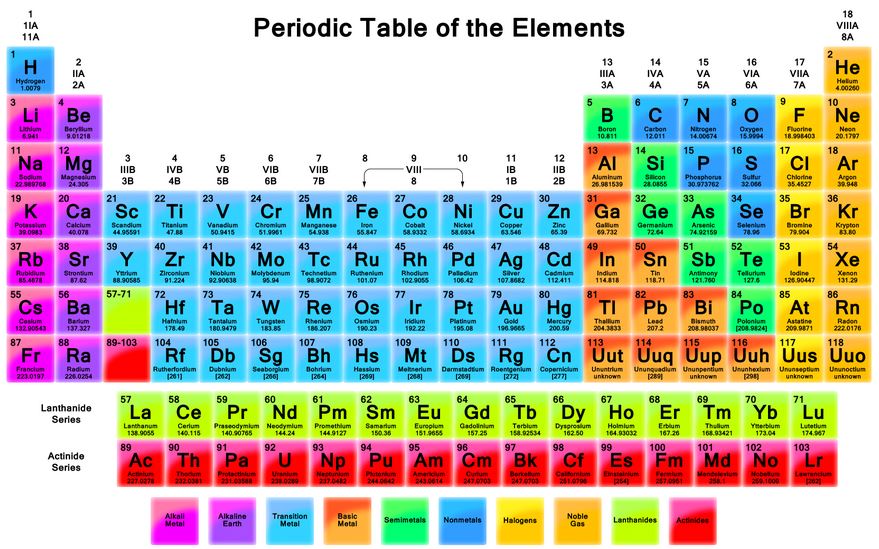
Elements on the LEFT side of the periodic table will most likely form:
a)
Positive ions
b)
Negative ions
c)
Neutral Ions
d)
None of these
2.
An ionic bond forms when atoms ___________ electrons.
a)
gain
b)
share
c)
increase
d)
transfer
3.
Which type of bond has an equal sharing of electrons?
a)
Polar Covalent 
b)
Non Polar Covalent
c)
Ionic
d)
Metallic
4.
Which type of bond has an unequal sharing of electrons?
a)
Polar Covalent 
b)
Non Polar Covalent
c)
Ionic
d)
Metallic
5.
Which type of bond has a transfer of an electron from on atom to another?
a)
Polar Covalent 
b)
Non Polar Covalent
c)
Ionic
d)
Metallic
6.
If an atom loses two electrons what charge will it have?
a)
+ 2
b)
 - 2
c)
+1
d)
-1
7.

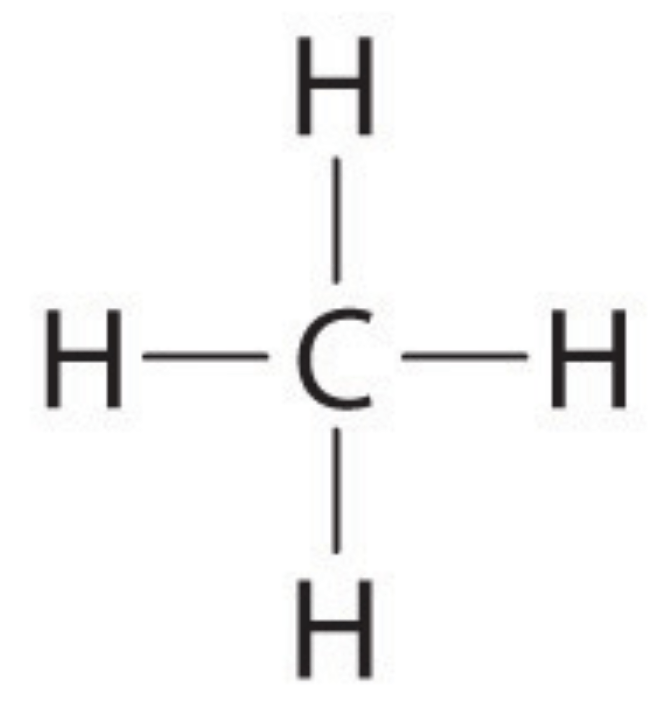
Classify the following molecule.

a)

polar

b)

nonpolar

8.
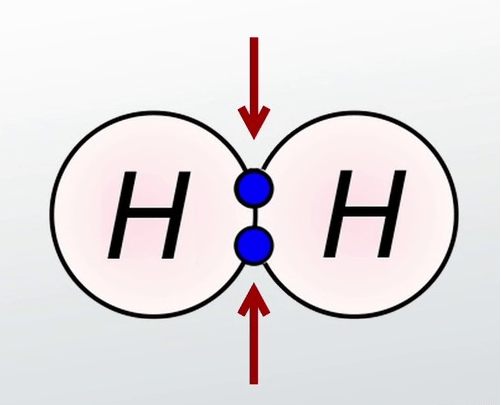
What type of bond is shown in this image?
a)
Ionic
b)
Polar Covalent
c)
Nonpolar Covalent
d)
Van der Waals Force
9.
Diatomic elements are defined as IDENTICAL elements that bond with each other (i.e. Oxygen with Oxygen).  What type of bond should they form?
a)
Ionic
b)
Polar Covalent
c)
Nonpolar Covalent
d)
Van der Waals force
10.
What elements generally make an ionic bond?
a)
metal and nonmetal
b)
2 or more nonmetals
c)
metal
d)
none of the above
11.

In a polar covalent bond, electrons are shared:

a)

equally

b)

unequally

c)

between two metals

d)

between a metal and a non-metal

12.
phosphorus trichloride
a)
KCl3
b)
PCl3
c)
K3Cl
d)
P3Cl
13.
silicon dioxide
a)
SO2
b)
NaO2
c)
SiO2
d)
SiO
14.
diphosphorus pentoxide
a)
P2O5
b)
PO5
c)
P5O2
d)
P2O6
15.
The chemical formula of sulfur hexabromide is
a)
SBr₆
b)
S₆Br
c)
S(VI)Br
d)
S6Br
16.
The chemical formula of carbon tetrachloride is
a)
CCl
b)
C₄Cl
c)
CCl₄
d)
C(IV)Cl
17.
The chemical formula of dinitrogen textroxide is
a)
Ni₂O₄
b)
NiO
c)
N₂O₄
d)
NiO₂
18.
An ionic compound of calcium and chlorine would be named
a)
calcium chlorine.
b)
calcium chlorite.
c)
calcium chloride.
d)
chlorine calcium.
19.
An ionic compound made of copper (Cu2+) and oxygen would be named
a)
copper oxygen.
b)
copper oxide.
c)
dicopper oxide.
d)
copper(II) oxide.
20.
Because the overall charge in a compound must be ____________, the charge of iron in Fe2O3 can be calculated as 3+.
a)
2+
b)
1+
c)
0
d)
1-
21.

The name of FeCl₂ is

a)

iron chloride

b)

iron (II) chloride

c)

iron (I) chloride

d)

iron dichloride

22.

LiBr is called

a)

lithium bromine

b)

lithium (I) bromine

c)

lithium bromide

d)

lithuim (I) bromide

23.

Name the ionic compound SnSe2

a)

Tin diselenide

b)

Tin (IV) Selenide

c)

Tin selenide

d)

Tin (II) triselenide

24.

Name the following ionic compound: Cs2S

a)

cesium sulfide

b)

cesium sulfate

c)

cesium II sulfate

d)

cesium II sulfide

25.

When naming a compound, what must the last part be?

a)

the element with "ide" at the end

b)

the element with the ending "ite"

c)

the name of the element

d)

the element with "ide" at the end, unless its a polyatomic ion

26.

What is the name of the compound Sc(OH)3?

a)

Scandium (III) hydroxide

b)

Scandium (I) hydroxide

c)

Scandium (II) hydroxide

d)

Scandium hydroxide

27.

The name of the compound Ca3(PO4)2

a)

calcium phosphate

b)

tricalcium diphosphate

c)

calcium phosphorus oxide

d)

calcium phosphide

28.
Covalent Compounds HAVE a positive (+) or negative (-) charge 
a)
True
b)
False
c)
Que onda, Hagerman? 
d)
What was that now? 
29.
Ionic compounds tend to be _________ whereas covalent compounds tend to be ______ or _____
a)
solids // liquids or gases
b)
liquids // solids or gases
c)
gases // solids or liquids
d)
solids // solids or liquids 
30.
Some are solids, some are liquids, and some are gases at room temperature.
a)
ionic compounds
b)
covalent compounds
31.
Molten compound conducts electricity.
a)
ionic compound
b)
covalent compound
32.
Molten compound does NOT conduct electricity.
a)
ionic compound
b)
covalent compound
33.
Have a low m.p. (< 200°C)
a)
ionic compounds
b)
covalent compounds
34.
When dissolved in water, the solution is a good conductor of electricity.
a)
ionic compounds
b)
covalent compounds
35.

Which of the following is TRUE about ionic compounds?

a)

They have low melting and boiling points.

b)

They can conduct electricity in the solid state.

c)

They are stronger than covalent bonds.

d)

They are usually formed from 2 metals.