
 Worksheets
McGrane U5 Earth Cycles
Total questions: 66
Worksheet time: 50mins
Bobby observed that a metal trash can was covered with rust. What type of weathering caused the rust on the trash can?
Hydrolysis
Abrasion
Oxidation
Carbonation
What is the weathering process in which rocks are broken down into smaller pieces (sediments) and do not change the rock composition?
Acid weathering
Gravity weathering
Chemical weathering
Physical weathering

Which of the following caused the chemical weathering that formed this cave?
Water mixing with carbon - creating a weak acid and dissolves rock
Oxygen mixing with Iron and rusting the rock
Water breaking down molecules in the rock through hydrolysis
Exfoliation - New cracks give chemical reactions the chance to operate
This is the product of rock being physically broken down into smaller pieces of rock.
sediments
sedimentry rock
igneous rock
metamorphic rock

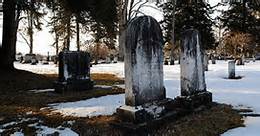
These gravestones have slowly broken down and turned a blackish color due to the action of:
ice wedging
abrasion
acid rain
physical weathering
How is physical weathering different from chemical weathering?
Chemical weathering happens over much shorter time frame than physical weathering.
Chemical weathering changes the chemical composition of rocks; physical weathering does not.
Chemical weathering occurs only in the mountains; mechanical weathering occurs only on flat land.
Rocks along a riverbed that are smoothed from continuously moving water and sediment rubbing against them is an example of:
physical weathering
chemical weathering
A piece of sandstone changing color (from brown to rusty red) from exposure to water and air is an example of:
physical weathering
chemical weathering


What is is called when water turns into a gas?
EVAPORATION
PRECIPITATION
TRANSPIRATION

What is it called when plants give off water vapor as a waste product through its leaves?
condensation
evaporation
sublimation
transpiration
The ________ is the driving force of the water cycle
sun
moon
stars

Which stage does the #1 show in the diagram?
condensation
evaporation
infiltration
run off


The process by which water on the ground surface enters the soil.
Evaporation
Rain
Infiltration
Watershed
When humans burn fossil fuels, most of the carbon quickly enters the as carbon dioxide.
Hydrosphere
Atmosphere
Geosphere
Biosphere
____________________ is a part of oceans, air, rocks, soil, and all living things.
Nitrogen
Water
Carbon
Silver
When animals eat plants, the carbon that the plant contains is absorbed by the animals.
True
False
How is the carbon cycle similar to the water cycle?
Both involve liquid substances falling to the Earth from the atmosphere?
Neither process works at low temperature.
Both involve the transfer of substances between animals, plants, and the Earth.
Both involve the transfer of substances between the earth and outer space.
What is a carbon sink?
Something that adds to the atmosphere.
Something that removes carbon from the atmosphere.
Something that adds carbon to the earth's crust.
Something that removes carbon from the earth's crust.
Humans burn fossil fuels and wood, releasing carbon dioxide into the atmosphere. This carbon dioxide is then absorbed by trees for photosynthesis. These processes are contributory to which chemical cycle?
The carbon cycle
The water cycle
The nitrogen cycle
The rock cycle
By what method is the majority of carbon moved from the lithosphere (upper part of Earth's crust) to the atmosphere?
Weathering
Deposition
The burning of fossil fuels
Respiration
What kind of organism takes out the most carbon from the atmosphere?
Plants
Bacteria
Animals
Humans





**Rust is an example of this process.**
What must happen to a metamorphic rock before it becomes a sedimentary rock rock?
It must be broken down into sediment
It must be melted into magma
Its minerals must dissolve in water
It must be exposed to high temperature and pressure
the reaction of minerals in a rock with water that results in a change in composition
oxidation
hydrolysis
carbonation
redox
the reaction of carbon dioxide with water to form a weak acid that can dissolves minerals
carbonation
hydrolysis
oxidation
root pry
the wearing down of material by bumping, bouncing, rolling and grinding against another
abrasion
frost action
freeze thaw
carbonation

