
 Worksheets
Weathering
Total questions: 67
Worksheet time: 36mins


How can rain change a mountain?
Rain causes flash flooding on mountains.
Water erosion wears down the peaks of a mountain.
Water can cause cracks in the mountainside.
What is the rate of change of rain changing a mountain?
Medium
Fast
Slow
The Earth can change both quickly and slowly?
True
False
What is an example of an event that causes a slow change?
Earthquake cracking a highway.
Flooding of a river.
Wind blowing a sand dune.


How can wind change a sand dune?
Water can wash the sand away.
Strong winds can blow sand off the dunes.
Wind can blow sand into the water.
What is the rate of change of wind blowing sand off sand dune?
Medium
Fast
Slow
How can an earthquake change mountains?
Earthquakes can cause landslides and tsunamis.
Earthquakes can move mountains.
Earthquakes can cause sand to move from sand dune to sand dune.
What is the rate of change when earthquakes cause landslides and tsunamis?
Medium
Fast
Slow
Is an earthquake an event that happens very quickly or very slowly?
Medium
Quickly
Slowly

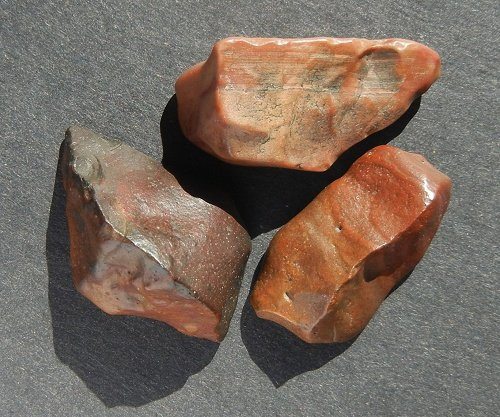


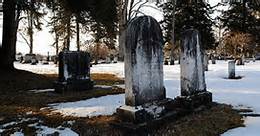
Which of the following is an example of mechanical weathering?
Rust forming on a rock cliff
Acid rain causing blurred inscriptions on a ancient tomb
Rounded pebbles in a stream bed
A sudden rainstorm on a hot day
Which of the following is an example of chemical weathering?
Rust forming on a rock cliff
Frost action breaking a rocky ledge apart
A flat, rounded piece of rock breaking off a rock's surface
Rocks falling from high places
How do chemical and mechanical weathering processes differ?
Chemical weathering breaks rocks into smaller pieces but mechanical weathering doesn't
Chemical weathering affects only igneous rocks but mechanical weathering affects all types of rocks
Chemical weathering involves water but mechanical weathering does not
Chemical weathering changes the composition of the rock but mechanical weathering does not
Mechanical weathering can occur from ALL the following EXCEPT
Burrowing by animals
Ice expands when frozen and cracks rocks
Trees roots expand as they grow and crack rocks
Carbonic acid eats away layers of limestone rock
Chemical weathering can occur from ALL of the following EXCEPT
Acids given off by lichens and mosses eat away at rocks
Sulfuric acid causes blurred words on gravestones and monuments
Wind blows sand which wears away cliffs
Rust caused by oxygen combining with iron-bearing minerals in rocks causes red bands on limestone cliffs
Chemical weathering can occur from ALL of the following EXCEPT
Acids given off by lichens and mosses eat away at rocks
Sulfuric acid causes blurred words on gravestones and monuments
Wind blows sand which wears away cliffs
Rust caused by oxygen combining with iron-bearing minerals in rocks causes red bands on limestone cliffs
Susan rubs two rocks together. One of the rocks wears away to form small particles. What would most likely happen if this rock continues to break into small pieces after Susan puts the rocks back on the ground?
The pieces may become part of the soil
The pieces may become part of the bedrock
The pieces may become part of the ice wedging process
The pieces may become part of the organic matter in the soil

