wayground logo

Free Printable Worksheets

NEW

Font size

S
M
L
XL
Worksheets

Electron Configurations

Total questions: 40

Worksheet time: 30mins

Name
Class
Date
1.
What is the noble gas shorthand electron for Sulfur atom?
a)
[Ar] 3p4
b)
[He] 3s23p4
c)
[Ne] 3s23p4
d)
[Na] 3s23p4
2.
What is the electron configuration for this atom?
a)
1s22s22p6
b)
1s22s22p5
c)
1s22s22p3
d)
2s22p3
3.
What atom matches this electron configuration?
1s22s22p63s2
a)
Neon
b)
Magnesium
c)
Aluminum
d)
Potassium
4.
Which element is depicted from this orbital diagram
a)
Fluorine
b)
Neon
c)
Chlorine
d)
Argon
5.
What is the charge of an atom that has lost one electron?
a)
-1
b)
-2
c)
+1
d)
+2
6.
What is the charge of an atom that has gained one electron?
a)
-1
b)
-2
c)
+1
d)
+2
7.
Anions are _______ that form ____________ ions and __________ electrons.
a)
nonmetals, positive, lose
b)
nonmetals, negative, gain
c)
metals, positive, gain
d)
metals, positive, lose
8.
Which element is pictured?
a)
neon
b)
fluorine
c)
magnesium
d)
argon
9.
How many electron can be found in a s orbital?
a)
2
b)
3
c)
4
d)
1
10.
What atom matches this electron configuration?
1s2s2p3s2
a)
Neon
b)
Magnesium
c)
Aluminum
d)
Potassium
11.
How many electron can be found in a p orbital?
a)
2
b)
3
c)
4
d)
6
12.
What is the electronic configuration of sodium?
a)
1s22s22p63s1
b)
[Ne]3s1
c)
1s22s22p7
d)
Both A and B are correct
13.
What is the electronic configuration of iron?
a)
1s22s22p63s23p64s23d6
b)
1s22s22p63s23p63d8
c)
1s22p63s23p64s23d6
d)
1s22s22p63s23p64s13d6
14.
Which is the electron configuration for an oxygen atom?
a)
1s22s22p63s23p64s2
b)
electronic configuration
1s22s22p4
c)
1s22s22p6
d)
1s22s22p63s23p6
15.
What atom matches this electron configuration?
1s22s22p63s23p64s23d10
a)
Zinc
b)
Copper
c)
Nickel
d)
Germanium
16.
What atom matches this electron configuration?
1s22s22p63s2
a)
Neon
b)
Magnesium
c)
Aluminum
d)
Potassium
17.
How many electrons can the first energy level hold?
a)
1
b)
2
c)
8
d)
0
18.
Which electron configuration belongs to Chlorine (Cl)?
a)
1s2s2p3s3p5
b)
1s2s2p3s3p6
c)
1s2s2p3s3p7
19.
The horizontal row on the periodic table is called a
a)
group
b)
family
c)
period
d)
atomic number
20.
A vertical column is called...
a)
group
b)
tower
c)
period
d)
crew
21.
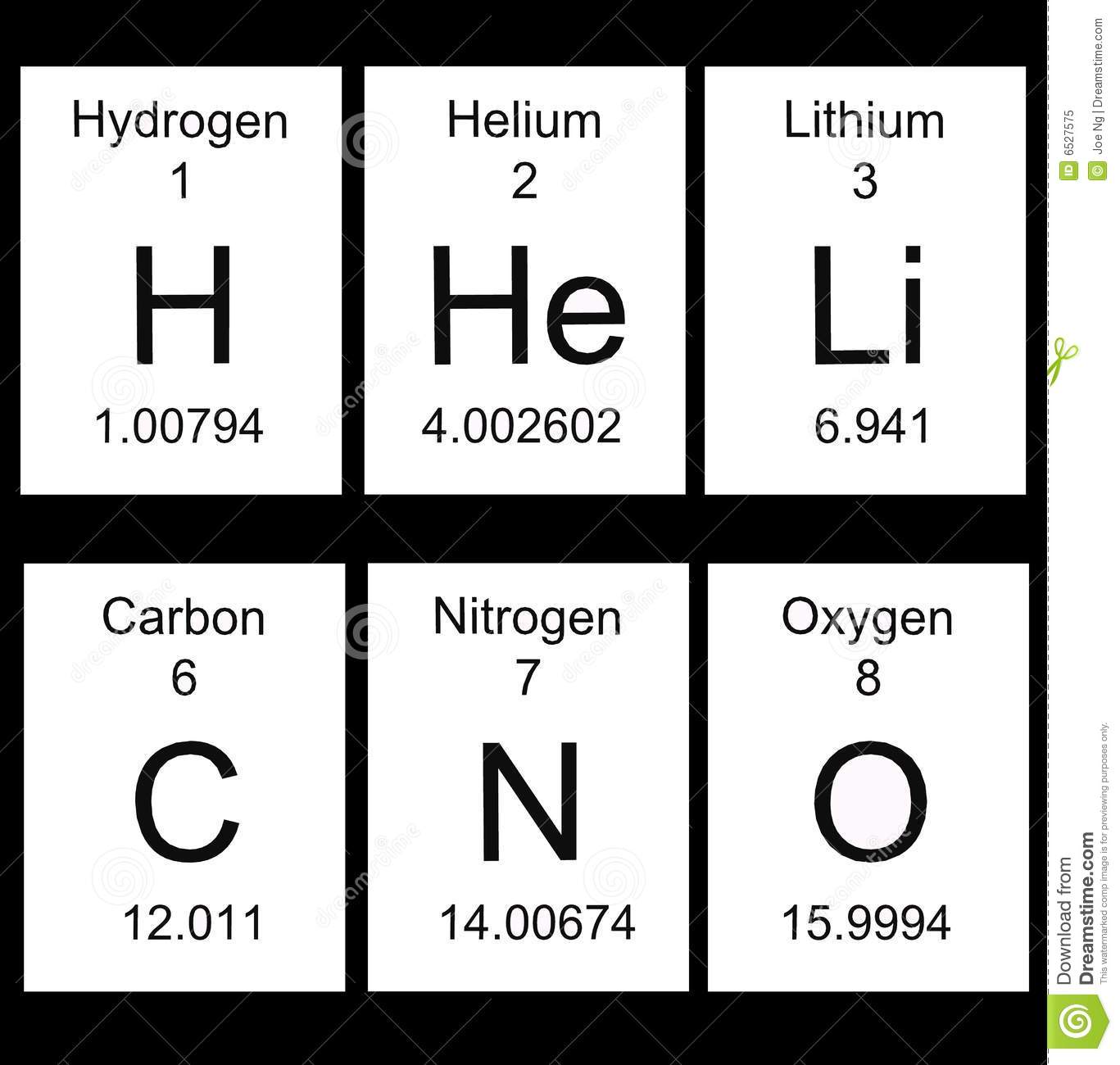
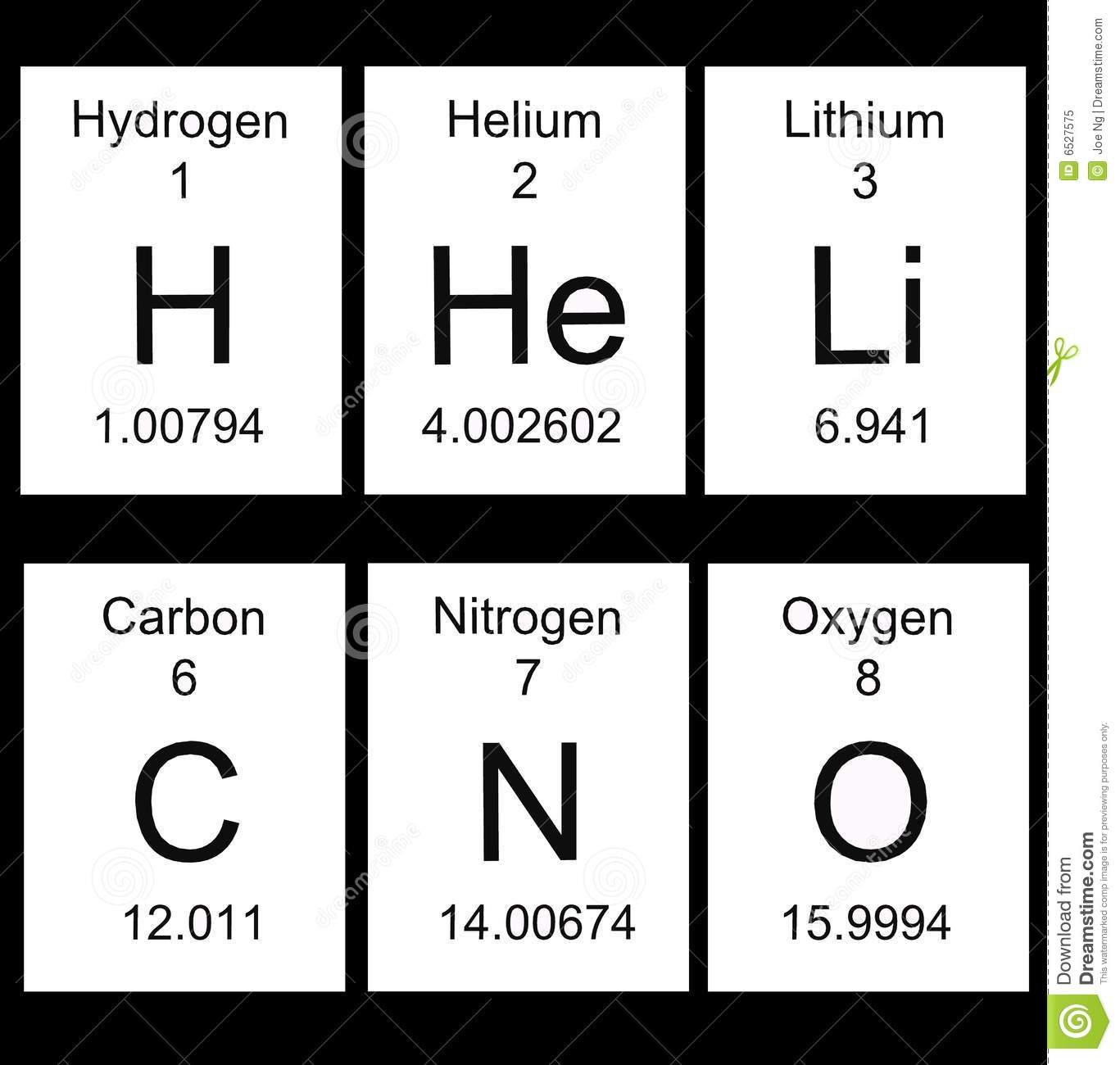
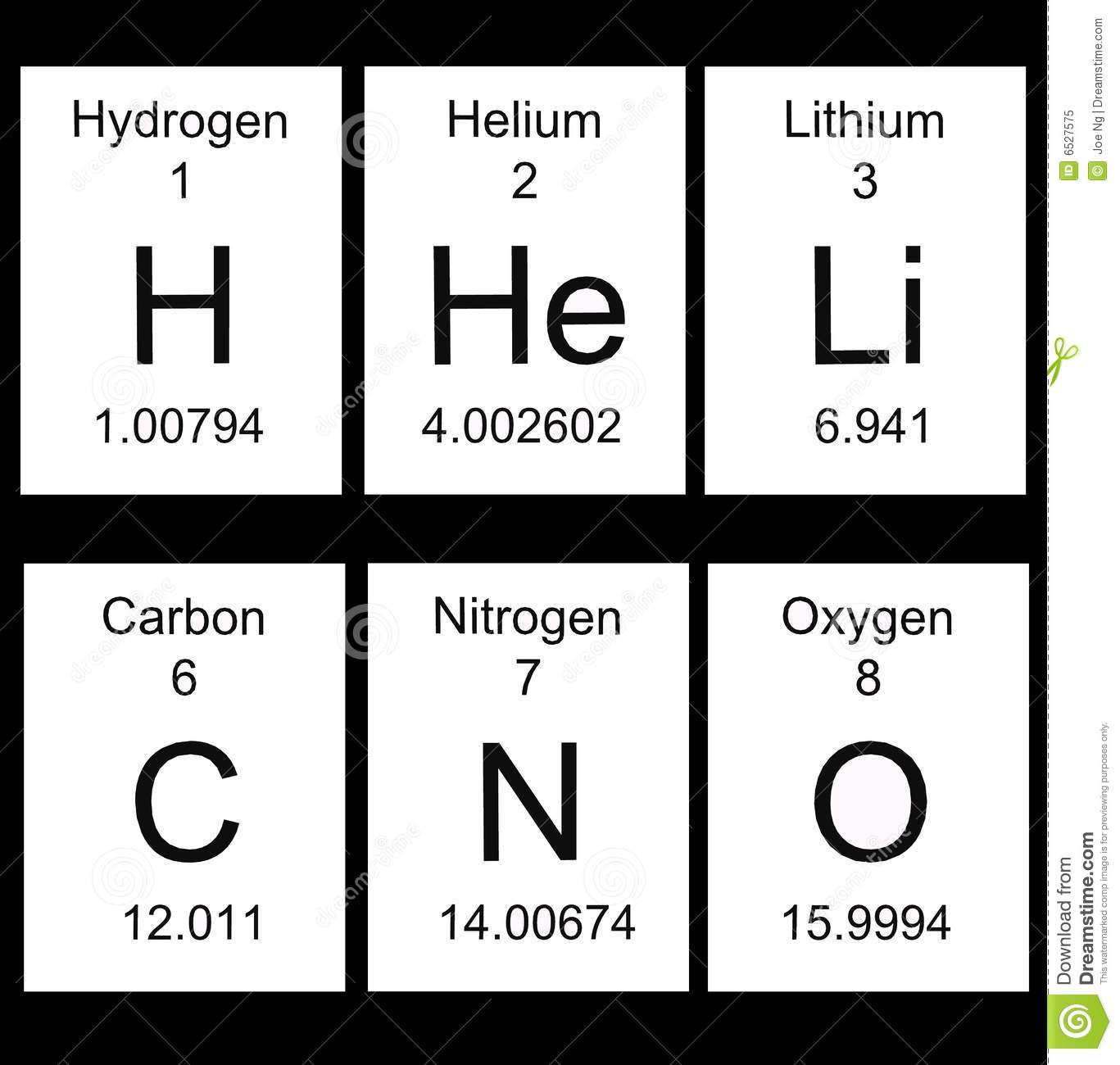
The number at the bottom of each square on the periodic table is the ...
a)
atomic number
b)
atomic mass
c)
chemical symbol
d)
element name
22.
The number at the top of each square on the periodic table is the ...
a)
atomic number
b)
atomic mass
c)
Chemical Symbol
d)
Element Name
23.
What is the chemical symbol for Lithium?
a)
H
b)
He
c)
Li
d)
N
24.

According to the Octet Rule, atoms of elements react with each other in order to attain ____ electrons in their outermost energy level or shell.

a)

2

b)

4

c)

6

d)

8

e)

10

25.

Which of the following elements LOSES 1 electron in order to attain an octet?

a)

potassium

b)

calcium

c)

helium

d)

boron

e)

fluorine

26.

Which of the following elements GAINS 1 electron in order to attain an octet?

a)

sodium

b)

calcium

c)

helium

d)

boron

e)

chlorine

27.

Which of the following elements LOSES 2 electrons in order to attain an octet?

a)

lithium

b)

magnesium

c)

helium

d)

sulfur

e)

bromine

28.

Which of the following elements GAINS 2 electrons in order to attain an octet?

a)

cesium

b)

magnesium

c)

phosphorus

d)

sulfur

e)

iodine

29.

Which of the following elements LOSES 3 electrons in order to attain an octet?

a)

nitrogen

b)

lithium

c)

aluminum

d)

oxygen

e)

iodine

30.

Which of the following elements GAINS 3 electrons in order to attain an octet?

a)

nitrogen

b)

lithium

c)

boron

d)

oxygen

e)

fluorine

31.

Each of the following elements attains a stable valence shell WITHOUT having an octet in its outermost shell EXCEPT _______.

a)

lithium

b)

hydrogen

c)

beryllium

d)

helium

e)

nitrogen

32.

Each of the following elements will GAIN ELECTRONS in order to attain an octet EXCEPT _______

a)

iodine

b)

phosphorus

c)

fluorine

d)

oxygen

e)

titanium

33.
How many valence electrons are elements trying to reach in their outer shells?
a)
1
b)
2
c)
5
d)
8
34.
What determines the reactivity of an element?
a)
Size of its nucleus
b)
Number of total electrons
c)
Number of valence electrons
d)
Number of shells
35.
How do you determine the number of valence electrons an element has?
a)
Look at its period
b)
Look at its group
c)
Look at its atomic number
d)
Look at its atomic mass
36.
How many electrons does Calcium (Ca) need to lose to become stable?
a)
1
b)
2
c)
3
d)
4
37.
How many electrons does oxygen (O) need to gain to become stable?
a)
1
b)
2
c)
3
d)
4
38.
What group of elements is stable?
a)
halogens
b)
noble gases
c)
alkali metals
d)
alkali earth metals
39.

This atom will

a)

lose 2 electrons

b)

gain 2 electrons

c)

lose 6 electrons

d)

gain 6 electrons

e)

do nothing

40.

This atom will

a)

lose 1 electron

b)

gain 1 electron

c)

lose 7 electrons

d)

gain 7 electrons

e)

do nothing