
NEW
Font size
S
M
L
XL
 Worksheets
LNW Chapter 2, 3 Kitchen Safety, Measuring, and Utensils Tes
Total questions: 50
Worksheet time: 1hrs 5mins
Name
Class
Date
1.

a)
liquid measuring cups
b)
dry measuring cups
c)
measuring spoons
d)
tablespoons
2.

a)
liquid measuring cup
b)
dry measuring cup
c)
measuring spoon
3.

a)
pastry blender
b)
peeler
c)
box grater
4.

a)
kitchen mallet
b)
rolling pin
c)
spatula
5.

a)
rubber scraper
b)
spatula
c)
spring form pan
6.
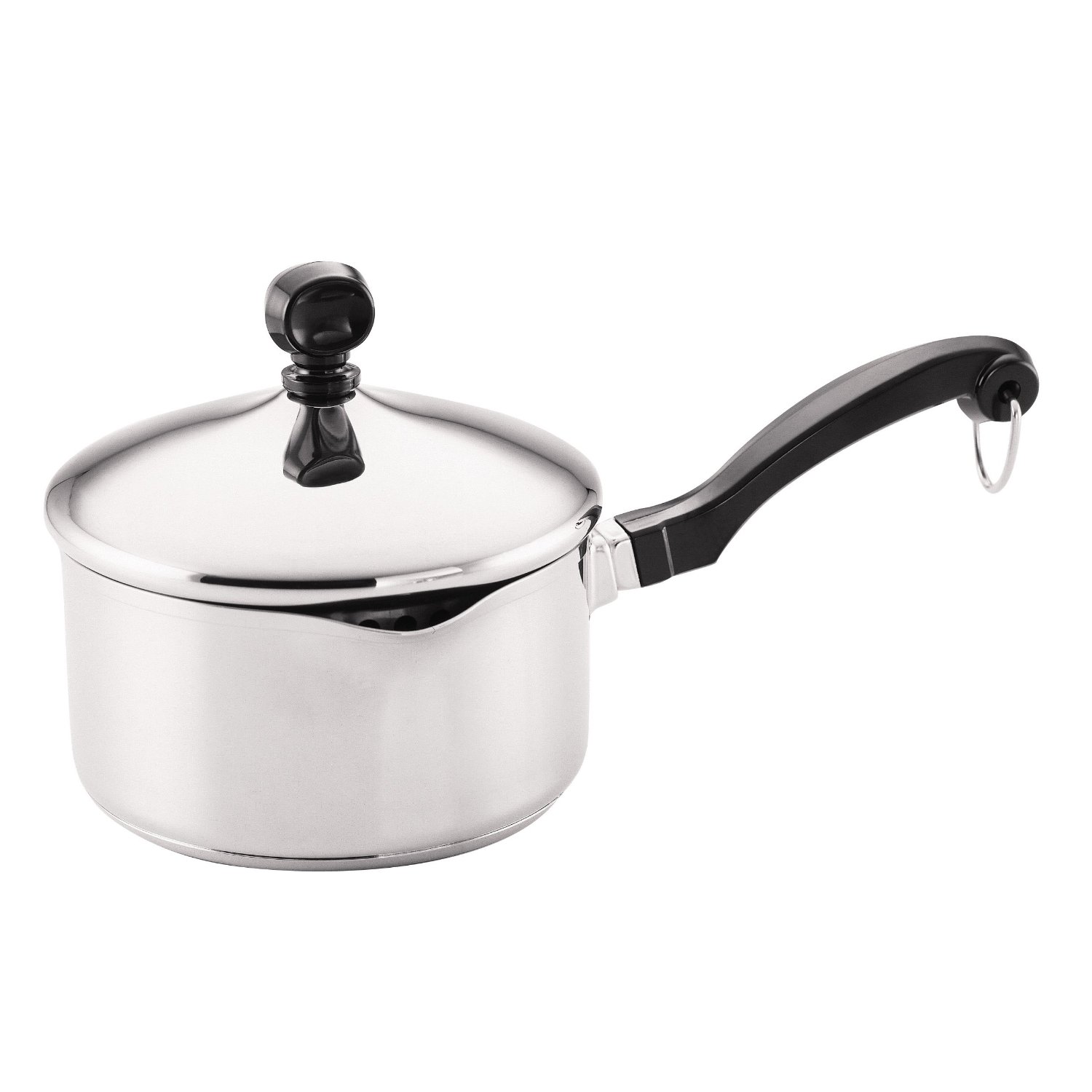
a)
double boiler
b)
saucepan
c)
frying pan
7.

a)
pastry blender
b)
wire whisk
c)
spatula
8.

a)
Steamer
b)
Ricer
c)
Colander
9.

Name this utensil...
a)
Cooling Rack
b)
Cutting Board
c)
Whisk
d)
Turner
10.

Name this utensil...
a)
Pastry Blender
b)
Rotary Beater
c)
Sifter
d)
Cooling Rack
11.
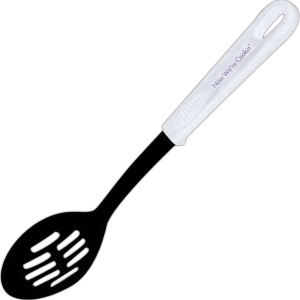
Name this utensil...
a)
Sifter
b)
Rotary Beater
c)
Mixing Spoon
d)
Slotted Spoon
12.
What should you use to take something out of a hot oven?
a)
Bare Hands
b)
Paper Towel
c)
Oven Mitt
d)
Dish Towel
13.
Always wash ____ separately?
a)
Knives
b)
Spoons
c)
Forks
d)
Spatulas
14.
What is the danger zone which involves extra growth of harmful bacteria?
a)
20-120 degrees
b)
30-130 degrees
c)
40-140 degrees
d)
50-150 degrees
15.

Name this utensil...
a)
Microwave Bowls
b)
Mixing Bowls
c)
Strainer
d)
Tongs
16.
To correctly measure brown sugar you must pack it down firmly so that it retains the shape if the cup.
a)
true
b)
false
17.

Wear loose fitting clothing when working with grease or high heat.
a)
True
b)
False
18.

Unplug appliances before trying to pry out a stuck pieces of food with something metal.
a)
True
b)
False
19.

You do not have to worry about washing utensils, cutting boards, and counter-tops with warm, soapy water after contact with raw meat or poultry.
a)
True
b)
False
20.

The safest way to reach high shelves is with a step stool, not a box or a chair.
a)
True
b)
False
21.
What direction should you cut with a sharp knife?
a)
toward you
b)
toward your partner
c)
away from you
d)
none of the above
22.
What is the safest way to thaw/defrost food?
a)
in the microwave
b)
on the counter
c)
in the refrigerator
d)
outside of the house
23.
What is the highest safe temperature for your refrigerator?
a)
36
b)
28
c)
32
d)
40
24.
What is the sickness called you get from eating contaminated foods (sometimes called food poisoning)?
a)
chicken pox
b)
influenza
c)
salmonella
d)
pneumonia
25.
Which of the following is NOT a symptom of food poisoning?
a)
chills
b)
difficulty talking
c)
abdominal pain
d)
Flu-like symptoms
26.

You should avoid washing/rinsing chicken before you cook it because it can increase your chances of spreading dangerous bacteria.
a)
True
b)
False
27.

You should never dump water on a grease fire.
a)
True
b)
False
28.
How do you measure solid butter?
a)
With a Tablespoon
b)
You need to melt it first then use a liquid measuring cup
c)
Look at the markings on the wrapper
d)
Butter is always measuring in sticks EX: 1 stick, 2 sticks etc.
29.
What would you use to measure sour cream?
a)
Dry measuring cup
b)
Liquid Measuring Cup
c)
Measuring Spoons
d)
I don't know
30.

What is the temperature danger zone from...
a)
40-140
b)
32-100
c)
120-200
d)
65-130
31.

What is the maximum time food can be left at room temperature?
a)
1 hour
b)
2 hours
c)
2.5 hours
d)
4 hours
32.
What are the FOUR basic sanitation practices?
a)
Clean, Sanitize, Cook, Chill
b)
Clean, Separate, Cook, Chill
c)
Clear, Separate, Cook, Cool
d)
Clear, Sanitize, Cook, Cool
33.

When checking to see if food is done cooking, what part of the meat, poultry, or seafood should you place the food thermometer?
a)
The middle
b)
The thickest part
c)
The right side
d)
Underneath
34.
Best way to wash your hands:
a)
cold water, no soap
b)
warm water with soap
c)
cold water with soap
d)
warm water, soap if you can find it
35.

Which bacteria is found in raw meats (beef), and contaminated water?
a)
E. Coli
b)
Salmonella
c)
Clostridium Botulinum
d)
Clostridium Perfringens
36.
Which step of food safety explains that you should refrigerate foods quickly because cold temperatures slow the growth of bacteria?
a)
Clean
b)
Separate
c)
Cook
d)
Chill
37.
What food safety step should you take to reduce cross-contamination?
a)
Clean
b)
Separate
c)
Cook
d)
Chill
38.

Which is an example of how you can prevent cross-contamination when preparing food?
a)
Use separate cutting boards (e.g., one for raw meat, poultry, and seafood, and one for fruits and vegetables)
b)
wash and sanitize surfaces between tasks
c)
do not place cooked or ready-to-eat food on a dish that previously held raw seafood, meat, or poultry
d)
All of these choices are good examples.
39.

What could happen if you placed cooked food on a plate that previously held raw meat, poultry, or seafood?
a)
Nothing
b)
Since there are bacteria on the plate from the raw juices, you can cause crosscontamination and spread the potentially pathogenic bacteria to the cooked food
c)
You could get the flu
d)
All of the above
40.

Using a separate cutting board for raw foods, like meat, poultry, and seafood and another for fresh foods, like fruits and vegetables, can cause cross-contamination.
a)
True
b)
False
41.

How long can you leave leftovers out of refrigeration?
a)
No more than 4 hours
b)
No more than 1 hour
c)
No more than 2 hours
d)
Overnight, as long as you put in back in the refrigerator.
42.
How do you measure liquid ingredients?
a)
Set liquid measuring cup on a flat surface. Pour
liquids in then read the measurement
at eye level.
b)
Pour the liquid into the measuring cup until its at the correct line
c)
Pour liquids into the dry measuring up, making sure its on a flat surface
43.
What is the process used to measure dry ingredients?
a)
Scoop into a dry measuring cup and then pour into the mixing bowl
b)
First, scoop it into the correct dry measuring cup, then level it off with a straight edge
c)
Pour into a liquid measuring cup and then read it at eye level
44.

What equipment should you use to measure the following:
1 cup peanutbutter
1 cup peanutbutter
a)
A
b)
B
c)
C
45.

What equipment should you use to measure the following:
1 cup flour
1 cup flour
a)
A
b)
B
c)
C
46.

What equipment should you use to measure the following:
2 T salt
2 T salt
a)
A
b)
B
c)
C
47.

What is the correct name for this item?
a)
Spoons
b)
Measuring Spoons
c)
Dry measuring spoons
d)
Liquid measuring spoons
48.
What measuring tool is used for leveling off excess dry ingredients?
a)
Chef knife
b)
Round spatula
c)
Straight edge spatula
d)
Leveling knife
49.

Name this cooking technique.
a)
measuring liquids
b)
sifting
c)
leveling
d)
cutting in
50.

What is the name of this kitchen tool?
a)
Turner
b)
Sifter
c)
Measuring equipment
Reset

