
 Worksheets
Gravity, Galaxies and The Nebular Theory
Total questions: 47
Worksheet time: 24mins
The planets of the solar system formed as
the center of the gas cloud cooled
planetesimals flattened into a rotating disk
planetesimals collided into one another
the sun absorbed extra gas and dust from the solar system
The process that provides the sun with its energy
solar flare
Photosphere
radiative zone
nuclear fusion
What is the FIRST event in the formation of the solar system?
About 4.5 billion years ago pieces of rock and ice accumulate more material until they grow into planets and moons.
About 4.6 billion years ago, a cloud of stellar dust or nebula exists within the Milky Way.
None of the above.


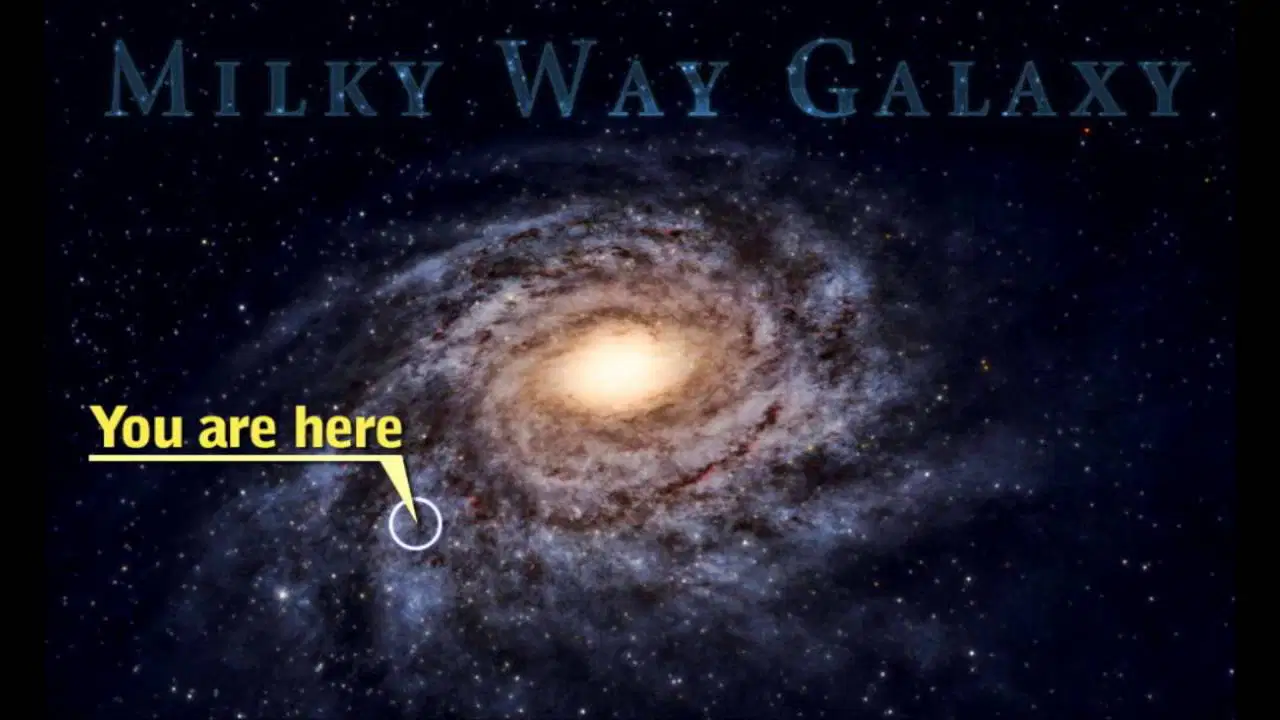
What shape is the Milky Way galaxy?
Elliptical
Spiral
Irregular
Barred Spiral


Gravity attracts objects towards one another
True
False
Where is the sun located in the galaxy?
at the edge
within an outer arm
at the center
within the center body
Gravity is based on an object's _____________.
roundness
brightness
appearance
mass
What keeps the planets in orbit around the sun?
stars
heat
gravity
satellites
What galaxy are Earth and the solar system located?
Andromeda galaxy
Whirlpool galaxy
Inner Planet galaxy
Milky Way galaxy
Why do the planets in our solar system orbit the sun?
because the sun is the brightest
because the sun was there first
because the sun has the most mass
because nothing can orbit planets
Gravity is the force objects put on each other because of their ____________.
speed
mass
direction
location
Why is the Earth and other planets spherical?
erosion from asteroids hitting the surface
heat from the sun melted the object's surface
force of gravity is acting evenly in all directions around the center mass
pressure of the atmosphere acting evenly in all directions
What would happen if the mass of one object suddenly increased?
The mass of the other object would increase
The distance between the objects would increase
The gravitational force of the objects would remain constant
The gravitational force between 2 objects would increase
If 2 planets of the same mass are in space and A is closer to the sun while B is farther away from the sun, which one will have a stronger gravitational field/force?
planet A
planet B
What might happen to a satellite if Earth's gravity suddenly disappeared?
The satellite would stop moving
The satellite would fall to Earth
The satellite would move into space in a straight line
The satellite would continue to orbit Earth

A nebula is:
A cloud of ice
A cloud of dust and gas
A cloud of just gas
A cloud of just dust

A nebula starts to collapse because of:
A nearby star shining it's light
A passing spaceship
A passing comet
Gravity

What six things make up our Solar System?
Sun, Planets, Moons, Asteroids, Comets, Meteors
Galaxies, Planets, Stars, Asteroids, Planets, Moons
Sun, Planets, Moons, Stars, Asteroids, Comets
Planets, Stars, Galaxies, Comets, Meteors, Sun
What happens once the nebula begins to spin?
a completely flat disk forms
all the material collects in the middle
the newborn sun blows out all the material into space
a planetary disk forms with a bulge in the center.
Gravitational forces are always
Attractive
Pushing
repulsive
objects
What affects the strength of gravity
Weight and Mass
Mass and Distance
Distance and Weight
Mass and Force
Why do the planets and other celestial objects in our solar system revolve around the Sun?
The Sun has the greatest mass of any object in the solar system and therefore the greatest gravity
The sun is the center of the universe
The sun is the brightest thing in space and everything is attracted to it.
The Sun has the greatest weight so everything pushes towards it
If you landed on Mars, what happens to your mass and weight? Remember the force of gravity on Mars is less than on Earth.
The mass decreases while the weight stays the same.
The mass stays the same while the weight increases.
The mass increases while the weight decreases.
The mass stays the same while the weight decreases.
Which piece of evidence best supports this statement: Gravity is felt between objects across a distance.
Heavier objects have less gravity acting on them.
An object at rest on the ground doesn’t respond to gravity.
The Moon orbits Earth due to a gravitational field.
Objects float freely in space where there is no gravity.
As the distance between two objects
increases, the gravity between them
increases
decreases
stays the same
is zero


The classification of Galaxy is based on its observable characteristics. Which of these characteristics is used to classify galaxies?
shape
temperature
types of forces
chemical elements

