
 Worksheets
Ch. 16 and 17 Darwin and Evolution
Total questions: 41
Worksheet time: 1hrs 13mins
What is suggested by the similarity of early embryos of different species of vertebrates?
no evolutionary relationships between the groups
recent common ancestry
similar environments in the past
evolution from a distant common ancestor

Some organisms that share a common ancestor have features that have different functions, but similar underlying structures. These are known as
vestigial structures
analogous structures
homologous structures
fossil structures


What is an inheritable change in an organism that allows for it to survive in its environment?
homologous
vestigial
variation
adaptation
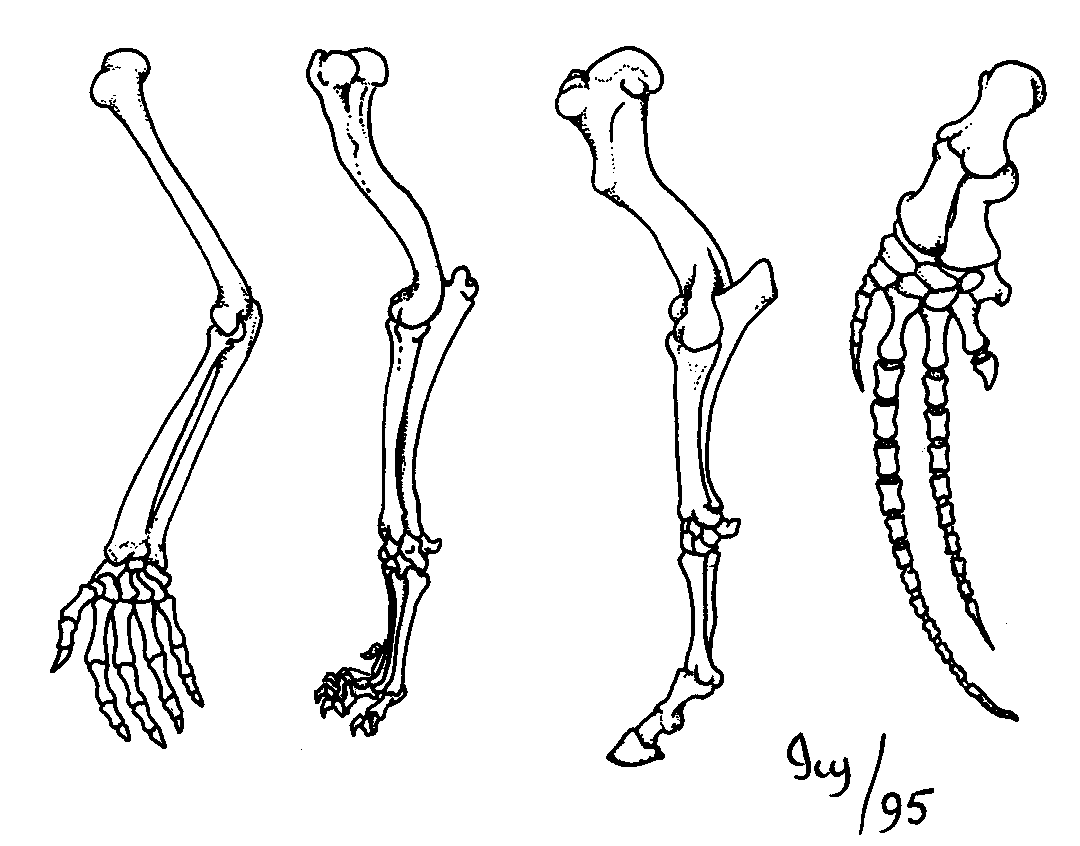
Homologous structures demonstrate
more recent common ancestor
similar underlying structure
similar function
change through use and disuse
adaptation to fill a similar niche

Structures that have the same function but different structures are...
homologous structures
analogous structures
vestigial structures
embryology
Lamarck's idea, incorrect, said traits an organism develops during its own lifetime will be passed on to offspring.
Inheritance of acquired characteristics or traits
artificial selection
fitness
fossil record
Organism's ability to survive and produce fertile offspring
adaptation
evolution
homologous structure
fitness
Humans selecting which animals/plants were allowed to reproduce based on the traits they possess. Most crops and livestock are produced this way.
analogous structure
artificial selection
vestigial structure
fitness
Scientists that are credited with the idea that geological forces shaped the Earth and must have taken millions of years? Gave Darwin the idea that the Earth could be very old.
Hutton
Mendel
Malthus
Lamarck
Lyell
What scientist is credited with the idea that human population was growing rapidly and in the future there would not be enough food and resources?
Hutton
Lyell
Malthus
Lamarck
Which of the following are correct about Darwin's Voyage?
traveled to the Galapagos Islands
Published findings immediately
wrote Origin of Species
used DNA evidence in his book
saw similar species that had been changed to fit specific environments
Which are correct about the term ADAPTATION:
heritable -can be passed to offspring
created through selective use
present in DNA
can be changed during an organism's lifetime to make them more fit
organisms that have them are more likely to survive and pass them to next generation
Which of the following was evidence Darwin used in formulating his theory:
Fossils
DNA
Biogeography
Genetics
Vestigial and Homologous Structures


Genetic drift is change in the allele frequency of a population due to...
random chance
natural selection
non-random mating (sexual selection)
artificial selection

Which of the following is an example of the founder effect?
Humans choose two dogs they like the characteristics of and breed them together.
Affected individuals with blue skin can trace their ancestry back to one of the first settlers in the region.
The environment of a fox population changes and over time foxes who are white survive and pass on their genes to their offspring.
Cheetah populations reach their lowest levels with reduced diversity and as they rebound are so genetically similar they appear to be inbred.

Which of the following is an example of the bottleneck effect?
Cheetah populations reach their lowest levels with reduced diversity and as they rebound are so genetically similar they appear to be inbred.
Affected individuals with blue skin can trace their ancestry back to one of the first settlers in the region.
The environment of a fox population changes and over time foxes who are white survive and pass on their genes to their offspring.
Humans choose two dogs they like the characteristics of and breed them together.
All of the genetic information found in a population.
population
genetic drift
evolution
gene pool

individuals with alleles for an extreme type are more likely to survive and reproduce
stabilizing selection
directional selection
disruptive selection
genetic drift

the selection pressure favors the extreme phenotypes, dividing the population into 2 distinct groups
directional selection
stabilizing selection
geographic selection
disruptive selection

Individuals with intermediate traits are more likely to survive and reproduce
stabilizing selection
directional selection
adaptive radiation
disruptive selection
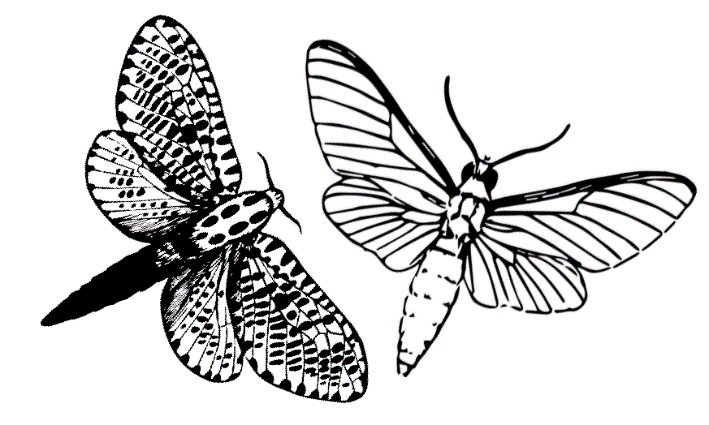
According to natural selection, light colored tree trunks would favor
light colored moths
dark colored moths
red colored moths
red and light colored moths
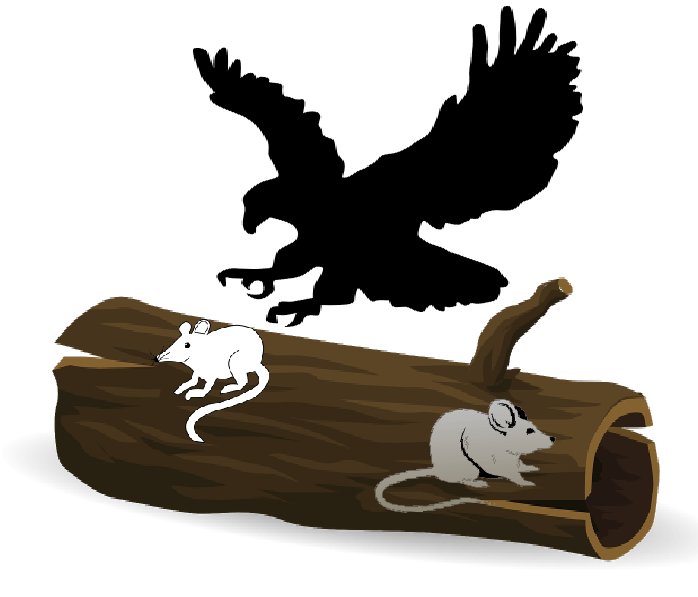
Over the years, white mice became extinct and darker mice survived. This is
stabilizing selection
directional selection
disruptive selection
due to exercise
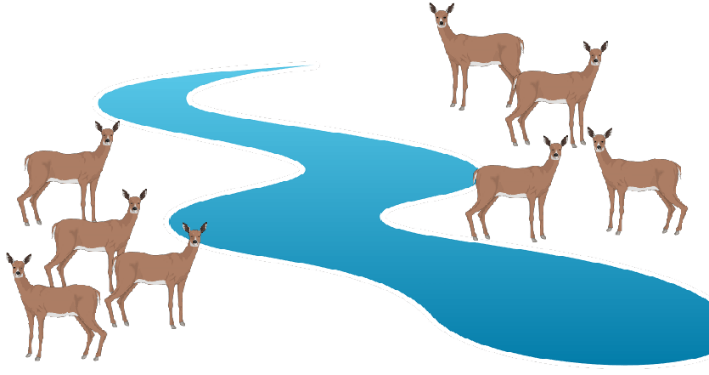
Two populations of the same species are separated by land barriers like rivers or mountains.
geographical isolation
temporal isolation
adaptive ratiation
behavioral isolaton
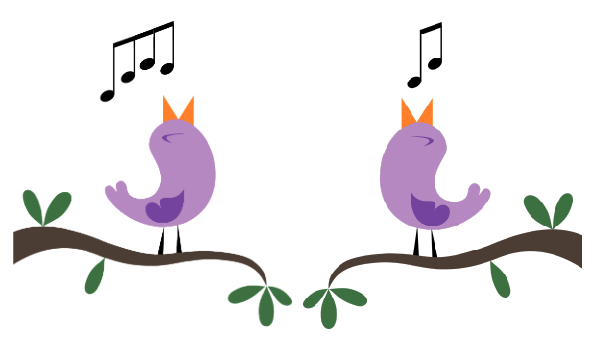
Two populations of the same species do not have the same mating rituals or signals.
geographical isolation
temporal isolation
adaptive ratiation
behavioral isolaton
Organisms of the same species can no longer interbreed therefore creating two species.
Gene Pool
Genetic Drift
Gene Frequency
Speciation

