
 Worksheets
ECP: Chapter 2.4-2.5 Review - States of Matter
Total questions: 50
Worksheet time: 1hrs 9mins
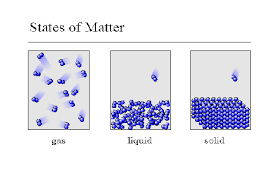

Freezing
Solid to gas
Liquid to solid
Gas to solid
Liquid to gas
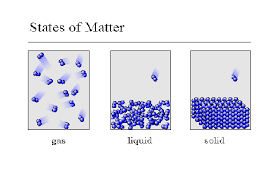

Boiling
liquid to gas
gas to solid
gas to liquid
solid to liquid

What is happening when my ice cream changes from a solid to a liquid?
freezing
melting
burning
condensing

The state of matter that has no definite size or shape is
Solid
Liquid
Gas
Plasma & Gas

Particles in a ______________________ move quickly, are far apart, and have a charge.
gas
solid
liquid
plasma

Particles of a liquid
are tightly packed together and stay in a fixed position.
are free to move around one another but still touch.
Solid to Gas
Melting
Sublimation
Evaporation
Condensation
What is condensation?
gas to solid
gas to liquid
liquid to solid
solid to liquid
The slower the particles in a substance move,
the colder it is.
the warmer it is.
the more energy it has.

Definite shape and definite volume
Solid
Liquid
Gas
Plasma

Has a definite volume but not a definite shape
Solid
Liquid
Gas
Plasma
Liquid to Gas
Condensation
Evaporation
Sublimation
Melting
The temperature at which a liquid turns to a gas is called the _____ point.
boiling
freezing
amorphous
crystalline
Vaporization is the reverse of condensation.
True
False
A puddle dries up by the process of _____.
evaporation
melting
freezing
condensation
Freezing occurs when the particles in liquid slow down and take fixed positions.
True
False
Particles of which of the following have the greatest thermal energy?
a gas
a liquid
a solid
an amorphous solid
When you see fog or clouds, you are seeing water in the ______ state.
Liquid
Gas
Solid
Plasma
When you open a solid room air freshener, the solid slowly loses mass and volume as the solid turns into a gas as the room freshener's particles escape and mix with the air in the room. This process is known as ______.
sublimation
boiling
freezing
condensation
The process that makes ice cubes shrink as they sit in a freezer is called ____.
sublimation
condensation
evaporation
melting
The change in state from liquid to gas is called
vaporization.
sublimation.
condensation.
melting.
The change from a gas to a liquid is called
condensation.
evaporation.
sublimation.
melting.
In which state of matter are particles moving the slowest?
solid
liquid
gas
plasma

On a hot, humid summer day drops of water form on a can of cold soda. What process caused this to happen?
condensation
freezing
vaporization
melting

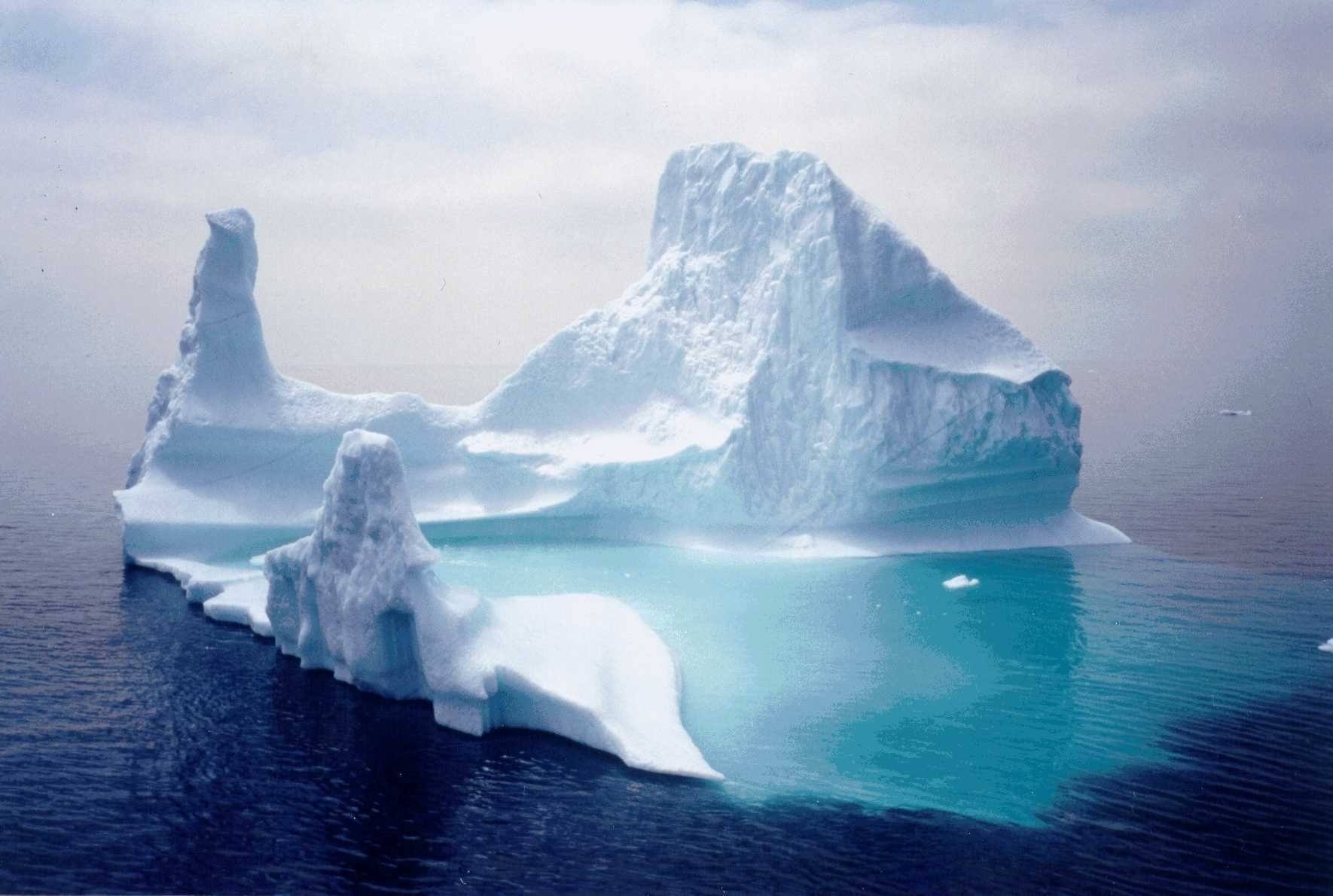


Which state of matter has particles arranged like this?
solid
liquid
gas
plasma

Which state of matter has particles arranged like this?
solid
liquid
gas
plasma

Which state of matter has particles arranged like this?
solid
liquid
gas
plasma
Plasma can be found in which of the following
Auroras
Lightening
LED light bulbs
Stars
Moons
The negative charge in a plasma is usually due to the
protons
neutrons
electrons
A plasma can be made in a laboratory by
cooling a gas to very low temperatures
cooling a gas and reducing the pressure
heating a gas to extremely hot temperatures
heating a liquid to the point it turns into a gas
According to the law of conservation of energy
energy is not absorbed or released in changes of state.
energy is not transferred during changes of state.
energy is not created or destroyed in changes of state.
a substance has a different amount of energy before and after a change of state.

