wayground logo

Free Printable Worksheets

Font size

S
M
L
XL
Worksheets

SCIENCE

Total questions: 150

Worksheet time: 3hrs 30mins

Name
Class
Date
1.

What is Newton's first law of motion?

a)

Every action has an equal opposite reaction

b)

An object in motion stays in motion unless acted upon by an unbalanced force

c)

The force acting on an object is equal to the mass of an object times its acceleration

d)

Sandwich

2.

What is the atomic number of oxygen?

a)

5

b)

Sandwich

c)

8

d)

17

3.

What is the molecular structure of table salt?

a)

Sandwich

b)

Molecular who?

c)

H2O

d)

NaCl

4.

Biology is the study of what?

a)

Life

b)

Sandwich

c)

The human brain

d)

Weather

5.

Energy=____to the speed of light squared

a)

Gravity

b)

Mass

c)

Sandwich

d)

Lightning

6.

What female Nobel Prize winner conducted research on radioactivity?

a)

Sandwich

b)

Tierra Guinn

c)

Marie Curie

d)

Isaac Newton

7.

Who was Dimitri Ivanovich Mendeleev?

a)

Periodic table inventor

b)

Sandwich

c)

A singer

d)

An Astronomer

8.

What is the formula for force?

a)

Net force ÷\div Mass

b)

Sandwich

c)

Mass ×\times Acceleration

d)

Mass ×\times Velocity

9.

How long does it take for light to get from the Sun to the Earth?

a)

150 million years

b)

10 seconds

c)

8 minutes

d)

Sandwich

10.

What is an Herbivore?

a)

Meat eater

b)

Sandwich

c)

Plant & Meat eater

d)

Plant eater

11.

A black hole is formed when...

a)

After a supernova occurs

b)

When a white dwarf turns into a black dwarf

c)

When a black dwarf turns into a black dwarf

d)

Sandwich

12.

What happens when you put something in between two pieces of bread?

a)

Isaac Newton

b)

A supernova

c)

The periotic table

d)

Sandwich

13.
What type of data is shown here?
a)
qualitative
b)
quantitative
14.
What type of data is shown here?
a)
qualitative
b)
quantitative
15.
A testable, possible explanation for a scientific question is called a(n) _____.
a)
theory
b)
random guess
c)
law
d)
hypothesis
16.
Observations that are made with instruments such as rulers, balances, graduated cylinders, thermometers, timers, etc. and are measurable.
a)
manipulated
b)
quantitative
c)
qualitative
d)
operational
17.
Observations that are made when you use your senses to gather information.
a)
manipulated
b)
quantitative
c)
qualitative
d)
operational
18.
Raccoons tend to have striped tails and black eye masks is an example of ____ data.
a)
qualitative
b)
quantitative
19.
There were seven boxes of cookies in the cupboard.
a)
qualitative
b)
quantitative
20.
what is a group on the periodic table?
a)
Broken Substance
b)
Rows
c)
columns
d)
The weeknd
21.
what is a period on the periodic table?
a)
group
b)
column
c)
Row
d)
the weeknd
22.
What does the Atomic number tell you about an element?
a)
Its favorite number
b)
Protons and Electrons
c)
Protons
d)
Neutrons
23.
The law of conservation of mass states...
a)
Mass can be created and destroyed
b)
Mass can not be created nor destroyed
c)
something contains mass
d)
Nothing can be desttroyed
24.
How many valence electrons does an atom need to have to be very reactive?
a)
1 & 7
b)
2 & 3
c)
6 & 8
d)
3 & 4
25.
What is a metal?
a)
Something that is solid and very conductive
b)
Weak and dull
c)
A gas
d)
A non-metal
26.
What is a non-metal?
a)
dull
b)
Bad conductivity
c)
right side of the periodic table
d)
all of the above
27.
What does a metalloid consist of?
a)
Something with face ((:
b)
A non-metal
c)
a metal
d)
Characteristics of a metal and a non-metal
28.
How do you find atomic mass?
a)
Add protons and electrons
b)
add protons and neutrons
c)
add the atomic mass and the electrons
d)
None of these
29.
Which indicates that it is a physical change?
a)
Odor change
b)
Color change
c)
Rearranged atoms
d)
Change in size
30.
Which is a chemical change?
a)
Paper torn in half.
b)
melting butter.
c)
Expired cheese.
d)
Hair cutting.
31.
How many valence electrons does Oxygen have?
a)
6
b)
8
c)
4+4
d)
4
32.
How do you tell if a chemical equation is balanced?
a)
same amount of atoms on both sides of the equation.
b)
Same amount of atoms for all elements on both sides of the equation.
c)
After you add and subtract.
d)
Ask the teacher.
33.
Which of these is a chemical change?
a)
All of the above.
b)
Rotting bananas
c)
iron nail rusting.
d)
Baking a cake.
34.
What group is Potassium located in?
a)
1
b)
2
c)
3
d)
16
35.
Which element contains more atoms Boron or Lithium?
a)
B
b)
Boron
c)
Lithium
d)
K
36.
What element causes combustion and what does it represent?
a)
Oxygen and Physical
b)
Fire
c)
Oxygen and Chemical
d)
Neon and Chemical.
37.
What causes an earthquake?
a)
Hitting the ground
b)
Tectonic Plates sliding, bumping, and hitting each other 
c)
Plates hitting each other, and sliding under each other 
38.
A living thing, such as a plant, that can make its own food
a)
Producer
b)
Consumer
c)
Herbivore
d)
Carnivore
39.
A living thing that can't make its own food and must eat other living things
a)
Carnivore
b)
Consumer
c)
Herbivore
d)
Producer
40.
An animal that eats only other animals
a)
Carnivore
b)
Omnivore
c)
Consumer
d)
Producer
41.
A living thing that feeds on the wastes and remains of plants and animals
a)
Decomposers
b)
Fungus
c)
Scavenger
d)
Microorganism
42.
A living thing that feeds on the wastes and remains of plants and animals
a)
Decomposers
b)
Fungus
c)
Scavenger
d)
Microorganism
43.
A living thing that feeds on large pieces of dead organism
a)
Decomposers
b)
Fungus
c)
Scavenger
d)
Microorganism
44.
An organism that can't make food and can't move around
a)
Fungus
b)
Scavenger
c)
Decomposers
d)
Microorganism
45.
An organism that is too small to be seen without a microscope
a)
Decomposers
b)
Scavenger
c)
Microorganism
d)
Fungus
46.
Which is not a consumer?
a)
Producer
b)
Herbivore
c)
Carnivore
d)
Omnivore
47.
Nectar is a sweet liquid found in many flowers.
a)
True
b)
False
48.
What are 3 basic needs of animals?
a)
toys, money, food
b)
shelter, water, money
c)
food, toys, shelter
d)
food, shelter, water
49.
How many legs does an insect have?
a)
4
b)
10
c)
6
d)
2
50.
This scientist discovered and named the cell.
a)
Robert Hooke
b)
Anton Van Leeuwenhoek
c)
Goldberg
d)
Mathias Schleiden
51.
Which of the following is NOT a cell theory.
a)
All non-living things are made of cells
b)
All cells come from pre-existing cells
c)
Cells are the basic unit of structure and function of all living things
52.
This type of cell needs a cell wall and chloroplasts
a)
Plant cell
b)
Animal Cell
c)
Bacteria
53.
The powerhouse of the cell is the...It converts energy from food into energy the cell can use
a)
Mitochondrion
b)
Golgi body
c)
Nucleus
d)
Ribosomes
54.
Where are proteins made? These are small, grain-like or rod shaped organelles.
a)
Golgi body
b)
Mitoichondrion
c)
Chromosomes
d)
Ribosomes
55.
This organelle is like a recycling center for the cell. It breaks down old materials. It is like a vacuum cleaner that cleans up the waste in cells.
a)
Ribosomes
b)
Lysosomes
c)
Mitochondria
d)
Chloroplasts
56.
Plants perform photosynthesis through this organelle.  It captures energy from the sun and uses it to produce food for the cell.
a)
Chlorophyll
b)
Chloroplasts
c)
Mitochondria
d)
Golgi Apparatus
57.
This structure is a storage area for the cell. Plants usually have one large one.
a)
Lysosome
b)
Vacuole
c)
Ribosome
d)
Golgi Body
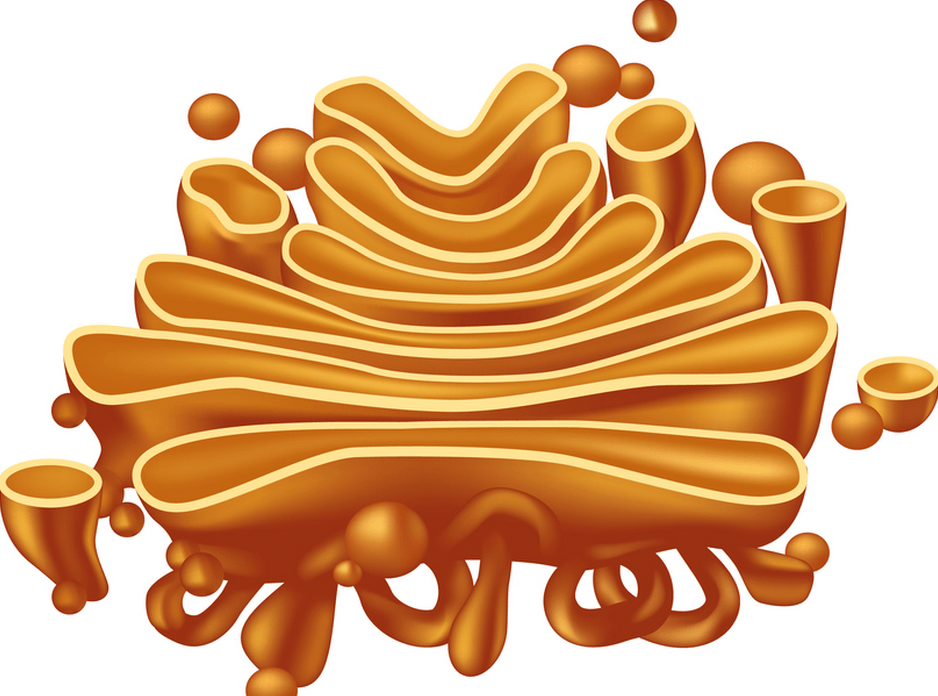
58.
This structure packages and distributes proteins throughout the cell. 
a)
Golgi Body
b)
Lysosome
c)
Ribosome
d)
Mitochondria
59.
Tiny cell structures that carry out specific functions within the cell.
a)
membranes
b)
nucleus
c)
organelles
d)
animalicules
60.
What is motion?
a)
When something stays still in it's position
b)
Is a change in an objects position
61.
Speed is
a)
How fast something moves or changes position
b)
How fast something stops
c)
Slow
d)
always the same
62.
The orbit of the Earth around the sun is:
a)

circular

b)
elliptical
c)
irregular
63.
Which invention made it possible for computers to process information quickly and made computers more affordable?
a)

The internet

b)
The microchip
64.
Which of the following is the best definition of technology?
a)
using scientific knowledge for a purpose.
b)
developing new inventions
65.
Which of the following best describe the shape of the Earth's orbit?
a)
Earth's orbit is a perfect circle around the sun.
b)
Earth's orbit is an irregular triangle around the sun
c)
Earth's orbit is elliptical, like a flattened circle.
66.
Which of the following best describes the size of the sun in relation to other stars?
a)
The sun is a dwarf star
b)
the sun is an averaged size star.
c)
The sun is a giant star
67.
Which planet is located between mars and Saturn?
a)
Mercury
b)
Earth
c)
Jupiter
d)
Uranus
68.
Which order is correct?
a)
Jupiter, Mercury, Saturn, Neptune
b)
Mercury, Earth, Mars, Jupiter
c)
Earth, Mars, Venus, Jupiter
d)
Uranus, Jupiter, Neptune, Saturn
69.
What season is the Southern hemisphere in when the North Pole is leaning into the Sun?
a)
Summer
b)
Fall
c)
Winter
d)
Spring
70.
Which planet is the largest?
a)
Jupiter
b)
Saturn
c)
Uranus
d)
Neptune
71.
The order of the planets is:
a)
Mars,Venus,Earth,
Mercury,Saturn
Jupiter, Uranus, Neptune
b)
Earth,Venus,Mars
Jupiter, Neptune,
Mercury,Saturn,
Uranus
c)
Mercury,Venus,Earth
Mars,Jupiter,
Saturn,Uranus
Neptune
72.
Which Planet comes after Earth in the solar system?
a)
Mercury
b)
Mars 
c)
Venus 
d)
Eros
73.
When the Northern Hemisphere of Earth is Leaning away from the Sun, What season is the Southern Hemisphere experiencing?
a)
Summer
b)
Winter
c)
Spring
d)
Fall
74.
This part of the plant captures energy from the Sun.
a)
Stem
b)
Carbon Dioxide
c)
Chlorophyll
d)
Roots
75.
How do plants get energy? 
a)
Photosynthesis 
b)
Eating other plants
c)
Respiration
d)
hydroponics 
76.
All living and non living things that interact in an area. 
a)
School
b)
Home
c)
Ecosystem
d)
environment 
77.
Who makes their own food?
a)
Producer
b)
Consumer
c)
herbivore
d)
animal
78.
During photosynthesis plants make sugar and....
a)
Carbon Dioxide
b)
Dirt
c)
Oxygen
d)
light
79.

A shark eats a little Miguel.The shark is a what?

a)

producer

b)

consumer

c)

mean

d)

herbivore

80.
Sunlight -> Red coco plant -> Spider Monkey -> What comes next in this food chain?
a)
fungi
b)
Jaguar
c)
Shark
d)
Spider
81.
Main source energy
a)
Sun
b)
Plant
c)
Herbivore
d)
Decomposer
82.
Plant make their own food through________ process
a)
respiration
b)
photosynthesis
c)
decomposition
d)
cell division
83.
A state of matter that has a definite volume and shape.
a)
solid
b)
liquid
c)
gas
d)
matter
84.
Who is this famous Scientist?
a)
Stephen Hawking
b)
Albert Einstein
c)
John Hawking
d)
Stephen Hawkins
85.
What revolves around a planet?
a)
star
b)
moon
c)
comet
86.
_______ is anything that takes up space
a)
Solid
b)
Matter
c)
Water
d)
Gas
87.
Which of the following is a basic need of humans?
a)
Shelter
b)
Sunlight
c)
Mates
d)
Car
88.

We have strong evidence that our solar system is not the only one; we know there are many other suns with planets orbiting them.

a)

FACT

b)

FICTION

89.

All of the gas giant planets in our solar system (Jupiter, Saturn, Uranus and Neptune) have rings.

a)

FACT

b)

FICTION

90.

There is no gravity in deep space.

a)

FACT

b)

FICTION

91.
What tool is used to measure temperature?
a)
meter stick
b)
thermometer
c)
balance
d)
spring scale
92.
What tool is used to measure the volume of a liquid?
a)
thermometer
b)
hand lens
c)
graduated cylinder
d)
ruler
93.
What tool is used to measure length?
a)
balance
b)
ruler
c)
thermometer
d)
graduated cylinder
94.
What tool is used to measure the mass of an object?
a)
meter stick
b)
graduated cylinder
c)
spring scale
d)
balance
95.
What tool is used to magnify objects?
a)
graduated cylinder
b)
balance
c)
hand lens
d)
thermometer
96.
Name the tool.
a)
spring scale
b)
hand lens
c)
graduated cylinder
d)
ruler
97.
Name the tool.
a)
hand lens
b)
graduated cylinder
c)
meter stick
d)
balance
98.
Name the tool.
a)
spring scale
b)
graduated cylinder
c)
hand lens
d)
ruler
99.
A Microscope is a 
a)
tool to help you see objects that are far away
b)
tool to make objects appear much larger
c)
tool to help you weigh an object
d)
tool to protect your eyes
100.
What is this science tool?
a)
sun glasses
b)
safety goggles
c)
hand lenses
d)
beaker
101.
What is this science tool?
a)
magnet
b)
hand lenses
c)
rain gauge
d)
balance
102.
What is this science tool?
a)
beaker
b)
weather vane
c)
thermometer
d)
balance scale
103.
What is this science tool?
a)
timer
b)
microscope
c)
thermometer
d)
rain gauge
104.
What stores food and begins the process of breaking it down?
a)
Heart
b)
Teeth
c)
Stomach 
d)
Brain
105.
What controls all functions of the body, makes the animal intelligent?
a)
Brain
b)
Lungs
c)
Ribs
d)
Skin
106.
What helps an elephant grow larger?
a)
Running from danger
b)
Ability to hear pray
c)
Ability to feel vibrations with feet
d)
Can eat enormous amounts of food
107.
_______  is a muscle that pumps blood throughout the body. 
a)
Brain
b)
Stomach
c)
Jaws
d)
Heart
108.
_______ grind food and start the process of digestion.
a)
teeth
b)
jaws
c)
lungs
d)
stomach
109.
What organ takes in oxygen from the air and releases carbon dioxide?
a)
heart
b)
lungs
c)
jaws
d)
brain
110.
__________ are bones that protect the heart and lungs. 
a)
skin
b)
lungs
c)
jaws
d)
ribs
111.
A substance that pollutes something, especially water or the atmosphere is called
a)
dirt
b)
pollutant
c)
oxygen
d)
precipitant
112.
Liquid water changing slowly into a gas and rising into the atmosphere is called
a)
evaporation
b)
condensation
c)
rain
d)
typhoon
113.
What is the amount of water vapor in the air called?
a)
Condensation
b)
Precipitation
c)
Evaporation
d)
Humidity
114.
Which is the most abundant gas in the atmosphere?
a)
Oxygen
b)
Nitrogen
c)
Ozone
d)
Carbon Dioxide
115.
Which measures air pressure?
a)
Thermometer
b)
Accelerometer
c)
Barometer
d)
Anemometer
116.
Only about how much of available water on Earth is fresh water?
a)
97%
b)
1%
c)
53%
d)
11%
117.
What is the source of energy for the water cycle?
a)
gravity
b)
transpiration
c)
the oceans
d)
the sun
118.

There are two ends of a magnet.

What are they called?

a)

North and East

b)

North and West

c)

North and South

d)

South and East

119.

When there is movement, potential and gravitational energy changed to _________ Energy.

a)

chemical

b)

potential

c)

elastic

d)

kinetic

120.

The distance between stars is typically measured in

a)

light-years

b)

liometers

c)

astronomical units

d)

miles

121.

Astronomers classify stars according to their

a)

distance from Earth.

b)

color, size, and absolute brightness.

c)

age and parallax.

d)

all of the above

122.

The big bang theory explains the

a)

origin of the universe.

b)

life cycle of a star.

c)

Doppler effect.

d)

arrangement of constellations.

123.

What are cells?

a)

They are animals

b)

They are the smallest unit of life

c)

They run the world

d)

They are lazy snakes in the river

124.
Which type(s) of cells contain DNA
a)
plant cells
b)
animal cells
c)
bacteria cells
d)
all cells
125.
Which organelle is only found in a plant cell? 
a)
nucleus
b)
chloroplast
c)
mitochondria
d)
cell membrane
126.
Which of the following is directly involved in the transportation of materials inside/within the cell?
a)
Endoplasmic Reticulum
b)
Vacuole
c)
Lysosome
d)
Mitochondria
127.
I am a protein packaging and shipping machine! Who am I?
a)
vacuole
b)
ribosome
c)
mitochondrion
d)
golgi apparatus
128.
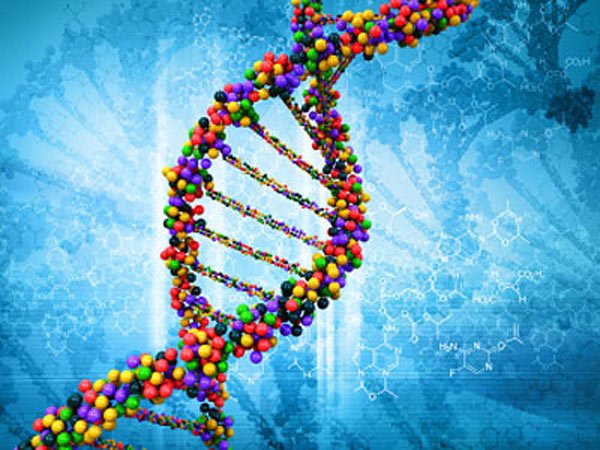
What is the name of the genetic material that is inside the nucleus?
a)
ER
b)
ATP
c)
YOLO
d)
DNA
129.
Where are proteins made?
a)
Golgi body
b)
Mitoichondria
c)
Chromosomes
d)
Ribosomes
130.
The site of photosynthesis
a)
ribosome
b)
mitochondria
c)
chloroplast
d)
nucleus
131.
What is the gel-like substance inside of cells called?

a)
photoplasm
b)
photosynthesis
c)
cytoskeleton
d)
cytoplasm
132.
A rigid layer that lies outside the cell's  membrane is...
a)
Cytoskeleton
b)
Cilia
c)
Cell Wall
d)
Flagella
133.
This structure controls what can enter and leave a cell.
a)
Nucleus
b)
Cytoplasm
c)
Cell Membrane
d)
Golgi Body
134.
When many organ systems work together it can form...
a)
organ
b)
cells
c)
organ system
d)
organism 
135.

All matter is made up of tiny particles called:

a)

air

b)

atoms

c)

clouds

d)

milk

136.
What is an example of an output device?
a)
Mouse
b)
Microphone
c)
Speakers
d)
DVD
137.
What is an example of an input device?
a)
Keyboard
b)
Speakers
c)
Monitor
d)
DVD
138.
What is spam?
a)
unsolicited messages sent to you
b)
Send Programs And Machine code
c)
untitled messages
d)
A Virus
139.
Firefox, Opera, Chrome, Safari and Explorer are types of what?
a)
Wildlife Charities
b)
Folder
c)
Web Browser
d)
Different colours of the new Vauxhall Vectra
140.
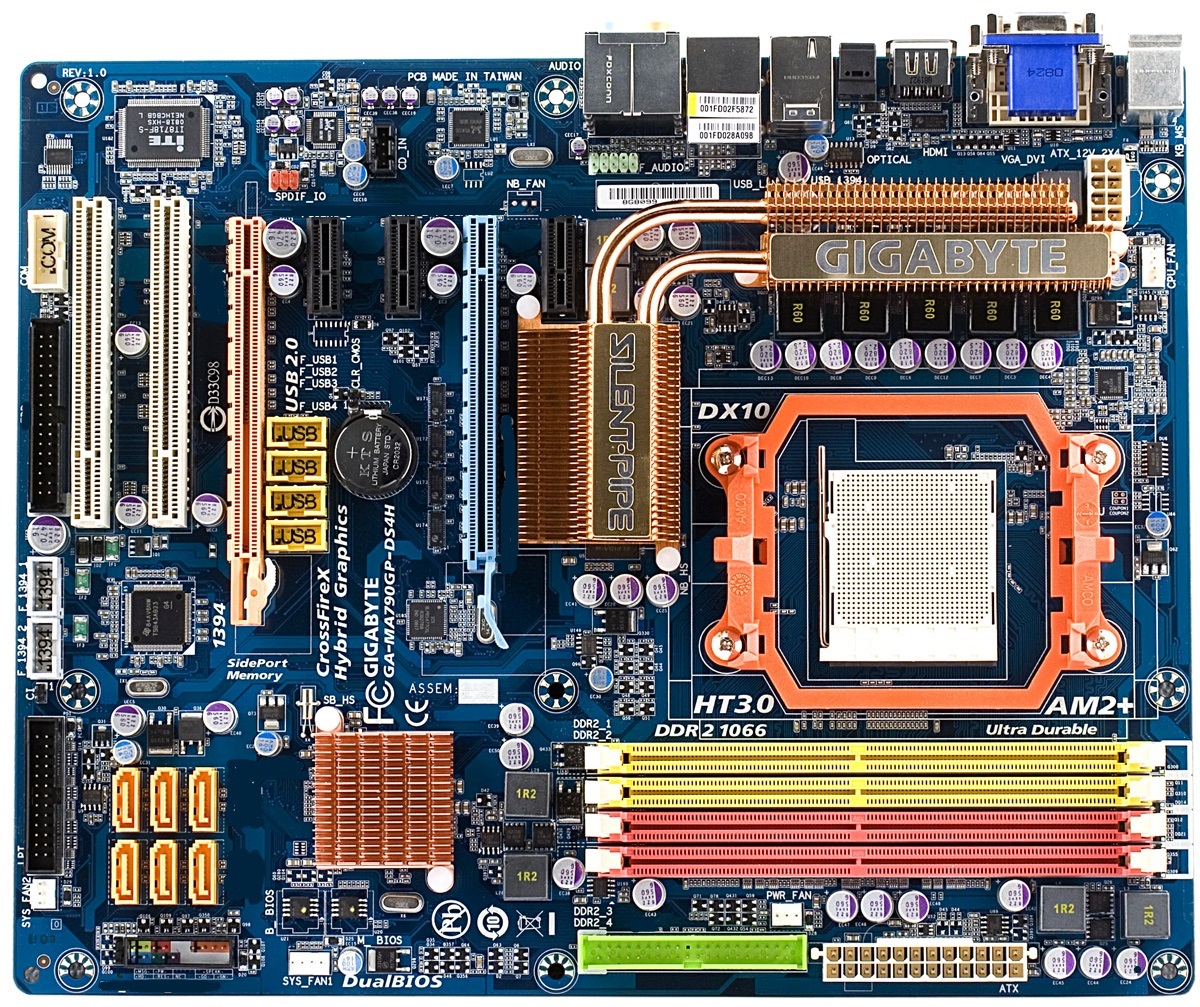
What computer component is displayed?
a)
Expansion Card
b)
CPU
c)
Motherboard
d)
Memory 
141.
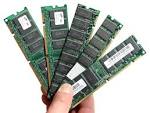
What are these?
a)
Tower
b)
Motherboard
c)
Harddrive
d)
RAM memory
142.
In terms of computing, what does CPU stand for?
a)
central pc unit
b)
clean processing unit 
c)
computer processing unit
d)
Central processing unit
143.
What does HTML stand for?
a)
Hyper Text Mark up Lingo
b)
Hyper Text Mark Up Language
c)
Hyper Total Managed Language 
d)
Handy Texting Management Level
144.
Which of these is the 'brain' of the computer?
a)
RAM
b)
CPU
c)
Motherboard
d)
Hard drive
145.
What would you use to see very distant objects?
a)
Binoculars
b)
hand lens
c)
microscope
d)
telescope
146.
If you wanted to see bacteria, what would you use?
a)
microscope
b)
hand lens
c)
petri dish
d)
telescope
147.
What is used to grow bacteria?
a)
petri dish
b)
binoculars 
c)
flask
d)
test tube
148.
Air pollution is _________________________
a)
the addition of any substance that has harmful or toxic effects to air
b)
the addition of any good substance that benefits air
c)
a chemical reaction
149.
What percent of the Earth’s surface is covered by Oceans?
a)
75%
b)
86%
c)
70%
d)
100%
150.
Cold water is _______ dense than warm water
a)
More
b)
Less
c)
equally