
 Worksheets
final revision quarter 3
Total questions: 138
Worksheet time: 3hrs 30mins

What type of symmetry does the organism have?
Asymmetrical
Radial
Bilateral

What type of symmetry does the organism have?
Asymmetrical
Radial
Bilateral

What type of symmetry does the organism have?
Asymmetrical
Radial
Bilateral

What type of symmetry does the organism have?
Asymmetrical
Radial
Bilateral

What type of symmetry does the organism have?
Asymmetrical
Radial
Bilateral

What type of symmetry does the organism have?
Asymmetrical
Radial
Bilateral
An animal that has a backbone is called a(n)
predator.
vertebrate.
invertebrate.
arthropod.

Animal in the picture is classified as a cnidarian.
TRUE
FALSE
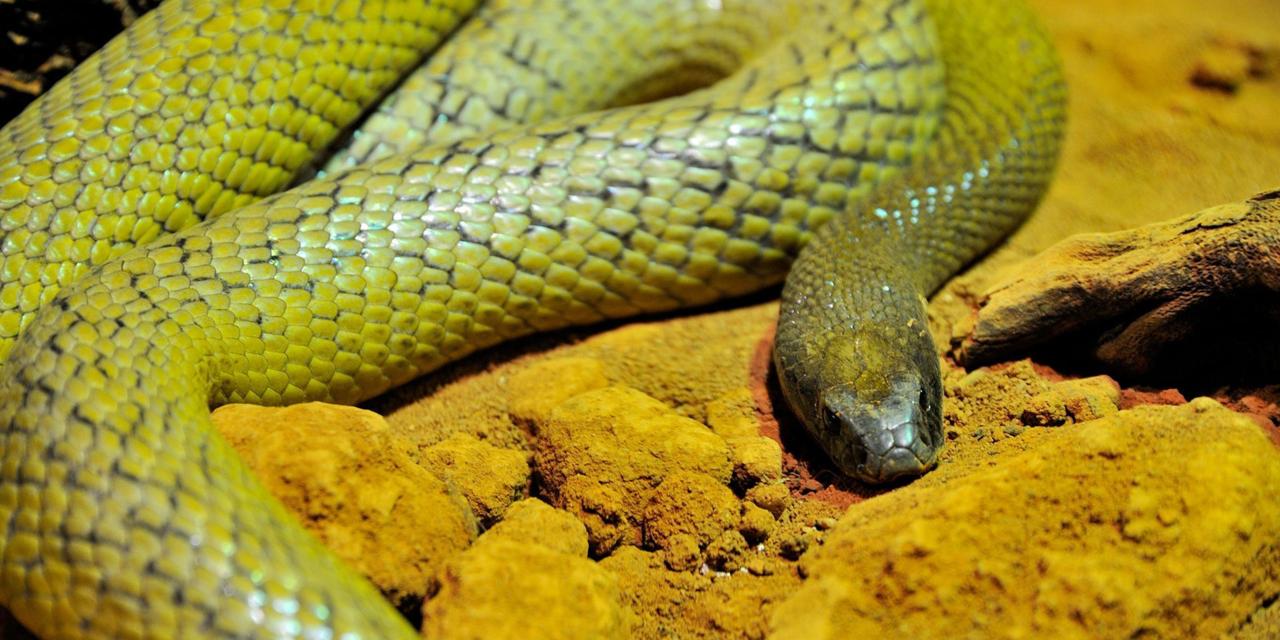
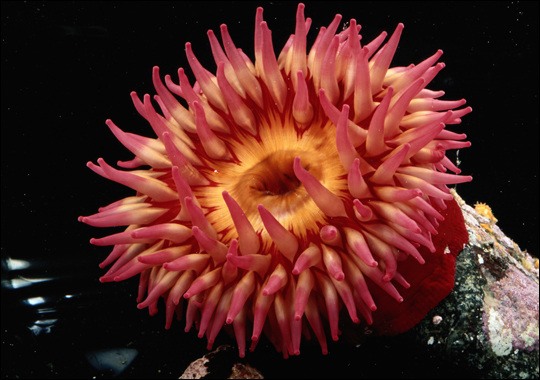
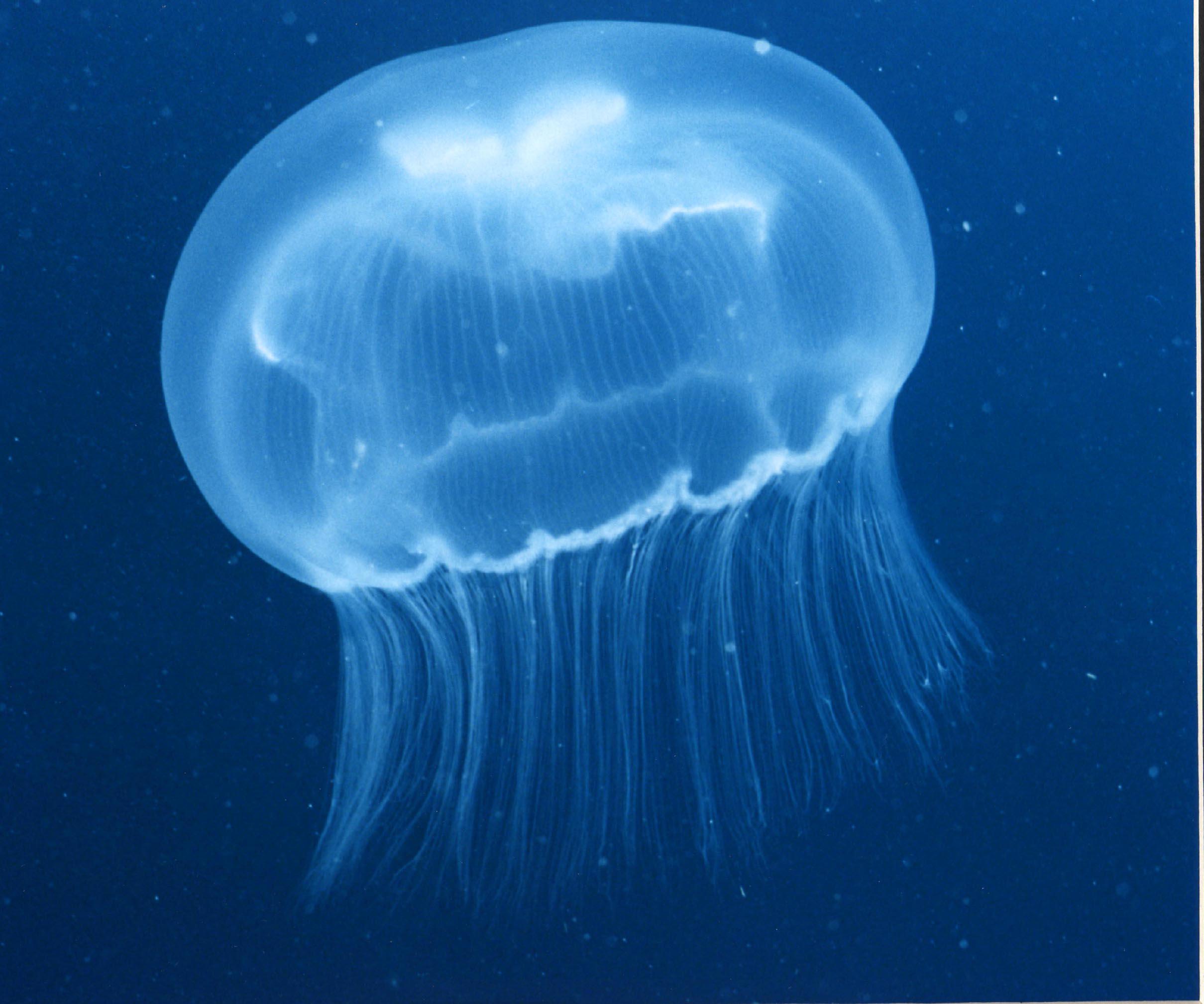
How many types of Symmetry are there?
1
2
3
4
Why do scientists classify animals?
to organize information
to show relationships
to learn more about animals
all of the above
The branch of biology that deals with the classification of organisms is called ____________.
Biology
Evolution
Taxonomy
Ecology
Which of the following choices order the 7 levels of taxonomy from most specific to least specific
Kingdom, Phylum, Class, Order, Family, Genus, Species
Species, Genus, Order, Class, Phylum, Kingdom
Phylum, Class, Kingdom, Order, Family, Species
Order, Family, Species, Class, Phylum, Fungi
A group of closely related species
Genus
Species
Family
Order


Birds have different beaks to help them survive in their habitat, which is a type of ___________ adaptation.
behavioral
physical
learned
migration

Squirrels gather and store acorns for the winter, which is a ___________ adaptation.
behavioral
structural
physical
environmental

Hibernation, migration, and dormancy or all examples of ___________ adaptations.
behavioral
physical
special
environmental

Both animals and people are born with ___________, like crying.
instincts
experiences
adaptations
dormancy

A spider spinning a web is an example of an instinctive behavior.
True
False

A cub will learn how to hunt by watching and copying its mother, which is a/an ___________ behavior.
instinctive
adaptive
learned
mimicry

An opossum playing dead when it's in danger is an example of a ___________ adaptation.
learned
physical
behavioral
tricky

Adaptations help animals ___________.
survive
get food
protect themselves
all of the above

Some animals use certain body parts to ___________ themselves or their babies.
defend
scare
adapt
raise
Some animals use certain body parts to ___________ themselves or their babies.
defend
scare
adapt
raise

___________ is when some animals travel long distances from one place to another, usually during seasonal changes.
Hibernation
Migration
Dormancy
Mimicry


What does invertebrate mean?
Animals without a backbone
Animals that change their form
Animals with a backbone
Animals that lay eggs


The bodies of cnidarians have
no symmetry
radial symmetry
bilateral symmetry
both radial and bilateral symmetry
what are the basic characteristics of mollusks.
they have a thick muscular foot to open and close their shell.
they swim the speed of a turtle.
they use their foot to clean the shell of the mollusks.
they are very large.
Which animal below moves with the aid of tube feet and has “spiny skin"?


Which of the following are segmented worms?
Barnacles and Crabs
Squid and Snails
Leeches and Earthworms
Sea Urchins and Sand Dollars

Sponges
Are plants
Are plankton
Are found in cold waters
Are filter feeders

Common characteristics of Echinoderms are
Tubed feet, no shell
spiky skin, have an exoskeloton
symmetrical body usually 5 sided, are plants
tubed feet, symmetrical body usually 5 sided

Jellyfish, sea anemone, coral, are part of what invertebrate group
Molluscs
Coelenterates
Sponges
Stingers
Jellyfish, sea anemone, coral, are part of what invertebrate group
Molluscs
Coelenterates
Sponges
Stingers
Which taxonomic class is the largest?
Genus
Species
Class
Order
Characteristics of animals are eukaryotic, multicellular, and _________________
autotrophic
heterotrophic
canal

The process of an insect changing body form as it grows from an egg to an
adult is called
Changing
Metamorphosis
Evolution
Fussion

Its name means “spiny skin.”
Arachnid
Sponge
Echinoderm
Mollusk

It has bilateral symmetry and a flat body shape.
Roundworm
Segmented worm
Flat worm
Cnidarian

It has a mantle, or a thin layer of tissue, that
covers its internal organs.
Arthropod
Mollusk
Echinoderm
Roundworm

what do chordates have that make them chordates?
spinal cord, nervous system, and post anal tail
fins and scales
spinal cord only
post anal tail that receded and spinal cord
what are some characteristic of amphibians?
lungs and gills, warm blooded, spinal cord
lungs, warm blooded, spinal cord
gills, cold blooded, no spinal cord
lungs and gills, cold blooded, spinal cord
what makes a reptile
having scales plus being a cold blooded animal
laying eggs and having scales
laying eggs, cold blooded, scales
warm blooded, lay egges
what is a mammalia
an animal that is warm blooded
an animal that produce sexualy
an animal that is Heterodont
all of the above
were do Amphibia most commonly live
forests and swamps
deserts and tundra
mountains and hills
ocean and waterfalls

What is the flexible skeletal support rod?
Dorsal Hollow Nerve Chord
Notochord
Pharyngeal slits
Endoskeleton
Which of the following chordates are also vertebrates?
Fish, Amphibians, Lancelets
Fish, Birds, Reptiles, Mammals
Tunicates, Sea squirts, Lancelets
Lampreys, Lancelets, Amphibians
Which of the following represents invertebrate chordates?
tunicates
lampreys
snakes
sharks

Lampreys differ from other fish in the following ways:
They lack a backbone.
They lack an endoskeleton.
They lack jaws.
They lack a tail.

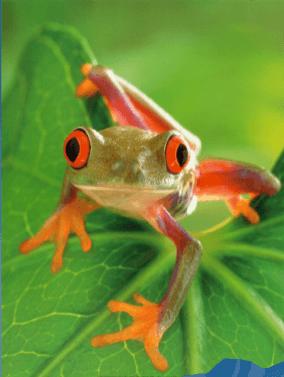
A Tree Frog is a...
Fish
Amphibian
Reptile
Both Fish & Amphibians

Identify the class.
Reptile
Aves
Amphibian
Mammalia
Identify the class.
Reptile
Aves
Amphibian
Mammalia


Sharks are classified into the same class as which other fish?
Dolphins
Rays and Skates
Trout and Bass
Whales
As adults, amphibians breathe through _____________.
Gills and skin
Lungs and gills
Lungs and skin
Feet
A(n) _______________is a flexible, rod-shaped structure that supports the body of a developing chordate.
notochord
vertebrate
spinal cord
brain
A(n) _______________is a flexible, rod-shaped structure that supports the body of a developing chordate.
notochord
vertebrate
spinal cord
brain
This term refers to the ability of an organism to maintain their body temperature through external means such as the sun or water.
Exothermic
Endothermic
Vertebrates
Invertebrates
This term refers to the ability of an organism to maintain their body temperature through external means such as the sun or water.
Exothermic
Endothermic
Vertebrates
Invertebrates
This term refers to the ability of an organism to control their body temperature from within (which means they are warm blooded).
Endothermic
Exothermic
Vertebrates
Invertebrates

My body is warm and covered in feathers. I lay eggs which hatch into chickens. What am I?
Reptile
Amphibian
Mammal
Bird
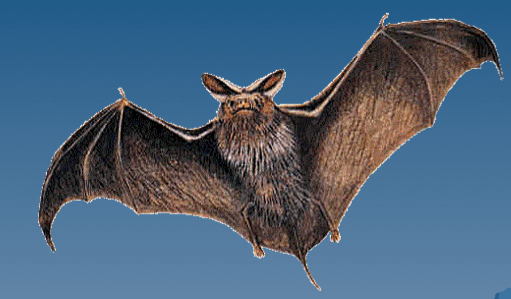
I have fur and I can fly. I feed my young on milk, and have live births. What am I?
Reptile
Bird
Mammal
Fish
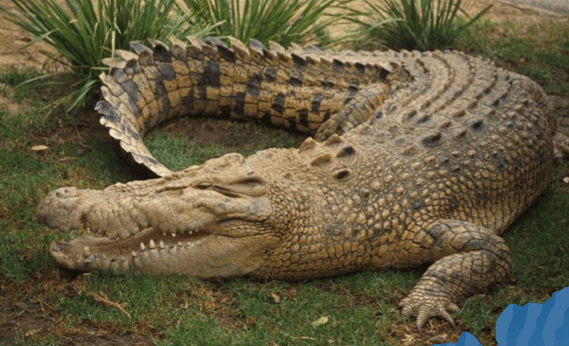
Mammals are covered with...
scales
a hard shell
smooth, moist skin
None of the above
What are the 2 Animal Groups?
Vertebrates and Snakes
Mammals and Invertebrates
Vertebrate and Invertebrates
Mammals and Birds
Choose the 4 characteristics of Phylum Chordata
Notochord
Pharyngeal Pouches
Tail
Bones
Nerve Cord
Which picture shows radial symmetry?


We are ectothermic. We live in the water and breathe with gills. Our parents live on land and breathe with lungs. Who are we?
Amphibians
Reptiles
Mammals
Birds

