
 Worksheets
7 Review Topic 4
Total questions: 134
Worksheet time: 2hrs 43mins
Catherine works in a plant nursery and likes all the brightly colored flowers there. She asks the owner about them and is surprised to learn that all flowers have two stages to their life cycle.What are the two stages plants go through during their life cycle? Choose the two that apply.
sporophyte
fertilization
zygote
gametophyte
Which stage of a plant's life cycle produce eggs and sperms?
gametophyte
sporophyte
gymnosperm
angiosperm
The fertilized egg is called _____________.
sperm
zygote
embryo
egg
When a male and female structure combine, it is called ______________________.
circulation
fertilization
multiplying
sprouting

Which stage of the moss life cycle is represented by the picture?
gametophyte
sporophyte
embryo
zygote

Mosses produce _________ in order to reproduce.
flowers
spores
cones
seeds
The capsule at the end of a moss contains ____________________.
egg cells
pollen
sperm cells
seeds
The sporophyte stage of a moss is represented by
capsule.
leaflike structure.
stalk.
rhizoid.
The gametophyte stage of a moss is represented by
capsule.
leaflike structure.
stalk.
rhizoid.
What stage of the gymnosperm and angiosperm lifecycle is the plant?
sporophyte
gametophyte
The process of transferring pollen from male reproductive structures to female reproductive structures in plants is called __________.
germination
pollination
fertilization
reproduction
Plants can reproduce sexually by using their roots, stems, or leaves.
true
false

Pine, fir, and spruce trees do not have flowers with pistils and stamens, so they reproduce using _________________.
spores and petals
seeds that float on water
seeds that have tiny hooks
male cones and female cones

A conifer is a type of tree that produces _______________.
flowers
fruit
cones
spores
What characteristic do gymnosperms share?
They live only in hot, dry climates.
They produce naked seeds.
Many has needle-like leaves.
Most of them grow cones.
Caroline and her family often visit northern New Mexico during their summer vacation, and she likes observing the pine cones that fall from the Ponderosa pines. She learns that gymnosperms have adaptations that help them to reproduce. Choose the correct word to finish the sentence.
The female cone has a sticky substance on the outside and a(n) ________ inside it.
seed
scale
ovule
fruit
Caroline and her family often visit northern New Mexico during their summer vacation, and she likes observing the pine cones that fall from the Ponderosa pines. She learns that gymnosperms have adaptations that help them to reproduce. Choose the correct word to finish the sentence.
The the male cones have ______ pollen that can blow.
sticky
lightweight
wet
deeply rooted
All angiosperms
produce cones.
produce fruits.
are seedless.
produce flowers.

The male structure of a flower is called ________________.
a stamen
a pollen
a pistil
an ovary
The female part of a flower is _________________.
pistil
stamen
filament
sepal

A flower’s ________ attract insects so that the plant can be fertilized.
ovaries
pistils
stamens
petals

Pollen grains are produced by ________________.
the anther
the stigma
the flowers
the leaves
The stalk that supports or holds up the anther is the ______________.
style
filament
ovary
pistil
Which amongst these is NOT a part of pistil?
stigma
stamen
style
ovary
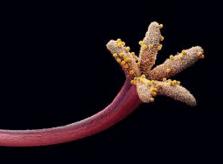
This stalk supports the stigma.
filament
style
ovary
anther
Which of the following statement is true about the reproduction of angiosperms?
They reproduce with cones.
Fertilization occur in the ovule.
The ovule become the fruit.
The ovary becomes the seed.
What part of a flower becomes fruit?
ovary
petal
stamen
pistil

A fruit, like an orange or an apple, sometimes forms around a seed to ________________.
protect it
fertilize it
supply food
provide nutrients
The ________ is the young plant that develops from a fertilized egg.
zygote
pollen
seed
embryo
What is the function of nectar?
to provide food for the flower
to attract pollinators
to attract animals to disperse the fruits
to produce perfumes for man
A flower is pollinated when
pollen falls on the sepals.
pollen falls on the pistil.
a zygote is formed.
pollen falls on the petal.
The purpose of seed dispersal is for the seeds to __________.
germinate at the same time
move to the same place and grow
move further away from the parent plant
compete with one another for minerals in the soil

How are dandelion seeds dispersed?
by animals
by explosion or bursting
by wind
by water
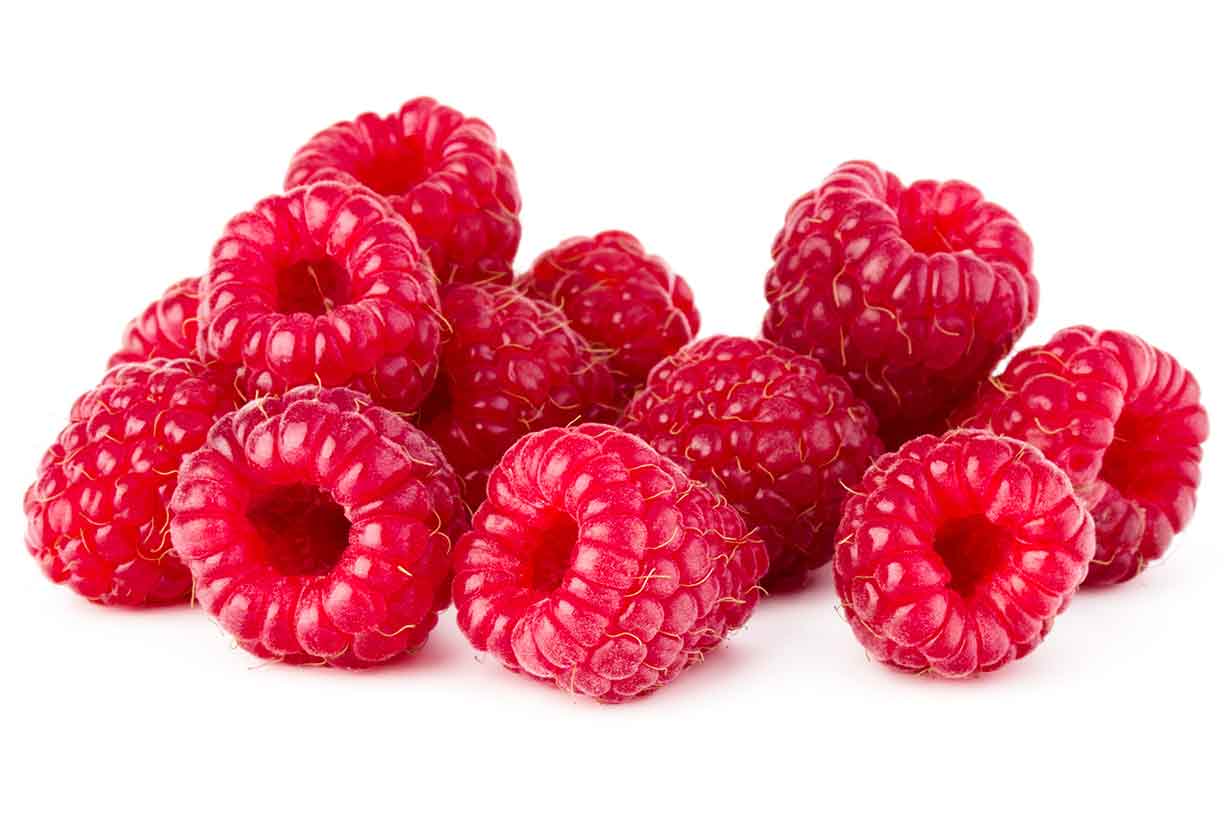
How are raspberries dispersed?
by animals
by explosion or bursting
by water
by wind

State the method of dispersal for this seed/ fruit.
Wind
Animal
Water
Splitting Action
Lightweight seeds are most often dispersed by ____________________.
wind
animals
water
ejection

It is the development of a seed into a plant.
seed dispersal
germination
fertilization
pollination
Choose each sentence that is true about germination.
All seeds germinate immediately after they are dispersed.
The embryo uses its stored food to begin to grow.
First, the embryo’s leaves and stem grow upward.
Germination begins when the seed absorbs water.
The way an organism reacts to changes in its internal conditions or external environment is _______________.
Instinct
aggression
Imprinting
behavior
An innate behavior can be described by which of the following?
Must be learned
Not necessary for survival
Present at birth and performed correctly from the first time
Learned from experiences
The first time a bird builds a nest, the bird builds the nest perfectly. This kind of behavior is an example of
a learned behavior.
an instinctive behavior.
imprinting.
conditioning.
Choose the letter of each behavior that is an instinct.
A lion hunting its prey.
A spider spinning a web.
A bird building a nest.
Earthworms crawling away from bright light.
Ethan vacationed with his family in Florida and had the opportunity to observe sea turtles hatching. After breaking out of their shells, the young hatchlings headed toward the ocean as quickly as possible. What kind of behavior were the hatchlings exhibiting?
avoidance
navigation
migration
instinct
Which of these is a LEARNED behavior?
a peacock courting
a whale migrating
a dog sitting when told to
a turtle hatchling crawling towards the ocean
Behavior almost always helps an animal
either survive or reproduce.
show that it is afraid or tired.
locate other animals of the same species.
protect itself from predators.
What are mating systems?
the threatening behaviors that animals use to gain control over other animals
behavior patterns that are related to how animals reproduce
chemicals releases by one animal that affect the behavior of another animal of the same species.
behaviors related to the movement of animals from one place to another and back again

The male peacock uses these spectacular tail feathers in a display to try to attract the attention of females of the same species, and to try to find a mate. What is this called?
hibernation
migration
courtship behavior
territorial behavior
What is the function of courtship behavior for an animal?
to mark its territory
to get a good supply of food
to protect itself from predators
to attract a mate of the same species
Animals communicate for various reasons, but one main reason is for reproduction. In what ways do animals communicate with other members of their species with the goal of reproduction? Choose the three that apply.
sound
aggression
pheromones
defending territory
displaying bright colors
Some animals release a ____________________, or chemical signal, that enables them to distinguish members of their own group from members of other groups.
instinct
aggression
pheromone
submission
Pheromones from one species of moth usually attract
all flying insects.
all types of moths.
only moths and butterflies.
only moths of the same species.
An area that animals set up and defend for the purpose of feeding, mating, and raising young is called ________________.
society
territory
home
fort
Threatening behavior that one animal uses to intimidate or dominate another is called ____________________.
submission
anger
instinct
aggression
Which statement about fertilization strategies is true?
Internal fertilization mostly occurs in fish and amphibians.
Internal fertilization results in eggs that develop outside the female's body.
External fertilization is common for animals that live in water.
External fertilization occurs in all land animals.
Most animals that exhibit external fertilization
have few offspring but devote a lot of time and energy into ensuring their survival.
have few offspring and do no devote a lot of time and energy to their survival.
have many offspring and devote a lot of time and energy to their survival.
have many offspring and do not devote a lot of time and energy to their survival.

Carolina saw a picture showing fish in a group, and as she looked at the image, she realized what was occurring as she’d recently learned about it in class. Look at the image. Choose the correct words to finish the sentence.
This image shows an example of __________________.
external fertilization
courting behavior
internal fertilization
survivorship
If the the eggs get fertilized by external fertilization they will
have a few that will survive.
develop outside the female's body.
all grow to adulthood.
develop inside the female's body.
Where do the sperm and egg meet in internal fertilization?
inside the male's body
inside the female's body
outside the female's body
outside the male's body
A benefit of internal fertilization would be that
there is the ability to produce far more offspring
the mother has to use less energy to produce offspring
there is less competition for mates
offspring are better protected during early development
A group of closely related animals of the same species can work together in a highly organized way to increase their chances for survival and reproducing. This is called ________________ behavior.
territorial
aggressive
defending
cooperative
Which of the following is a benefit of living in a group?
protection against predators
increasing the number of prey available to hunt
avoiding migration
avoiding aggression
Daniel reads about survival and reproductive strategies of animals. He is surprised at the complexity of behaviors different kinds of animals practice. He is especially interested in the musk ox. A group of musk oxen protects their young by forming a circle around them. The adult oxen stand with their heads outward to face an enemy. The young remain protected within the circle. Choose the correct words to finish the sentence.
This is an example of a __________ in which the musk oxen help protect the ______________ of the other group members.
herd instinct, habitat
cooperative behavior, offspring
migratory behavior, food
fertilization strategy, mates
A group of animals move from one place to another to find food or to mate. What is this behavior called?
Migration
Hibernation
Conditioning
Territory
Daniel reads about survival and reproductive strategies of animals. He is surprised at the complexity of behaviors different kinds of animals practice. He is especially interested in the musk ox. Migratory behaviors are another reproductive strategy practiced by the musk ox. Migration is the regular, seasonal journey from one place to another and then back again. For what reasons do animals migrate? Choose the three that apply.
to find a better climate
to protect the offspring of the group
to find more food
to gather for mating
to increase their population
Canada geese fly south in fall to find food. In spring they fly back up north to have their young. What type of behavior is this?
defense
hibernation
courtship
migration
What is the best definition of hibernation?
It is the way an organism reacts to other organism.
It is he instinctive, seasonal movement of animals from one place to another.
It is a response in which an animal's body temperature, activity, heart rate, and breathing rate decrease during periods of cold weather.
In winter, a bat stays in its cave, and its body temperature drops, its heart rate slows to a fraction of its normal rate, and it is barely breathing. What is this behavior called?
Migration
Hibernation
courtship behavior
territorial behavior
Hibernation gives animals which of these benefits?
protection from harsh weather
protection from dry weather
the ability to raise their young in safety
an opportunity to attract mates
This behavior happens when an animal forms an attachment to a place or an organism within a specific time period after birth or hatching.
Migration
Instinct
conditioning
imprinting
If a dog starts salivating when a bell is rung, because he associates the bell with receiving a treat, this behavior is called __________________.
Imprinting
Instinct
Innate Behavior
Conditioning
While out hiking in the woods, Ian sees several wild grapevines wrapped around some tree trunks and branches. He notices the broad leaves and curling, forking tendrils of the vines that loop around the tree branches. This makes him think about the factors that influence the way things grow. Which factors contribute to the way organisms grow and develop? Choose the three that apply.
genetics
size
response to stimuli
structures
access to resources
Choose the factors that determine how organisms grow.
genetic factors
response to stimuli
access to resources
environmental conditions
Which is NOT a stimulus that can trigger tropisms in plants?
light
gravity
touch
temperature
Internal stimuli are chemicals, called ____________________ that a plant produces
Light
tough
Temperature
Hormones
Auxins are responsible for _____________ of a plant
Colour change
Watering
Phototropism
Growth
What is tropism?
A plant's response to a stimulus
A plant reproducing
An animal's response to a stimulus
A prokaryote's response to a stimulus
What makes a tropism positive or negative?
Positive = movement towards stimulus, Negative = movement away from stimulus
Negative = movement towards stimulus, Positive = movement away from stimulus
None of the above
Positive = when a plant is happy, Negative = when a plant is sad
A grapevine coiling around a fence post is an example of
positive gravitropism.
positive thigmotropism.
negative phototropism.
all of the above.
An example of a negative plant tropism is
stems growing up.
leaves turning toward light.
stems wrapping around poles.
roots growing down.

The roots have negative ________________.
phototropism
thigmotropism
gravitropism
hormones
What type of tropisms is exhibited by the root of a plant growing down?
Positive Gravitropism
Negative Gravitropism
Thigmotropism
Hydrotropism

The picture shows an example for ______________.
internal stimuli
thigmotropism
phototropism
none of the above
Poison Ivy growing on a tree by touch is an example of _______________.
gravitropism
phototropism
thigmotropism
hydrotropism

Stem has ___________________.
negative phototropism
positive gravitropism
positive phototropism
negative gravitropism

What type of tropism is occurring here?
phototropism
thigmotropism
geotropism
tropictropism
What is phototropism?
The movement of plants towards light
The movement of plants away from light
The movement of plants in response to infrared light
The movement of plants towards water
A period of a plant when is does NOT grow is called __________________.
spore
stamen
nutrient
dormancy
Choose the processes that apply to dormancy.
trees drop their leaves
much water is taken in by the roots
chlorophyll breaks down
sugars are made
When does dormancy occur?
During extreme cold temperatures
During the rainy season
During extreme droughts
During the breeding season
As fall arrived, Steven saw that many homes had chrysanthemums planted in their flowerbeds. Their golden colors always signal the oncoming fall season. Many plants respond to seasonal changes. Why might a plant such as a chrysanthemum bloom during the fall?
The plant may be conditioned to live in a particular climate.
The plant may be better suited to survive in cooler weather.
The plant may be unable to adapt to cold weather.
The plant may not respond to seasonal changes.
As fall arrived, Steven saw that many homes had chrysanthemums planted in their flowerbeds. Their golden colors always signal the oncoming fall season. Many plants respond to seasonal changes. In fall, certain kinds of trees lose their leaves and enter a period of dormancy. Define dormancy and give one reason why it may occur. Which are processes that occur when a tree enters dormancy?
The leaves stop making chlorophyll.
The chlorophyll breaks down.
The remaining sugar and water are transported out of the tree's leaves.
The leaves fall to the ground.
________________________ involves two parents and produces offspring different from parents.
external fertilization
sexual reproduction
internal fertilization
asexual reproduction
Which of the following are correct of asexual reproduction? Choose all that apply.
two parents
one parent
produced large numbers of individuals
same characteristics with parent
different characteristics with parent
Fill in the blank with a word that correctly completes the sentence. Flatworms have a remarkable ability to generate a whole body from any small piece. This multi-headed worm will split apart and grow into several complete, separate individuals.
Offspring that are genetically identical to the parent are produced by _________ reproduction.
Starfish can asexually reproduce by producing offspring from a broken piece of the parent organism. This is an example of __________________.
budding
fragmentation
binary fission
vegetative propagation
A small growth on an organism that splits and grows into a new organism in the process of _______________.
regeneration
mitosis
binary fission
budding

After fertilization, the zygote develops first into an ____________.
fetus
zygote
pupa
embryo

The female sea turtle lays eggs that have a ________________.
leathery shell
hard calcium shell
jellylike coating
spiny shell
How is a reptile egg different from an amphibian egg?
It is covered with protective jelly.
It has a soft, leathery shell.
It must be kept in shallow water.
It does not release carbon dioxide.
What is one way in which a reptile’s egg is adapted to survive on land?
The egg has a hard, rigid shell.
The egg has membranes that help keep the embryo moist.
The embryo has an air tube to get oxygen directly from the air.
The embryo’s skin keeps water in the egg.
What type of birth is typical for most mammals?
Egg-Laying
Placental
Pouch
Which mammal lay eggs?


Which type of mammals lay eggs?
Marsupials
Monotremes
Placental Mammals
Marine mammals
Where does a placental mammal develop before its body systems can function independently?
inside its mother’s body
in a pouch on its mother’s body
in a nest near its mother’s body
inside an egg that is protected by the mother
The function of the placenta is to
pass materials between the mother and an embryo.
protect an embryo from heat and cold.
keep an embryo inside its mother.
prevent an embryo from drying out.
Mammals that live in a pouch until they are mature are known as ________________.
Placental Mammals
Monotremes
Marsupials
Vertebrates
What is the structure that acts as temporary organ to allow exchange of substances between mother and fetus.
umbilical cord
uterus
placenta
amniotic sac
Which of these is NOT a stage in complete metamorphosis?
egg
larva
pupa
nymph

What stage of the insect's life does this picture show?
Adult
Larva
Pupa
Seed

What hatches from an insect's egg?
A pupa
A larva
A chrysalis
A proboscis
Insect larvae are specialized for
reproducing.
breathing.
eating.
surviving in water.

What happens during metamorphosis?
The larva goes through big changes to become an adult.
The larva eats a lot and sheds its skin as it grows bigger.
The adult lays eggs on leaves, branches, and other places.
The adult uses camouflage to hide and hunt in its habitat.

Which happens LAST in an insect's life cycle?
The pupa changes to an adult.
The larva eats to grow bigger.
The larva changes to a pupa.
The larva hatches from an egg.
The butterfly shows complete metamorphosis because it has ______.
a pupa stage
a nymph stage
an egg stage
an adult stage
Select all of the life cycle stages that a butterfly goes through.
Pupa
Nymph
Larva
Egg
Molting occurs during the gradual metamorphosis of an insect whenever
the nymph needs food.
it emerges from a cocoon.
its full-sized wings harden.
the nymph outgrows its exoskeleton.
The process that amphibians undergo from larva to adult is called _______________.
adaption
metamorphosis
primary respiration
cocoon
Which is the correct order for the life cycle of a frog?
frog, egg, tadpole, changing tadpole
tadpole, changing tadpole, egg, frog
egg, tadpole, changing tadpole, frog
changing tadpole, frog, tadpole, egg

At which stage of the frog's life cycle does the animal depend on gills to breathe?
Egg
Adult frog
Tadpole
Froglet
Ava had a pet goldfish, and she loved feeding it and watching it swim around in its bowl. After four months, she noticed that her fish hadn’t grown much, so she looked up information about caring for goldfish. She learned that unless she made changes, her goldfish would remain small. Look at the picture, and choose the correct words to finish the sentence.
The image shows an example of a(n) ________________ affecting her fish’s growth.
lack of food
external environmental factor
internal environmental factor
hormones

Ava had a pet goldfish, and she loved feeding it and watching it swim around in its bowl. After four months, she noticed that her fish hadn’t grown much, so she looked up information about caring for goldfish. She learned that unless she made changes, her goldfish would remain small. Look at the picture, and choose the correct words to finish the sentence.
Conditions that could affect animal growth include _________________.
type of embryo development
genes
life cycle
metamorphosis

